

Start Your Injection Molding Project
With just 4 simple steps, you can turn your product ideas into reality with us.


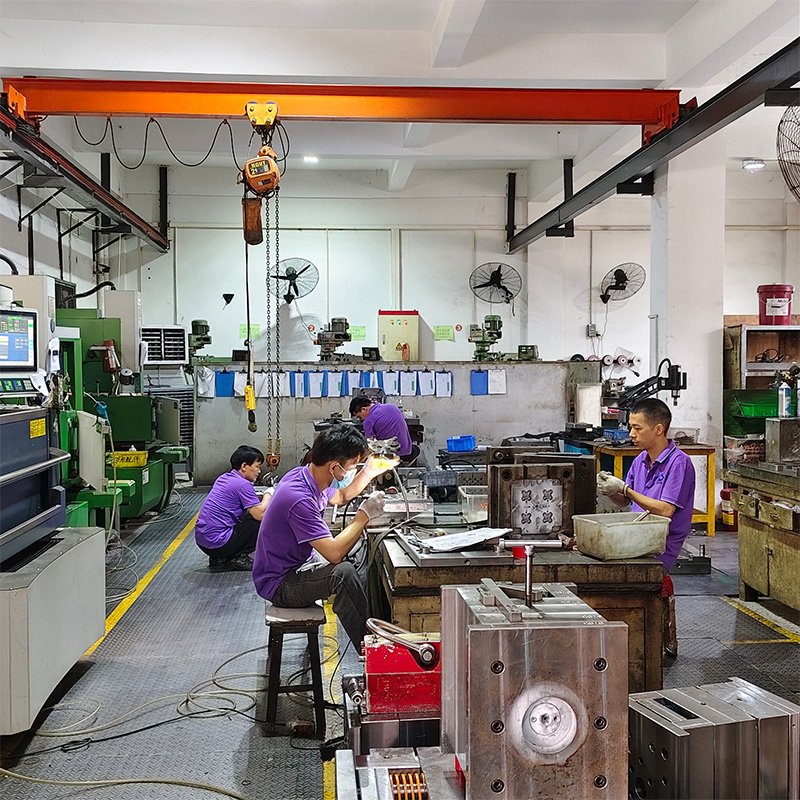
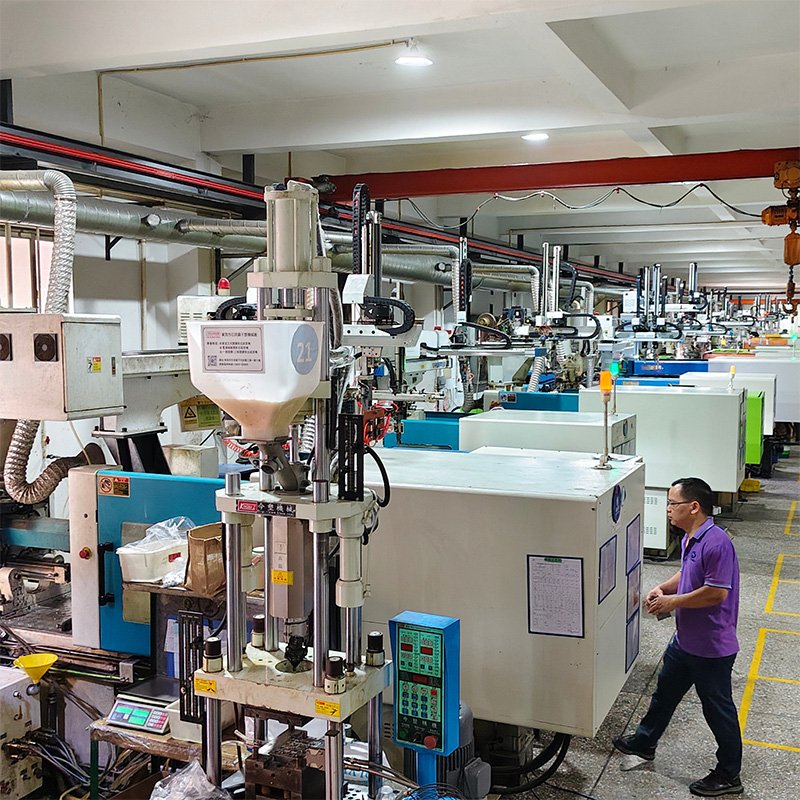
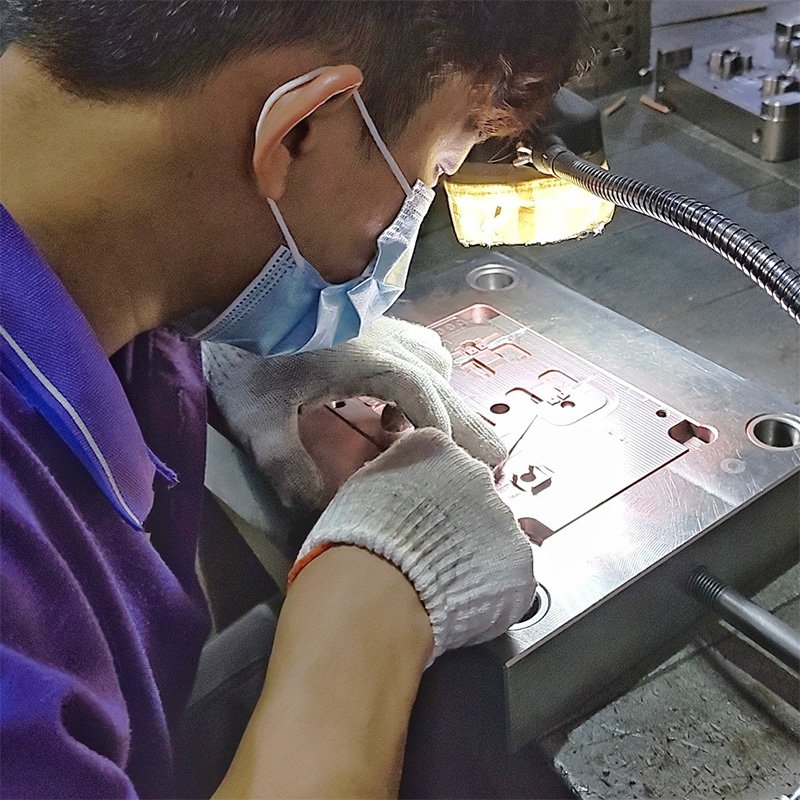
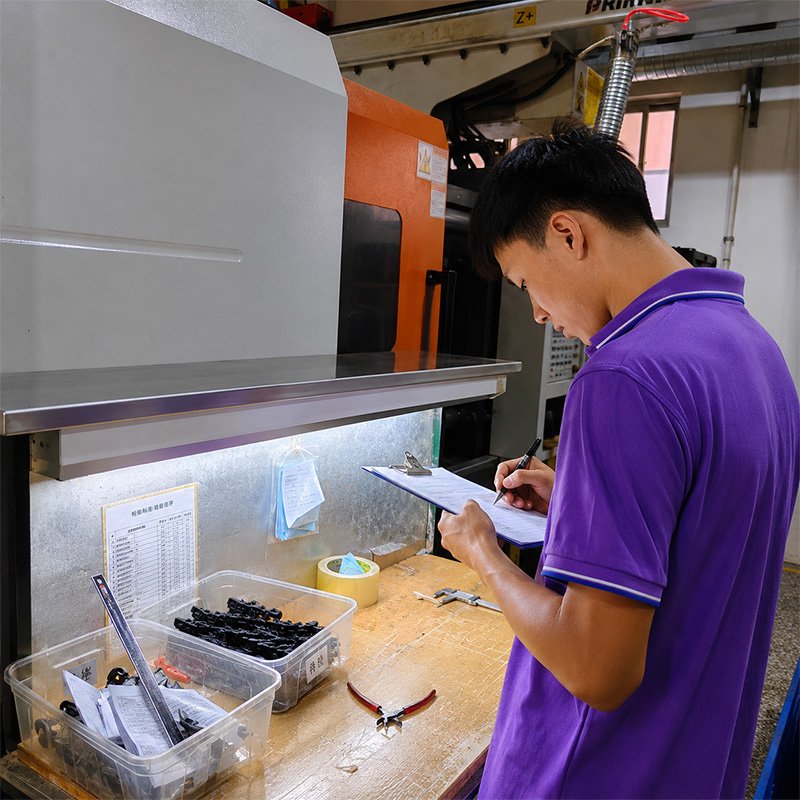
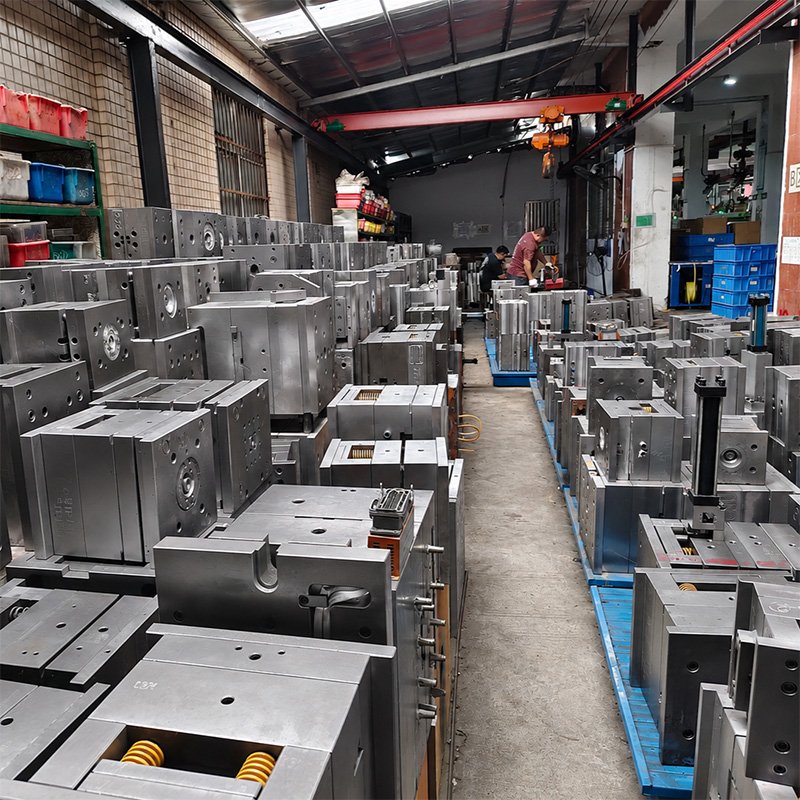
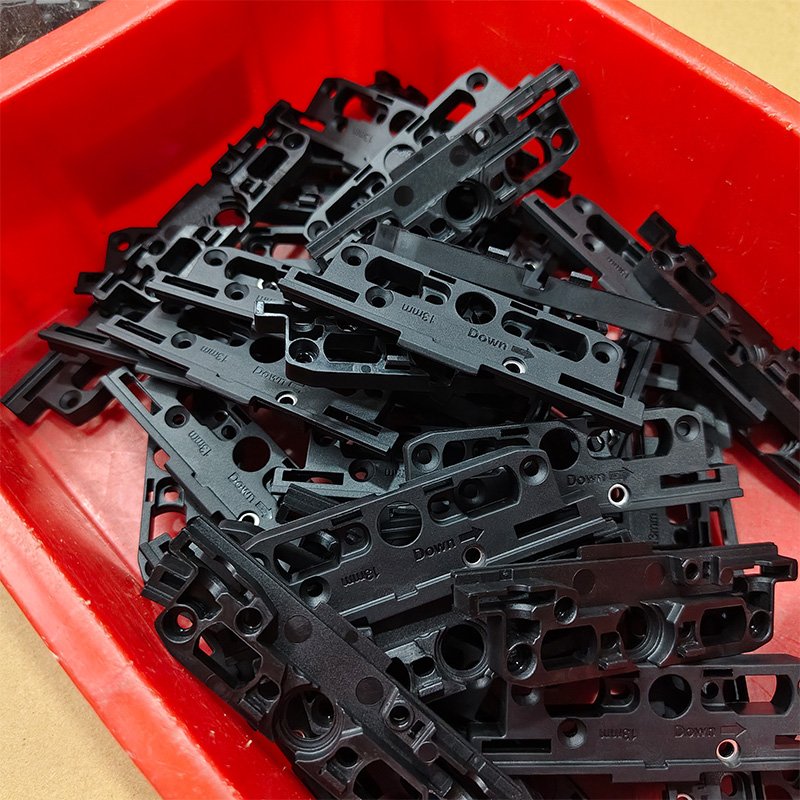
Your Expert in Contract Injection Molding Solutions
- Since 2008, we have specialized in end-to-end plastic product development.
- Self-built modern manufacturing plants spanning 5,000+ m².
- Trusted production partner for global leading brands.
- One-stop service from design & prototyping to assembly & delivery.
- Certified with ISO 9001, IATF 16949, CE, RoHS, and more.
Why Choose TryCooler's Injection Molding Services?
At TryCooler, we combine engineering expertise, in-house mold making, and precision injection molding to help you move from product design to stable mass production with confidence. Our experienced engineering team supports DFM analysis, material selection, and mold design optimization to identify potential risks before production begins. With 22 injection molding machines and a monthly production capacity exceeding 500,000 parts, we provide flexible manufacturing solutions for both low- and high-volume production. Through IQC, IPQC, OQC, and CMM inspection, we help ensure consistent quality, reliable performance, and stable batch-to-batch production.
Injection Molding Services for Various Industries
For over 20 years, TryCooler has partnered with product designers, engineers, startups, and brands to turn ideas into production-ready plastic products.
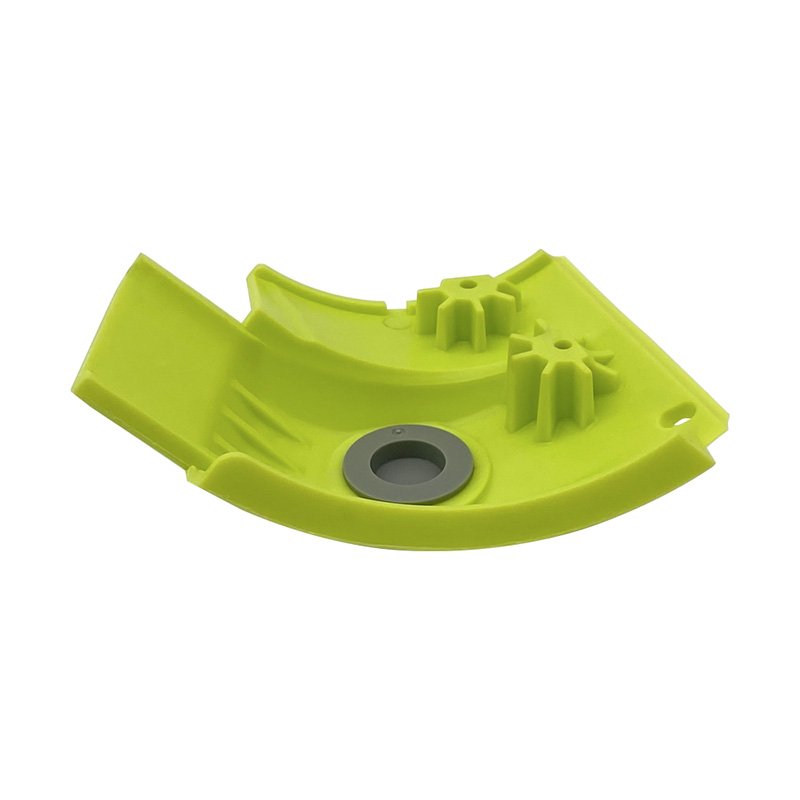
Precision plastic housings and structural parts for smart devices and electronic products.
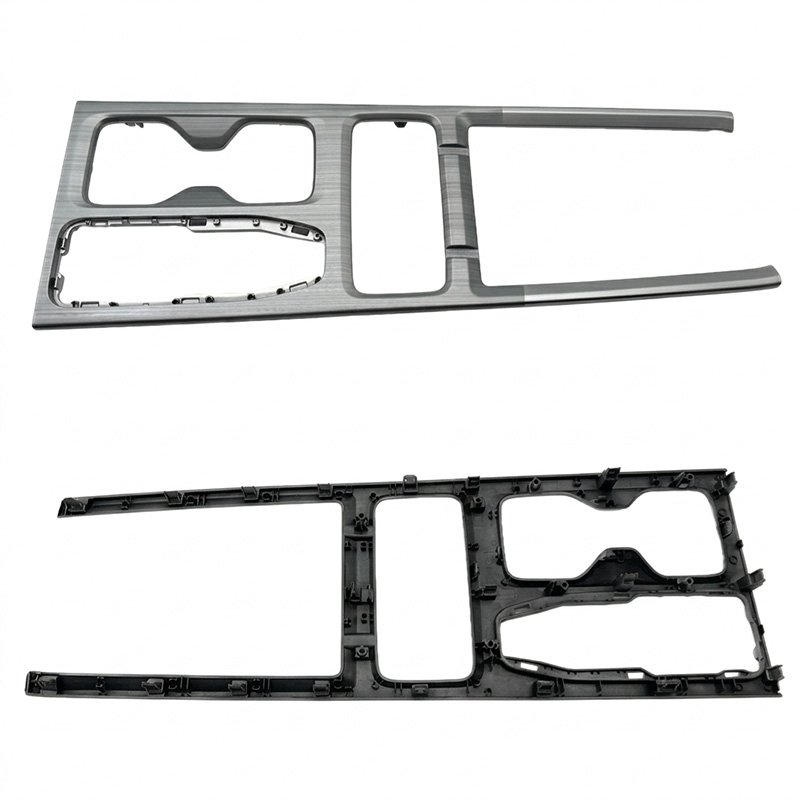
Durable automotive plastic parts for automotive interiors, clips, brackets, and functional assemblies.
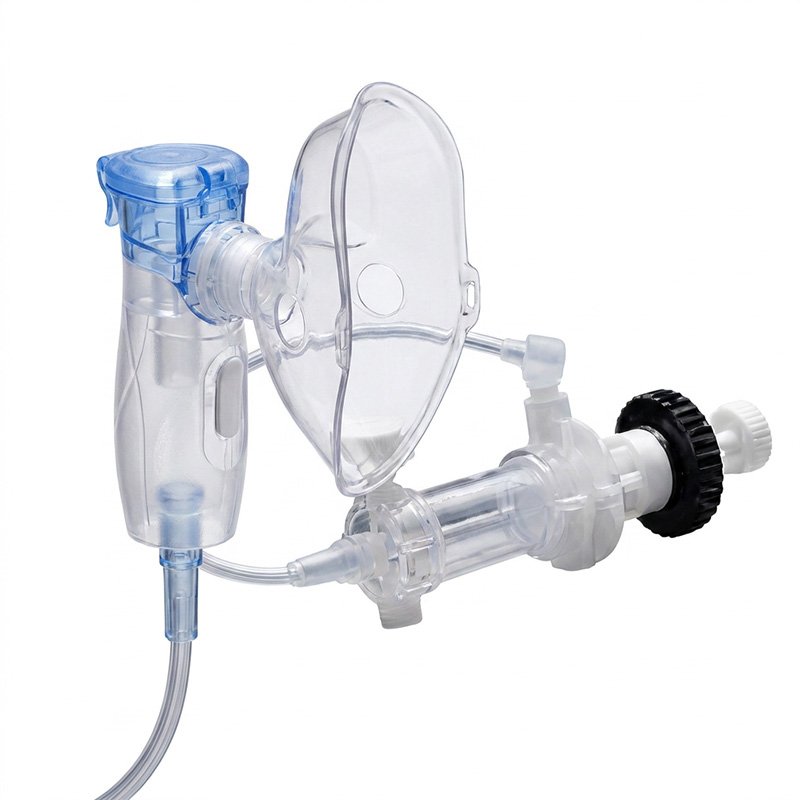
High-precision molded components designed for healthcare equipment and medical device applications.
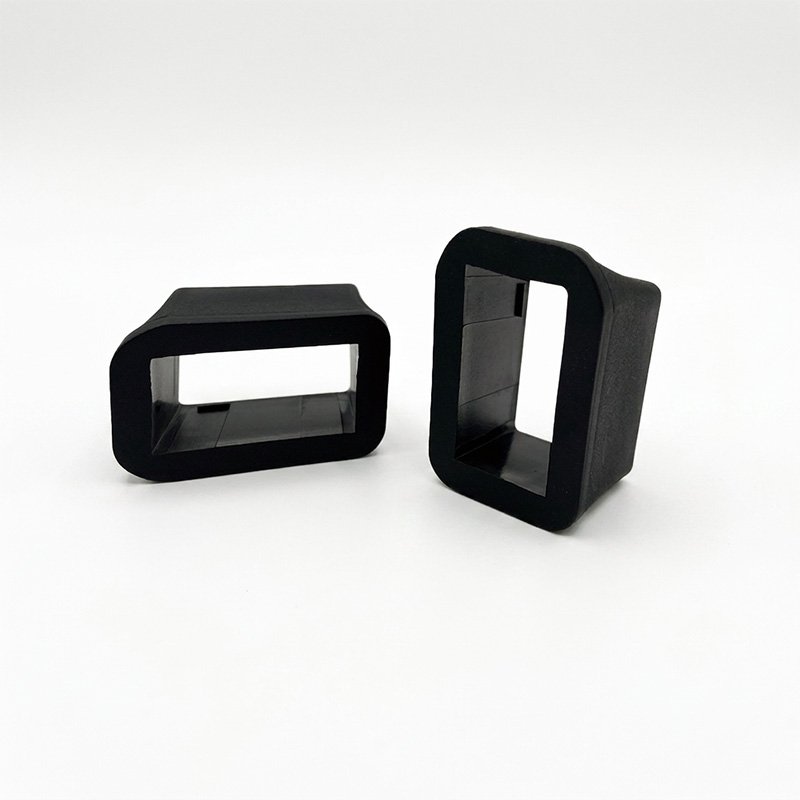
Custom industrial plastic parts for automation systems and industrial machinery applications.
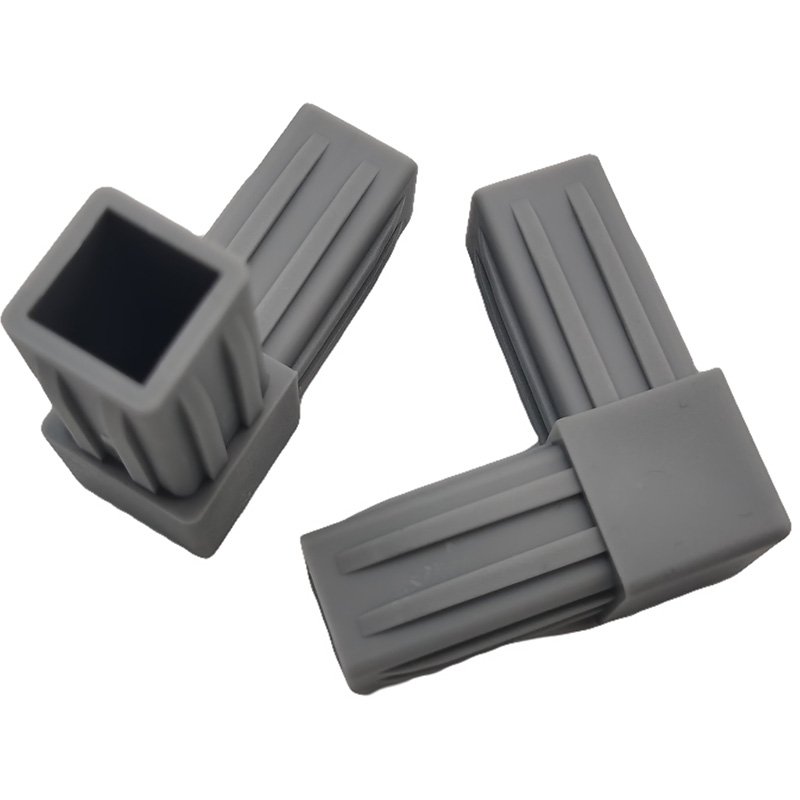
Custom injection molded components for furniture hardware, connectors, handles, and assembly fittings.
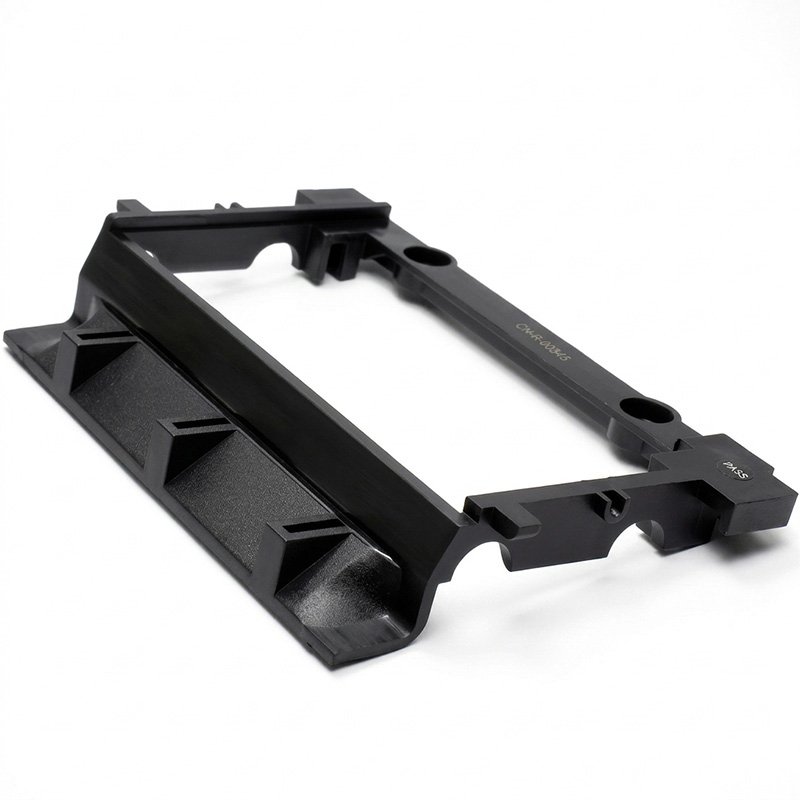
Durable household injection molded parts for kitchen appliances and appliance housing electronic products.
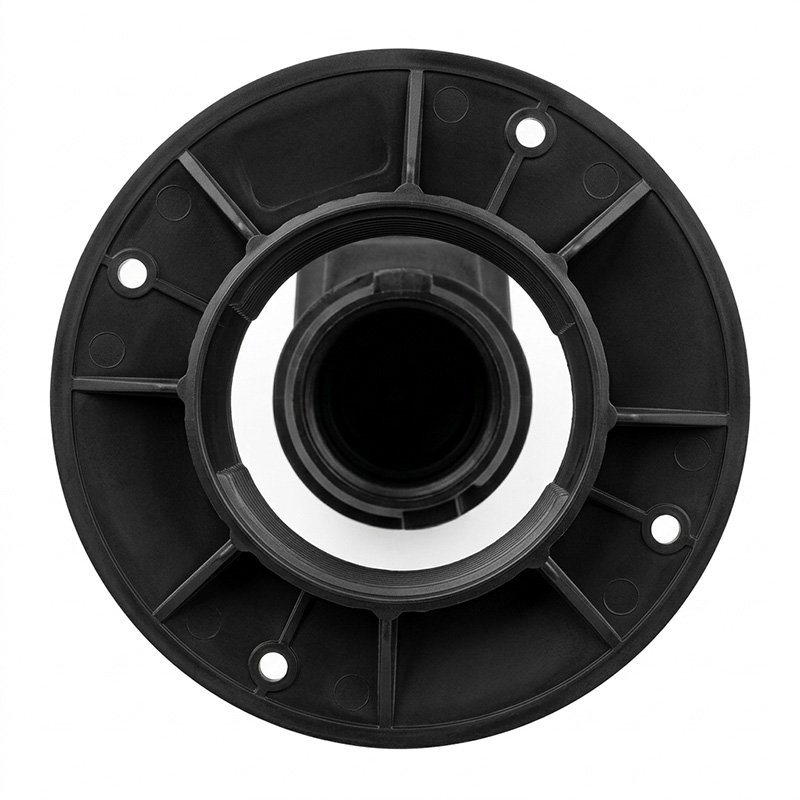
Precision injection molded parts for fitness devices, sports accessories, and outdoor product applications.
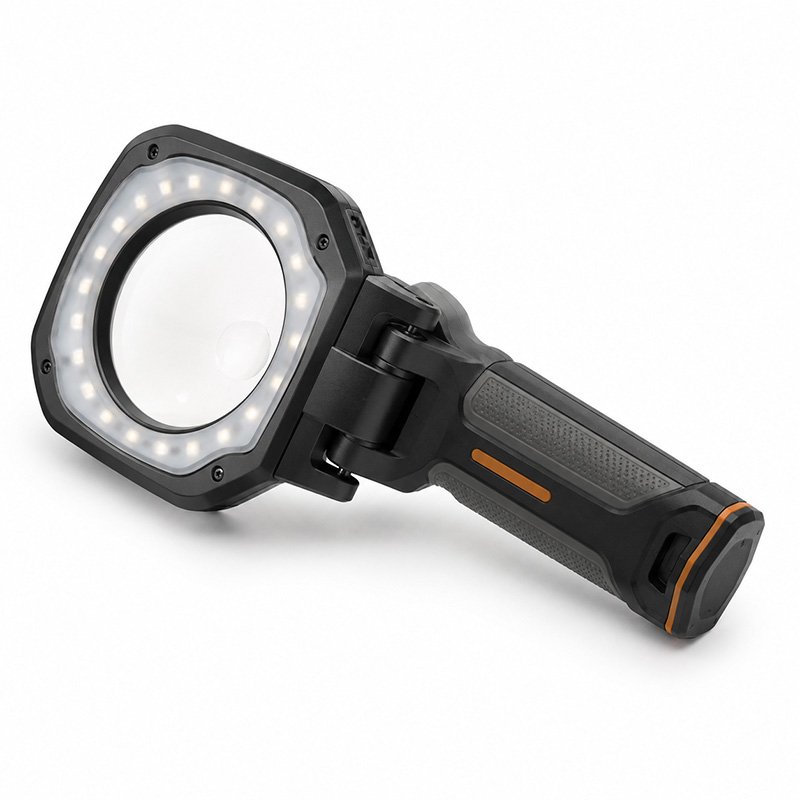
Injection molded plastic parts for LED lighting systems, lamp housings, and lighting accessories.
Advanced Scientific Injection Molding Processes
From two-shot molding and insert molding to overmolding, we provide specialized molding solutions for complex plastic components. Designed to improve functionality, assembly efficiency, and product performance.

No 3D drawings? We can work from sketches, reference images, or existing samples to develop CAD files, build molds, and support mass production.

Precision mold manufacturing helps improve product quality, reduce production risks, and support consistent mass production.

Rapid prototyping using CNC machining and 3D printing helps verify design feasibility and reduce development risks before mass production.

22 advanced machines support the mass production of plastic parts made from various materials and featuring complex shapes.

Insert-molded plastic structural components combine metal and plastic to achieve high strength and a compact design.

Overmolding is a process in which a soft material is molded over a hard substrate to improve grip, cushioning, and sealing performance.

Our tooling transfer process includes mold inspection, repair, and optimization to ensure a smooth transition and reliable mass production.

To simplify your supply chain, we also provide surface finishing, assembly, testing, custom packaging, warehousing, and logistics support.
End-to-End Manufacturing Support
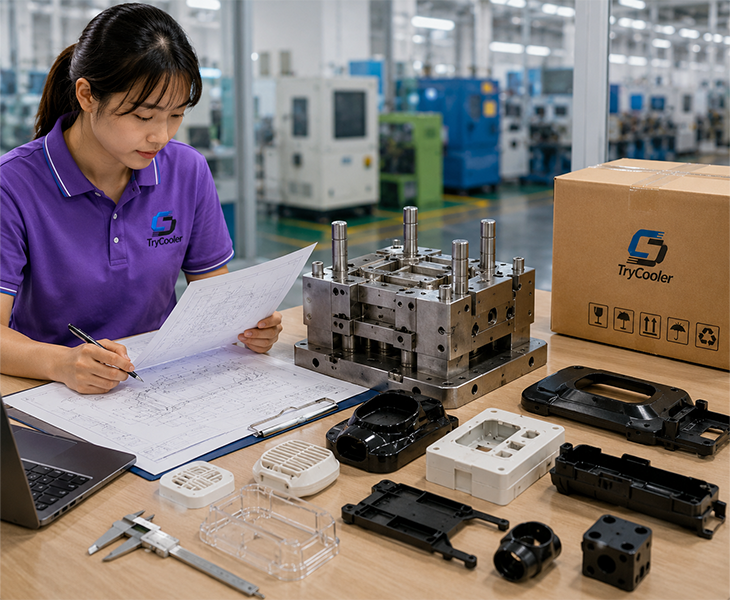
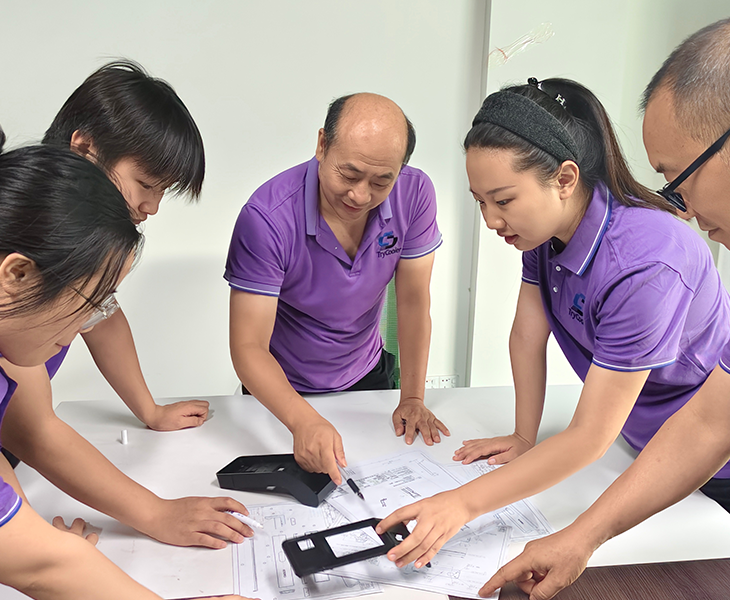
Our engineering team provides end-to-end support, from DFM analysis and material selection to mold development and injection molding optimization. Whether you’re validating a prototype or preparing for mass production, we help you mitigate manufacturing risk and move your project forward with confidence.
Engineering Support to Reduce Manufacturing Risks
Successful injection molding projects depend on more than machines. They require the right engineering decisions before production begins. From material selection and DFM analysis to tooling strategy and process optimization, our team helps you identify potential manufacturing risks early, reducing development costs and improving production reliability.
Resources for Injection Molding

Download your standard DFM checklist and sample report to identify molding risks like shrinkage, warpage, and weld lines before tooling.

Based on your budget and application, we’ll recommend the materials best suited for your project. If you have specific material requirements, please feel free to contact us.

TryCooler holds quality and compliance certifications, including ISO 9001:2015, IATF 16949, and RoHS.
From Idea to Production
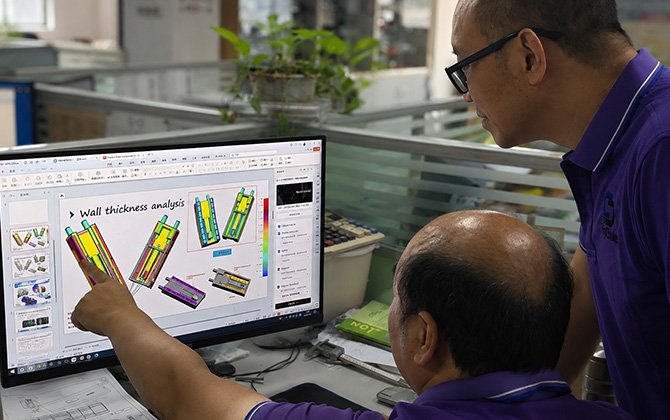
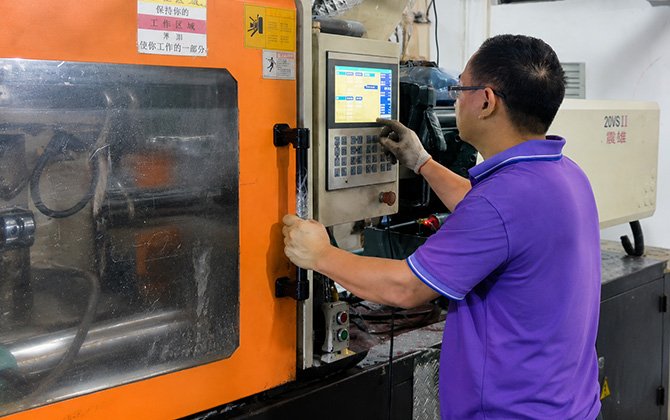
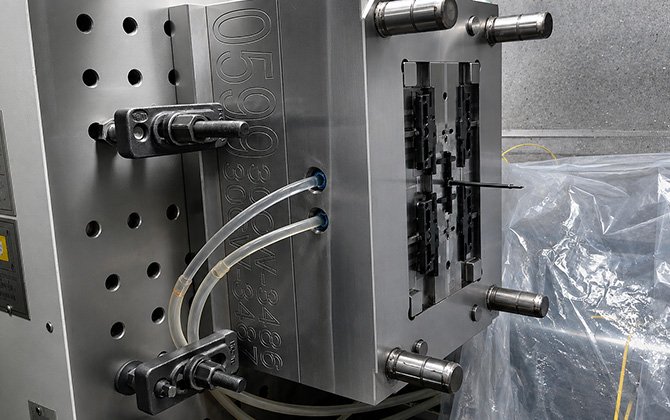
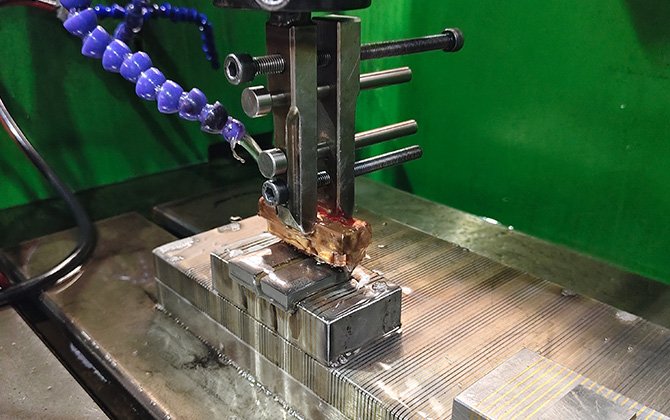
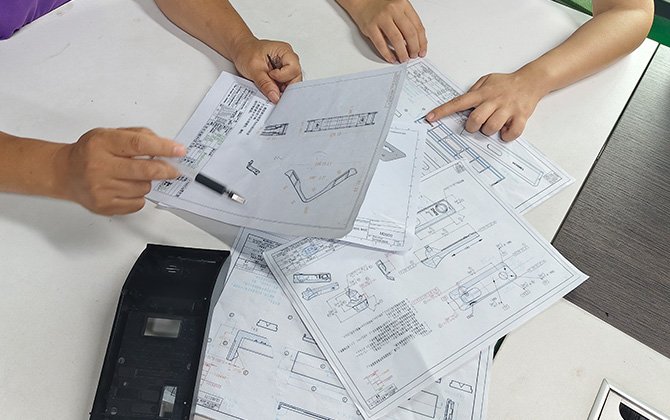
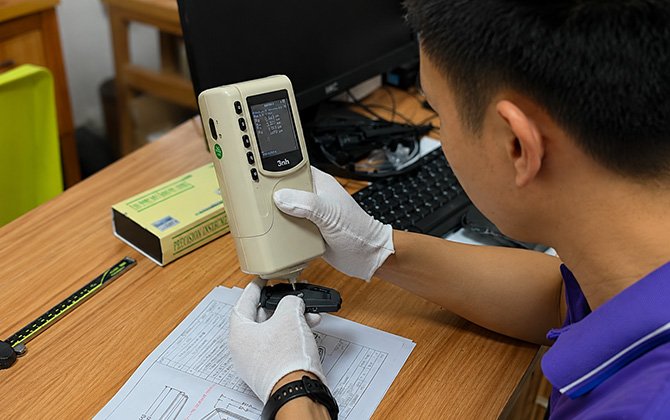
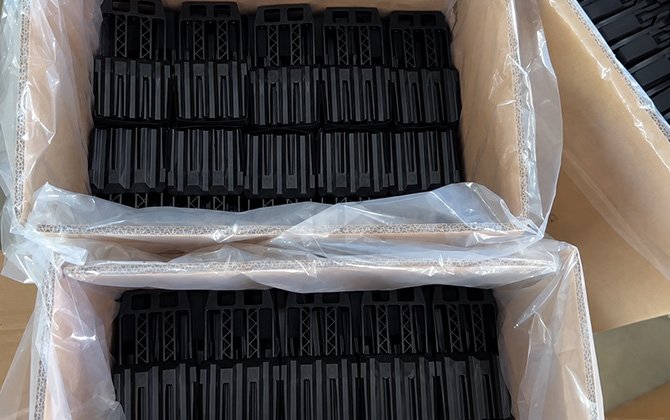

TryCooler is a one-stop injection molding manufacturer specializing in custom plastic injection molding services, mold design, mold manufacturing, and the mass production of precision plastic parts. We offer end-to-end services ranging from product development, DFM analysis, and material selection recommendations to mold engineering, injection molding, and post-processing. Leveraging our robust engineering capabilities and rigorous quality control system, we help accelerate your product development process and bring your products to market faster.
Why Choose Our Injection Molding Services
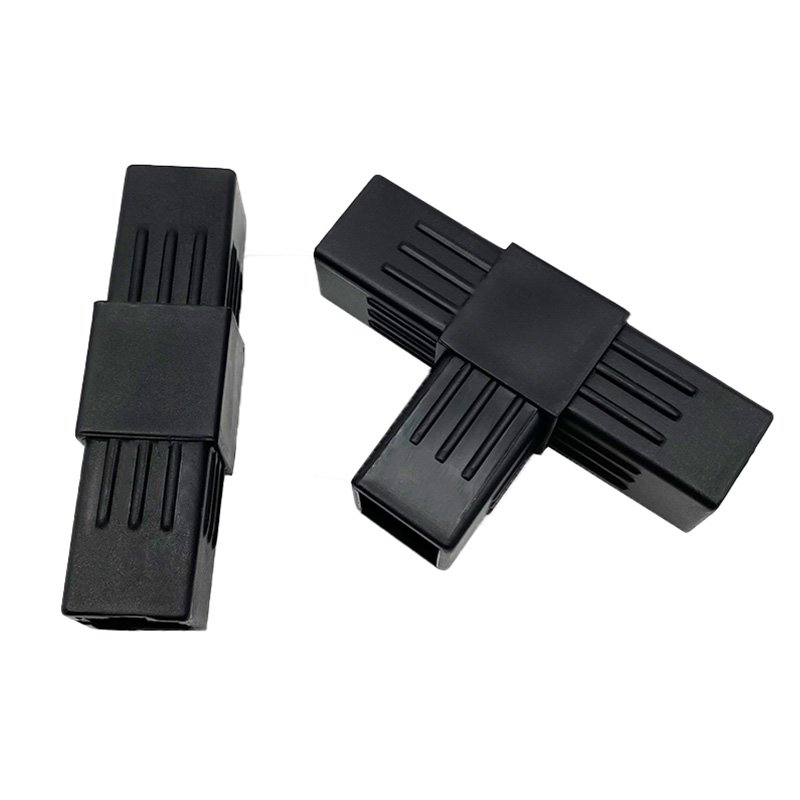
A European customer required over 150,000 plastic square tube connectors with precise fit and long-term durability. Through material optimization and mold design improvements, we reduced cracking issues by 35% improved assembly consistency.
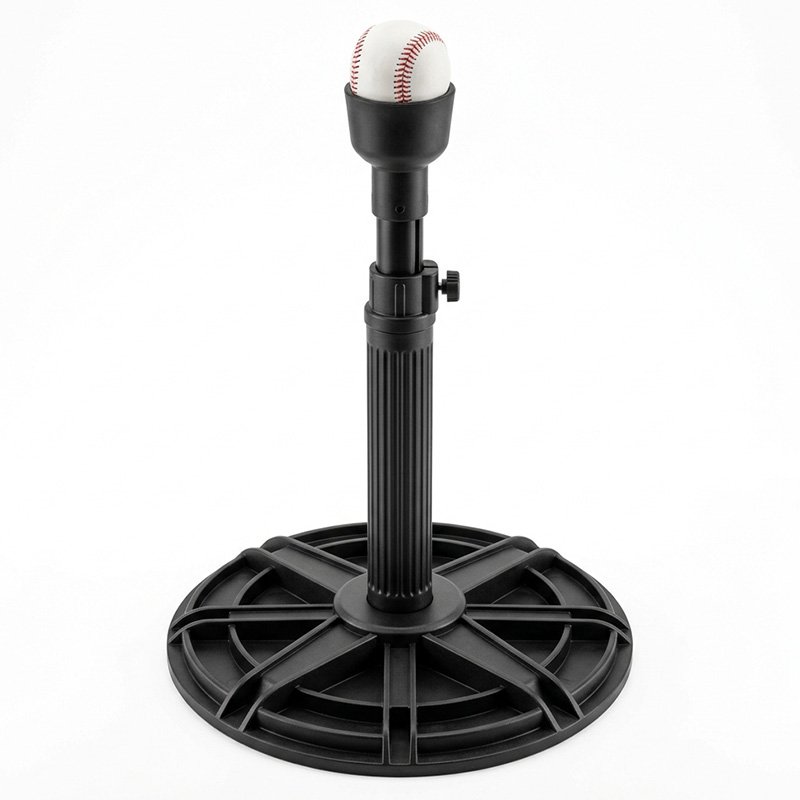
A U.S. customer required more than 20 custom plastic components, final assembly, and retail packaging for a baseball training aid. Through one-stop manufacturing and assembly support, we reduced supplier coordination costs, shortened lead times by 25%, and ensured consistent quality across the entire product line.

An Australian pet product brand needed a reliable manufacturing partner to support the launch of its smart pet automatic feeder. By optimizing part design, molding processes, and quality control standards, we achieved a 98%+ production yield, reduced assembly defects by 30%, and ensured stable mass production of more than 80,000 parts.
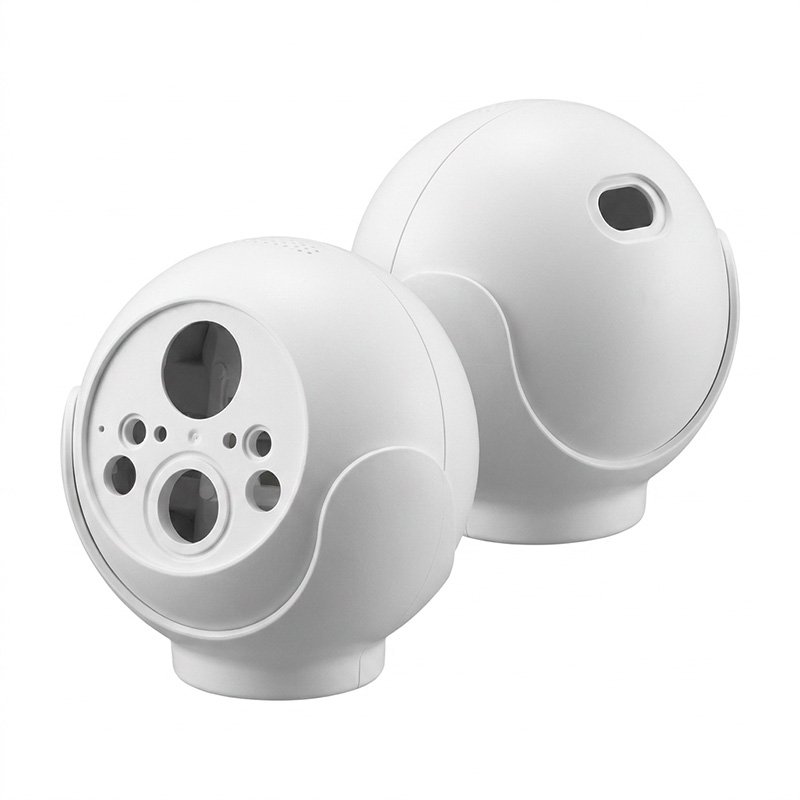
A North American electronics brand requires PC enclosures with exceptional optical clarity. Through mold polishing and precise molding control, we achieve high transparency, minimize flow marks, and enhance the overall appearance of the product.
Injection Molding Material and Secondary Processing
- Material
- Common Surface Treatment Options
| Material | Full Name | Key Features / Value Proposition | Typical Applications |
| PP | Polypropylene | Lightweight, chemical resistant, cost-effective | Containers, caps, automotive interior parts, household products |
| ABS | Acrylonitrile Butadiene Styrene | Excellent appearance, impact resistance, and easy to finish | Electronic housings, appliance panels, consumer products |
| PE | Polyethylene (HDPE / LDPE) | Chemical resistant, moisture resistant, durable | Containers, pipe fittings, industrial products |
| PS | Polystyrene | Rigid, easy to process, economical | Packaging, display products, consumer goods |
| PVC | Polyvinyl Chloride | Corrosion resistant, flame retardant, moisture resistant | Electrical housings, cable accessories, and industrial parts |
| PC | Polycarbonate | High transparency and impact resistance | Light covers, protective housings, optical components |
| PA | Polyamide (Nylon) | High strength, wear resistance, lightweight metal replacement | Gears, bearings, automotive functional parts |
| POM | Polyoxymethylene | Low friction, dimensional stability, long service life | Gears, latches, sliders, precision mechanisms |
| PBT | Polybutylene Terephthalate | Heat resistance and electrical insulation | Connectors, switches, sensors, and electrical housings |
| PET / PETG | Polyethylene Terephthalate | Strength, dimensional stability, transparency | Transparent housings, packaging, display components |
| PMMA | Polymethyl Methacrylate | Crystal-clear transparency, high-gloss appearance | Display panels, transparent covers, and lighting components |
| TPU | Thermoplastic Polyurethane | Soft touch, abrasion resistance, flexibility | Grips, seals, and overmolded parts |
| TPE | Thermoplastic Elastomer | Soft touch, flexibility, comfort | Wearables, seals, consumer products |
| PC+ABS | Polycarbonate + ABS Blend | Combines toughness with a premium appearance | Consumer electronics, automotive interiors, smart devices |
| PA66+GF30 | 30% Glass Fiber Reinforced Polyamide 66 | High stiffness and structural strength | Automotive brackets, industrial equipment parts |
| PP+GF20 | 20% Glass Fiber Reinforced Polypropylene | Lightweight with improved rigidity | Appliance components, automotive structural parts |
| ASA | Acrylonitrile Styrene Acrylate | UV and weather resistance | Outdoor products, lighting, equipment housings |
| PPS | Polyphenylene Sulfide | Excellent heat and chemical resistance | Automotive, industrial, and electrical applications |
| PEI | Polyetherimide | High temperature resistance and dimensional stability | Medical devices, aerospace, electronics |
| PEEK | Polyether Ether Ketone | Outstanding mechanical and thermal performance | Medical, aerospace, high-end industrial components |
| LCP | Liquid Crystal Polymer | Ultra-thin wall molding and dimensional stability | Connectors, electronics, precision components |
Not sure which material is right for your project? Our engineers can recommend the most suitable option based on performance, appearance, environment, and budget.
| SPI Finish | Appearance | Typical Applications |
| SPI-A1 | Mirror-like high gloss finish | Optical parts, transparent covers, display windows |
| SPI-A2 | High gloss finish | Premium consumer electronics, cosmetic parts |
| SPI-A3 | Glossy finish | Appliance housings, consumer products |
| SPI-B1 | Semi-gloss finish | Electronic enclosures, automotive trim |
| SPI-B2 | Fine semi-gloss finish | General-purpose molded parts |
| SPI-B3 | Light matte finish | Functional consumer products |
| SPI-C1 | Matte finish | Industrial housings, appliance components |
| SPI-C2 | Medium matte finish | Automotive interior parts |
| SPI-C3 | Standard matte finish | Structural and functional components |
| SPI-D1 | Light textured finish | Handheld products, handles |
| SPI-D2 | Medium textured finish | Outdoor products, durable housings |
| SPI-D3 | Heavy textured finish | Anti-slip surfaces, industrial equipment |
How to Work With TryCooler
Working with TryCooler is simple. From custom plastic part design and DFM analysis to injection mold manufacturing, plastic injection molding, assembly, and delivery, our engineering team supports every stage of your project to help reduce manufacturing risks and achieve reliable mass production.
Upload your CAD files, 3D drawings, samples, or product requirements. Our engineers review your project and recommend the most suitable manufacturing solution based on your design, application, and production goals.
Receive a detailed Design for Manufacturability (DFM) analysis, material recommendations, and engineering feedback to improve manufacturability, optimize part design, and reduce tooling risks before production begins.
Validate fit, function, and appearance through a few days of rapid prototyping, CNC machining, or 3D printing before investing in production tooling, helping reduce development costs and avoid costly design changes.
Our mold makers develop precision injection molds using advanced CNC machining, EDM, and wire cutting technologies to ensure tooling accuracy, production efficiency, and long-term manufacturing stability.
After sample approval, we begin custom injection molding production using scientific molding processes, in-process quality control, and dimensional inspection to ensure consistent part quality and stable mass production.
We provide assembly, surface finishing, functional testing, custom packaging, and global logistics support to simplify your supply chain and help bring your products to market faster.
Customer Reviews of the Injection Molding Service
This was our first time working on a custom injection moulding project, and it truly exceeded our expectations. Communication was excellent throughout the mould development phase, particularly regarding Design for Manufacturing (DFM) feedback and sample approval. The final injection-moulded parts matched our design drawings perfectly in both structure and appearance.
 Marcus VanceSenior Product Designer, Electronics Brand
TryCooler helped our equipment develop a series of injection-molded components with extremely high precision and completed the assembly of the entire product. They provided strong engineering support during the mold design optimization process and helped us avoid potential assembly problems.
 Dr. Sarah JenkinsSupply Chain Manager, Consumer Goods Corp
We have been working together on a long-term injection moulding project for plastic components used in car interiors. The mould has performed reliably in mass production, with consistent product quality across all batches. They also provide complimentary mould maintenance, and their injection moulding process control is highly reliable, which gives us every confidence in our long-term supply partnership.
 Elena RostovaProcurement Director, Automotive Solutions
Choosing the right material depends on your product’s function, environment, and cost target. For example, PP is suitable for low-cost and chemical-resistant parts, while ABS is better for rigid housings with good appearance. PC is used when high impact resistance or transparency is required. We help you evaluate mechanical strength, temperature resistance, and production cost to recommend the most suitable material for your application.
Material cost is influenced by resin type, performance grade, and market price fluctuations. Engineering plastics like PC, PA, or POM are more expensive than PP or PE. Additives such as glass fiber, flame retardants, or UV resistance also increase cost. We help you balance performance and budget by suggesting cost-effective material alternatives when possible.
Yes, cost optimization is one of our core engineering services. We analyze part geometry, material selection, and mold structure to identify cost-saving opportunities such as wall thickness reduction, part consolidation, or material substitution. The goal is to maintain function and quality while reducing tooling and unit production cost.
To provide an accurate quotation, we usually need 3D CAD files (STEP/STP format), product material requirements, estimated order quantity, and surface finish requirements. If drawings are not available, we can work from samples or concept sketches. Based on this information, we evaluate mold structure, cavity design, and production cost to give you a detailed and transparent quotation.
Our injection molding service covers the full process: product design review, mold design, mold manufacturing, sample testing, mass production, surface finishing, and assembly if required. You do not need to manage multiple suppliers. We ensure all steps are controlled under one system, which improves consistency, reduces communication costs, and shortens development time.
Yes, we support prototype runs and low-volume production for market testing. This allows you to validate product function, assembly, and market response before committing to a large tooling investment. For some projects, we also offer bridge tooling or simplified molds to reduce upfront cost while maintaining functional verification capability.
Our quality management system operates in accordance with standards such as ISO 9001:2015 and IATF 16949, whilst our products comply with standards for various markets, including CE, REACH, and RoHS, ensuring strict adherence to international quality and safety regulations. Every stage of our production process is overseen by a dedicated quality control team and utilises advanced testing equipment to ensure that our products consistently maintain the highest standards of quality and reliability.
Engineering Insights for Better Product Development
What Makes Multi-Cavity Molds More Difficult to Control?
Multi-cavity molds can significantly improve production efficiency, but maintaining dimensional consistency across all cavities requires careful balancing of mold design, cooling performance, and process parameters. Even small variations can affect part quality during high-volume production.
When Should Family Molds Be Used?
Family molds can produce multiple related components in a single molding cycle, reducing tooling investment and improving production efficiency. However, they require careful consideration of part size, material flow, and production volume to ensure balanced filling and consistent quality.
What Is the Difference Between Hot Runner and Cold Runner Systems?
Hot runner systems reduce material waste and improve cycle efficiency by keeping resin molten within the mold. Cold runner systems are generally more cost-effective for lower-volume projects but generate additional material scrap that may require regrinding.
Why Are Gate Location and Gate Design So Important?
Gate design directly affects material flow, filling balance, weld line formation, shrinkage behavior, and final part appearance. Selecting the appropriate gate type and location is often critical for achieving stable production and minimizing cosmetic defects.
What Factors Affect Mold Life?
Mold life depends on material selection, tooling steel grade, mold maintenance, production volume, and molding conditions. Proper mold maintenance and process control can significantly extend tool life and reduce long-term manufacturing costs.
When Is Two-Shot Molding a Better Choice Than Assembly?
Two-shot molding combines multiple materials or colors into a single molding cycle, reducing secondary assembly operations and improving product appearance, sealing performance, and overall manufacturing efficiency.
How Does Glass Fiber Reinforcement Affect Part Performance?
Glass-filled materials improve stiffness, strength, and dimensional stability but may also increase mold wear and influence surface appearance. Material selection should consider both mechanical requirements and manufacturing considerations.
Why Do Some Parts Require Mold Flow Analysis?
Complex geometries, thin-wall structures, large parts, and cosmetic surfaces often benefit from mold flow analysis. Simulation helps predict filling behavior, air traps, weld lines, and potential deformation before tooling begins.
Let’s Explore Your Project Together
We’re always happy to discuss new ideas, product requirements, and manufacturing challenges. Feel free to reach out to our team—we look forward to hearing about your project.