
Request a Free Quote for Custom PP Parts
Send us your 3D drawings, samples, or project requirements. Our team will review your PP part structure, material needs, mold feasibility, estimated quantity, and production requirements to provide a clear mold cost, unit price, MOQ, lead time, and manufacturing suggestions.


Trusted by OEM Customers, Engineers, and Sourcing Teams Worldwide










Polypropylene Injection Molding Capability
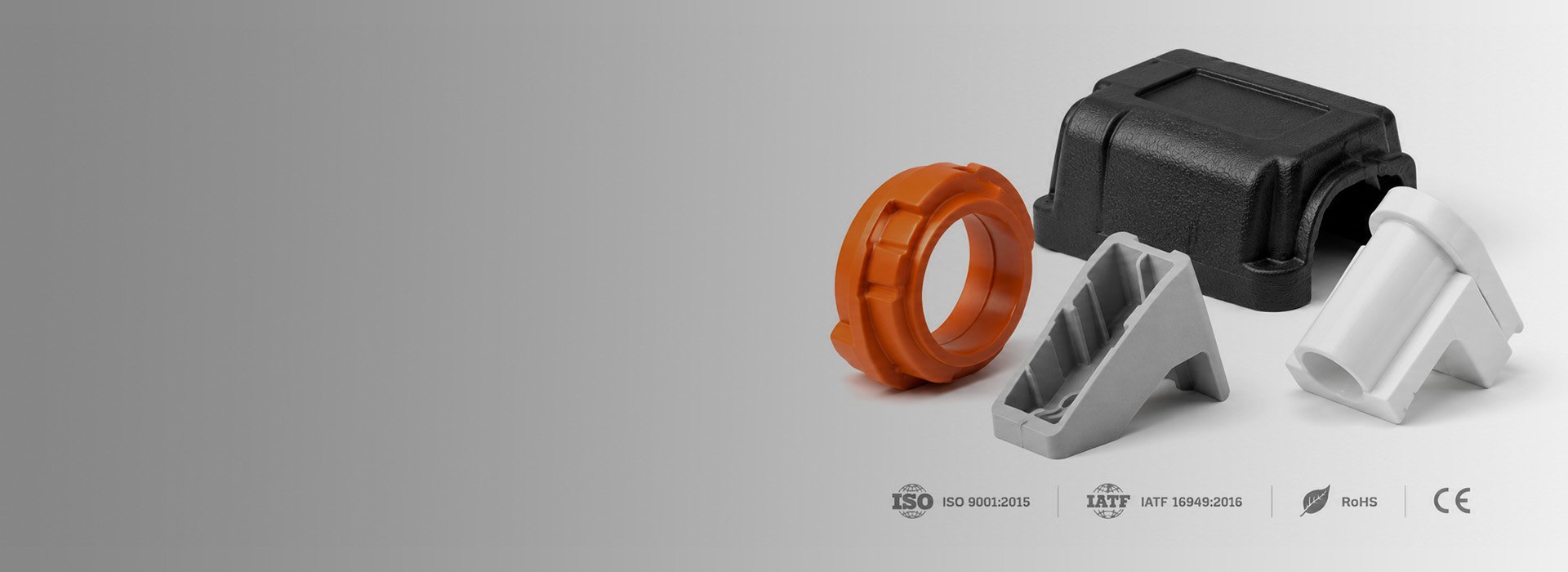
Explore PP molded parts designed for different technical requirements, from dimensional accuracy and reinforced materials to insert molding, overmolding, translucent parts, and industrial functional components.
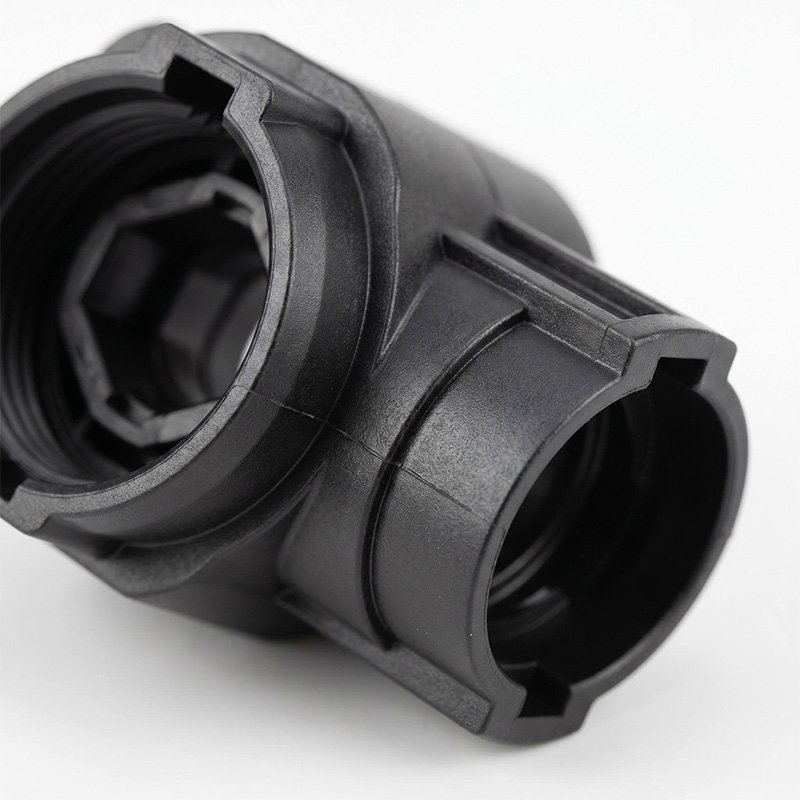
PP parts designed for better dimensional consistency, assembly fit, and functional accuracy.
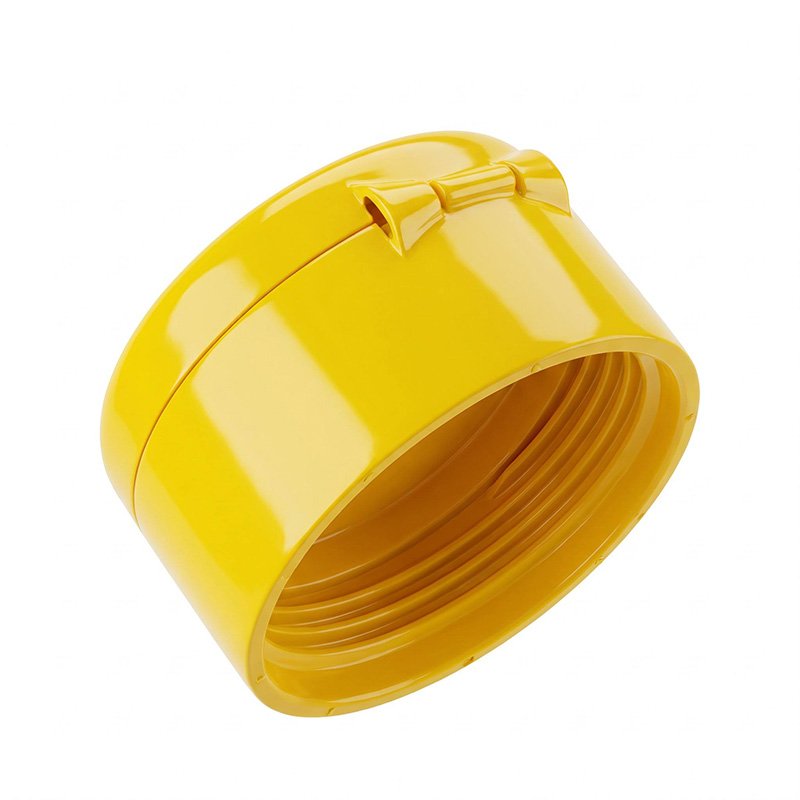
PP parts are made with reinforced, glass-filled, UV-resistant, flame-retardant, high-impact, or application-specific polypropylene material options.
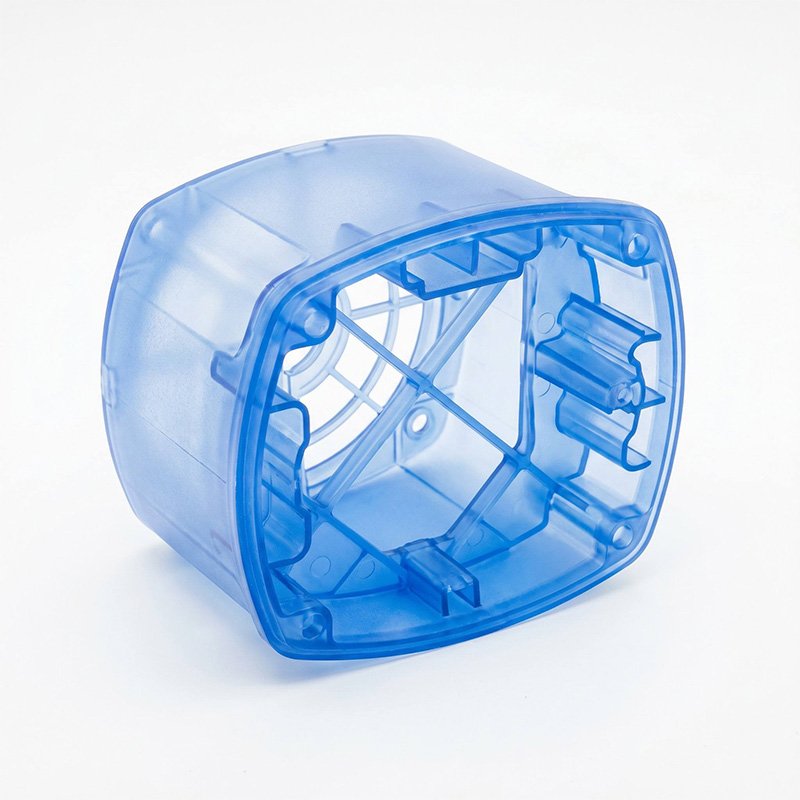
Molded PP parts for applications that require light visibility, translucent appearance, or semi-clear visual effects.
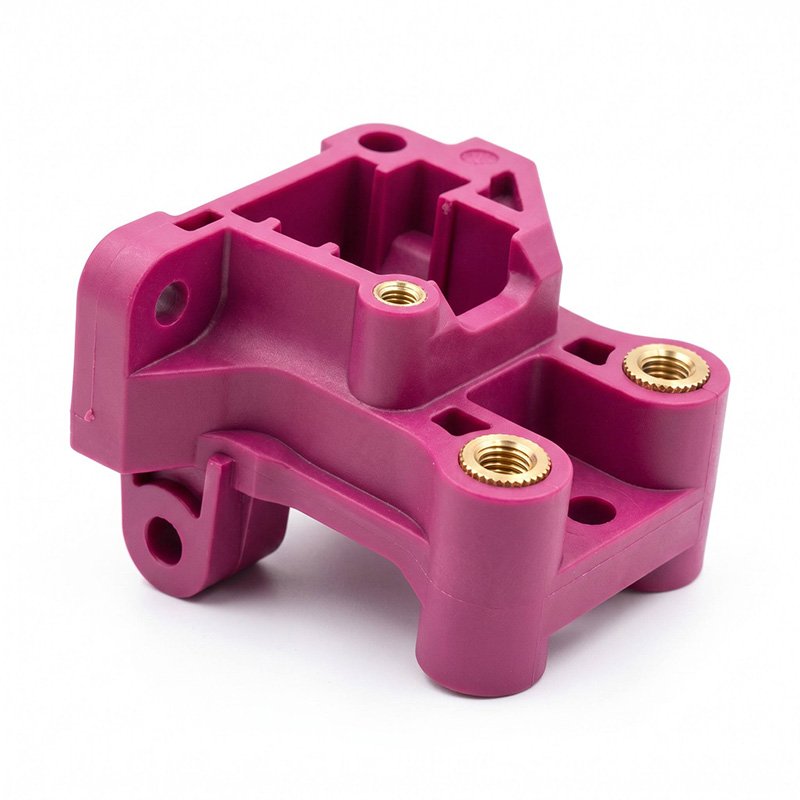
PP components combined with metal inserts, threaded parts, shafts, or hardware for stronger functional integration.
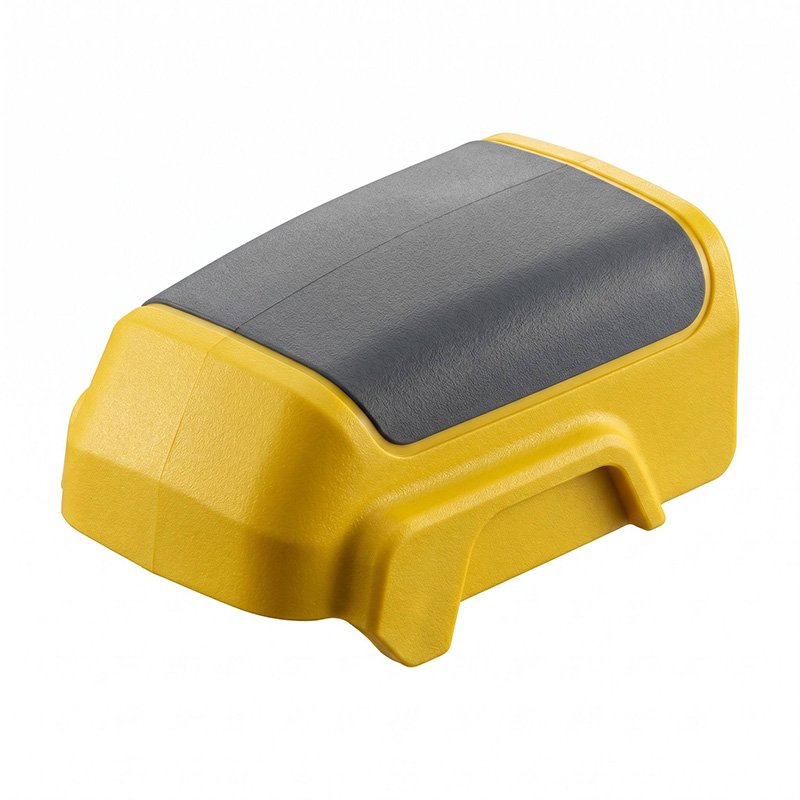
Multi-material molded parts are designed for better grip, protection, sealing, comfort, or functional performance.
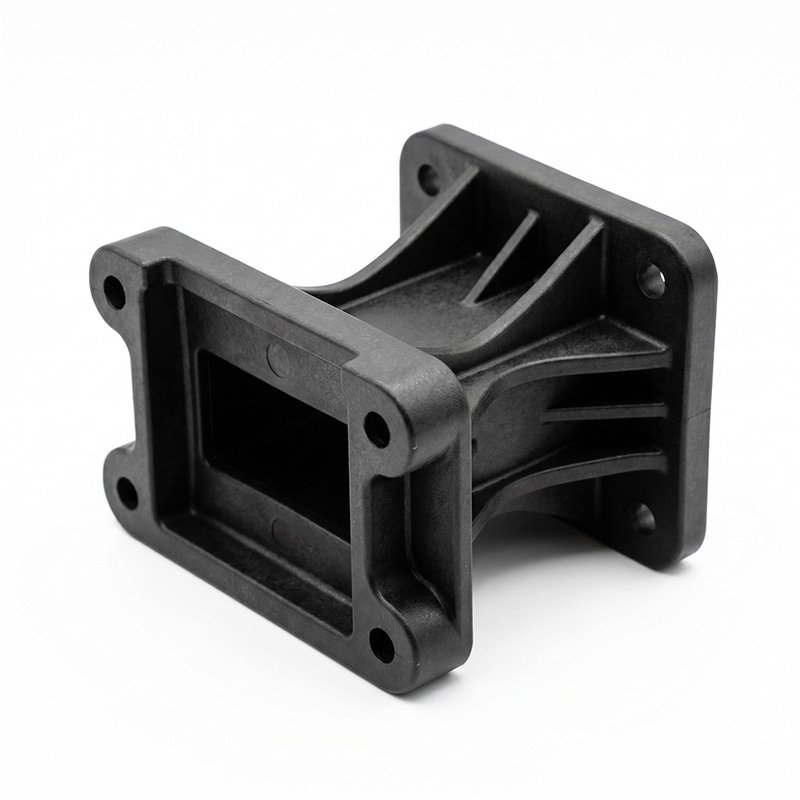
Functional PP parts used for equipment protection, fixing, support, guiding, mounting, and structural applications.
PP Material Advantages for Real Applications

PP is suitable for PP plastic boxes, storage boxes, covers, and household components where lower weight and practical strength are important.

PP storage boxes, pet product parts, bathroom accessories, and cleaning product components can benefit from polypropylene’s moisture-resistant performance.

PP can be a practical material choice for cleaning product parts, industrial components, equipment covers, and parts exposed to mild chemical environments.

PP works well for clips, snap-fit structures, flexible fixing parts, and repeated-assembly designs that require bending resistance.

For PP plastic boxes, storage products, plastic connectors, brackets, covers, and functional molded parts, PP helps control unit cost in medium- to high-volume production.

General-purpose PP, UV-resistant PP, reinforced PP, flame-retardant PP, and cost-sensitive PP options can be evaluated based on your application.

PP parts can be molded into different shapes, colors, sizes, textures, and functional structures per drawings, samples, or project requirements.

From PP plastic boxes to connectors, brackets, clips, covers, housings, and industrial components, polypropylene supports a wide range of custom molded applications.
Review Your PP Part Design Before Mold Making
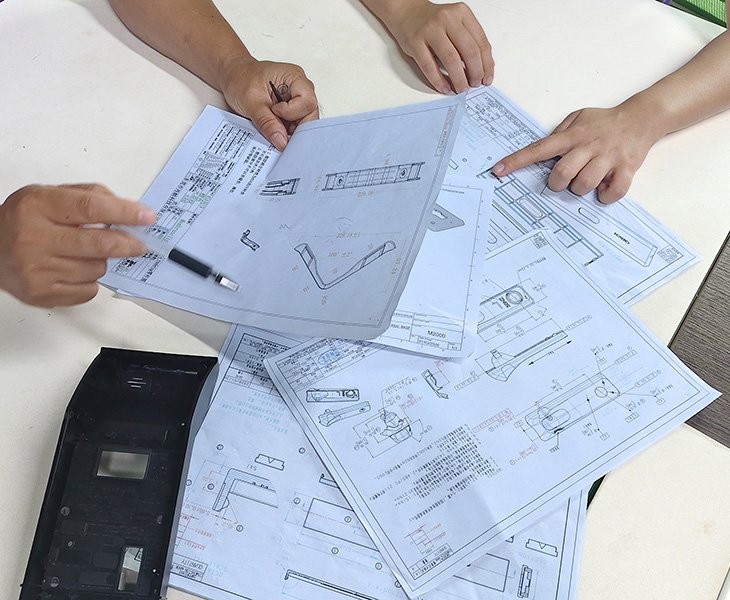
Our engineering team provides a free DFM review before tooling to evaluate PP material suitability, shrinkage risk, wall thickness, draft angles, assembly areas, and mold structure. This helps identify design risks early and reduce costly mold changes, T1 sample delays, and production issues.
This DFM review helps identify PP part design risks before tooling starts.
Quality Control for Stable PP Parts Production
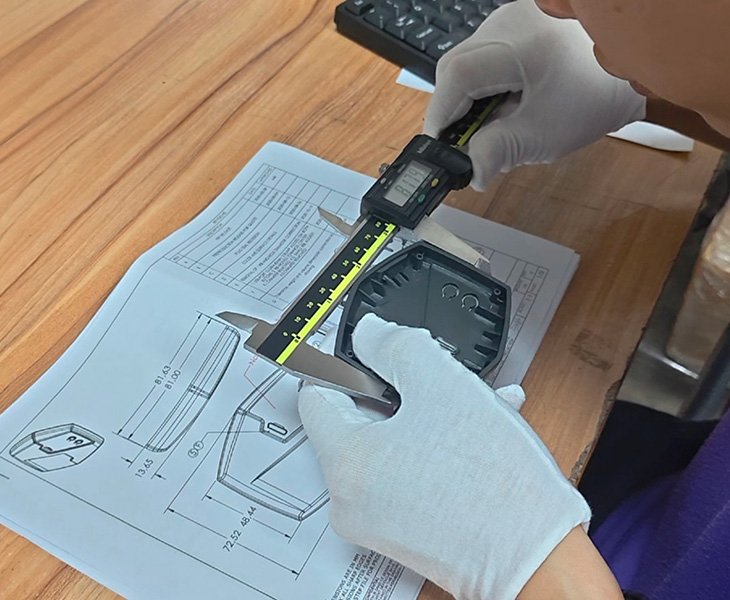
Sample approval is only the first step. During mass production, we control material batches, molding parameters, first article inspection, in-process checks, dimensions, appearance, assembly function, and final inspection to keep PP parts consistent.
Critical dimensions and assembly functions can be checked based on your approved drawing or sample. Inspection reports can also be provided upon request.
More About PP Parts
Not every plastic part should be made with PP. Before mold making, our engineering team helps compare polypropylene with ABS, PE, PA, PC, and other plastics based on product structure, strength needs, flexibility, moisture resistance, chemical exposure, appearance requirements, assembly function, and production cost.
- PP vs Other Plastic Materials
| Material | When It Works Well | What to Consider |
| PP / Polypropylene | Suitable for lightweight parts, PP plastic boxes, storage boxes, connectors, covers, clips, brackets, household parts, pet product parts, and industrial components. | PP is cost-effective and moisture-resistant, but shrinkage, warpage, surface adhesion, and dimensional control should be reviewed before tooling. |
| ABS | Suitable for rigid housings, electronic enclosures, appearance parts, painted parts, and products requiring better surface finish. | ABS usually offers better surface appearance than PP, but it may not be the best choice for moisture resistance, chemical resistance, or living hinge structures. |
| PE / Polyethylene | Suitable for flexible parts, impact-resistant parts, chemical-resistant parts, and applications that need a softer material feel. | PE is flexible and chemically resistant, but it usually has lower rigidity and may not be ideal for parts requiring stable assembly fit. |
| PA / Nylon | Suitable for stronger mechanical parts, wear-resistant components, gears, bushings, and high-load functional parts. | PA offers higher strength and wear resistance, but it absorbs more moisture and may require tighter material and process control. |
| PC / Polycarbonate | Suitable for high-impact parts, transparent parts, protective covers, and applications requiring higher strength. | PC has better impact strength and transparency, but it costs more and may not be needed for cost-sensitive PP parts. |
| POM / Acetal | Suitable for precision moving parts, low-friction components, gears, sliders, and mechanical functional parts. | POM is good for wear and dimensional stability, but it may be over-specified for simple PP functional parts. |
Bottom Note:
If you are not sure whether PP is the right material for your part, send us your drawing, sample, or application requirements. We can help review material options before mold making.
Polypropylene Injection Molding Process
Our polypropylene injection molding process is built to help you move from drawings, samples, or project ideas to stable PP parts production. Each step is reviewed by our engineering, tooling, molding, and quality teams to reduce development risk and improve production consistency.
Send us your 3D drawings, 2D drawings, sample photos, or physical samples. Our team reviews the part structure, application, estimated quantity, and basic production requirements.
We evaluate PP material suitability, wall thickness, shrinkage risk, draft angles, ribs, bosses, snap-fit areas, and assembly requirements before mold making.
Our tooling team designs and manufactures the mold based on part geometry, gate position, cooling layout, ejection method, parting line, inserts, sliders, and production needs.
After the first trial molding, we check dimensions, appearance, assembly fit, and molding stability. Samples are sent for customer review before mass production.
Once samples are approved, we start PP injection molding production with controlled material batches, molding parameters, cooling time, process checks, and production follow-up.
Before shipment, we perform appearance inspection, dimensional checks, assembly function review when needed, final inspection, and delivery coordination.
MOQ depends on part size, mold structure, material requirements, and production process. For new projects, we can review your quantity needs and provide a practical production suggestion.
The quotation generally depends on multiple factors, including part size, structural complexity, the grade of polypropylene (PP) material, mold requirements, order quantity, surface treatment, and assembly requirements.
Mold lead time depends on part complexity, mold structure, cavity number, surface requirements, and engineering review results. After checking your drawings or samples, we can provide a more accurate timeline.
Yes. Our engineering team can help evaluate whether PP is suitable based on your product structure, application environment, strength needs, flexibility, chemical resistance, UV requirements, and cost target.
Yes. We support mold design, mold making, trial molding, PP injection molding production, inspection, assembly, and shipment coordination, helping reduce communication gaps between separate suppliers.
Yes. Before tooling, we can support rapid prototype validation through 3D printing or CNC machining to help you check part structure, assembly fit, appearance, and basic function. After mold completion and sample approval, we can also arrange small-batch trial production to verify molding stability, product performance, packaging, and market feedback before scaling up.
Yes. We respect product confidentiality and can support NDA or NNN agreements before reviewing your drawings, samples, or project details.
Avoid Costly Mistakes Before PP Parts Production
PP is a practical material choice for plastic boxes, storage boxes, connectors, covers, brackets, clips, housings, and functional components. However, if material grade, shrinkage, wall thickness, mold design, and assembly fit are not reviewed before tooling, small design issues may lead to costly mold changes, unstable production, and delayed delivery.
Not Sure If PP Is the Right Material?
Choosing the wrong PP grade may affect strength, flexibility, chemical resistance, UV resistance, dimensional stability, or final product cost.
Your CAD File May Not Be Mold-Ready
A completed 3D design may still pose wall-thickness, draft-angle, rib, boss, snap-fit, undercut, or ejection risks before injection molding.
Shrinkage and Warpage Can Affect Fit
PP parts require shrinkage and warpage control, especially for PP plastic boxes, storage boxes, covers, panels, housings, and large flat surfaces.
Connectors, Clips, and Brackets Need Accurate Assembly
Small changes in hole position, snap-fit structure, connector size, or bracket mounting area may cause assembly problems during mass production.
Good Samples May Not Mean Stable Production
A good T1 sample is only the beginning. Material batches, molding parameters, inspection standards, and shipment preparation must remain under control.
Low Tooling Cost May Hide Future Risk
Low-cost mold design may lead to flash, deformation, short mold life, repeated modifications, delayed delivery, and higher long-term cost.