
Our Custom TPU Parts Manufacturing Capabilities
TryCooler provides practical manufacturing support for custom TPU parts from mold making to stable production, helping your project move forward with clearer process control.
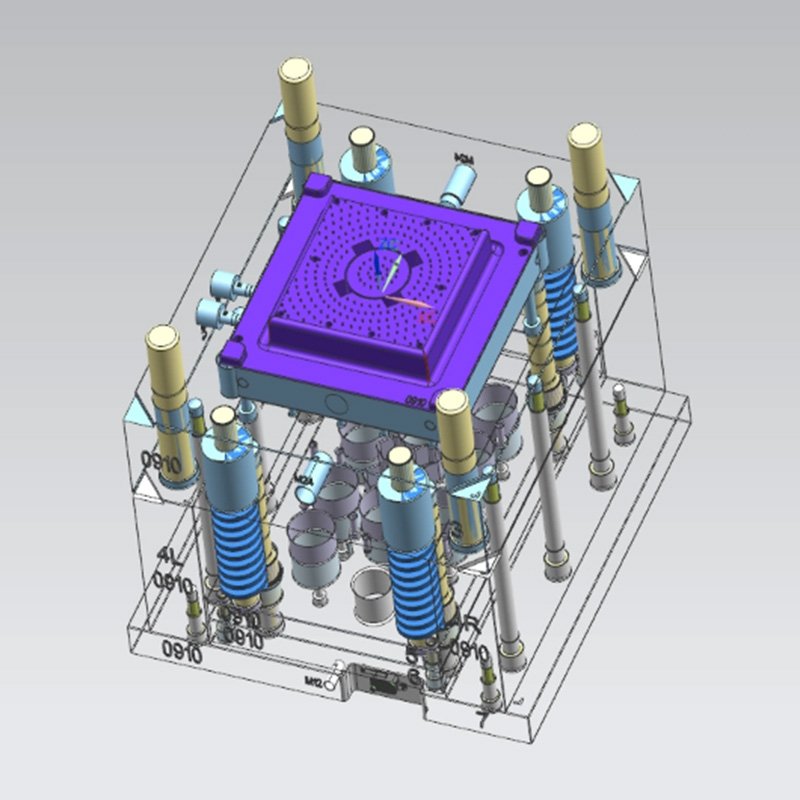
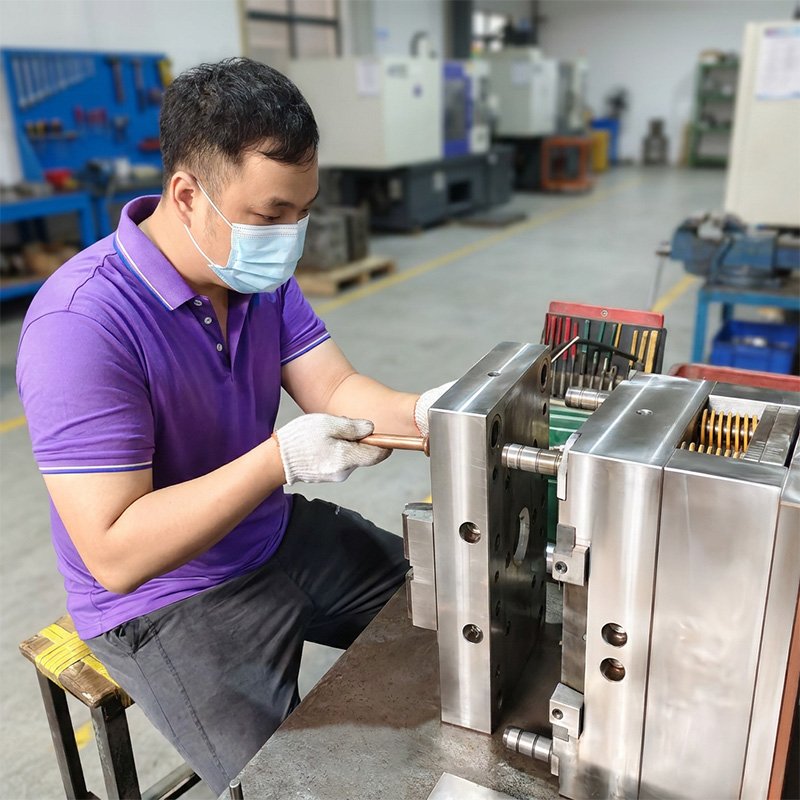
- In-house mold making for custom TPU part structures
- TPU molding process control for stable production
- Overmolding support for soft-touch or protective surfaces
- Mold trial, adjustment, and sample improvement support
- Secondary processing, assembly, and packaging support
- Long-term mold maintenance for repeat production
Custom TPU Parts Built for Actual Use
A TPU part is often where a product is gripped, pressed, sealed, protected, or repeatedly flexed. It needs to work with the surrounding housing, cable, insert, or moving component—not simply match a CAD drawing.
TryCooler develops custom TPU parts around these real contact points, helping the finished part fit naturally into the way the product is assembled, handled, and used.
Custom TPU Parts We Manufacture
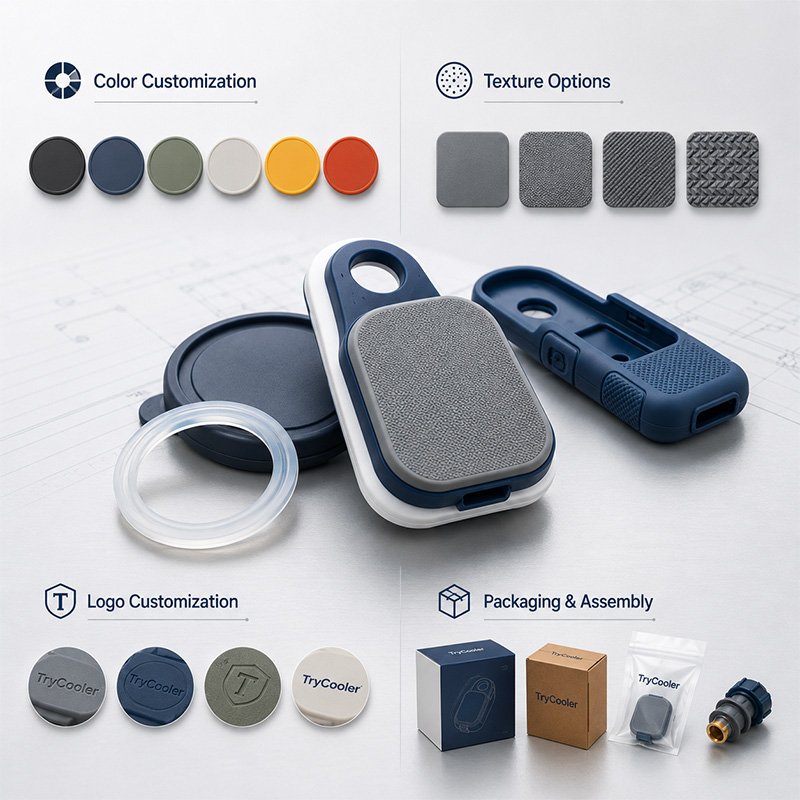
We manufacture a wide range of custom TPU molded parts in different shapes, hardness levels, colors, textures, and functional structures. Whether you need TPU parts for sealing, protection, cable protection, cushioning, anti-slip performance, or overmolding, our team can review your structure and manufacturing requirements before tooling.
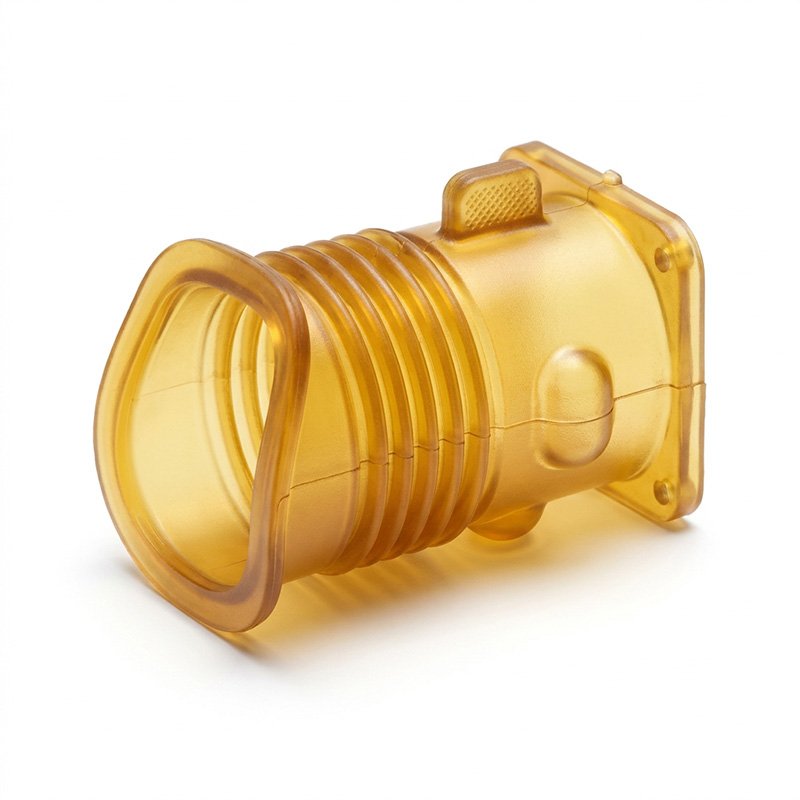
Custom molded TPU parts for sealing, protection, cushioning, grip, and functional applications.
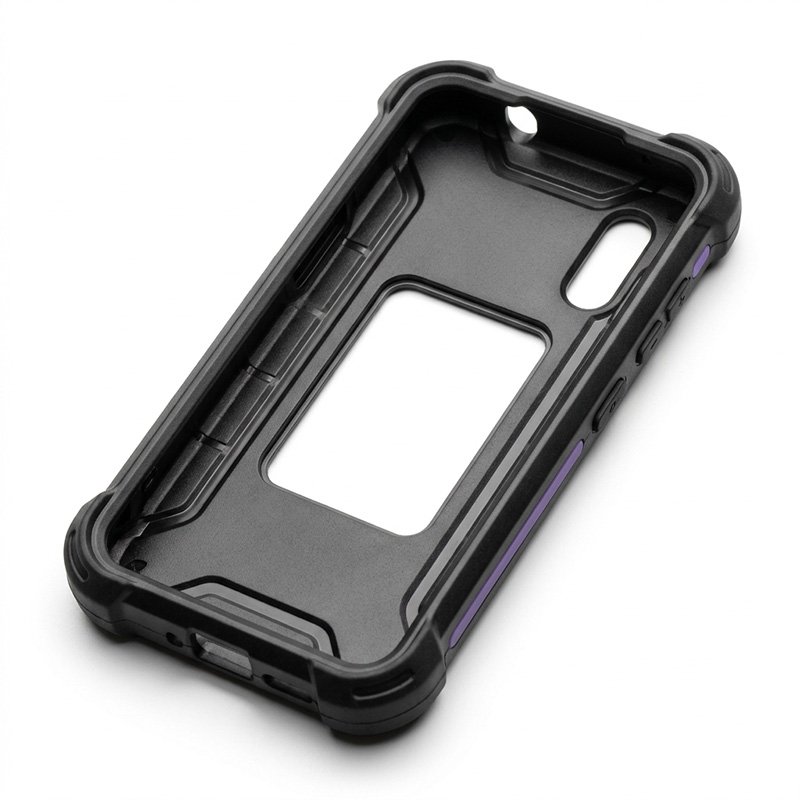
TPU shell parts, soft covers, dust caps, protective sleeves, and corner protectors.
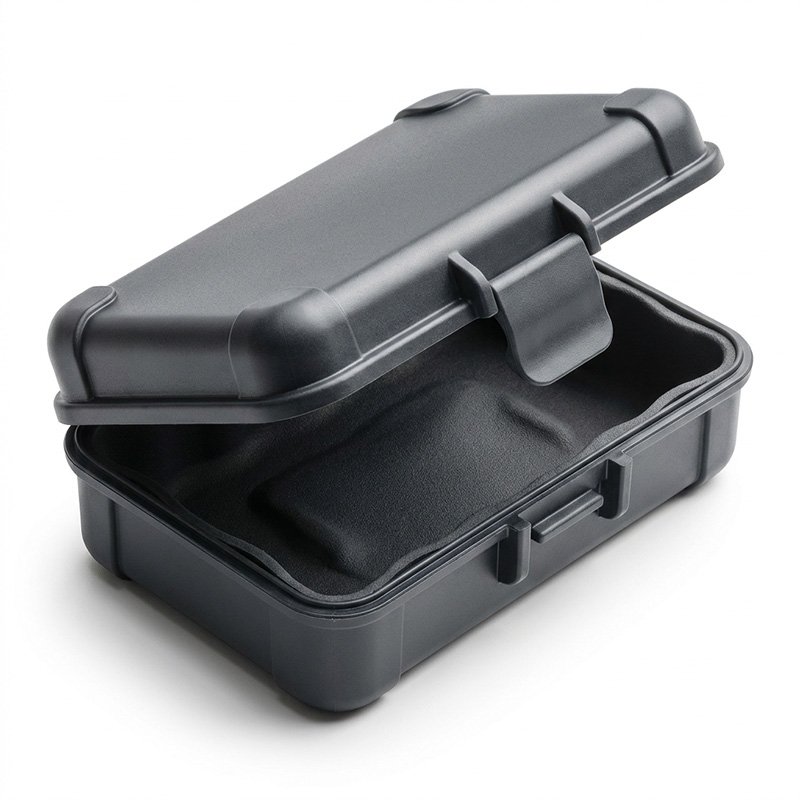
Custom TPU box parts, flexible enclosures, protective cases, and soft housing components.
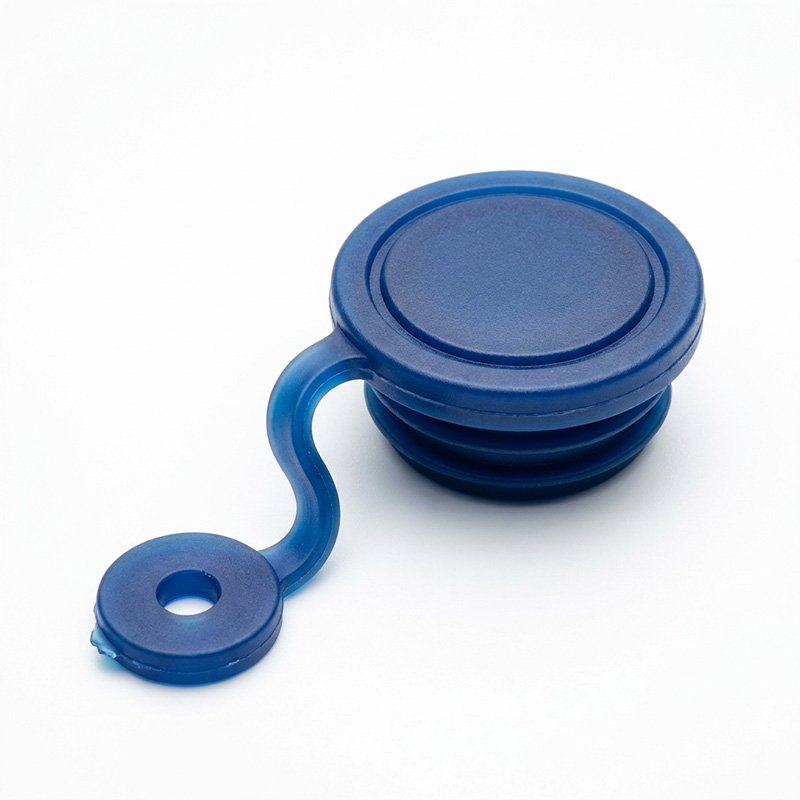
Gaskets, sealing rings, waterproof plugs, flexible seals, and sealing covers.
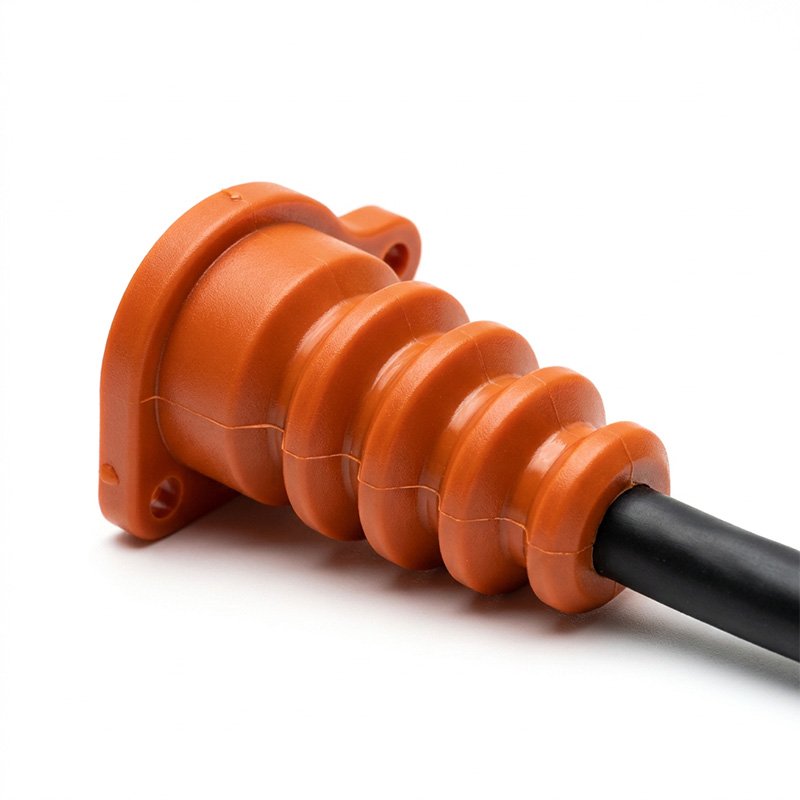
Strain reliefs, connector covers, flexible boots, and wire protection parts.
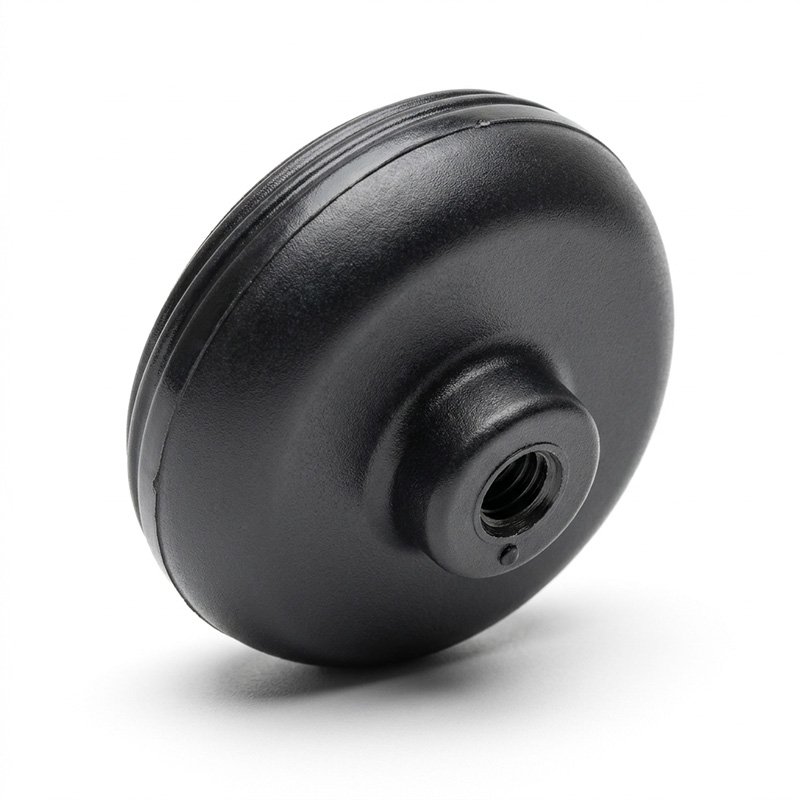
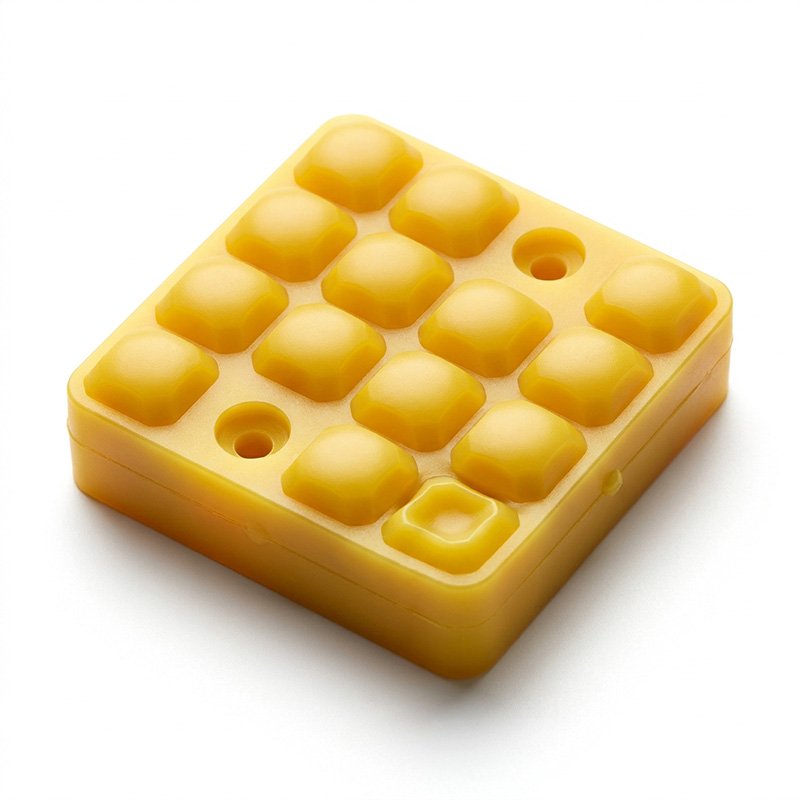
Cushion pads, dampers, shock-absorbing parts, and impact protection components.
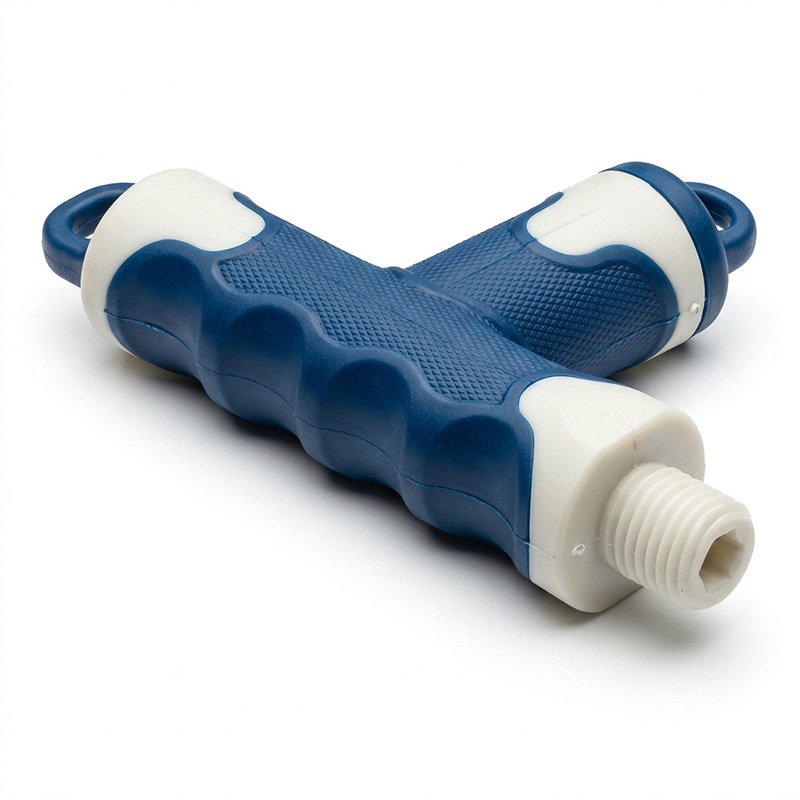
Overmolded grips, handles, soft rings, molded sleeves, and special-shaped TPU components.
Reliable Fast Quoting for TPU Projects
TryCooler uses a mature quoting system to provide a clearer cost plan at the start of each custom TPU project. Long-term cooperation with material suppliers helps maintain a more stable supply chain and reduce unnecessary cost layers.
This supports better production efficiency and makes repeat orders easier to manage as your project develops.
How We Verify Your TPU Parts
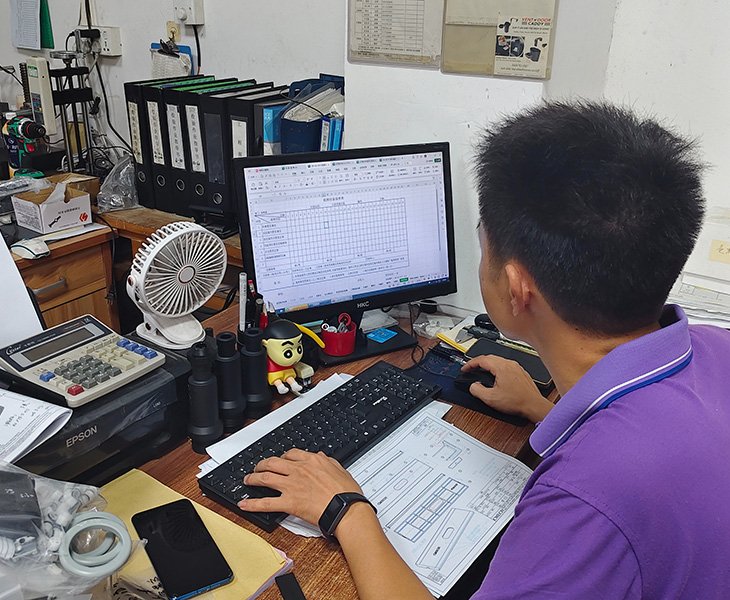
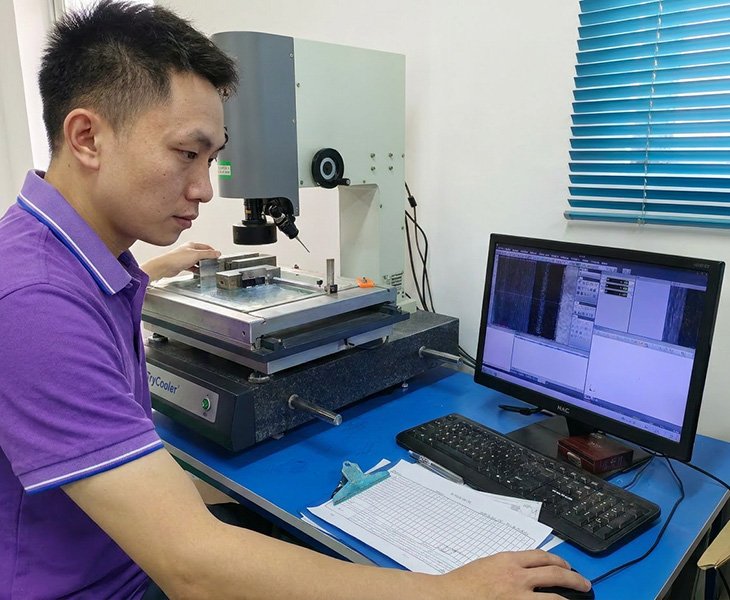
TPU parts are produced under ISO 9001:2015 quality management procedures, with IPQC monitoring throughout the molding process. For dimensional and functional requirements, we use CMMs, electronic measuring equipment, height gauges, and material testing instruments as needed. Full inspection can also be arranged for custom TPU parts when required by your project.
Custom TPU Parts Project Cases
Examples of TPU parts used in practical equipment applications.
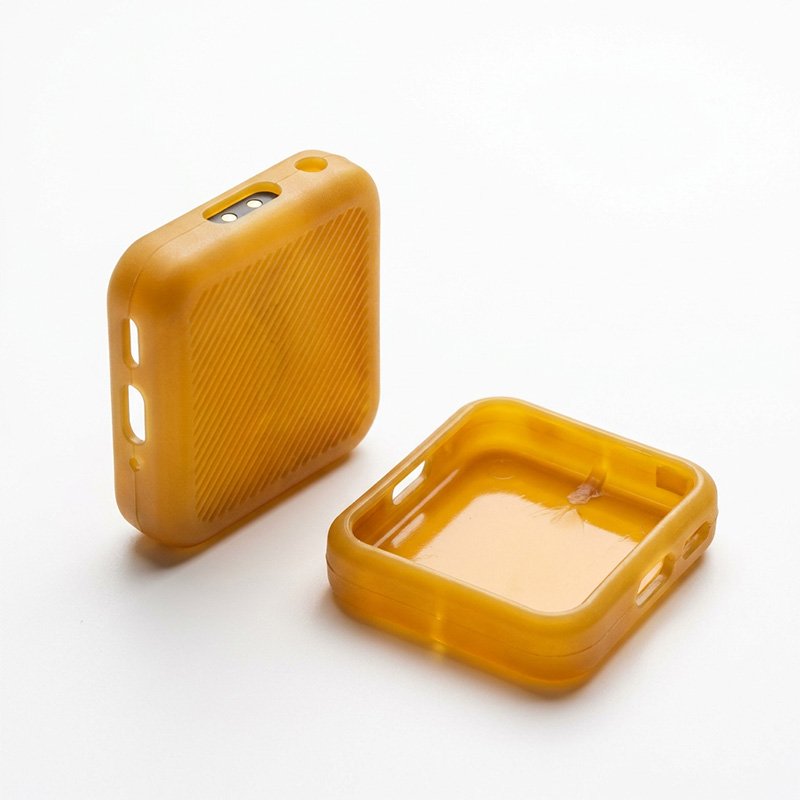
Custom TPU corner bumpers engineered for the exposed drop zones of rugged tablets and handheld terminals. The bumper profile cushions edge and corner impacts while keeping charging-dock interfaces, mounting points, ports, and controls clear for normal use.
Process: TPU Injection Molding
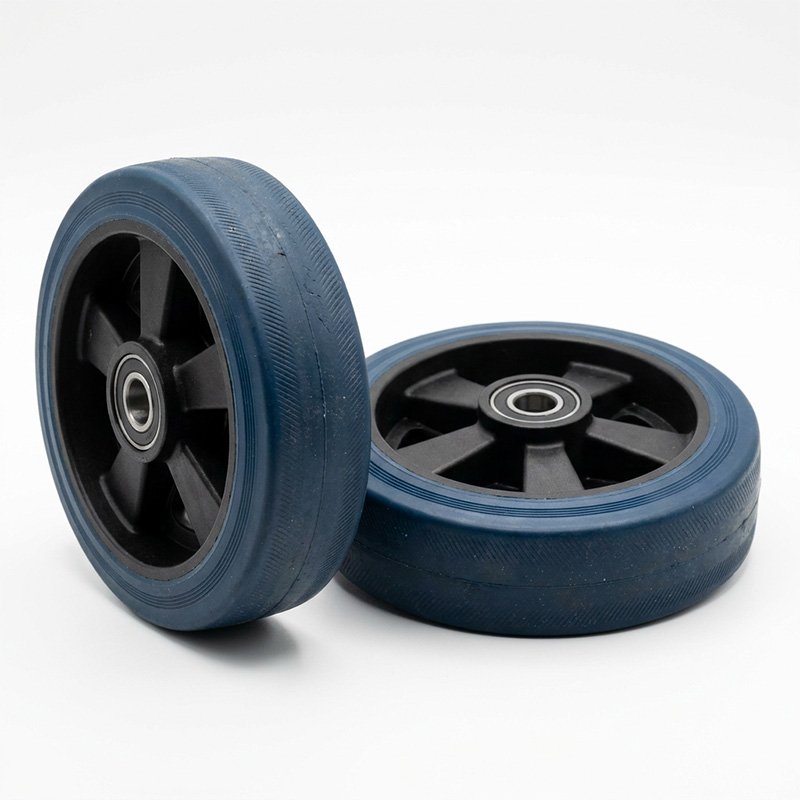
A wear-resistant TPU tread layer overmolded onto rigid wheel cores for carts and mobile equipment. The tread provides a controlled contact surface that helps lower rolling noise, reduce floor scuffing, and keep equipment moving smoothly through repeated daily use.
Process: TPU Overmolding
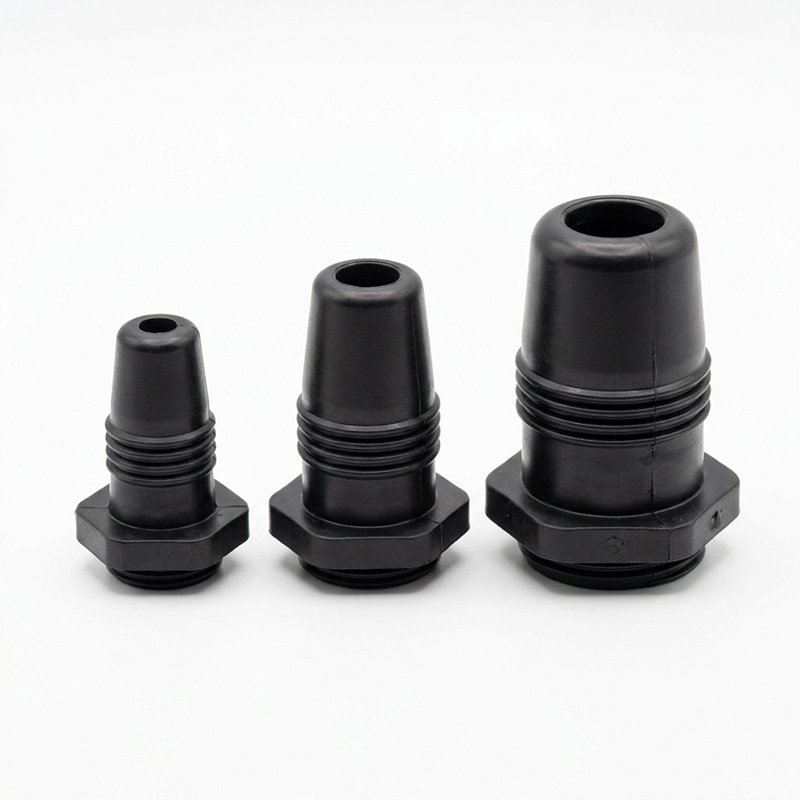
Custom TPU cable-entry seals that combine cable retention and enclosure sealing in one molded component. The compression area closes around the cable, while the locating structure keeps the seal seated in the housing to help protect internal electronics from dust and routine moisture exposure.
Process: TPU Injection Molding

How We Make Custom TPU Parts
Every TPU project follows a clear molding process, but the specific approach depends on the product itself—including its shape, hardness, operating environment, and mating components.
1. Design Check Before Tooling
Before cutting steel, we check wall thickness, draft, undercuts, gate areas, parting lines, and sections that need to bend, seal, or fit against another part. This helps catch problems while changes are still easy to make.
2. Mold Making
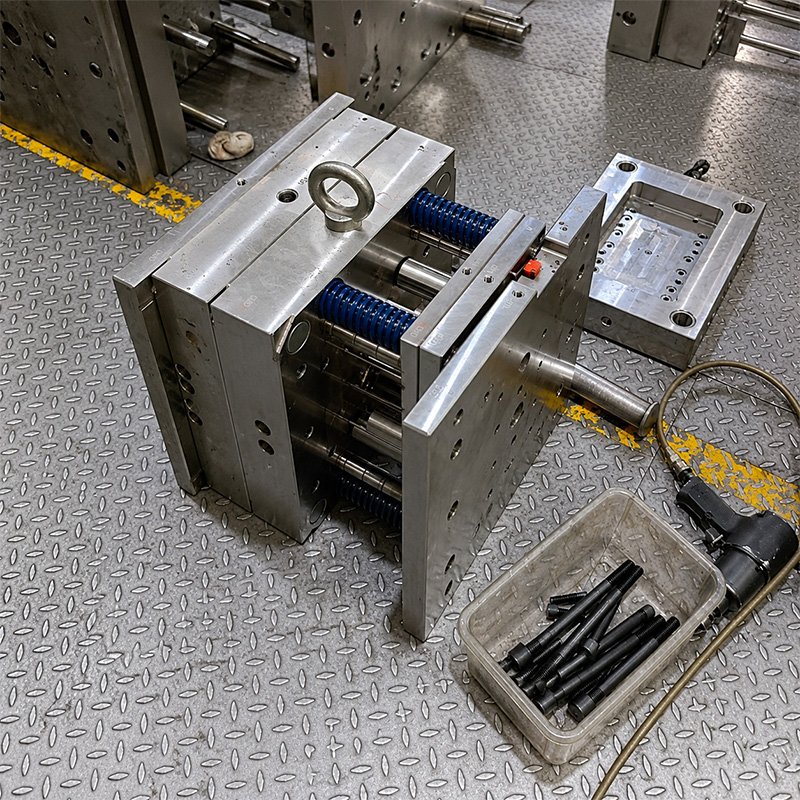
Our toolroom builds the mold around the part geometry and the way TPU fills and shrinks in the cavity. Gate, venting, cooling, and ejection details are set for the actual structure. Hardened tool steel is available for long-running production programs.
3. Free T1 Samples
After the first trial, we send T1 samples for review at no charge. This is the stage to check fit, flexibility, hand feel, appearance, sealing, and assembly on the real product.
4. TPU Injection Molding
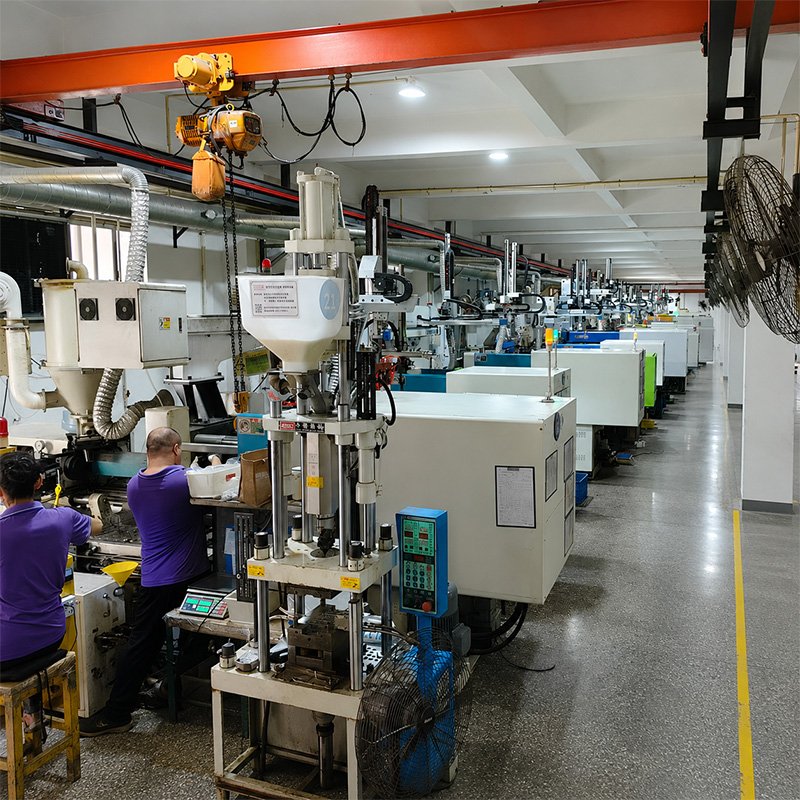
Once the sample is approved, we set the production standard and move into batch molding. Softer TPU grades receive extra attention around critical dimensions and mating areas. Our 50T–1000T injection presses cover TPU parts in a range of sizes, wall thicknesses, and shapes.
5. Secondary Processing & Assembly
Depending on the project, parts can be trimmed, laser marked, printed, labeled, assembled with matching components, and packed for the next stage.
6. Packaging & Delivery
Before shipment, we check the finished parts, quantities, labels, and packing condition. Orders can be shipped by courier, air, sea, or through your nominated forwarder.
Most custom TPU parts fall between Shore 60A and 95A. Semi-rigid grades are also available when the part needs more stiffness.
Yes. TPU can be overmolded onto selected ABS, PC, PA, PP, and other engineering plastic grades. Bond strength depends on the material pairing, surface condition, and part design.
Many TPU grades are suitable for outdoor products. For parts exposed to sunlight, rain, heat, or UV over time, we select a grade intended for that environment.
TPE is the broad category for thermoplastic elastomers. TPV is often used when a rubber-like feel and weather performance are important. TPU is commonly chosen for parts that need abrasion resistance, toughness, and repeated flexing.
For some applications, yes. TPU works well for flexible molded parts exposed to wear or repeated movement. Silicone is usually the better choice for high-temperature sealing applications.
Yes. TPU can be molded in clear or translucent grades. The final clarity depends on the material grade, mold polish, wall thickness, and gate position.