
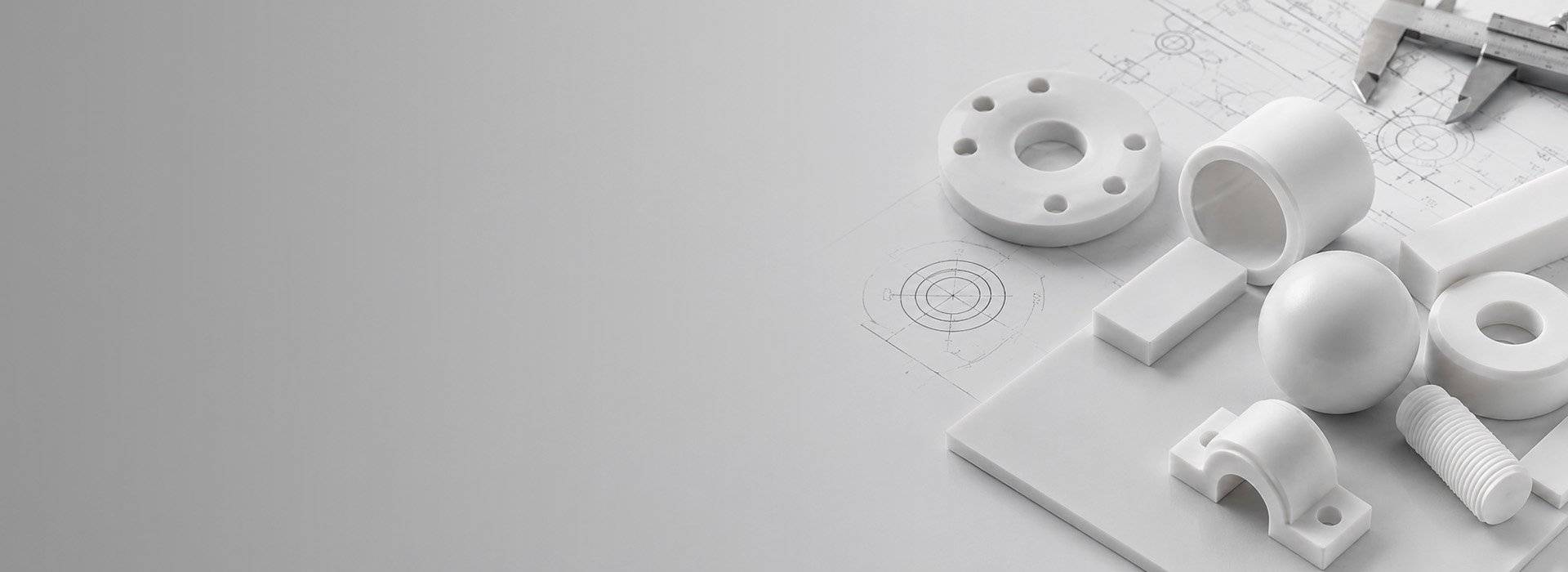
Not Sure Which Material Is Right for Your PTFE(Teflon) Parts?
You may need chemical resistance, low friction, sealing performance, insulation, or heat resistance — but standard PTFE may not always be the best choice for molded production. Send us your drawing, sample, or application details, and we will help you review the material, DFM risks, mold solution, and production feasibility.


PTFE Parts Applications & Injection Molded Solutions
If your parts need chemical resistance, low friction, insulation, sealing performance, or heat resistance, we help you review the application, material, structure, and production method before mold making.
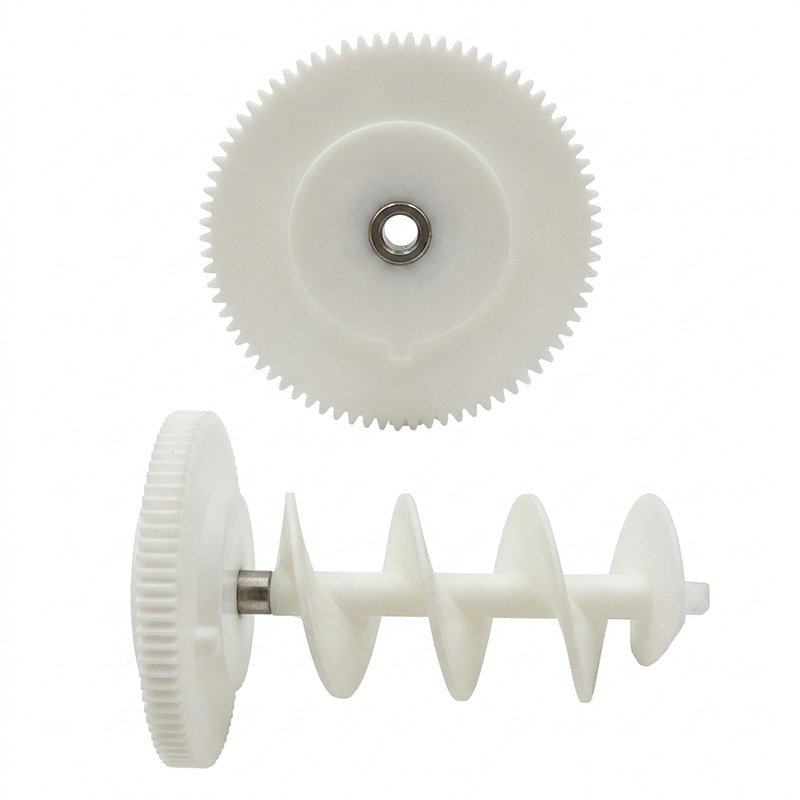
Molded plastic parts for chemical processing equipment, chemical handling systems, corrosive media, acids, solvents, housings, covers, connectors, and fluid-contact components.
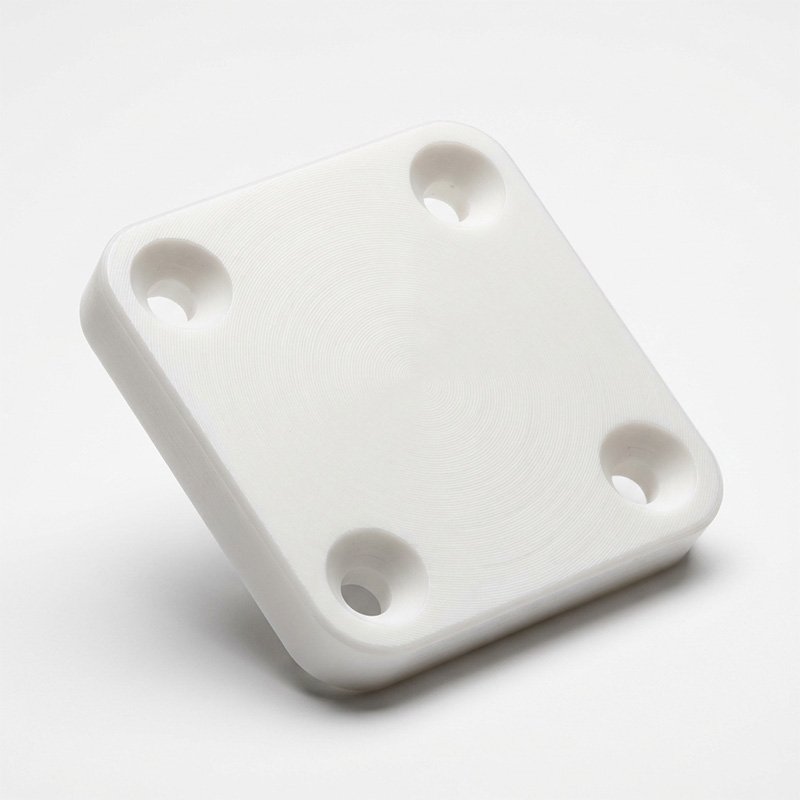
Injection molded parts for valve bodies, pump components, caps, connectors, and sealing-related structures.
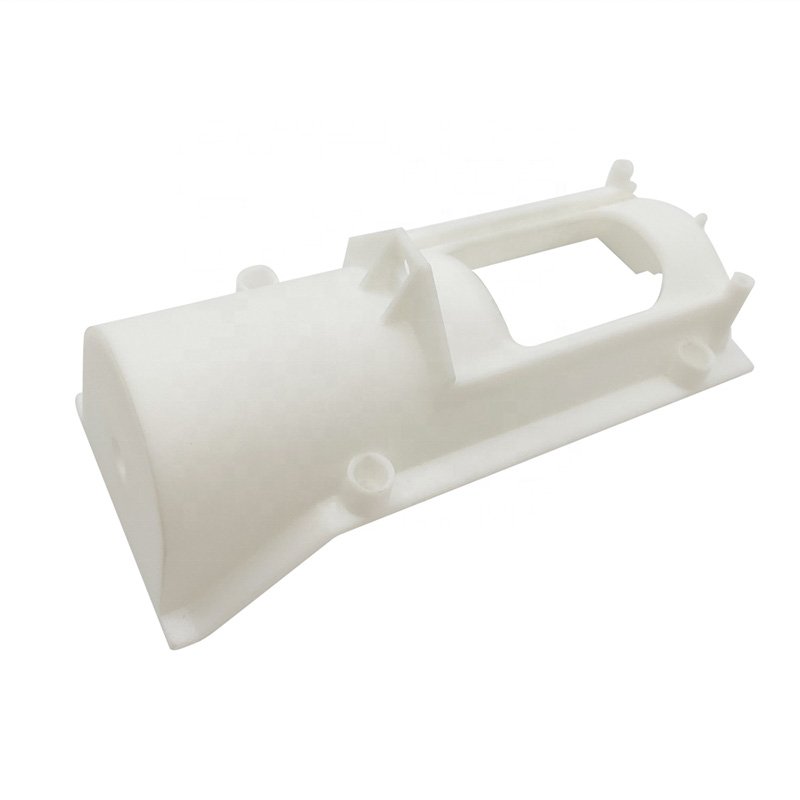
Insulating plastic parts, spacers, sleeves, sensor components, and connector housings.
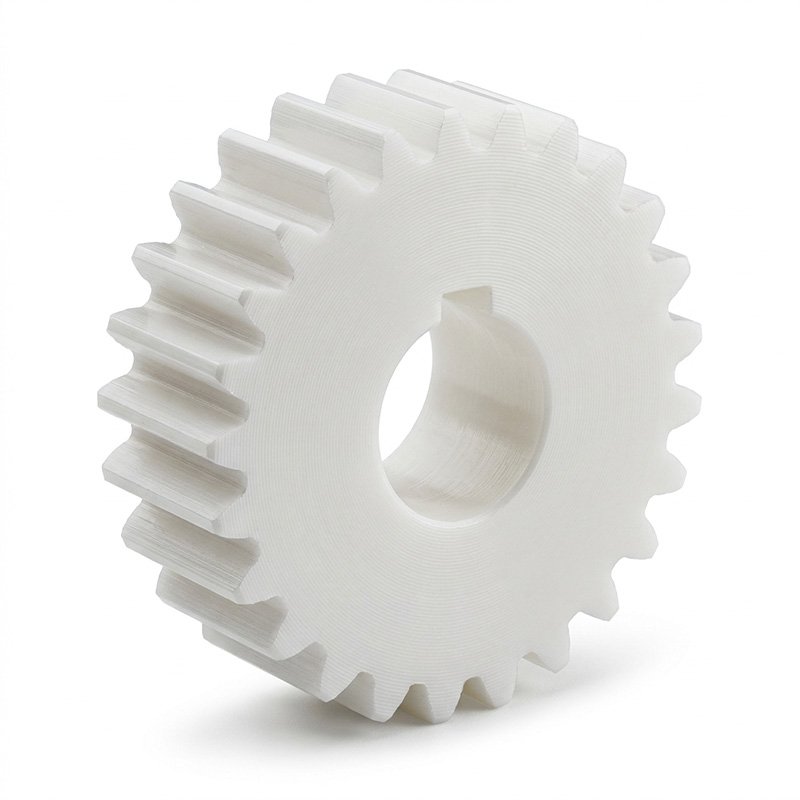
Functional molded parts for sliding, guiding, protection, and assembly applications.
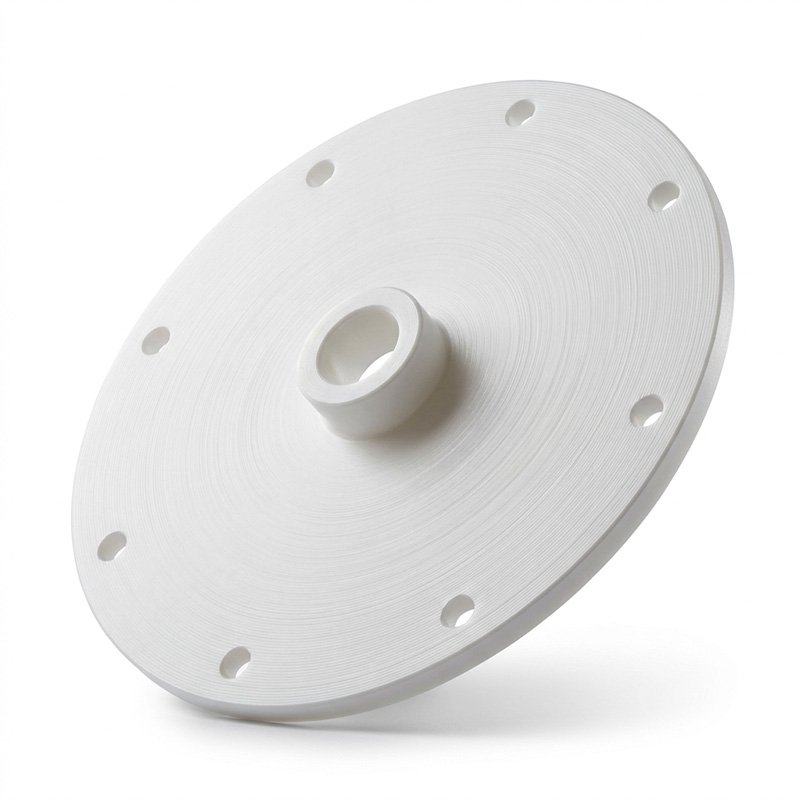
Small precision molded components for laboratory equipment, fluid handling systems, labware-related parts, medical device housings, testing devices, and pharmaceutical equipment applications.
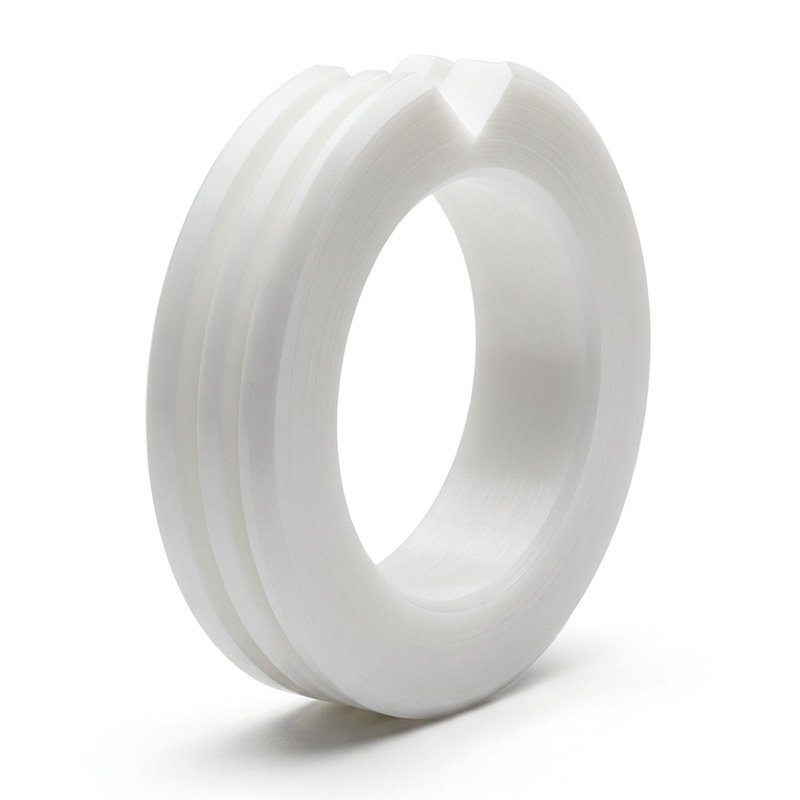
Molded plastic parts require cleanability, chemical resistance, and dimensional stability.
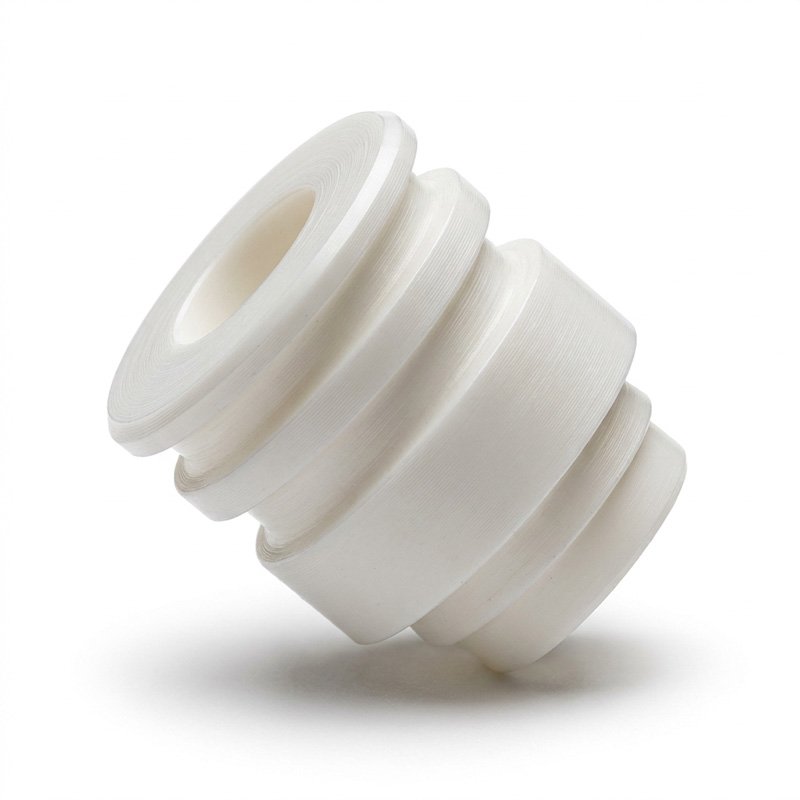
Plastic parts for water treatment equipment, dosing systems, pumps, valves, chemical-contact environments, and corrosion-resistant fluid handling applications.
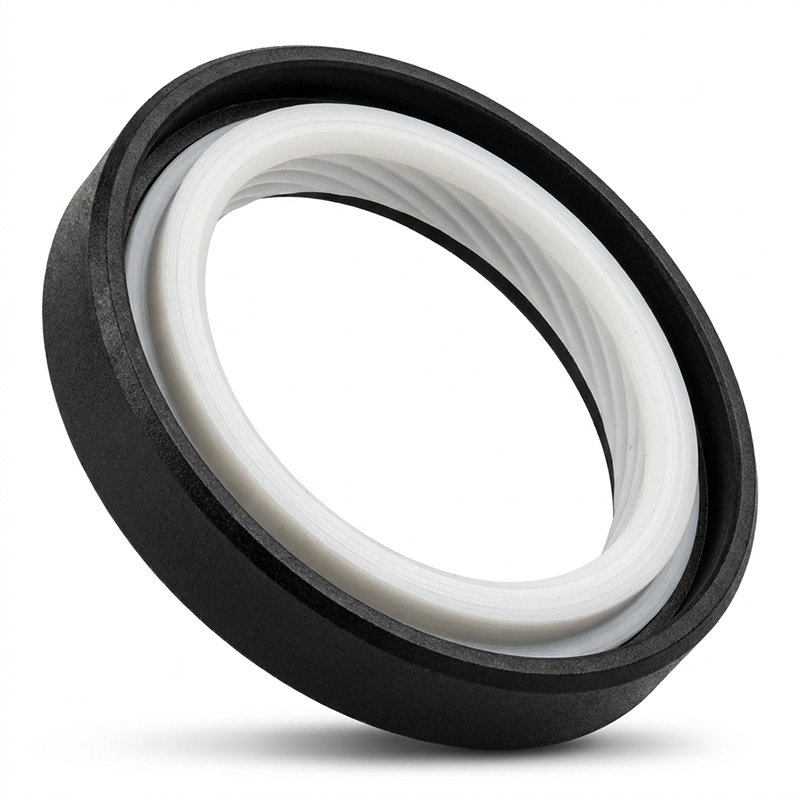
Insulating, heat-resistant, fluid-related, and functional molded plastic parts.
Why Work With Us for Your PTFE Parts Project?
You need more than a supplier who only quotes by drawing. We help you review material, DFM risks, mold solution, production feasibility, and quality requirements before your project moves into production.

You can send us your drawing, sample, or application details. We help you review the real performance requirements behind your PTFE parts project.

If standard PTFE is not the best choice for molded production, we help you evaluate suitable alternatives such as PFA, FEP, PVDF, PPS, PEEK, PP, or other engineering plastics.

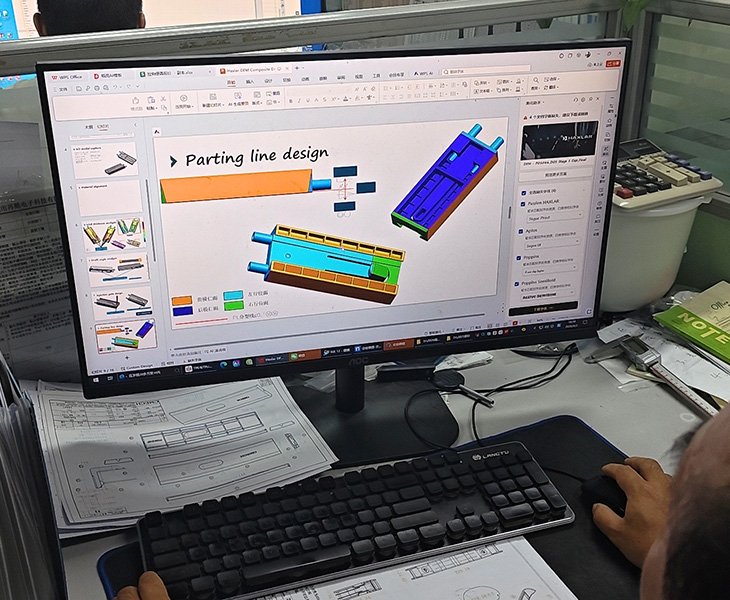
Before you invest in tooling, we check wall thickness, shrinkage, warpage, draft angle, undercuts, gate location, parting line, and critical assembly dimensions.

You work with one team from material review and mold design to trial molding, injection molding, inspection, assembly, and packaging.

You can verify your design, material, dimensions, and function through samples or small-batch trial production before moving into mass production.

You can request material certificates, dimensional inspection reports, production photos, and NDA / NNN support for confidential OEM and ODM projects.
Strict DFM Review Before Tooling
Before beginning mold development, we conduct a rigorous review of your product’s structure, materials, and molding requirements to prevent design flaws, mold rework, product defects, production delays, and additional costs.
- Evaluation of Material Suitability for Injection Molding
- Wall Thickness and Shrinkage Risk Assessment
- Warpage and Deformation Analysis
- Draft Angle and Chamfer Inspection
- Gate Location and Parting Line Assessment
- Control of Critical Assembly Dimensions
- Evaluation of Sealing, Insulation, or Fluid-Contact Surfaces
- Prototype Validation Before Mold Manufacturing
Strict Pre-Shipment Quality Inspection
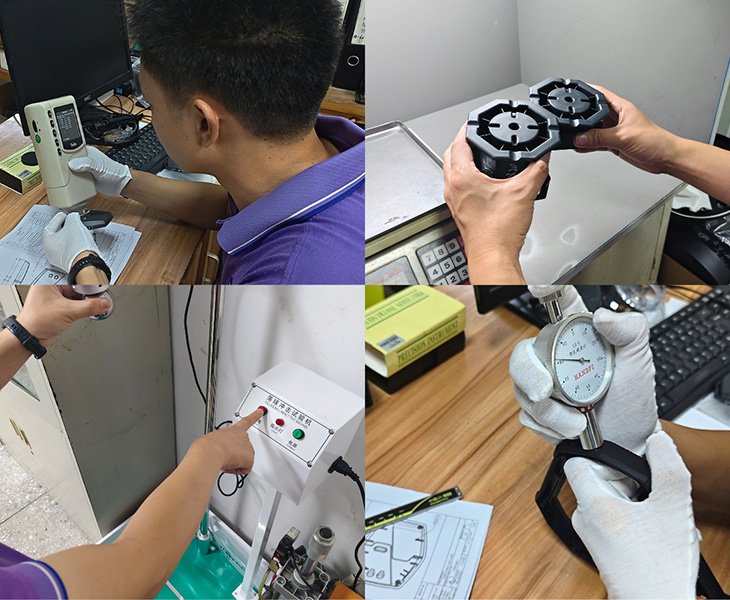
Before shipment, we conduct rigorous quality control at every stage, including inspections of appearance, dimensions, assembly, and packaging, as well as environmental simulation tests to verify product reliability. As a result, whether it’s precision mechanical components, insulated parts, food-contact parts, automotive plastic parts, or sealing products—all of which have stringent quality requirements—we can ensure that every plastic part exhibits excellent dimensional stability and consistent appearance.
OEM Packaging Support Before Delivery
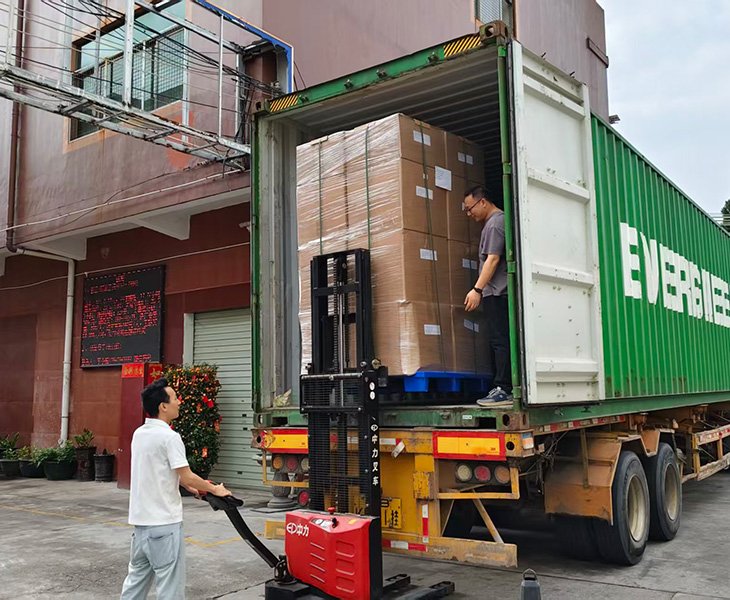
After quality inspection, we select the most suitable packaging method based on your part size, material, surface finish, precision areas, and shipping method. For OEM customers, we can also support customized packaging requirements, including product labels, part numbers, batch labels, barcode stickers, carton marks, user manuals, retail boxes, neutral packaging, or customer-specified packaging standards.
More About PTFE Parts
If you are looking for PTFE parts, your real need may be chemical resistance, low friction, insulation, sealing performance, or heat resistance. Before mold making, we help you review whether standard PTFE is required or whether an injection-moldable material can achieve your application needs with better production efficiency.
- PTFE or Injection-Moldable Alternative?
| Material | Processing Characteristics | Suitable Applications |
| PTFE | Generally not suitable for conventional injection molding; mainly for compression molding, sintering and machining | Gaskets, seals, bushings, corrosion-resistant machined parts |
| PFA | Melt-processable and injection moldable | Parts for high chemical resistance, high temperature and fluid handling |
| FEP | Melt-processable and injection moldable | Chemically resistant, insulating and transparent components |
| PVDF | Injection moldable | Chemical-resistant industrial parts, fluid control components |
| ETFE | Injection moldable | Insulating, chemically resistant and impact-resistant parts |
| PPS | Injection moldable | High-temperature resistant, dimensionally stable structural & functional parts |
| PEEK | Injection moldable | High-performance, high-strength and high-temperature resistant components |
| PP | Injection moldable | Cost-effective parts with chemical resistance requirements |
How to Start Your Custom PTFE Parts Project?
You don’t need to know all the details about materials or molding processes before contacting us. Simply send us your requirements, and we’ll help you evaluate materials, DFM risks, mold solutions, production feasibility, quality requirements, and delivery plans.
Please send us your 3D drawings or physical samples, along with the required quantity and the product’s intended application. If you’re unsure whether Polytetrafluoroethylene (PTFE) is the right material, we’ll recommend a cost-effective alternative based on your needs.
Before tooling starts, we check wall thickness, shrinkage risk, warpage, draft angles, undercuts, gate locations, parting lines, sealing surfaces, and critical assembly dimensions to minimize costly tooling changes.
For new custom PTFE parts projects, you can verify the design through 3D printing, CNC prototype, T1 mold samples, or small-batch trial production before moving into mass injection molding.
After sample approval, we move your project into batch production. Our team controls material consistency, molding parameters, key dimensions, appearance, assembly fit, and production stability.
Before shipment, we conduct a final inspection, verify the packaging, apply labels, and prepare the goods for export. We can provide material certificates, dimensional inspection reports, and production photos or videos upon request.
Standard PTFE is usually not processed like common injection molding materials such as ABS, PP, or PC. If you need PTFE-like chemical resistance, low friction, insulation, sealing performance, or heat resistance, we can help you evaluate injection-moldable alternatives based on your application.
For a detailed quotation, please send us your 3D drawing, preferably in STP or STEP format, together with your material requirements, quantity, tolerance, working temperature, chemical media, and application details. If your part has an internal structure, assembly position, insert area, card slot, or functional surface, please clearly show these details in the drawing so we can evaluate the mold structure and production cost more accurately.
If you only have a concept, sketch, photo, or product idea, we can also help with product design support and provide a rough cost estimate based on your expected size, function, material direction, quantity, and application.
MOQ depends on the material, part size, mold structure, tolerance, and production method. For new projects, you can discuss prototype or small-batch trial production before placing a larger order.
We are a custom injection molding manufacturer with in-house mold making, injection molding, inspection, assembly, and packaging support. You work with one team from material review to production and delivery.
We support NDA / NNN for confidential OEM and ODM projects. Your drawings, samples, and project information will only be used for quotation, engineering review, mold making, and production, and will not be shared or displayed without permission.