
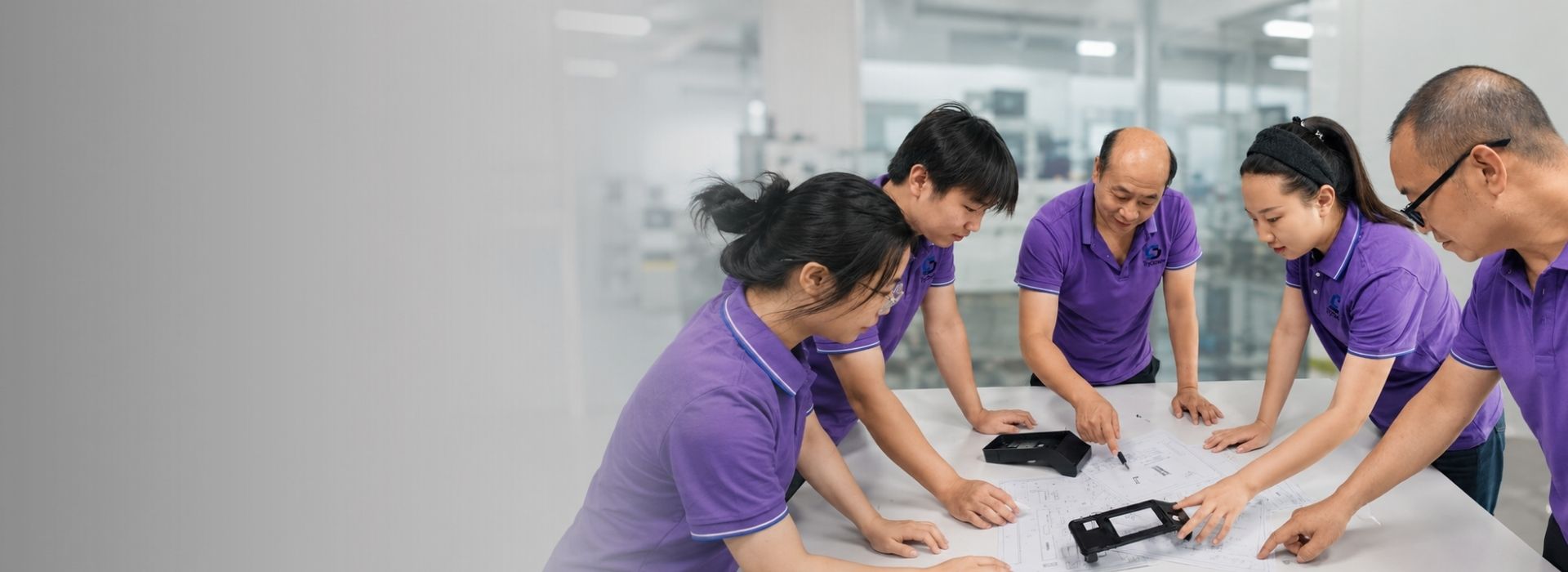
Quality Control for Insert Position, Strength & Assembly
At our workshop, standardized QC system eliminates insert shifting, looseness & assembly failure for insert molded products, securing stable quality from sample to mass production.


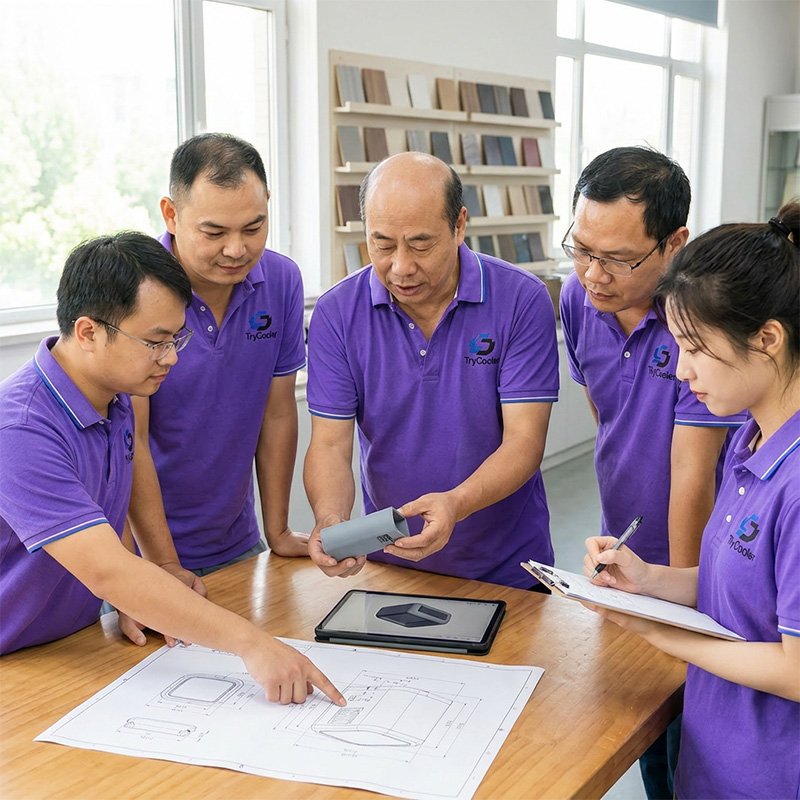
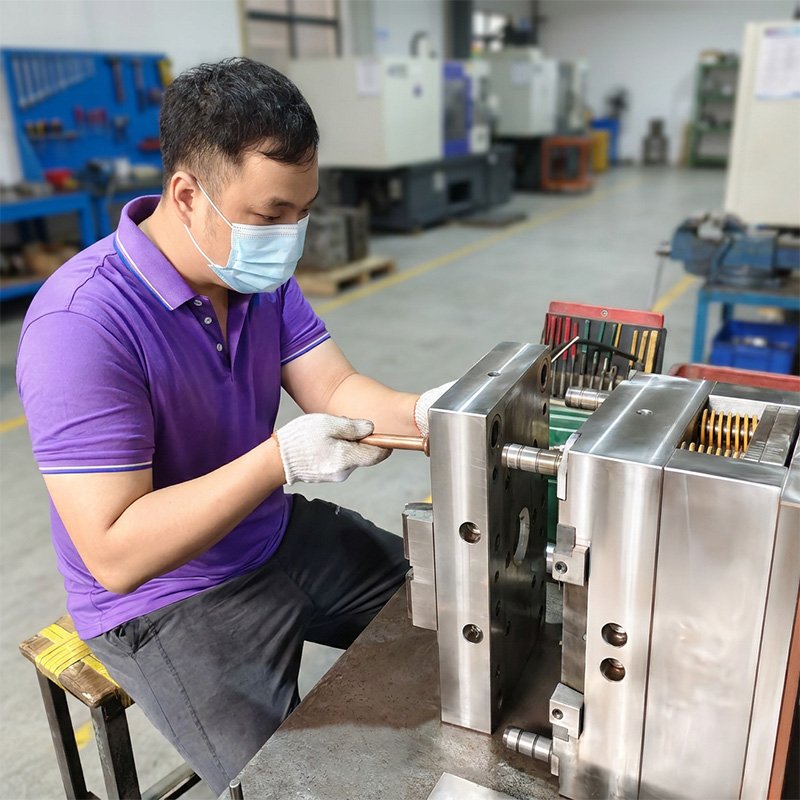
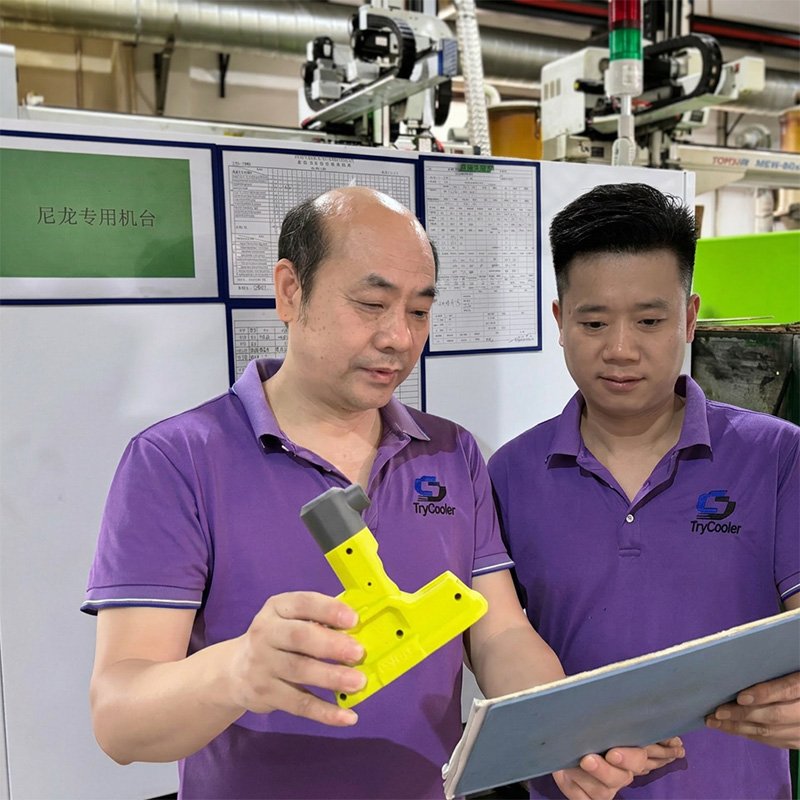
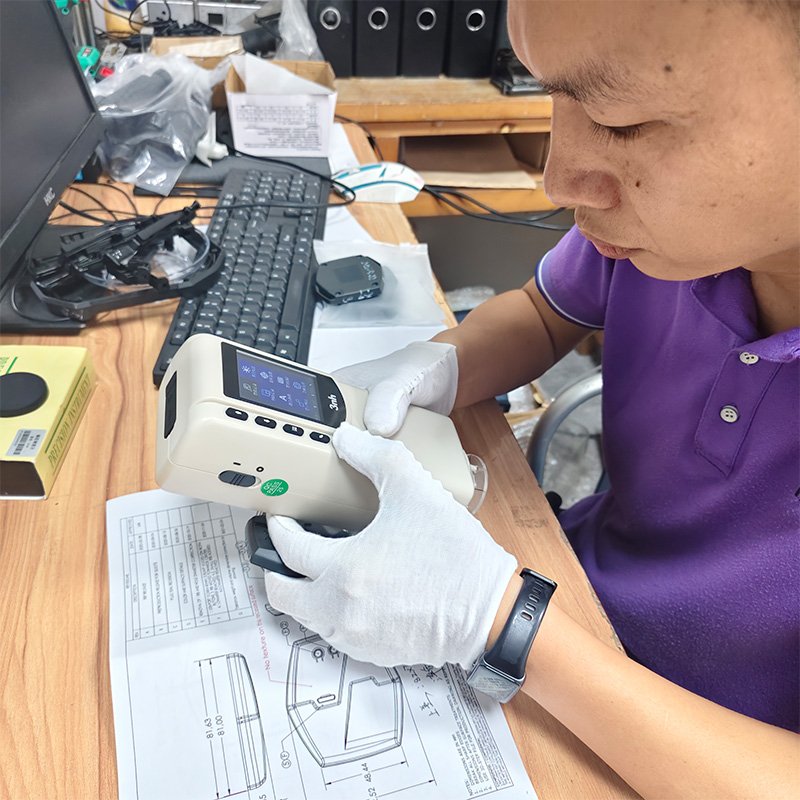
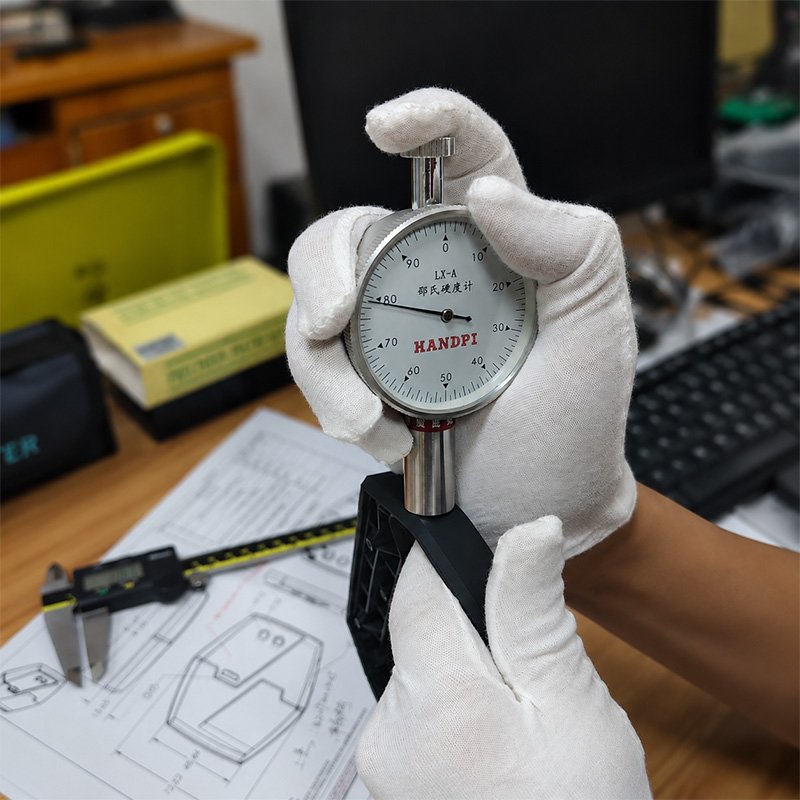
Eliminate Loose, Misaligned, or Weak Inserts with Our Precision Insert Molding
- Precision Mold Design: Custom insert locating pins/slots prevent shifting during injection molding.
- Secure Mechanical Locking: Knurled or grooved inserts are locked in place by plastic flow, eliminating pull-out and spin-out issues.
- DFM & Material Optimization: We select matched plastic grades and optimize molding parameters to avoid stress cracking around inserts.
- Full QC Process: From first article inspection to final pull-out/torque tests, we ensure consistent quality from prototype to mass production.
Before mold fabrication, we evaluate the insert positioning strategy for you and conduct comprehensive strength testing after prototyping; this ensures that inserts remain secure, aligned, and firmly in place during mass production, resulting in a more durable product.
Material Recommendation
Different insert molded parts require different material performance. We help select materials based on strength, insulation, heat resistance, wear resistance, surface appearance, and cost requirements.
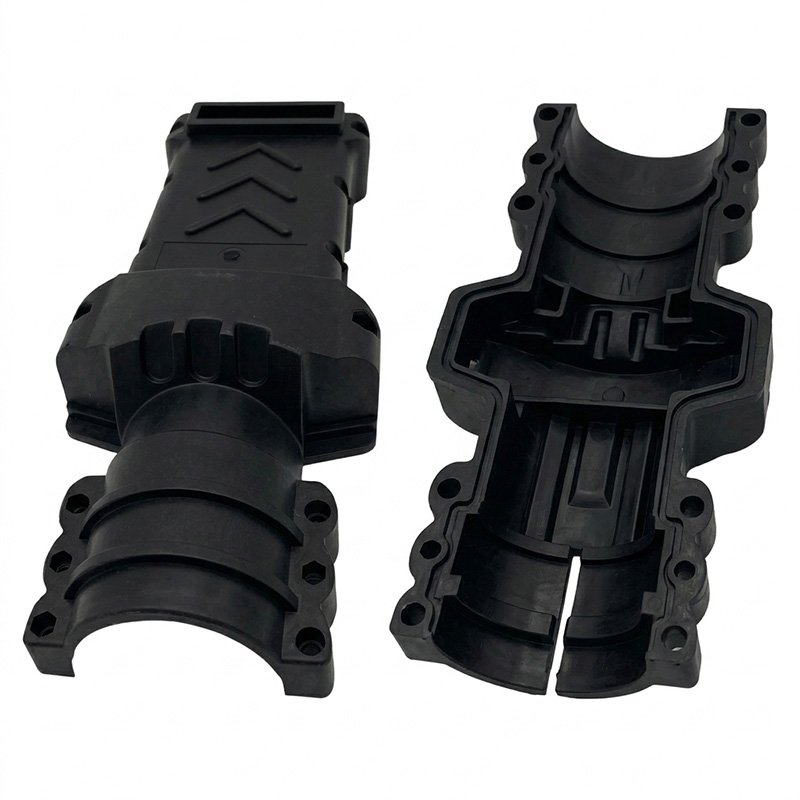
Easy molding, good surface finish, balanced rigidity & toughness.Suitable for consumer product housings and general structural components.
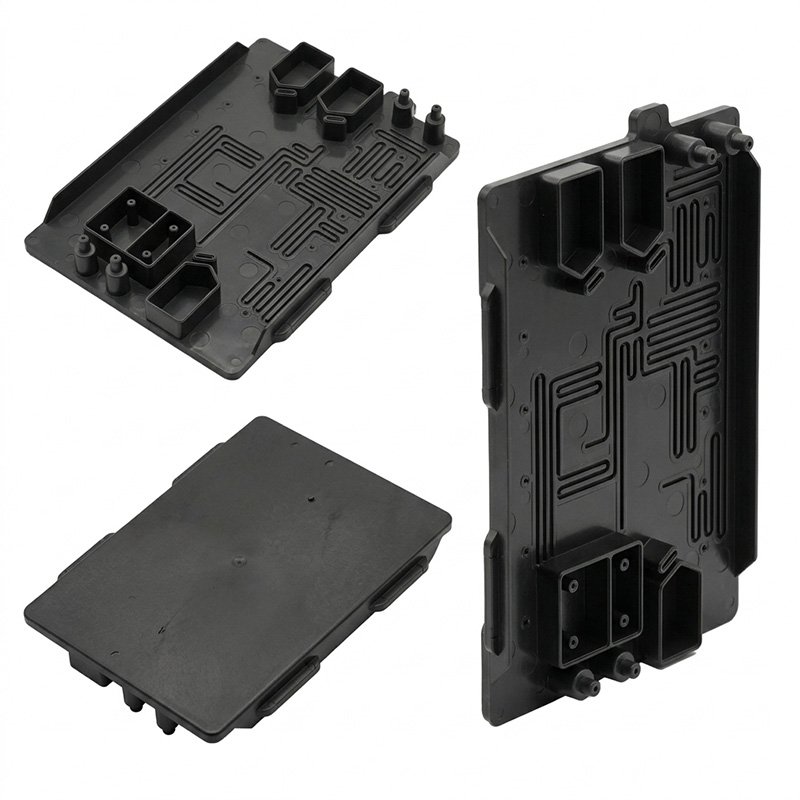
High impact resistance, high toughness.Suitable for high-strength structural components, transparent housings, and impact-resistant parts.
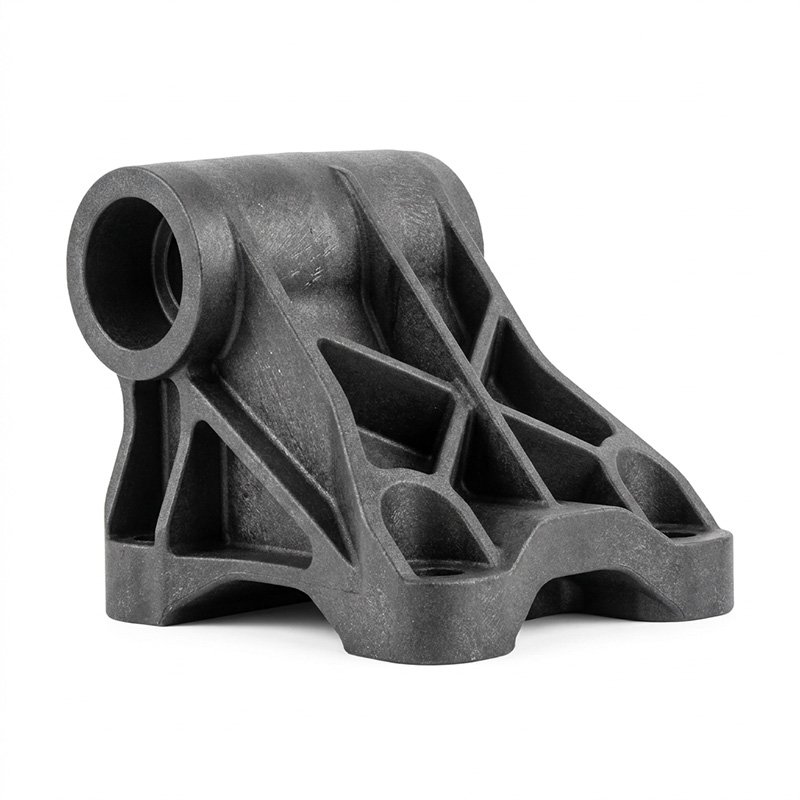
High tensile strength, wear-resistant, and good toughness. Suitable for industrial components, bushings, and load-bearing structural parts.
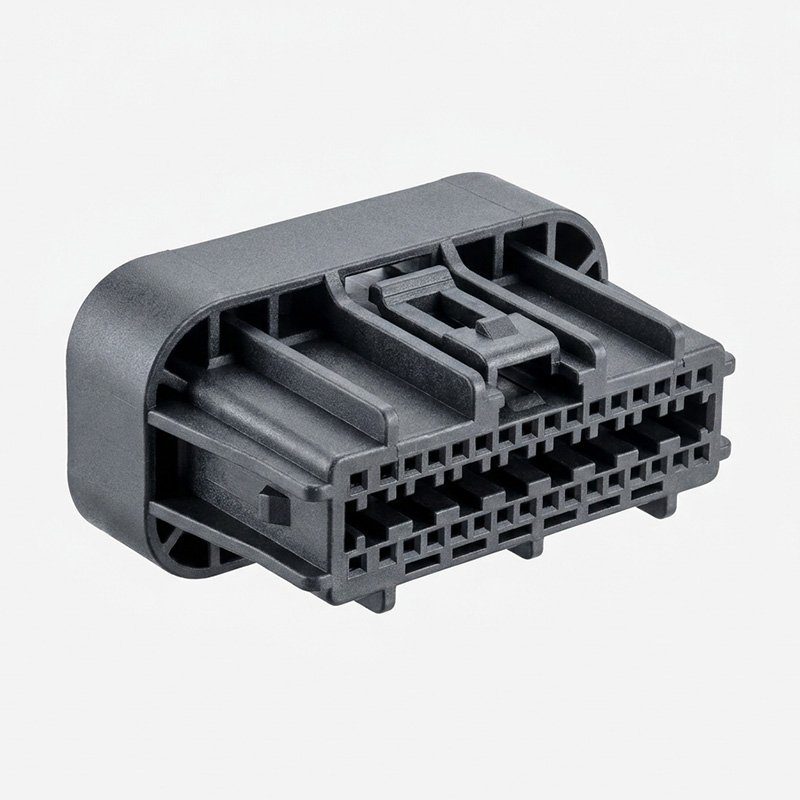
Dimensional stability, low shrinkage, excellent electrical insulation, Suitable for connectors, electrical accessories, and precision-dimensioned parts.
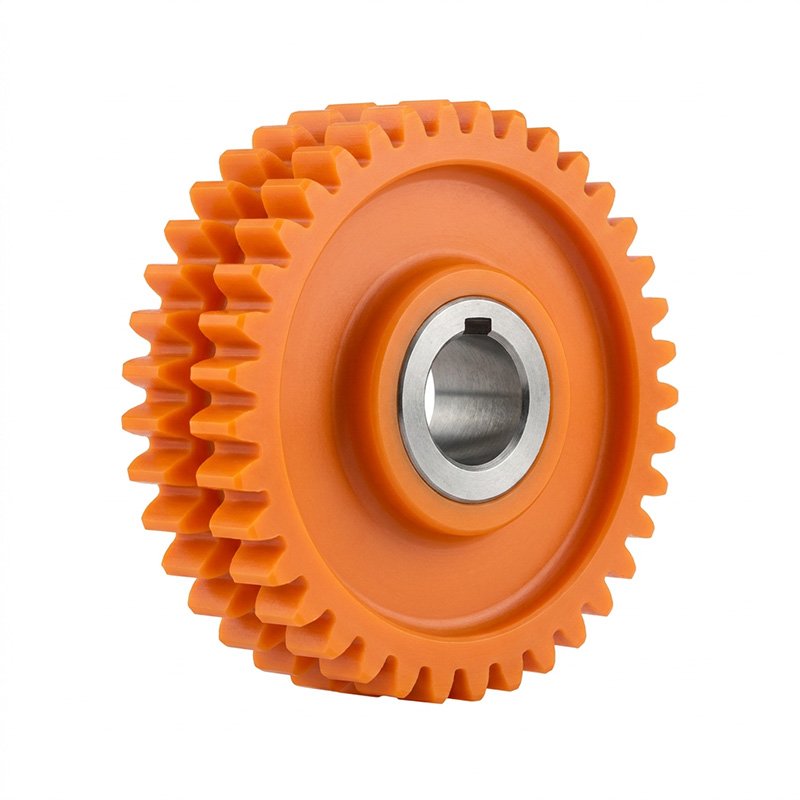
Ultra-low friction, outstanding abrasion resistance.Suitable for gears, transmission components, and precision mechanical structures.
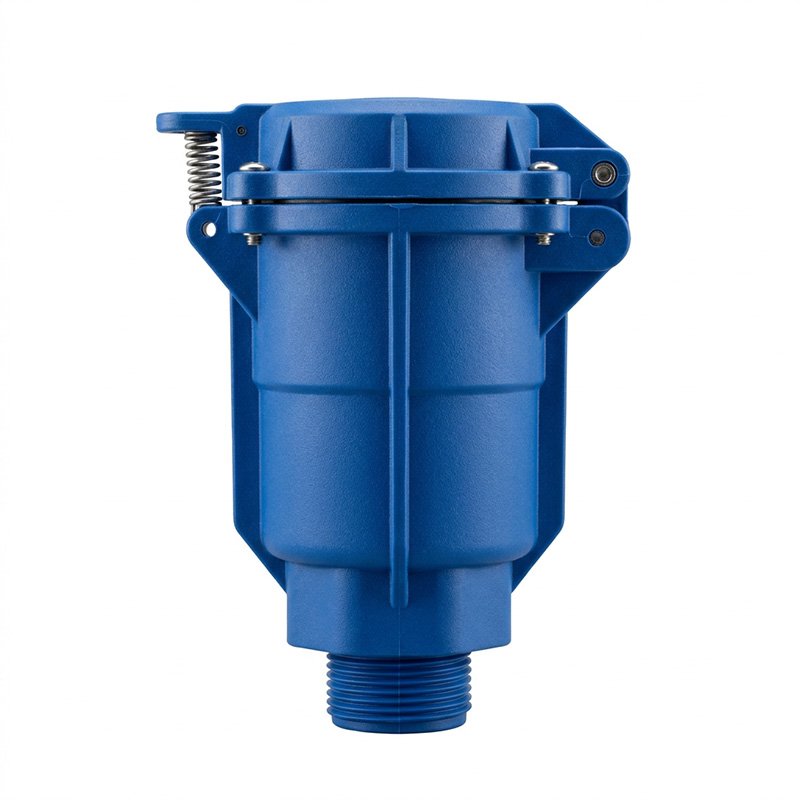
Fire resistance, meet UL flame rating. Suitable for home appliances, lighting, and electrical components.
Wide Industry Applications
Do you have questions about material selection, structural design, or manufacturing processes? Please feel free to contact our team of experts for customized solutions.
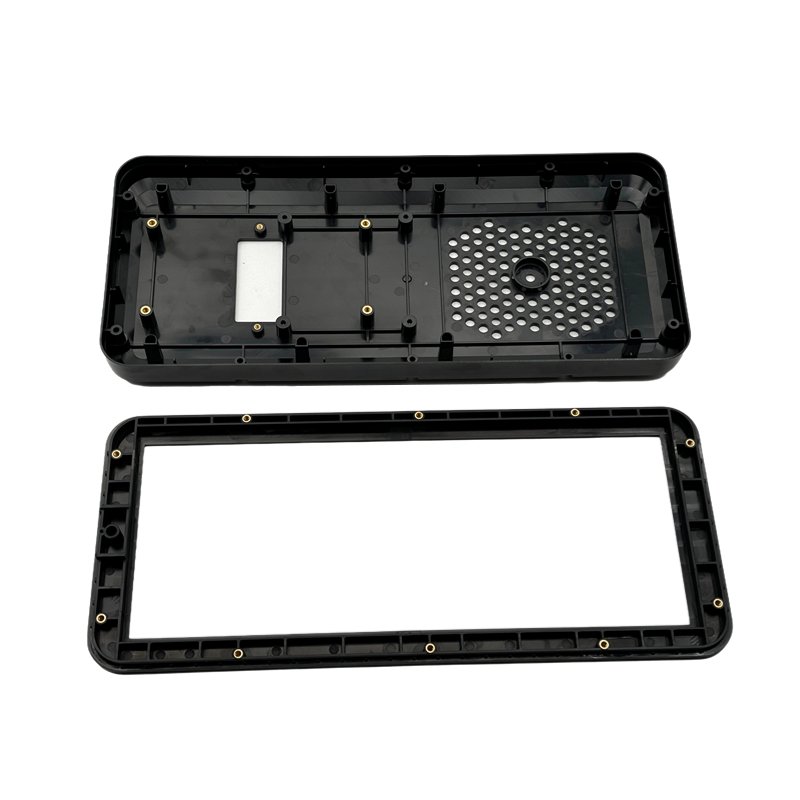 Automotive Parts
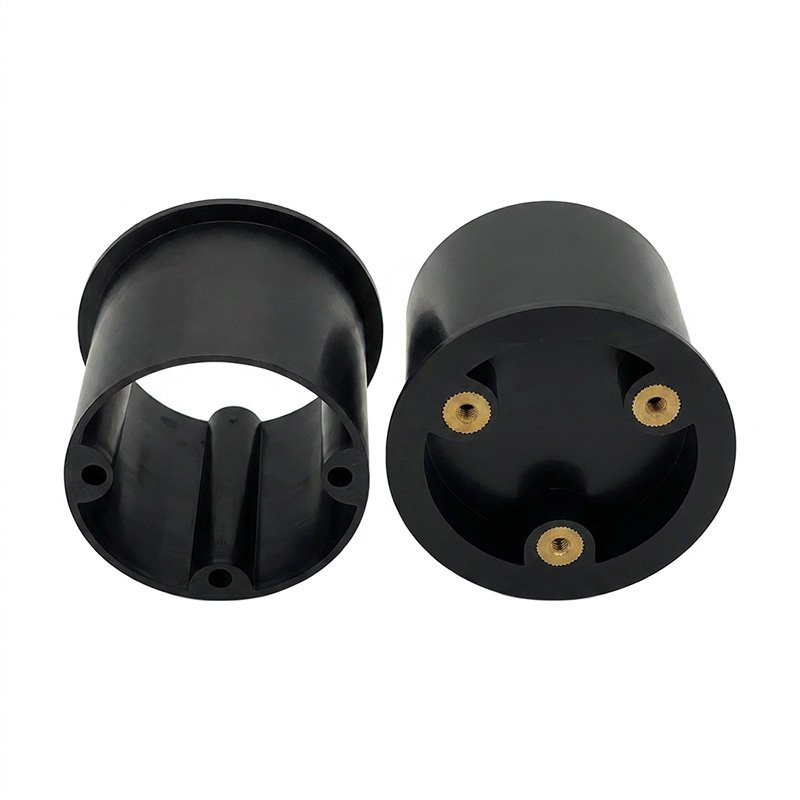
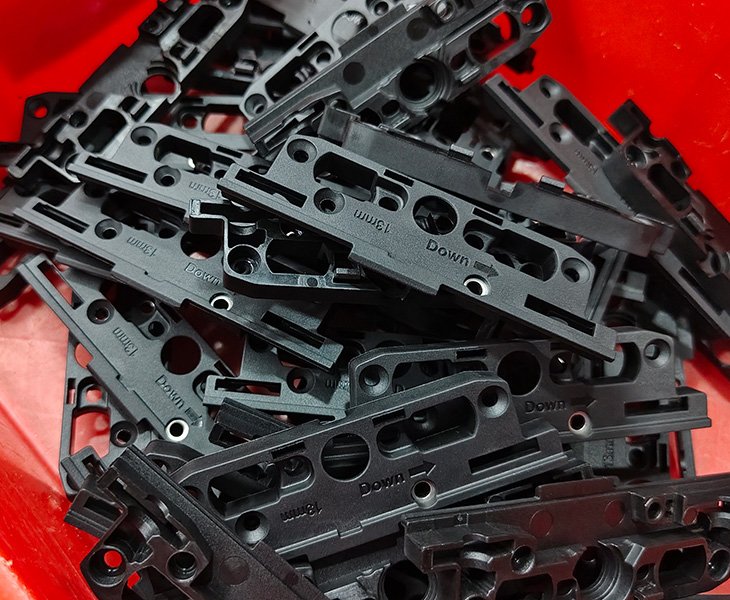
For automotive connectors, sensor housings, and nut insert brackets.
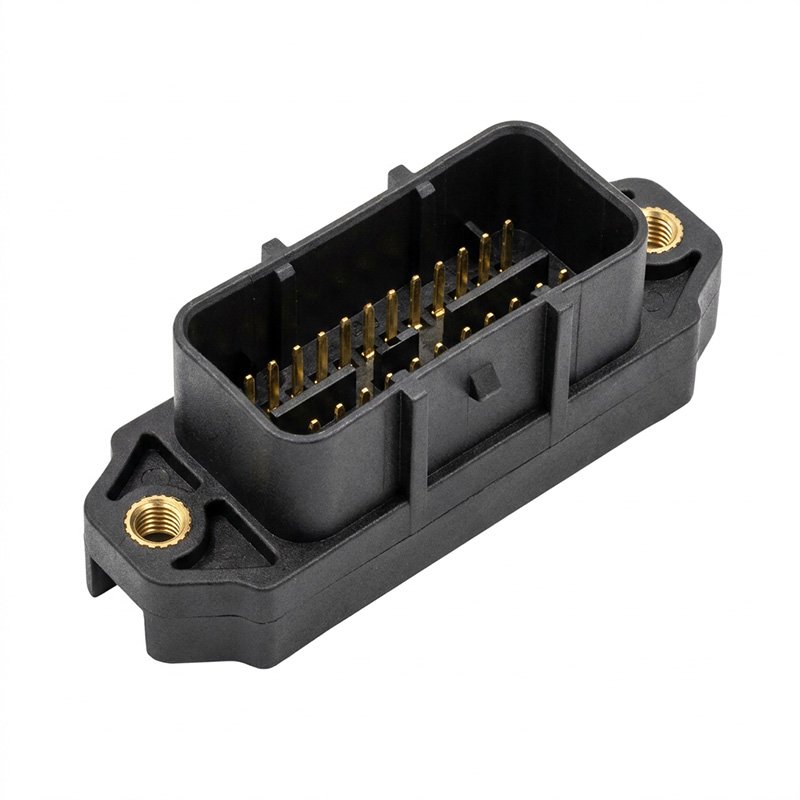
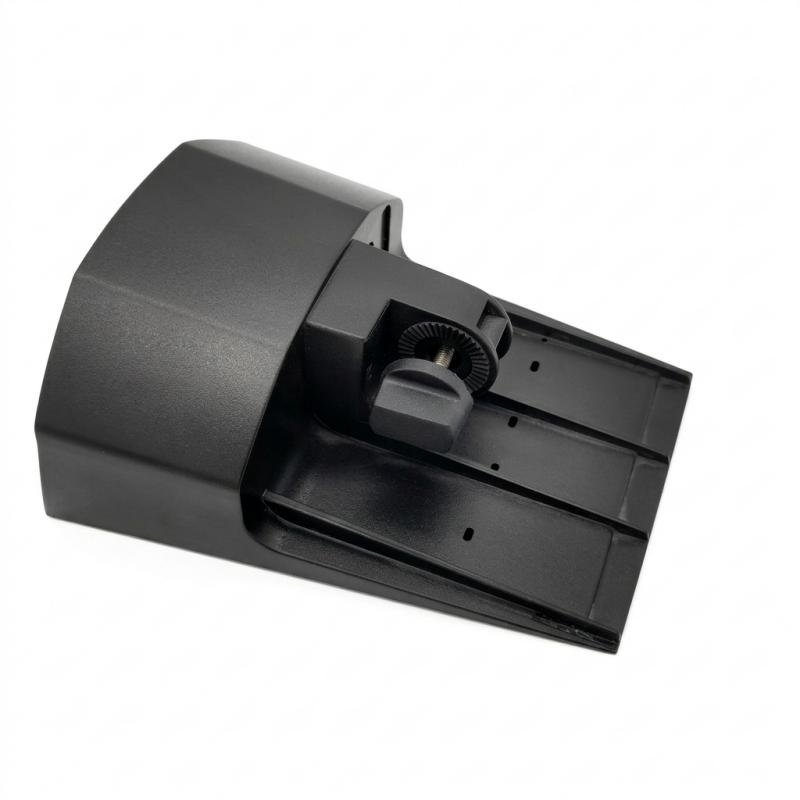 Furniture & Home Hardware
For furniture connectors, adjustable feet, and pipe fittings.
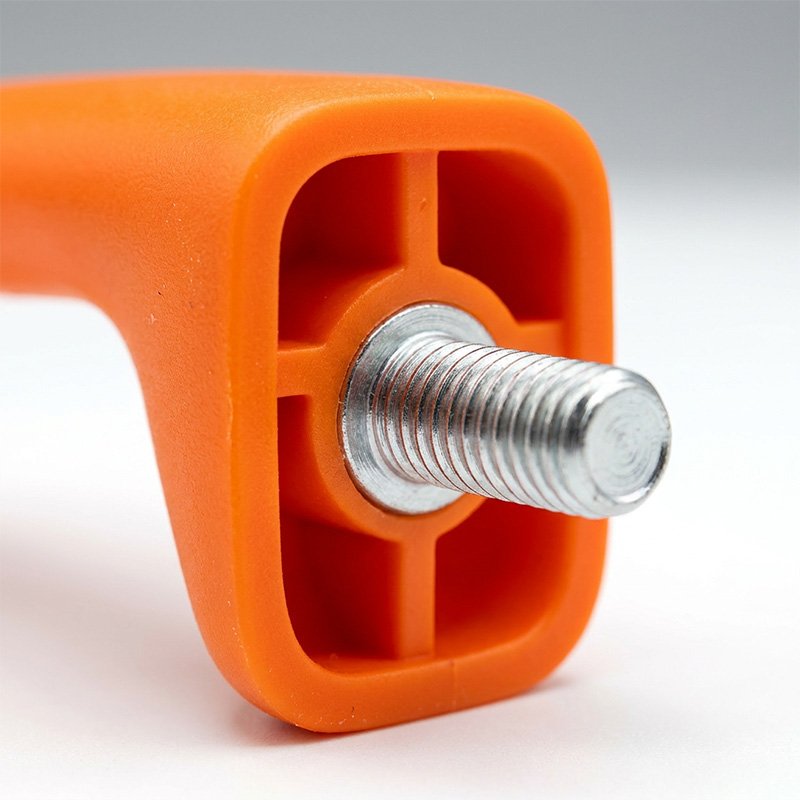 Sensors & Smart Hardware
For sensor housings, magnet inserts, and structural components of smart devices.
 Industrial Equipment
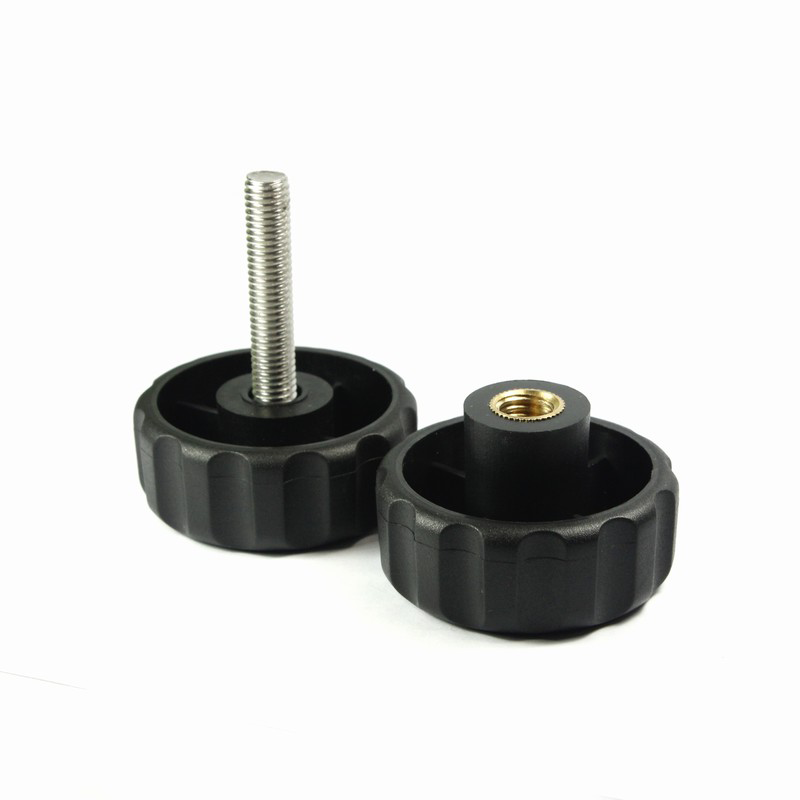
For Handles, knobs, mounting bases, bushings, and mounting brackets.
What Is Insert Molding?
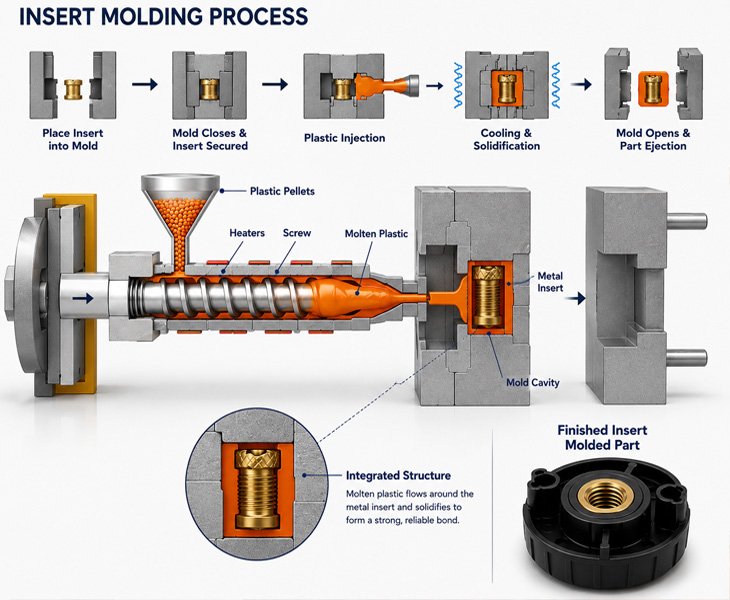
Insert molding is a plastic injection molding process in which metal or other pre-formed inserts are placed into a mold prior to the injection of plastic.
This process helps reduce secondary assembly operations and mitigate assembly risks, enabling the production of reliable and stable integrated metal-plastic components.
Benefits of Insert Molding Parts
Durable & Sturdy Structure
The injection molding process integrates robust materials into a single component, thereby significantly enhancing product strength. We fully understand the frustration of frequent part replacements; therefore, you can trust our components to withstand the rigors of heavy use.
Cost-Effective Manufacturing
With single-process injection molding, the defect rate is significantly lower than that of multi-part assembly, resulting in lower unit costs during high-volume production.
Stable Output & On-Time Delivery
Featuring automated insert feeding combined with injection molding, this process is ideally suited for large-volume orders, offering controllable lead times and minimal quality fluctuation.
Why Choose TryCooler For Custom Insert Molding Service?
Built for reliable metal-plastic integrated parts.
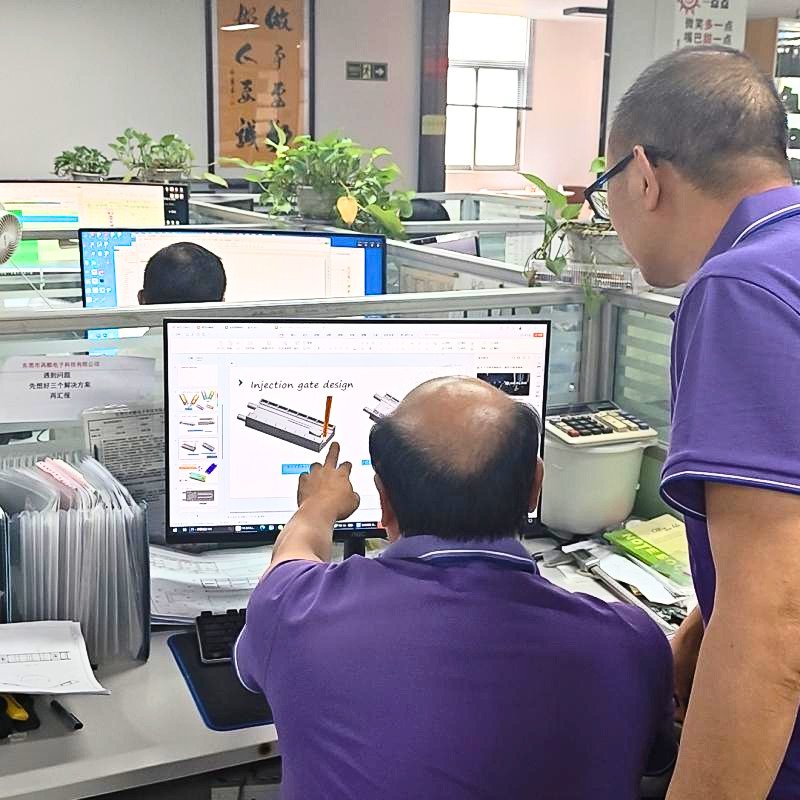
- Evaluate structural risks prior to mold opening
- Check insert positioning
- Check wall thickness and shrinkage risks
- Check gate location and flow direction
- Check for demolding and ejection risks
- Check assembly functionality
Before mold making, our engineering team reviews your insert position, wall thickness, plastic flow, gate location, shrinkage risk, ejection design, and assembly requirements to reduce tooling risk.
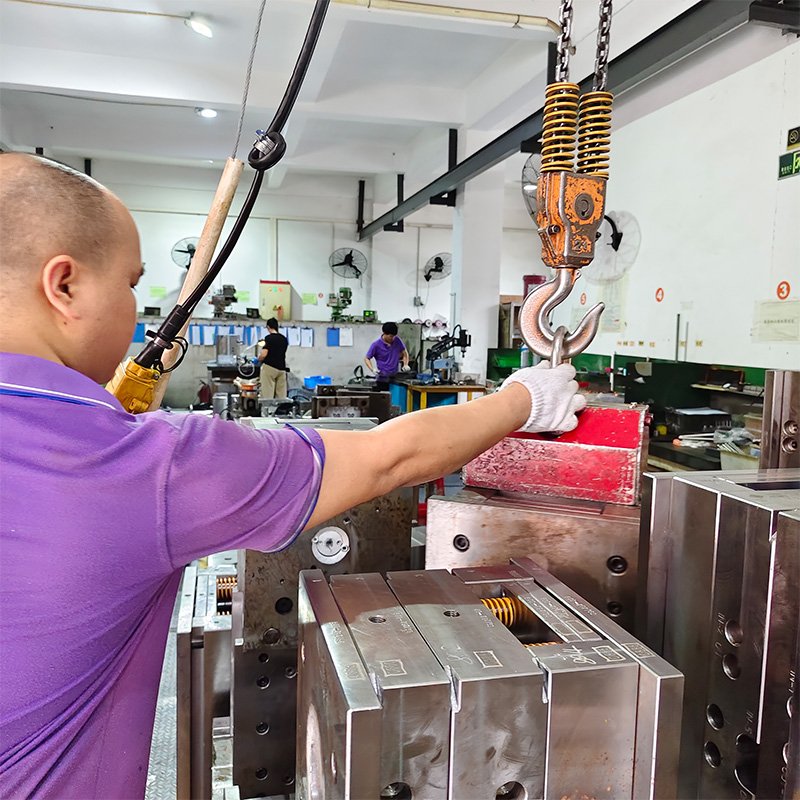
- In-house mold workshop
- In-house injection molding production
- Faster communication between molding and production
- More timely issue resolution
- One-stop service from mold development to mass production
With in-house mold making and injection molding capabilities, we can control the full process from mold design and T1 samples to production adjustment and mass manufacturing.
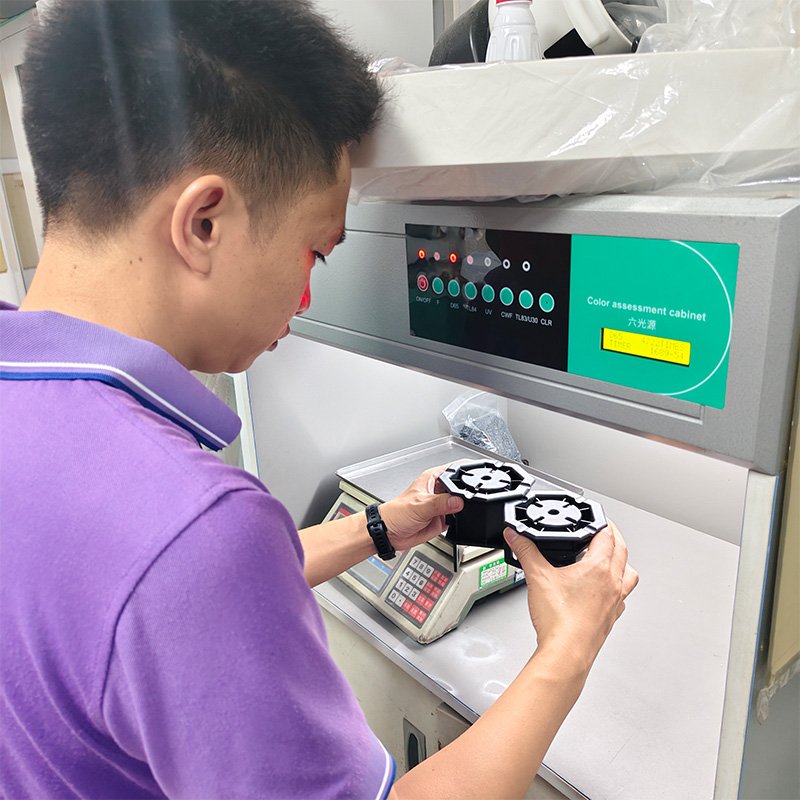
- Insert position check
- Dimensional inspection
- Pull-out test
- Torque test
- Assembly test
- Visual inspection
- Material confirmation
- First article inspection
- Batch inspection
For insert molded parts, quality is not only about appearance. We check insert position, critical dimensions, pull-out strength, torque resistance, and assembly performance according to your project requirements.
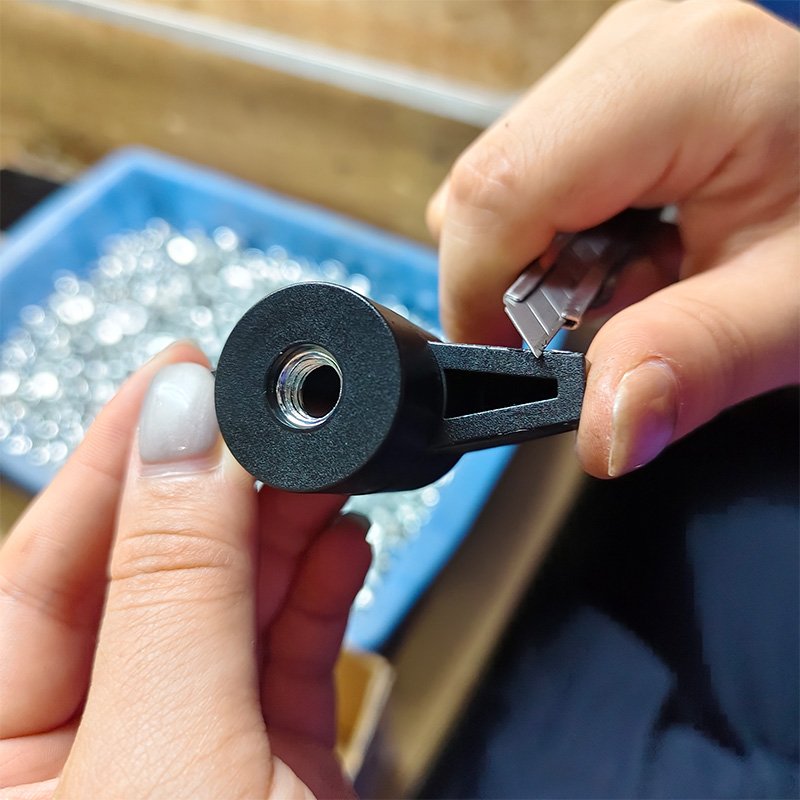
- Prototype verification
- T1 samples
- Small-batch pilot run
- Sample approval
- Mass production
- Repeat orders
Whether you need prototype validation, small-batch trial production, or long-term mass production, we support your project from early review to stable delivery.
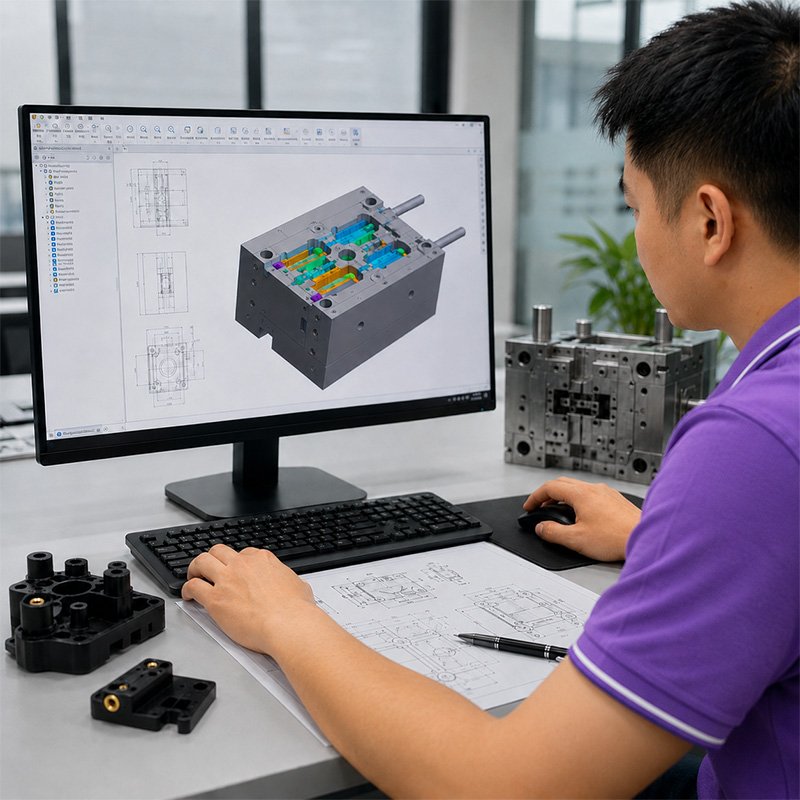
- We can provide an assessment based on 3D drawings.
- We can provide a quotation based on 2D drawings.
- We can perform a reverse engineering assessment based on physical samples.
- Even with only photos and dimensions, we can still provide a preliminary evaluation.
- We are available to discuss the details further after signing a Non-Disclosure Agreement (NDA).
No complete drawing? You can send samples, photos, rough dimensions, insert details, and application requirements. Our team can first review the insert molding feasibility.
Threaded inserts, metal nuts, terminals, pins, shafts, bushings, magnets, metal plates, and selected electronic components.
Yes. You can send samples, photos, dimensions, and application details for initial review.
Through mold positioning design, insert loading method, gate location review, molding parameter control, and inspection.
In many applications, yes. It can reduce secondary assembly and improve insert retention stability.
Yes. We review insert position, wall thickness, gate location, shrinkage, ejection, material, and assembly risks before tooling.
ABS, PC, PA, PBT, PP, POM, TPU, TPE, flame-retardant materials, glass-filled materials, and other engineering plastics, depending on the application.
Yes. Customer-supplied inserts can be reviewed for size, tolerance, orientation, and mold compatibility.