
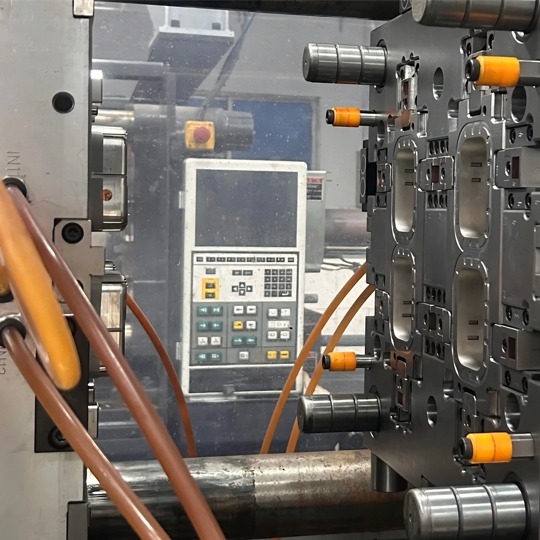
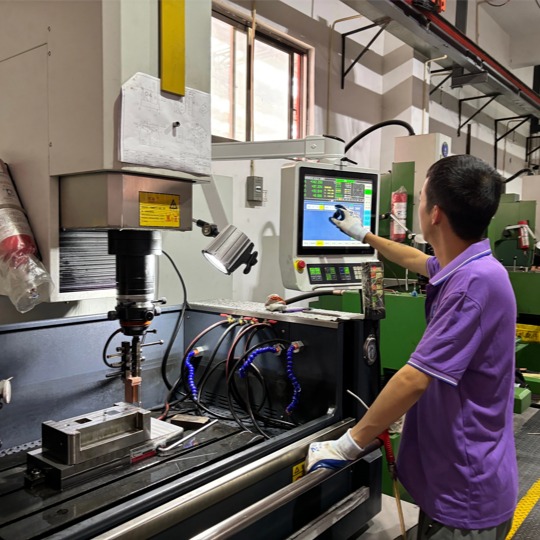
Built for Electrical Parts That Need More Than Basic Molding
- 20+ Years of Injection Molding Experience
- Engineering & FR/GF Material Processing
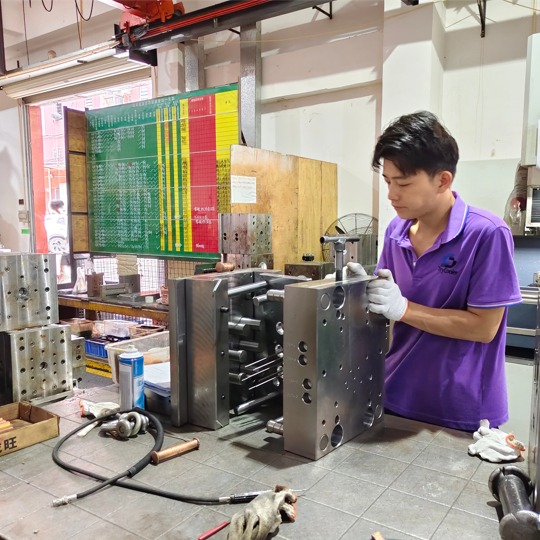
- In-House Mold Making and Production
- Insert Molding for Terminals and Metal Parts
- Assembly-Critical Dimension Control
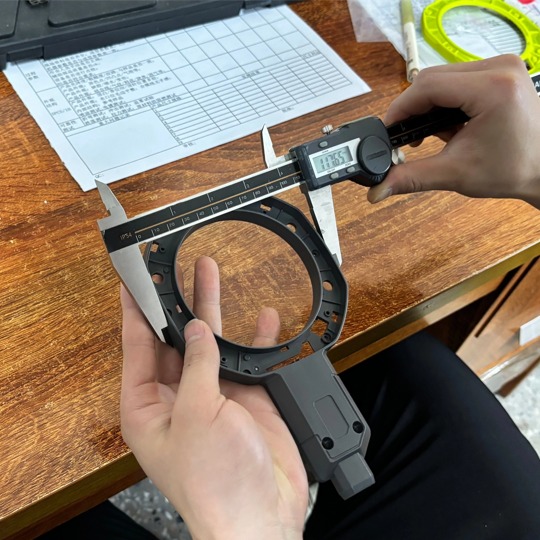
- FAI, IPQC, OQC, and Production Traceability
What Matters in Electrical Plastic Parts Manufacturing
- Specified material grades for electrical applications
- Shrinkage and warpage control for stable dimensions
- Terminal, pin and metal insert positioning
- Critical dimensions around mating and assembly
- Gate, weld line and fiber orientation review
- Approved-sample control for repeat production
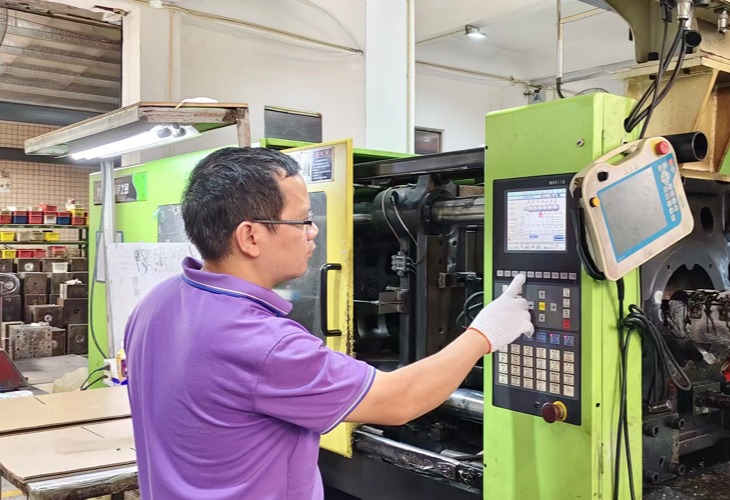
Electrical Injection Molding for Functional Plastic Components
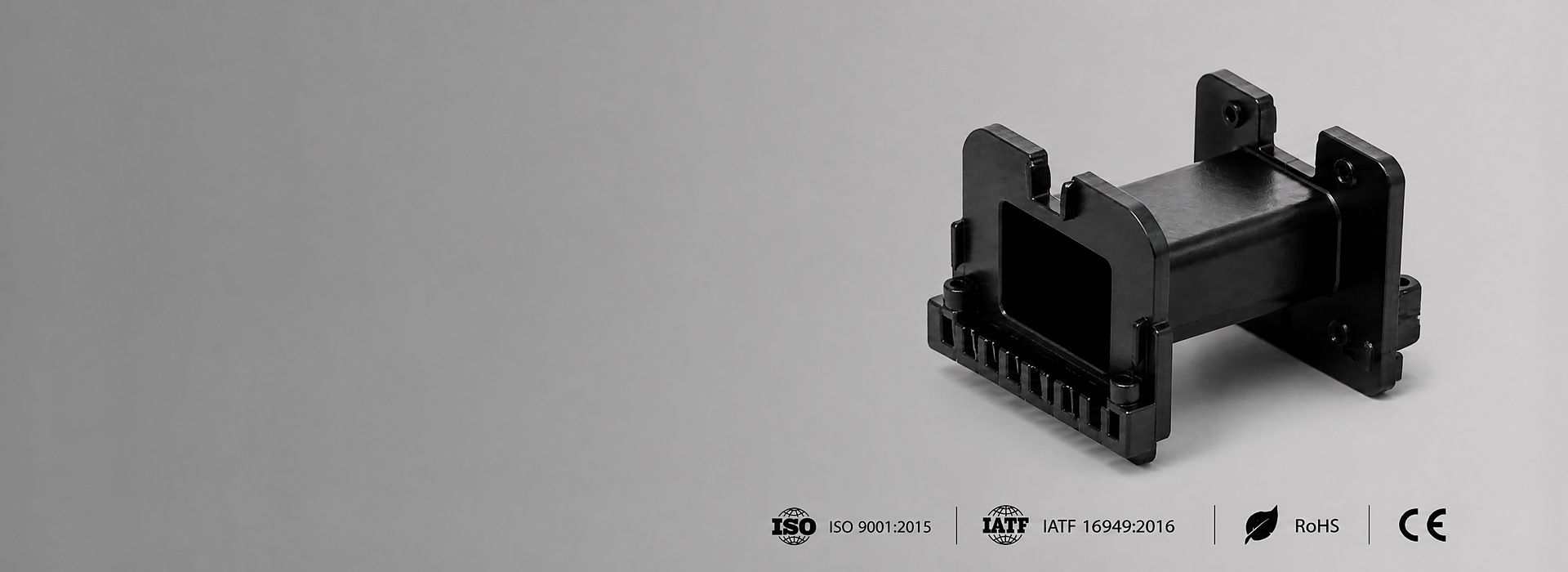
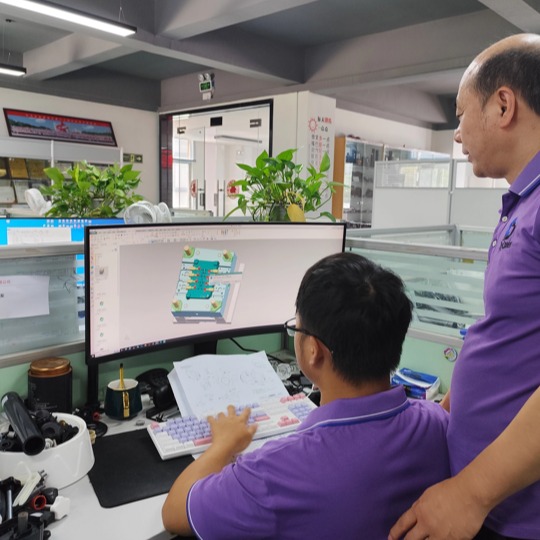
Electrical plastic parts often do more than form a housing. They may insulate electrical components, position terminals, support connectors, and maintain critical assembly dimensions. TryCooler manufactures custom electrical plastic parts from your drawings, combining DFM, in-house mold making, engineering material processing, and controlled injection molding to support reliable fit and repeat production.
Ready to move forward? Send us your 3D drawings and project requirements to receive a manufacturing review and quotation.
Electrical Plastic Parts We Manufacture
TryCooler manufactures custom electrical plastic components from your drawings, covering connection, insulation, switching, control, protection, and structural applications.
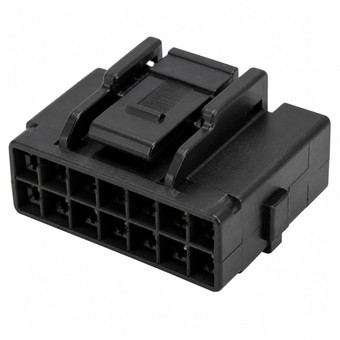
Customize connector bodies, plug housings and socket components around your terminal positions, mating fit and material requirements.
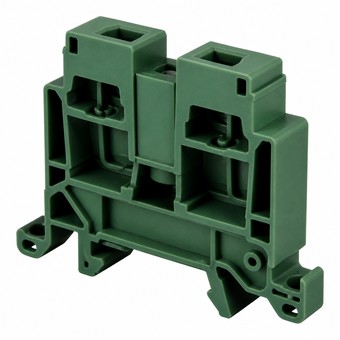
Produce terminal bases, covers and insulating bodies to match your terminal layout, mounting points and assembly requirements.
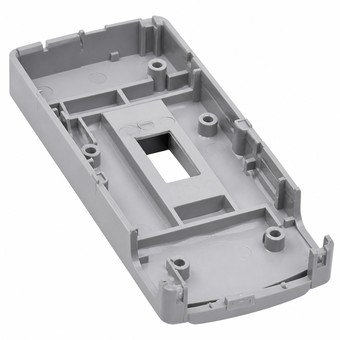
Manufacture custom bases, covers, carriers and internal molded parts according to your breaker structure and functional requirements.
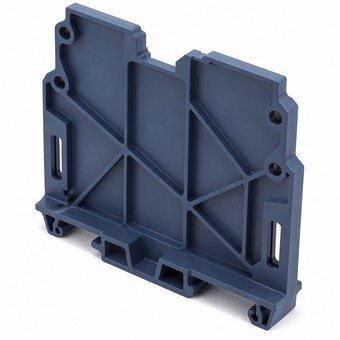
Customize barriers, supports, holders and structural parts for your switchgear assembly, insulation and dimensional requirements.
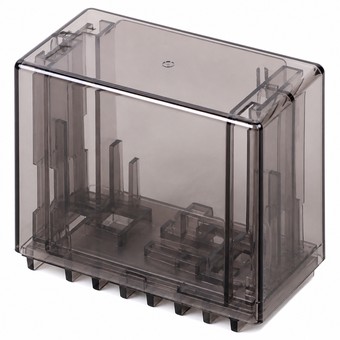
Mold relay housings, switch bodies, bobbins and related components around your contacts, coils and assembly interfaces.
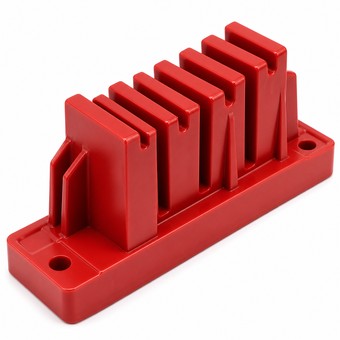
Customize plastic electrical enclosure spacers, busbar supports, and insulating components to your electrical equipment structure and material.
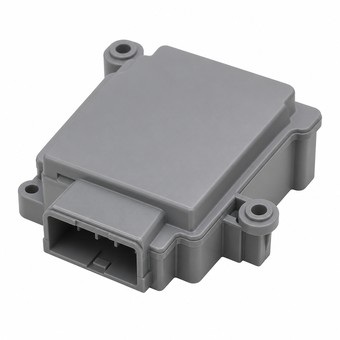
Manufacture housings and covers around your mounting features, connector openings, internal components and assembly requirements.
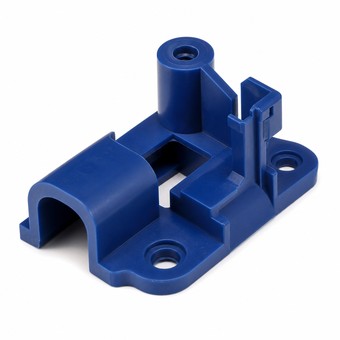
Send your 3D drawings or samples for DFM, tooling and injection molding review before production.
Engineering Materials for Electrical Plastic Parts
Choose materials around your electrical, mechanical, temperature, and dimensional requirements. TryCooler processes specified engineering material grades for custom electrical components and production molding.
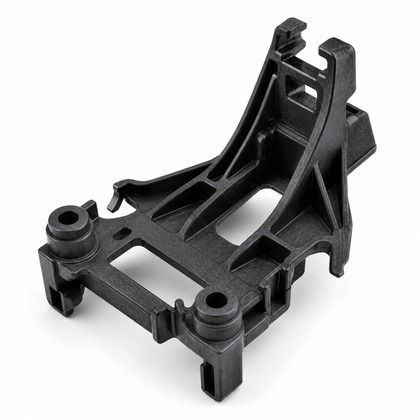 PA66 & PA66 GF
Suitable for electrical components requiring strength, stiffness and heat resistance. Glass-filled grades can support higher rigidity where dimensional stability is critical.
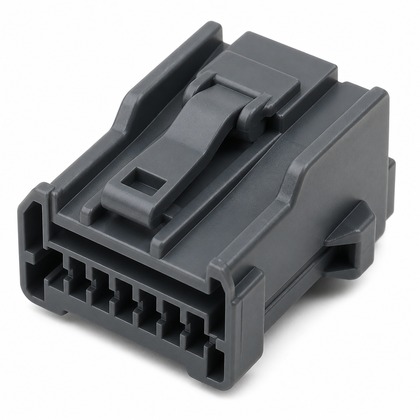 PBT & PBT GF
A common choice for connectors, terminal components and switches where low moisture absorption and dimensional stability are important.
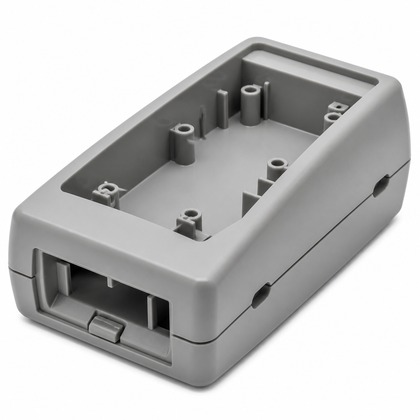 PC & PC/ABS
Used for electrical housings and covers where impact resistance, dimensional performance and appearance are important to the final assembly.
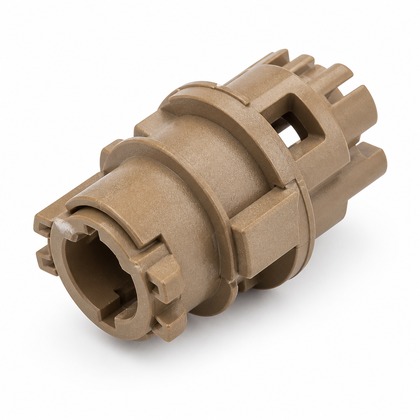 PPS & PPS GF
For electrical components exposed to higher temperatures or requiring low moisture absorption, chemical resistance, and dimensional stability.
Engineering Controls for Reliable Electrical Plastic Parts
TryCooler controls material, molding, insert positioning and assembly-critical features from DFM through mass production to reduce the risks that commonly affect electrical plastic components.

Select suitable engineering material grades for components that require electrical isolation between conductive parts.

Mold terminal locations, mounting features, and mating interfaces to the dimensions required by your final assembly.

Engineering plastics such as PBT, reinforced PA, and PPS can support stable fit where part geometry and operating conditions demand it.

Specified flame-retardant resin grades can be used where your electrical application requires defined material performance.

High-performance engineering polymers can support components operating near terminals, coils, contacts, and other heat-generating areas.

Mold ribs, bosses, barriers, clips, connector openings, and other functional features directly into one plastic component.

Terminals, pins, and threaded inserts can be integrated with the molded plastic where your component design requires metal-to-plastic assembly.

Once tooling and molding conditions are approved, injection molding supports repeat production of complex electrical plastic components at scale.
Terminal & Insert Molding for Your Electrical Components
When terminals, pins, or metal inserts are molded into your plastic part, injection pressure, material flow, and shrinkage can affect their final position, pitch, height, and surrounding flash. These variations can directly influence connector fit, contact areas and final assembly.
Before tooling, TryCooler reviews your insert datums, locating method, shut-off surfaces, surrounding wall thickness, and material flow. During T1 and production, terminal position and assembly-critical dimensions are checked against your approved requirements to support consistent repeat molding.
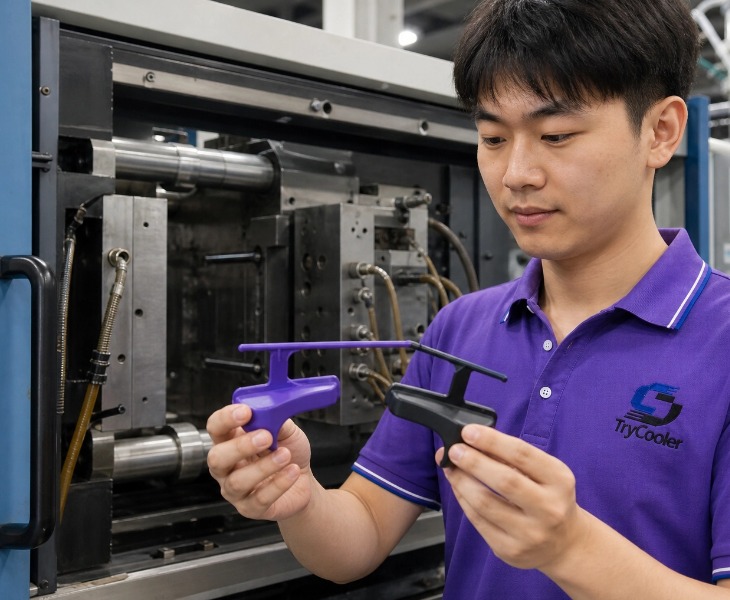
Built for Demanding Electrical Plastic Parts
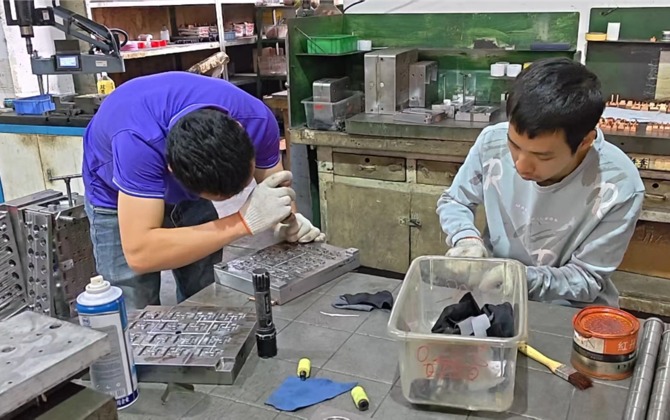
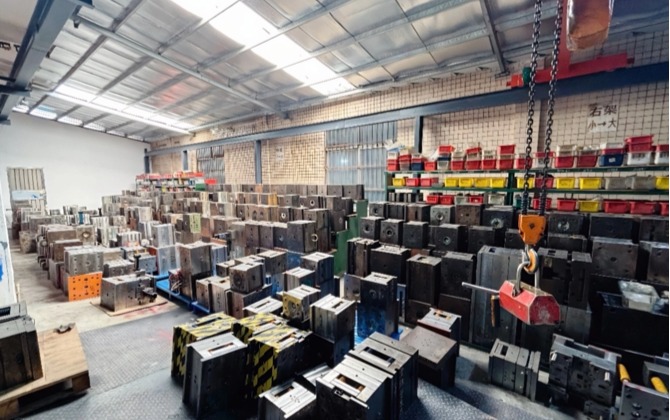
Electrical plastic parts often involve flame-retardant or glass-filled materials, metal terminals, tight mating features, and dimensions that directly affect final assembly. TryCooler combines in-house mold making with injection molding, so these requirements can be considered from DFM and tooling through T1 validation and repeat production.
The result is not simply a molded part, but a manufacturing process built around your material, assembly, and production requirements.
Electrical Plastic Parts Projects
See how TryCooler supports electrical plastic part projects involving metal inserts, glass-filled materials, critical assembly dimensions, and volume production requirements.
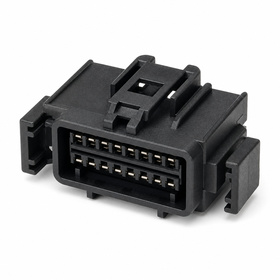
Terminal position was the key risk in this connector project. Multiple metal terminals had to remain aligned after molding, while the surrounding contact areas could not tolerate excessive flash. TryCooler focused the tooling design on insert locating, shut-off control, and melt flow around the terminals, then used terminal pitch and mating fit as the main validation points during sampling.
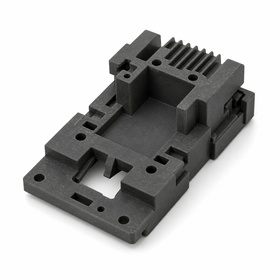
The challenge here came from the material itself. A glass-filled engineering resin provided the stiffness required for the breaker component, but also introduced directional shrinkage that could distort mounting and mating features. By adjusting wall transitions, gate direction, and cooling strategy before tooling, TryCooler reduced the risk of warpage around the areas that mattered most to final assembly.
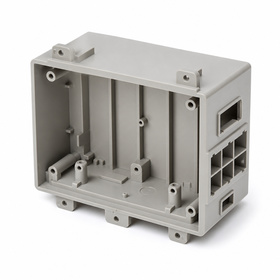
An electrical equipment housing required a specified flame-retardant resin, together with stable mounting, connector openings, and internal assembly features. TryCooler reviewed the approved material grade, wall transitions, ribs, bosses, and draft before tooling, then verified the critical housing dimensions during T1. This helped reduce sink and deformation risks while maintaining the fit required for the customer’s internal electrical assembly.
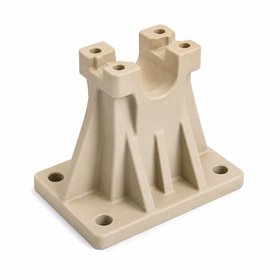
A molded insulating support for switchgear needed sufficient rigidity while maintaining the required spacing and mounting geometry around the electrical assembly. TryCooler reviewed the reinforced resin, rib structure, gate direction, and mounting features before mold manufacturing. T1 samples were checked for flatness, mounting position, and final fit, allowing the customer to validate the component before moving into repeat production.
Electrical Plastic Parts Manufacturing Details
Review key material options, molding considerations, and production controls for electrical plastic parts. TryCooler helps you evaluate material selection, structural requirements, and manufacturing feasibility before moving into tooling and mass production.
- Materials & Electrical Requirements
- Mold & Production Options
- Critical Features & Inspection
| Material | Typical Requirements | Common Electrical Parts | Project Notes |
| PA66 / PA66 GF | Strength, heat resistance, rigidity | Connectors, breaker parts, terminal components | Glass-filled grades require warpage, shrinkage and fiber-orientation review. |
| PBT / PBT GF | Dimensional stability, low moisture absorption | Connectors, switches, terminal housings | Common for precision electrical components where stable fit is important. |
| PC / PC-ABS | Impact resistance, housing performance | Covers, enclosures, control housings | Flame-retardant grades can be processed when specified for the project. |
| PPS / PPS GF | High temperature, chemical resistance, low moisture absorption | High-performance electrical components | Suitable for demanding thermal or chemical environments; exact grade should be confirmed. |
| PEI | Heat resistance, dimensional stability, electrical insulation | Specialized electrical components | Used where elevated-temperature performance and dimensional control are required. |
| Option | Suitable For | What We Review | Customer Value |
| Single-Cavity Mold | Lower volume or larger / more complex parts | Tooling cost, cycle time, part complexity and critical features | Lower initial tooling complexity when volume does not justify multiple cavities. |
| Multi-Cavity Mold | Higher-volume connectors and small electrical parts | Cavity balance, dimensional consistency, cooling and annual demand | Improves production efficiency while requiring tighter cavity-to-cavity control. |
| Cold Runner | Many engineering plastics and moderate production volumes | Runner waste, gate location, tooling cost and process stability | Simple, maintainable tooling where runner material and cycle economics are acceptable. |
| Hot Runner | Higher-volume projects where material usage and cycle efficiency matter | Material thermal stability, gate design, maintenance and residence time | Can reduce runner waste and improve production efficiency when compatible with the resin. |
| Insert Molding | Terminals, pins, threaded inserts and stamped metal components | Insert positioning, shut-off, flash, surrounding wall thickness and insert movement | Integrates metal and plastic features while controlling assembly-critical insert position. |
| Family Mold | Select related parts with compatible material and production demand | Filling balance, part size, cavity layout, and demand ratio | Can reduce tooling investment when related parts are technically compatible. |
| Critical Feature | Why It Matters | Typical Inspection | Project Focus |
| Terminal Position | Affects contact alignment, connector fit and final assembly | CMM, fixture or vision inspection | Check pitch, height, alignment and insert position against approved requirements. |
| Mating Dimensions | Determines connector, housing or component fit | CMM, caliper or functional gauge | Prioritize the dimensions that directly affect mating and functional assembly. |
| Mounting Hole Position | Affects installation and equipment alignment | CMM or dedicated fixture | Review datum strategy and positional tolerance where specified. |
| Flatness | Important for mounting, mating and sealing surfaces | Surface plate or CMM | Especially relevant for long, flat or glass-filled electrical components. |
| Insert Position | Controls metal-to-plastic alignment and downstream assembly | CMM, fixture and visual inspection | Verify insert shift, rotation, exposure and surrounding plastic coverage. |
| Flash Around Contacts | Can interfere with electrical or mechanical interfaces | Visual inspection, gauge or fixture | Focus on contact areas, pin openings, threads and mating surfaces. |
| Cavity Consistency | Important for repeatability in multi-cavity production | Cavity identification plus dimensional checks | Compare key dimensions by cavity to help isolate variation and tooling issues. |
| Assembly Fit | Confirms the molded part works with mating components | Functional assembly test or dedicated fixture | Use the customer-approved assembly relationship as the final functional reference. |
Our biggest concern was the fit between the molded housing, terminals, and mating connector. TryCooler identified the critical dimensions before tooling and explained which areas needed tighter control. After T1, they checked the connector fit and dimensional results before moving forward. The parts assembled properly, and the production process was much more predictable than we expected.
 Engineering ManagerElectrical Equipment Manufacturer
We had already completed the product design, but we wanted a molding supplier who would review the part carefully before cutting steel. TryCooler’s team pointed out several areas related to wall thickness, draft, gate location, and assembly fit that could have created problems later. We discussed the changes before tooling, which made the T1 stage much smoother. The engineering communication was clear and practical throughout the project.
 R&D EngineerElectrical Control Systems Manufacturer
Our previous concern with overseas suppliers was that the samples looked good, but production parts could vary later. With TryCooler, the approved T1 samples, critical dimensions, and material requirements were confirmed before mass production. We appreciated that they treated the approved sample as a production reference instead of considering the project finished after T1. The repeat orders have been much easier to manage.
 Sourcing ManagerElectrical Products OEM
This project included several metal terminals molded directly into the plastic body, so terminal movement and flash around the contact areas were major concerns for us. TryCooler reviewed the insert positioning and mold structure before tooling. The T1 samples showed good terminal alignment, and the same key positions continued to be checked during production. Their engineering feedback gave us much more confidence in the process.
 Product Development EngineerElectrical Components Company
We specified a glass-filled engineering resin because the part needed higher stiffness and dimensional stability. Our concern was warpage, especially around the mounting and mating areas. TryCooler reviewed the wall structure, gate location, and critical dimensions before mold making. The first samples were measured and adjusted based on the actual assembly. The final parts fit well and remained consistent when the project moved into production.
 Mechanical EngineerIndustrial Electrical Equipment OEM
We process engineering plastics including PA6, PA66, glass-filled PA, PBT, glass-filled PBT, PC, PC/ABS, PPS, PEI, and other specified grades. Material selection should be confirmed according to your electrical, mechanical, temperature, and assembly requirements.
Yes. We can process specified flame-retardant resin grades according to your project requirements. If UL94 or other material performance requirements apply, please provide the required grade, rating, thickness or approved material specification for review.
Yes. Electrical insert molding can include terminals, pins, threaded inserts and other metal components. Before tooling, we review insert positioning, shut-off areas, surrounding wall thickness and molding flow to reduce shifting, flash and dimensional variation.
Yes. Critical dimensions are identified according to your drawing and final assembly, including terminal position, mounting points, mating features, connector openings and related datums. These dimensions can then be verified during sampling and production inspection.
T1 samples are reviewed for molding condition, dimensions, appearance and assembly-related features. Where required, terminal position, flatness, mating fit and other critical characteristics are checked before the approved sample and drawing become references for production.