
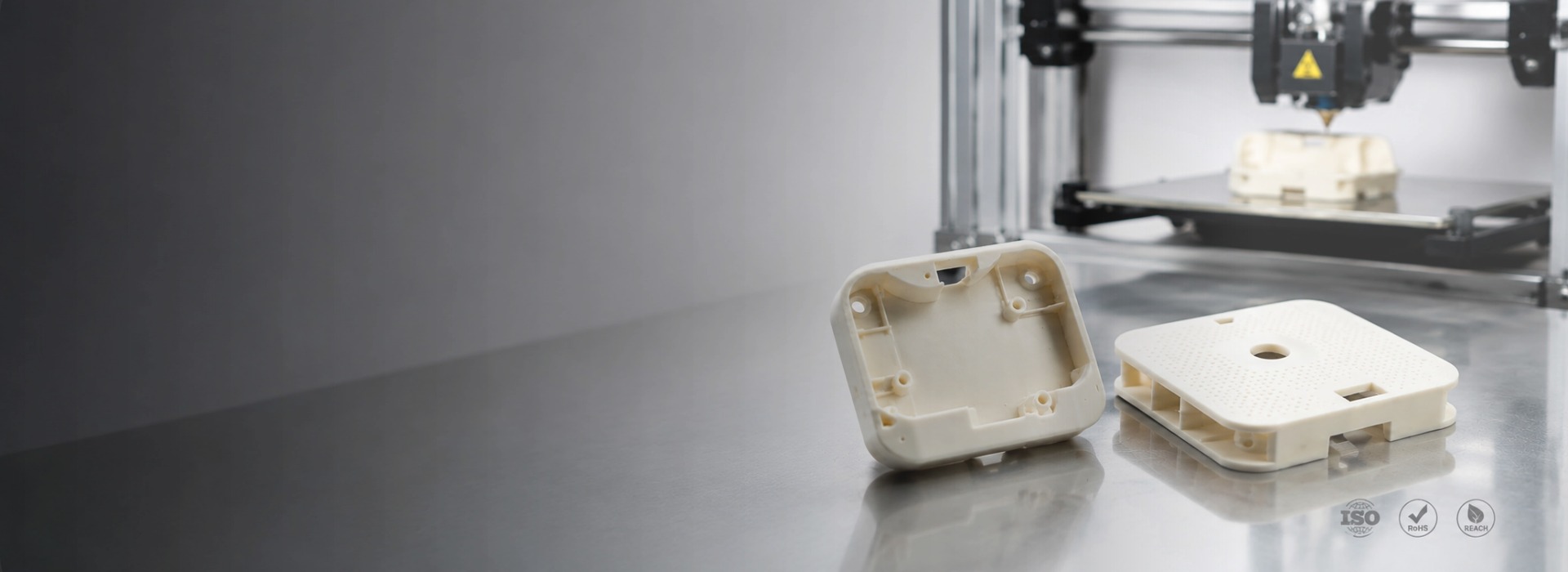
Get Your Custom 3D Printed Parts Reviewed
Upload your CAD files and project requirements. Our engineering team will review your design, recommend suitable materials, and provide guidance from prototype validation to injection molding production.


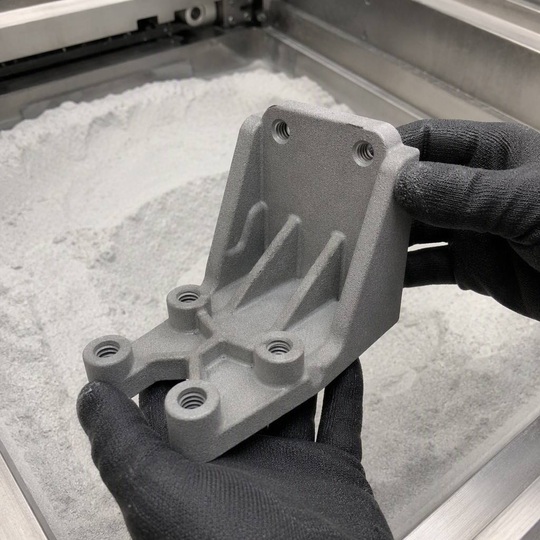
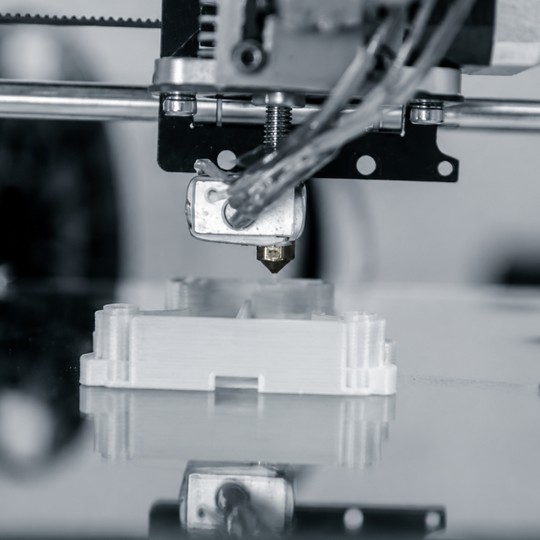
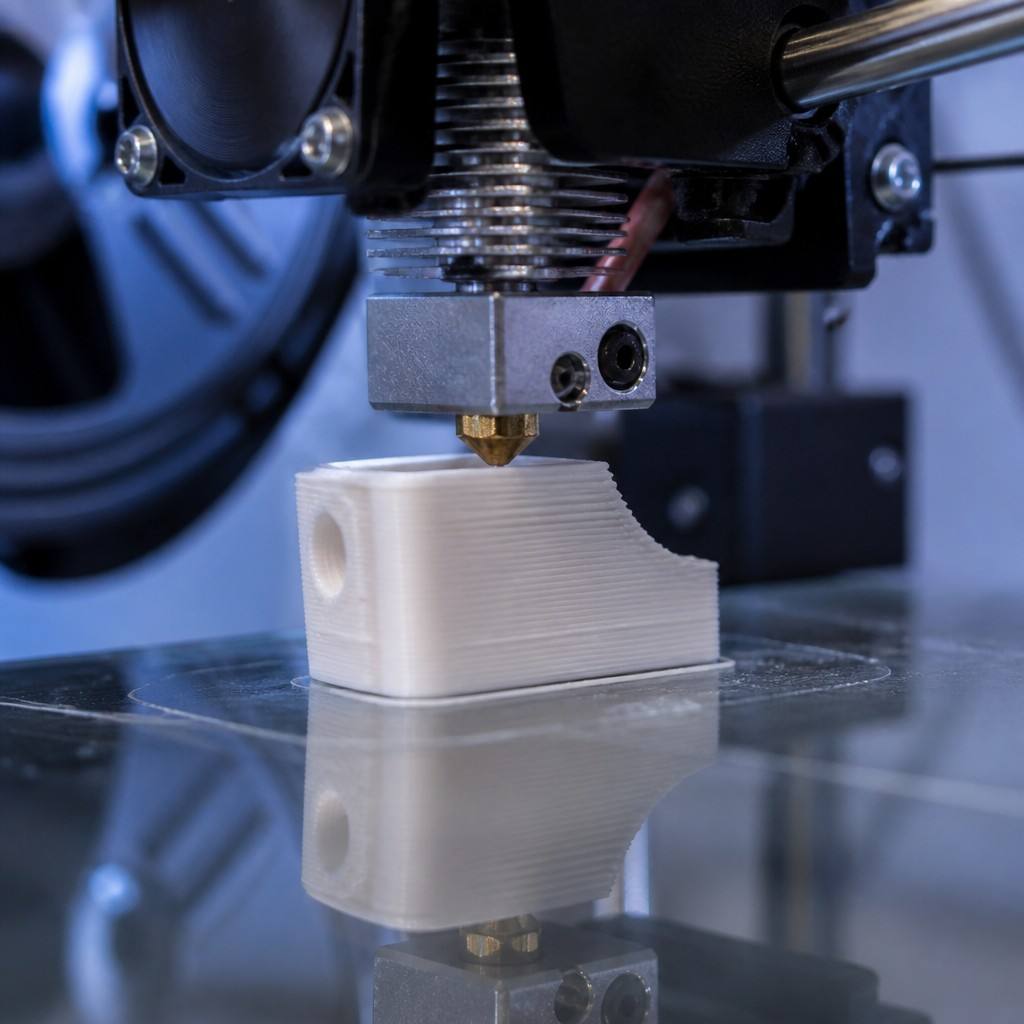
Why Use 3D Printing Before Injection Molding
- Validate part design before tooling
- Check fit, assembly, and product function
- Identify design issues earlier
- Reduce mold modification risks and costs
- Support faster product iteration
- Prepare for smoother injection molding production
Why Choose TryCooler for 3D Printing Service
- 20+ Years Plastic Manufacturing Experience
- Engineering Support Before Production
- Custom 3D-Printed Plastic Parts
- Functional Prototype Validation
- Flexible Low-Volume Production
- Transition to Injection Molding
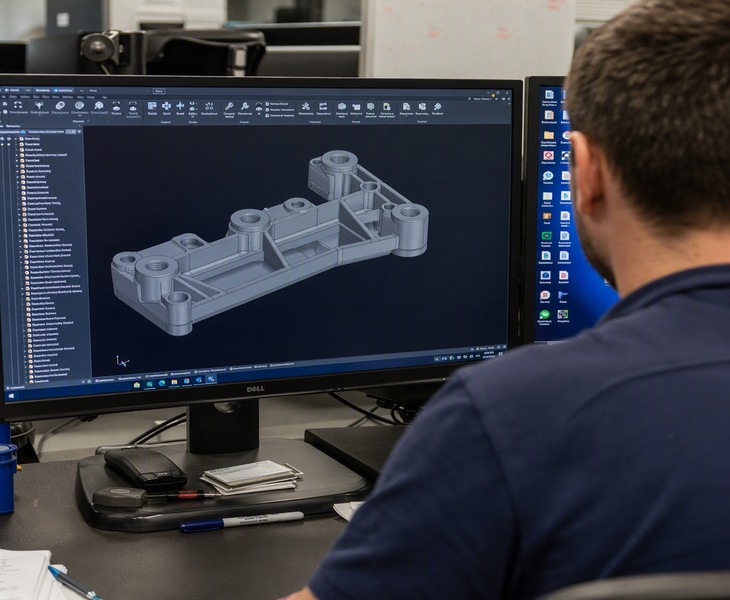
3D Printing Service for Prototype Validation and Product Development
With our professional 3D printing services, you can quickly produce samples and use these prototypes to evaluate your design, test fit and functionality, and make improvements before going into production. Whether you need 3D-printed prototypes for product development, custom 3D-printed parts for functional evaluation, or small-batch production samples, TryCooler provides flexible solutions to support your project from prototype development through injection molding production.
Upload your CAD files now so our team can review your project and recommend the right solution based on your needs.
3D Printing Solutions for Plastic Prototypes
TryCooler recommends the appropriate 3D printing technology based on your part design, material requirements, precision needs, and testing objectives.
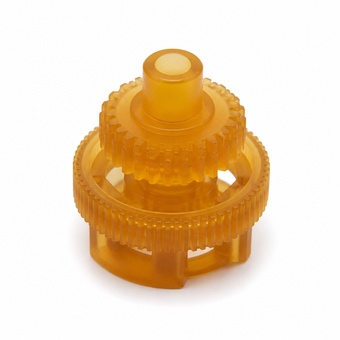
Cost-effective prototypes with thermoplastic materials for functional testing, design verification, and early-stage product development.
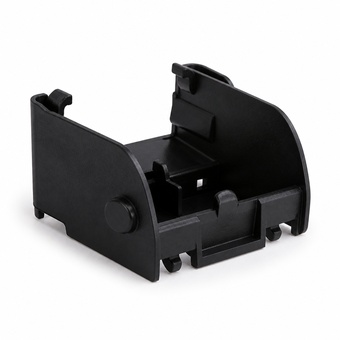
Ideal for prototypes that require fine details and a smooth surface, such as housings, appearance models, and presentation samples.
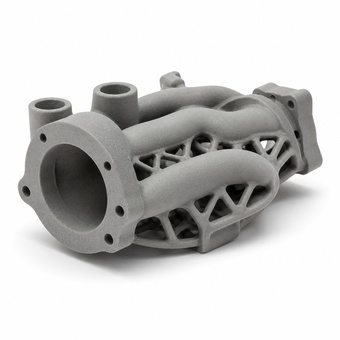
SLS 3D printing creates robust parts with complex geometries for functional testing of complex designs and small-batch production.
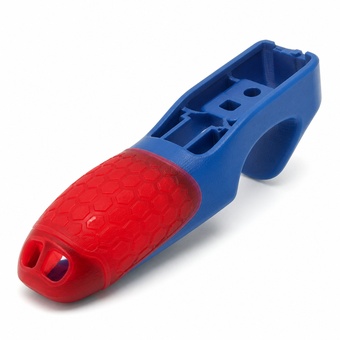
Production-like plastic parts with excellent strength and consistency for functional prototypes and low-volume production.
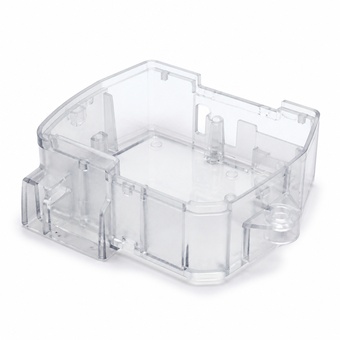
PolyJet 3D printing technology can produce multi-material, multi-color prototypes for visual inspection, design validation, and realistic product testing.
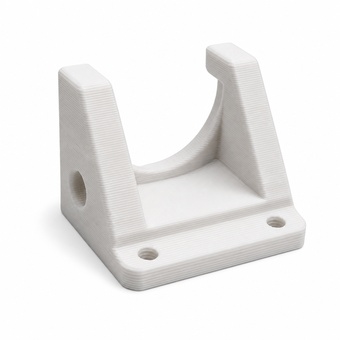
High-resolution resin prototypes for detailed models, small precision parts, and design verification.
3D Printing Applications for Plastic Parts
Use our 3D printing services to create functional prototypes, custom plastic parts, and small-batch samples for design validation, testing, and product development.
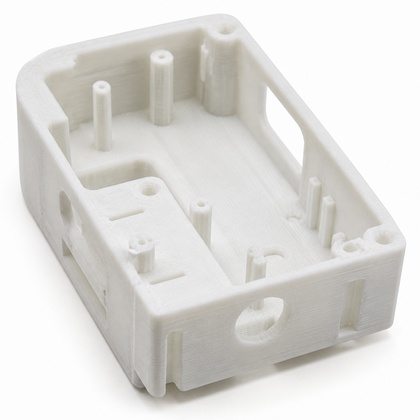 Plastic Enclosures
Custom 3D-printed parts for appearance checks, assembly testing, and product development.
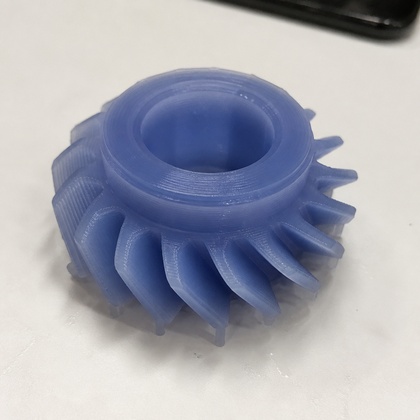 Functional Mechanical Parts
Functional mechanical parts for fit checks, assembly testing, and real-world performance evaluation.
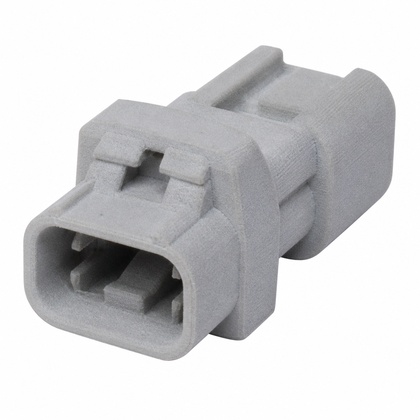 Product Development Prototypes
3D printed prototypes for design verification, assembly checks, and functional testing during product development.
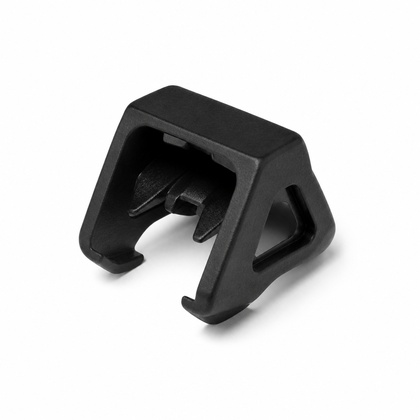 Low Volume Production Parts
Low-volume 3D printed parts for market testing, product evaluation, and small-batch production needs.
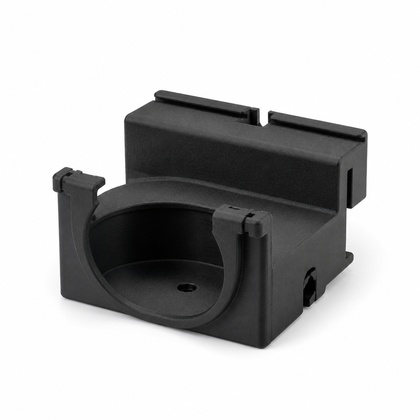 Industrial Components
Custom plastic prototypes for equipment testing, assembly checks, and design improvements.
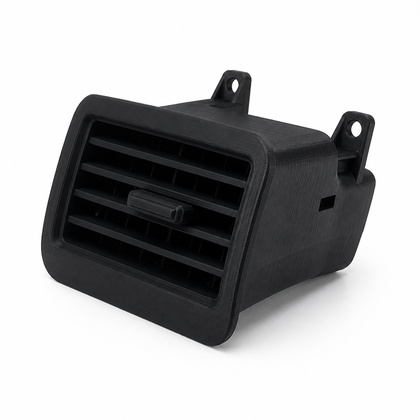 Automotive Prototype Parts
3D printed automotive prototypes for fit checks, design verification, and component testing.
Advantages of Our 3D Printing Service
Combining 3D printing expertise with injection molding experience, we provide reliable solutions from prototype development to production preparation.

Our experienced engineers review your CAD files and provide expert feedback tailored to your design requirements and prototyping needs.

Develop prototypes for future production, supported by Trycooler’s in-house mold manufacturing and injection molding capabilities.

Create custom 3D-printed plastic parts from your CAD files, including housings, covers, brackets, and functional components.

Before moving into mass production, create 3D-printed prototypes for fit-and-assembly checks, assembly verification, and functional testing.

You can choose from a variety of materials—including PP, PC, ABS, nylon, and TPU—based on strength, flexibility, appearance, and testing requirements.

Low-volume custom-produced 3D-printed parts are ideal for product testing, market evaluation, and early-stage production needs.

We can enhance the appearance of prototypes through surface treatments such as sanding, polishing, and painting for visual evaluation and product presentation.

Before shipping, inspect the dimensions, appearance, and assembly fit of the 3D-printed samples to ensure they meet project requirements.
Choose the Right Prototype Solution for Your Testing Needs
Different projects require different prototyping solutions. TryCooler can help you choose the right solution for your needs, whether for design review, assembly testing, or functional validation. Depending on how you plan to evaluate your parts, you can select from a variety of materials, printing methods, and surface finish options.
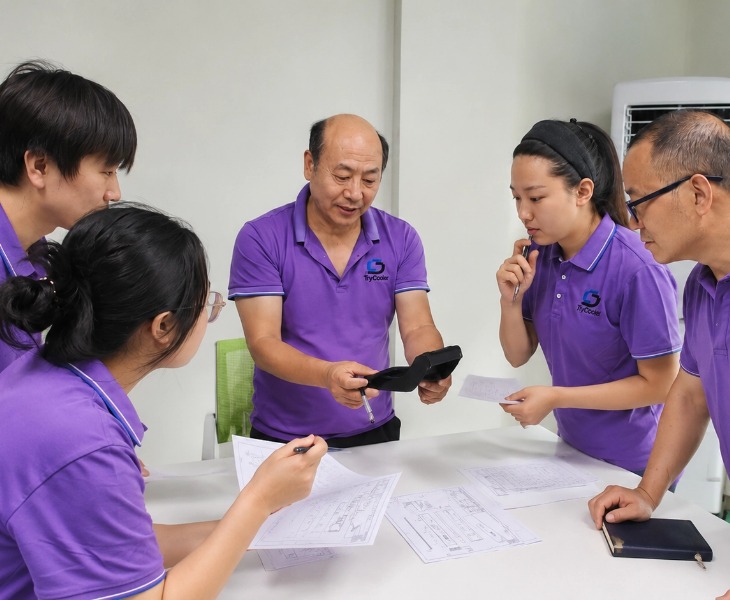
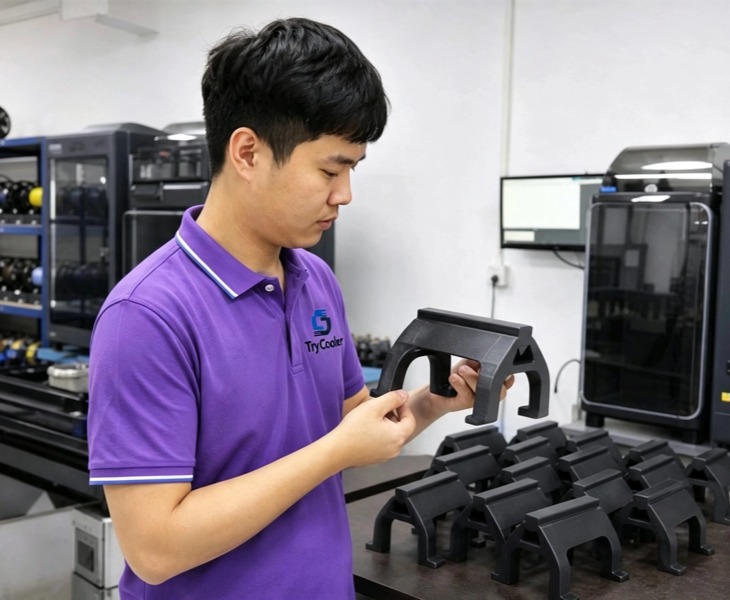
Validate Your Design Before Moving Into Production
You can use 3D-printed prototypes to verify part fit, assembly requirements, and product performance before investing in production tools. TryCooler helps you identify design improvements early on and bring your product to market with greater confidence.
Upload Your CAD File
Start Your 3D Printing Project

Submit your 3D files and project details for our engineering team to review your requirements.

Get a quotation for custom 3D printed parts based on your design, material, and quantity requirements.

Share your requirements with our team and get professional recommendations for your 3D printing project.
See How Customers Use 3D Printing to Validate and Develop Their Products
In these cases, customers typically use 3D-printed prototypes for design validation, product testing, and development before proceeding with injection molding production.
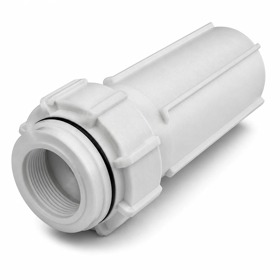
A US-based water filtration company needed to validate a new water purifier design before injection molding. TryCooler created 3D printed prototypes for assembly testing, product demonstrations, and market evaluation. After successful validation, the customer moved forward with injection mold development and mass production.
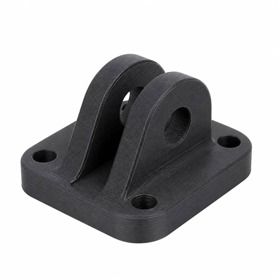
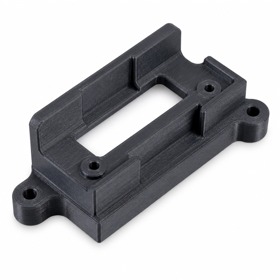
A Thailand-based industrial manufacturer needed high-volume HDPE plastic components with strict material and color specifications. TryCooler provided 10 3D-printed evaluation samples to help the customer check the design and confirm the part requirements before moving into injection molding production.
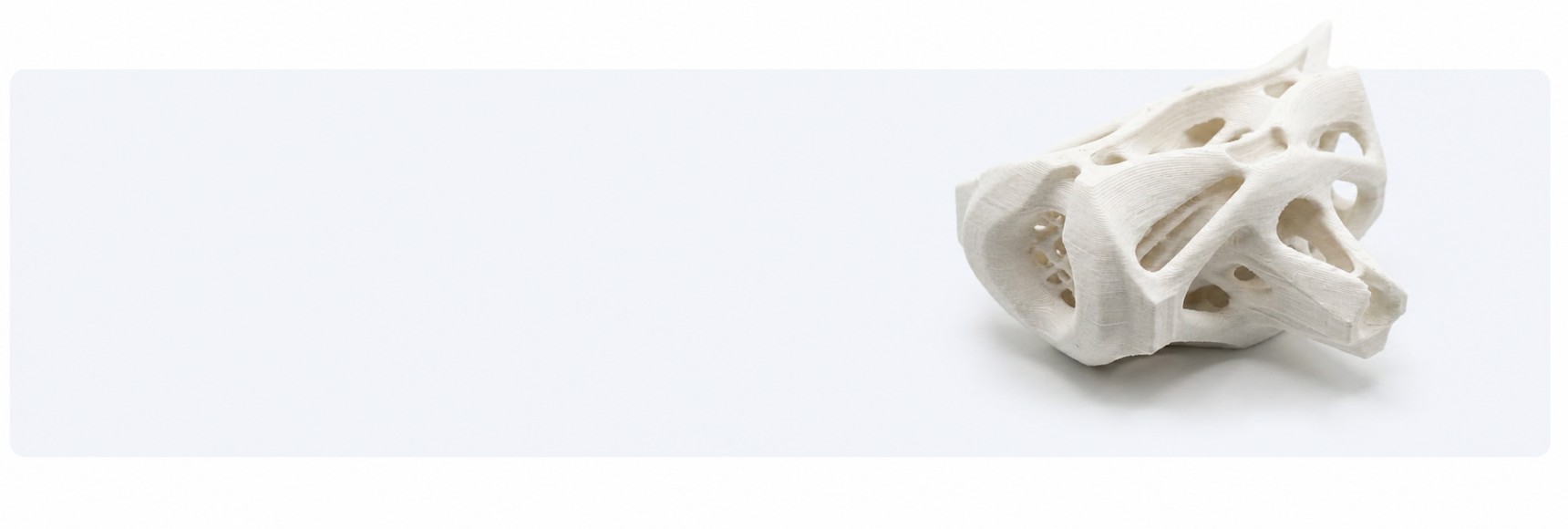
An American musical instrument brand is developing a new guitar component and wants to explore different colors and visual effects before moving forward with production. The client is particularly concerned about the final appearance and requires physical samples for comparison. To support this phase of development, we recommend creating 3D-printed prototypes first. This will allow the client to examine the 3D-printed samples firsthand, compare multiple design options, and make a clearer decision on the final product direction before proceeding to the next manufacturing step.
3D Printing Specifications and Project Guidelines
Here you can explore available materials, lead times, finishing treatments, printing technologies, and real-world applications, helping you pick the right 3D printing solution for your prototypes and small-batch builds.
- Material Options
- Lead Time & Production
- Finishing Options
- 3D Printing Technologies
- 3D Printing Applications
| Material | Typical Applications | Key Features |
| ABS | Functional prototypes, housings, covers, and general-purpose parts | Good balance of strength, impact resistance, and dimensional stability |
| PLA | Concept models and visual prototypes | Cost-effective option for early design review and appearance checks |
| Nylon | Functional parts, mechanical testing, and durable components | High strength, toughness, and wear resistance for demanding applications |
| Resin | Appearance prototypes, detailed models, and presentation samples | Smooth surface finish and excellent detail reproduction |
| TPU | Flexible parts, seals, and soft components | Flexible, elastic, and suitable for parts requiring rubber-like properties |
| Project Type | Typical Lead Time |
| Standard Prototypes | 2–7 Working Days |
| Complex Parts | 7–10 Working Days |
| Multiple Prototype Combinations | Based on quantity and project complexity |
| Finishing Services | Additional Time Required |
| Finishing Method | Application |
| Support Removal | Remove printing marks and improve appearance |
| Sanding | Smooth surface improvement |
| Polishing | High-quality appearance prototypes |
| Painting | Custom color matching for appearance models and product presentation samples |
| Texture Finishing | Simulate production surface effects |
| Assembly | Prototype evaluation and functional testing |
| Technology | Suitable Applications | Advantages |
| FDM 3D Printing | Large prototypes, functional testing | Cost-effective and practical |
| SLA 3D Printing | Appearance models, detailed parts | High accuracy and smooth surface |
| SLS 3D Printing | Complex structures, functional parts | No support structure required |
| MJF 3D Printing | Durable prototypes, low volume parts | Good consistency and production capability |
| DLP 3D Printing | Small precision parts | High detail accuracy |
| Application | Typical Parts |
| Automotive Prototypes | Interior parts, housings, brackets |
| Medical Device Prototypes | Device housings, testing models, components |
| Consumer Product Prototypes | Product shells, handles, functional parts |
| Electronics Prototypes | Enclosures, covers, structural components |
| Industrial Equipment Prototypes | Machine parts, functional assemblies |
| Robotics & Automation | Robot housings, fixtures, custom components |
See How Customers Benefit From Our 3D Printing Service
Perfect support from prototype to production. TryCooler helped us validate our design with 3D-printed samples and move forward with injection molding confidently. The team was professional, responsive, and easy to work with.
 StantonProduct Development Team, USA
Great experience working with TryCooler. The 3D-printed prototypes allowed us to review different appearance options before production and make sure the final design matched our expectations. The team was professional, responsive, and easy to work with.
 JessicaUSA Musical Instrument Brand
We appreciated TryCooler’s support during this project. Their 3D Printing Service helped us review the part design and confirm our material and specification requirements before production. The team communicated clearly and provided reliable support throughout the project.
 NattapongIndustrial Manufacturing Company, Thailand
Yes. We support common CAD formats, including STEP, STP, IGS, and X_T. After reviewing your files, our team will confirm the 3D printing method, material selection, and any design considerations before proceeding with production.
Yes. We offer grinding, polishing, painting, and assembly services to improve the surface finish, add custom colors, and prepare prototypes for testing or display.
Yes. Our engineers can review your design and suggest improvements related to part structure, material selection, and printing requirements to help create better prototypes.
Most 3D-printed prototypes can be completed within 2–7 business days. Lead times depend on part size, design complexity, materials, quantity, and finishing requirements. After reviewing your CAD files, we will confirm the estimated delivery schedule.
Upload your file, and our engineers will check for wall thickness, overhangs, and other critical factors.