
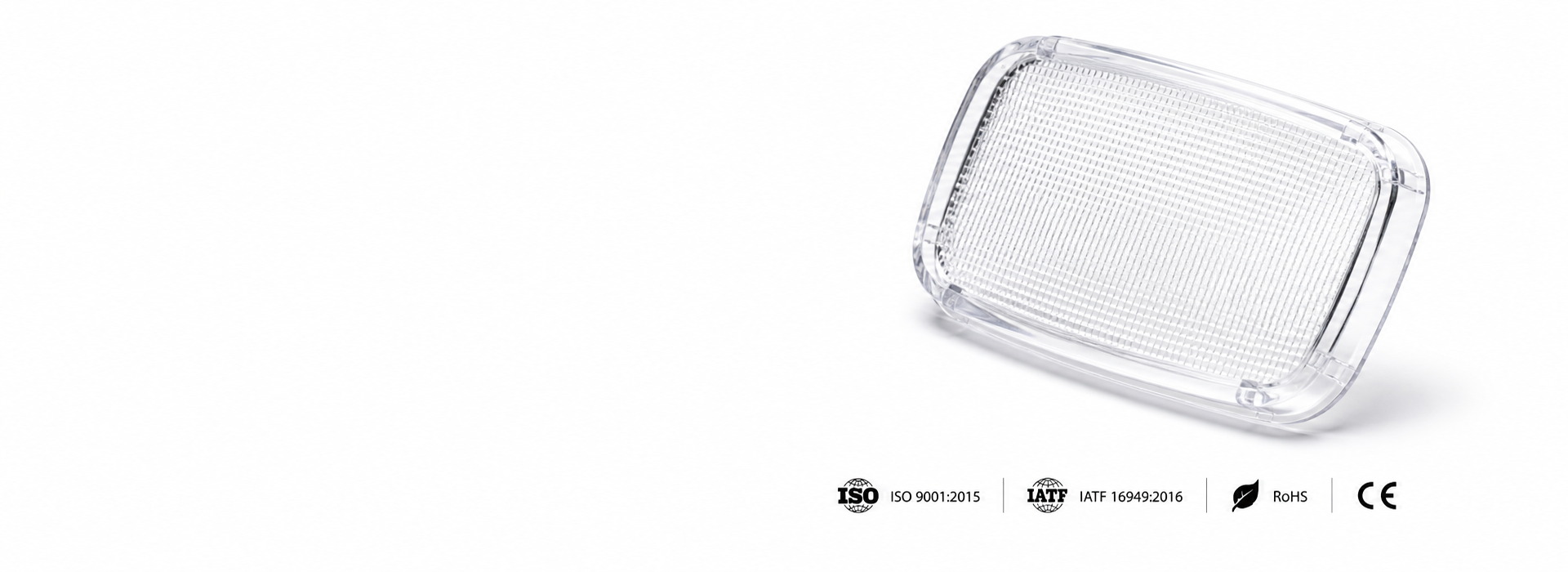
Built for Clear, Cosmetic, and Production-Ready Acrylic Parts
- Made to Your 3D Drawings or Samples
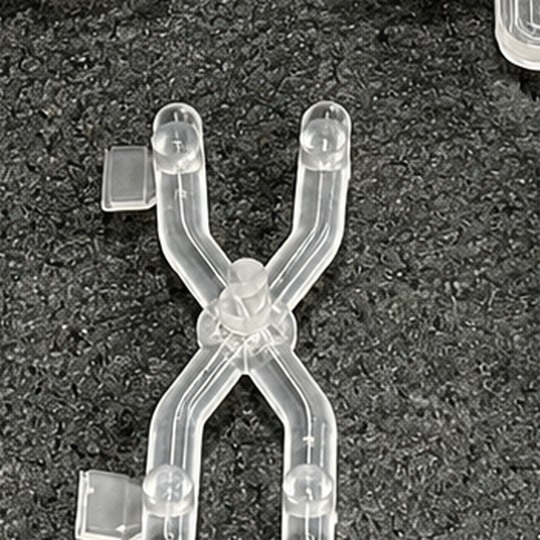
- Visible Surface & Gate Review Before Tooling
- Mold Surface & Polishing Control for Clear Parts
- Acrylic Grade Review for Real Use Conditions
- In-House Mold Making with T1 Sampling
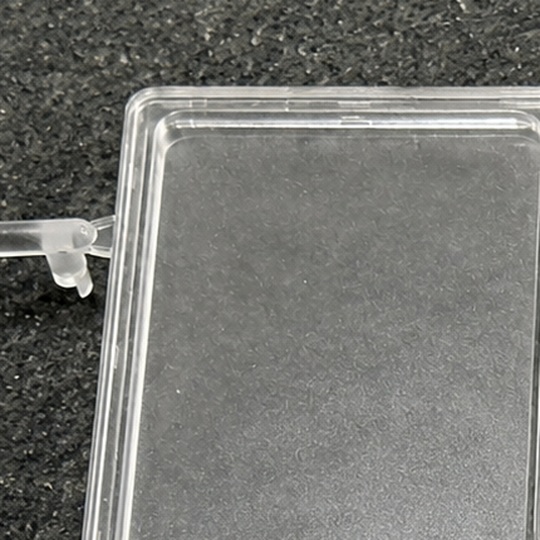
- Protective Inspection and Packaging for Clear Parts
When is Acrylic the Right Material for Your Parts?
- Glass-like clarity for covers, windows, and visible components
- High-gloss surfaces for premium cosmetic parts
- Good UV and weathering performance for suitable outdoor applications
- Higher surface hardness than many common transparent plastics
- Clear, tinted, opaque, and light-management appearance options
- Good dimensional stability for precision molded components
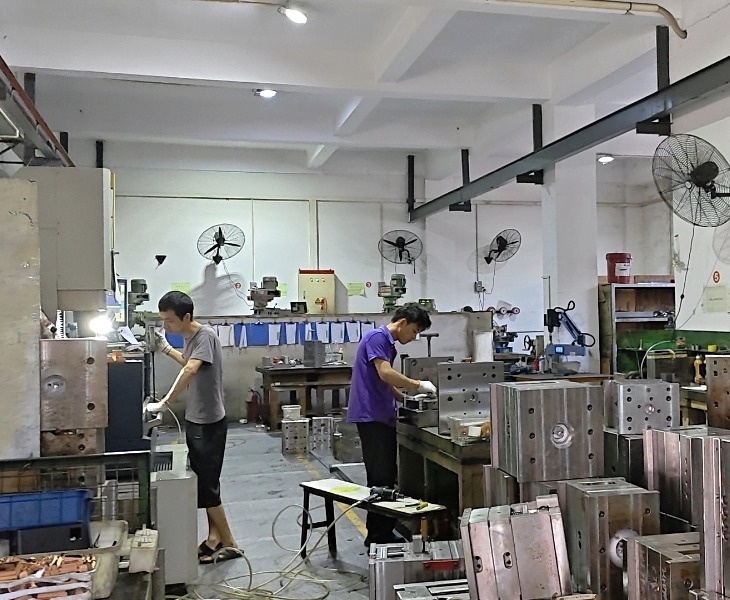
Custom PMMA Plastic Products Manufacturer
TryCooler manufactures custom PMMA Plastic Products and acrylic parts based on your 3D drawings or physical samples. From DFM review and in-house mold making to injection molding, secondary operations, and assembly, your project stays within one manufacturing workflow. For clear, tinted, or cosmetic acrylic parts, we review visible surfaces, gate locations, material grades, and assembly risks before tooling, helping you reduce mold revisions and achieve more consistent appearance and fit from T1 samples to mass production.
Acrylic Parts for Your Product Requirements
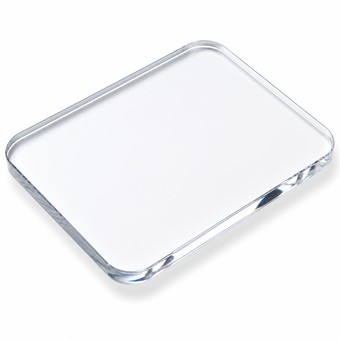
Keep displays, indicators, or internal components visible through your custom acrylic window.
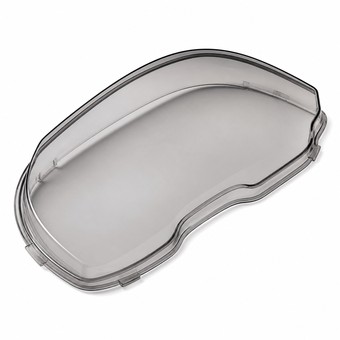
Protect your display or control panel while maintaining the clear or tinted appearance your product requires.
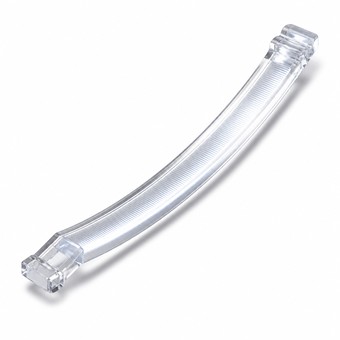
Direct or transmit light through your acrylic component for LEDs, illuminated areas, and other lighting functions.
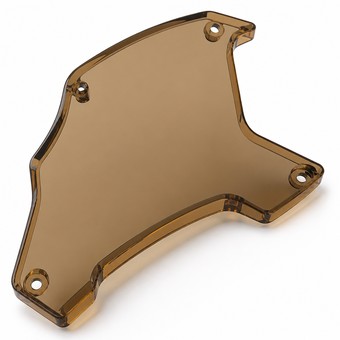
Match your smoke, amber, blue, or other transparent color to the actual wall thickness of your part.
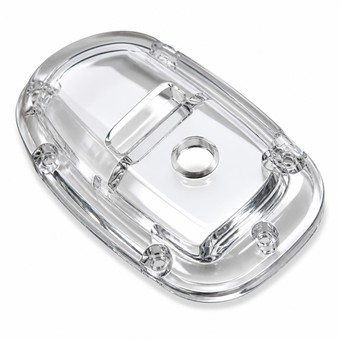
Give your product a clear, glass-like or high-gloss appearance with molded Acrylic cosmetic components.
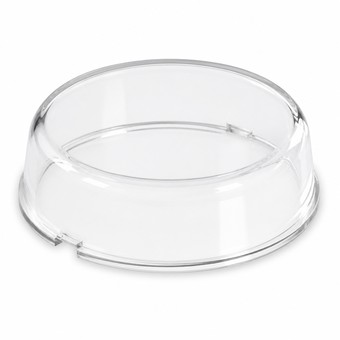
Protect your internal components while keeping important displays, indicators, or mechanisms visible.
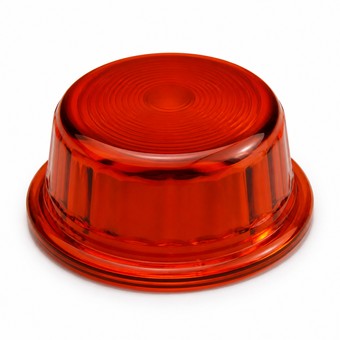
Use clear or colored Acrylic covers to achieve the light appearance required by your indicator or lighting assembly.
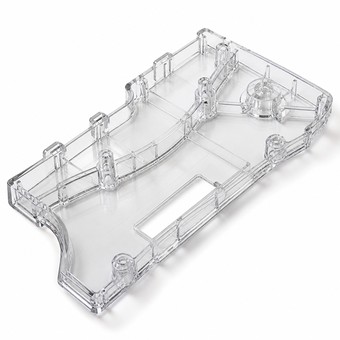
Build mounting features, bosses, and assembly structures into your Acrylic part based on your 3D drawings or samples.
Why Acrylic Works for Your Clear Plastic Part
When your product needs clear visibility, controlled light transmission, a premium cosmetic surface, or long-term outdoor appearance, Acrylic can offer a strong combination of optical and molding performance. The final grade should still be selected based on your impact, temperature, chemical exposure, and assembly requirements.

Keep your displays, indicators, or internal components clearly visible through the molded part.

Give your product a clean, high-gloss appearance where the clear surface is part of its visual design.

Use clear, tinted, diffusing, or optical PMMA grades for LEDs, light guides, and illuminated interfaces.

Suitable PMMA grades help your clear covers and lenses retain their appearance under UV and weather exposure.

Create clear, smoke, tinted, or opaque appearances around the actual thickness and visual requirement of your part.

Build windows, ribs, bosses, and mounting features into one custom Acrylic molded component.

Maintain controlled dimensions for your windows, covers, and mating assemblies after process approval.

Reproduce polished cavity surfaces and detailed cosmetic features where surface quality matters to your finished product.
Keep Your Clear Acrylic Parts Protected Through Production
Your Acrylic part can meet its dimensions and still fail visually because of contamination, flow marks, residual stress, or scratches. We control material preparation, molding, handling, inspection, and packaging around the visible-surface requirements of your part, helping you keep the approved appearance from T1 samples through repeat production.

Acrylic Engineering focus
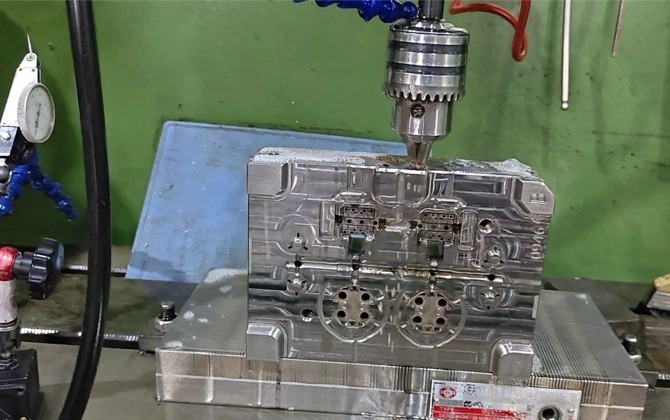
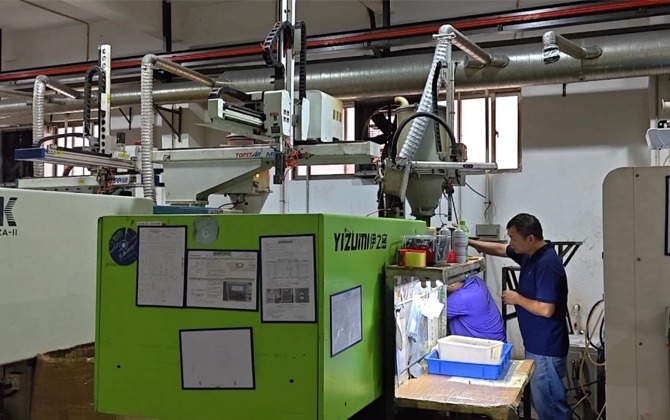
Your visible surfaces are reviewed before tooling, so gate, parting line, ejection, and mold-finish decisions can be planned around the areas that matter most to your product appearance.
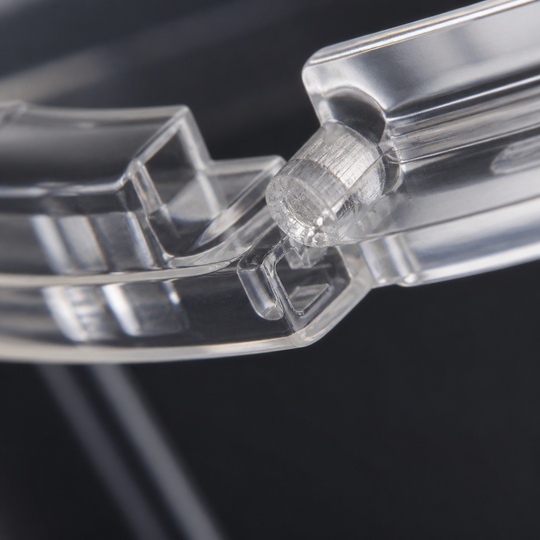
Your Acrylic parts are reviewed for molding and assembly stress, especially around snap-fits, screws, and press-fits where residual stress can later contribute to crazing or cracking.
Plan Your Acrylic Parts Before Tooling
Review Acrylic grades, part design, and visible surfaces based on your actual application before tooling.
- Acrylic Grade Selection
- Acrylic Design & Tooling Review
- Clear-Part Acceptance
| Acrylic Grade Type | Best Considered For | What You Should Evaluate |
| General-Purpose Acrylic | Clear covers, windows, and cosmetic parts | Clarity, appearance, dimensions and normal operating conditions |
| High-Flow Acrylic | Thin-wall or longer-flow molded parts | Filling distance, wall thickness and mechanical requirements |
| Optical-Grade Acrylic | Light guides, lenses and optical areas | Haze, light transmission, surface replication and optical defects |
| Impact-Modified Acrylic | Parts needing better resistance to impact or cracking | Impact requirement, clarity and surface-hardness trade-offs |
| Heat-Resistant Acrylic | Parts exposed to higher operating temperatures | Actual temperature, load, and long-term dimensional requirements |
| Customer-Specified Grade | Projects with approved brands, certifications, or existing BOMs | Exact resin brand, grade, and compliance documents |
| Design Area | What We Review | Why It Matters for Acrylic |
| Visible Surfaces | A-surfaces, optical zones, and hidden areas | Determines where gate, parting, and ejector marks can be accepted |
| Wall Thickness | Thick sections and abrupt thickness changes | Can affect cooling, bubbles, sink, flow appearance, and stress |
| Gate Location | Position relative to visible or optical areas | Influences gate marks, flow direction and weld-line location |
| Draft Angle | Long polished walls and demolding direction | Helps reduce drag marks and demolding stress |
| Inside Corners | Sharp transitions and local radii | Reduces stress concentration and cracking risk |
| Snap-Fits | Deflection and root geometry | Acrylic should not be treated like a highly flexible plastic |
| Screw Features | Boss geometry and tightening condition | Excessive local stress may cause crazing or cracking |
| Press Fits | Interference and long-term assembly load | Continuous stress can become a later failure risk |
| Acceptance Area | What We Check | Why It Matters |
| Visible Surface | Approved cosmetic areas and allowed tooling marks | Confirm which surfaces are critical before sample approval |
| Transparency | Required visual clarity or customer-specified optical criteria | Dimensionally correct does not automatically mean visually acceptable |
| Black Specks & Contamination | Visible foreign particles in clear areas | Transparent Acrylic makes contamination easy to see |
| Bubbles / Voids | Internal defects, especially in thicker sections | Thick sections require closer visual review |
| Flow & Weld Lines | Location and visual acceptance | Visible lines may affect cosmetic or optical areas |
| Gate Appearance | Gate location and remaining gate condition | Gate evidence should match the approved visible-surface standard |
| Transparent Color | Approved sample, actual thickness and viewing condition | Transparent color can look different at different part thicknesses |
| Critical Dimensions | CTQ and assembly-related dimensions | Protect fit and mating conditions, not only standalone dimensions |
| Assembly Fit | Snap, screw, gap, interference and mating components | Assembly stress can expose risks not visible on the loose part |
| Surface Protection | Handling and packaging required to prevent scratches | A clear part can pass inspection and still arrive cosmetically damaged |
Testimonials
Our main concern was whether the clear surface would still look clean after molding. The team reviewed the visible areas and gate position before tooling, and the T1 samples were much closer to our appearance expectations than we anticipated. The approval process was straightforward, and the production parts remained consistent with the approved samples.
 MichaelProduct Development Manager
We needed a smoke-tinted Acrylic cover, and the color looked noticeably different depending on the wall thickness. Instead of matching only to a color code, they checked the appearance on the actual part and adjusted it based on our sample. That saved us several rounds of back-and-forth.
 DanielMechanical Engineer
The Acrylic window had to fit into an existing housing, so we were concerned about cracking during assembly. Their engineers reviewed the interference and mounting features before the mold was finalized. The samples fitted correctly without forcing the part, which made our final assembly much easier.
 JamesEngineering Manager
With clear plastic parts, small scratches or black specks are immediately noticeable. What we appreciated most was that the team treated appearance as part of the acceptance standard, not just dimensions. The first production batch matched the approved T1 parts well and arrived properly protected.
 EricSourcing Manager
Acrylic is often preferred when your product needs high clarity, a glass-like appearance, good surface hardness, or weatherability. PC is usually worth evaluating when impact resistance, repeated flexing, or higher assembly deformation is more important. The final choice should follow your actual use environment and product requirements.
Yes, but the snap geometry and required deflection should be reviewed carefully. Standard Acrylic is relatively rigid, so long-term strain or excessive snap deformation may increase cracking risk. We recommend checking the snap length, root radius, assembly direction, and actual deflection before tooling.
Cracking can be related to molding stress, sharp corners, snap-fits, press-fits, screw tightening, or chemical exposure. These risks should be reviewed together rather than treated as a material problem alone. Structural changes, fit adjustments, or a different Acrylic grade may be considered where necessary.
Visible areas should be identified before mold design. Gate position, filling direction, and part geometry can then be reviewed around the appearance requirements of your part. Some gate evidence is unavoidable, so the goal is to place it where it has the least impact on the approved visible surface.
Yes. Acrylic can be molded in clear, tinted, translucent, and opaque appearances depending on the selected resin and color system. For transparent colors, the final appearance should be evaluated at the actual part thickness because the same color can look different through different material thicknesses.
Many Acrylic grades are selected for outdoor applications because of their weathering and UV performance, but the exact grade still matters. Long-term sunlight exposure, temperature, color, mechanical load, and required service life should be considered before material approval.