
What Is Overmolding?
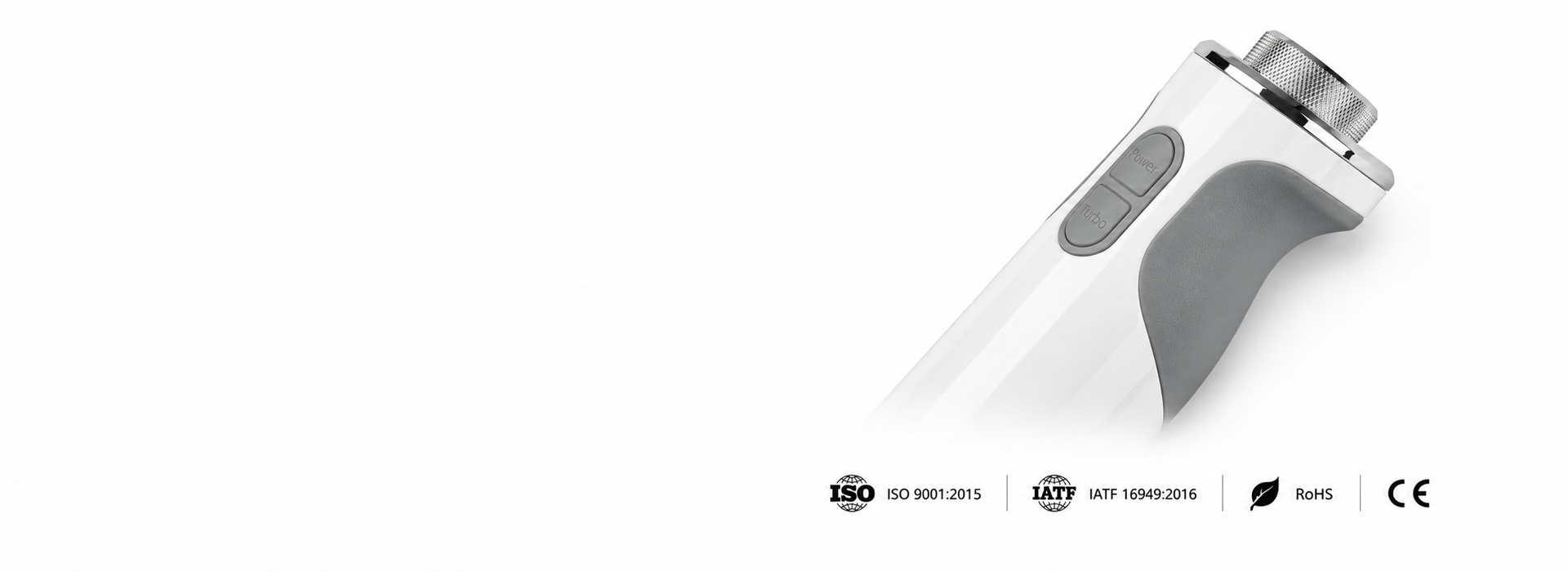
Overmolding is an injection molding process that combines two or more materials into a single component by molding one material over a preformed substrate, creating integrated parts with different functional and tactile properties.
At TryCooler, our custom overmolding capabilities combine rigid plastics with suitable materials such as TPE, TPU, and LSR to produce components with improved grip, integrated sealing, cushioning, and surface protection. From industrial handles and electronic housings to consumer products and automotive components, our overmolding solutions can help reduce separate assembly operations, simplify product construction, and enhance overall functionality and appearance.
Whether you’re developing a new product or improving an existing design, contact TryCooler to discuss your overmolding project and explore a suitable manufacturing solution.
Our Overmolding Options
From insert integration and multi-material molding to flexible elastomer overmolding, explore solutions for your product’s functional, structural, and material requirements.

Insert overmolding integrates metal or plastic inserts into molded parts, improving structural integration and reducing separate assembly steps. For example, metal inserts in a plastic housing provide secure fastening points for screws.

Multiple materials are injected sequentially via a multi-cavity mold or rotary mechanism within a single continuous cycle. This process, commonly known as two-shot molding, 2K or 3K molding, is ideal for high-efficiency production of complex parts in one streamlined workflow, such as dual-color buttons and ergonomic grips.
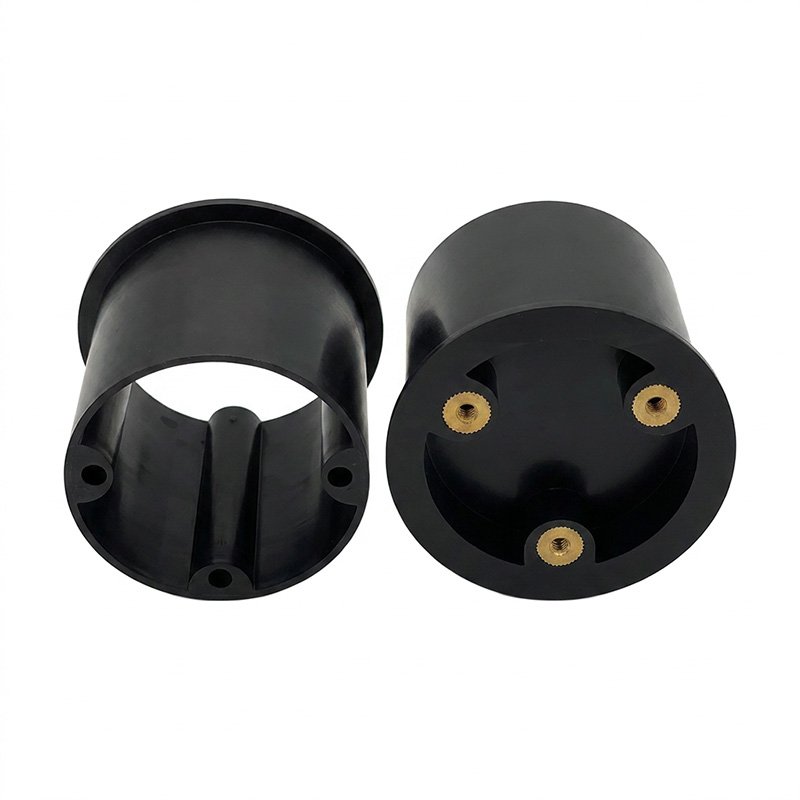
Co-injection molding combines two materials within a single molding cycle, resulting in a single part with different material properties in different areas. For example, a hard plastic core paired with a soft elastomer outer layer. This process is particularly well-suited for producing parts with significantly different properties on the inside and outside.
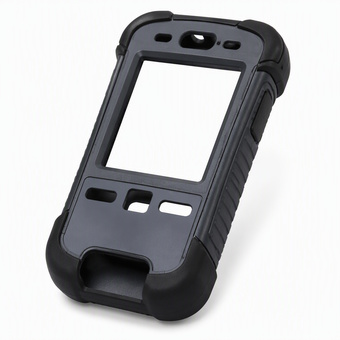
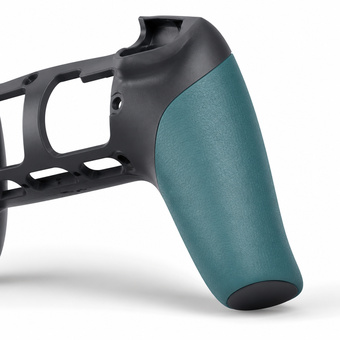
Thermoplastic elastomer (TPE) is overmolded onto a rigid substrate to create soft, flexible zones. This technology enhances product hand feel and aesthetics. Typical applications include tool grips and wearable devices, where TPE elasticity improves comfort and durability.
Combine liquid silicone rubber (LSR) with suitable substrates to create flexible components for sealing, cushioning, and other applications requiring silicone’s specific material properties. LSR overmolding is particularly well-suited for reliable applications in high-temperature and harsh environments.
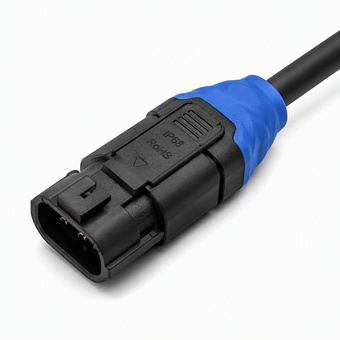
Coating the exterior of wire or cable with plastic creates a durable and sealed connection, such as a stress relief feature or protective sheathing for electronic components. This is essential for long-term, reliable applications involving movement, vibration, or humid environments.
Industries We Serve
TryCooler provides custom overmolding solutions for products that require better grip, sealing, protection, comfort and multi-material performance across different industries.
 Power Tools and Industrial Parts
Overmolded grips, handles and covers for comfort, impact protection and durability.
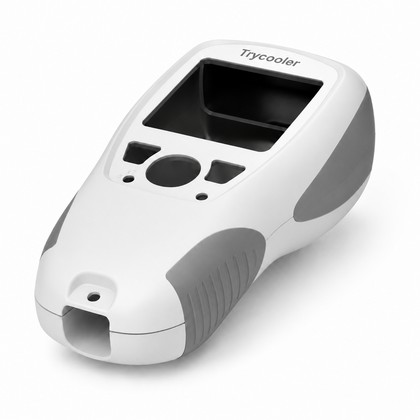 Medical and Healthcare Devices
Soft-touch handles, housings and wearable parts based on material and application needs.
 Consumer Goods and Appliances
Kitchen tools, personal care parts and household components with improved grip and appearance.
 Automotive and Mobility Parts
Interior parts, seals, pads and covers for soft-touch feel and functional protection.
 Consumer Electronics and Wearables
Overmolded housings, buttons and covers for touch feel, sealing and protection.
Integrated Overmolding Capability
Backed by 20+ years of manufacturing experience, TryCooler manages DFM, tooling, overmolding, inspection, assembly and delivery in one workflow to improve process control, lead time and supply chain efficiency.

Combine multiple functions into one component to reduce separate parts, manual assembly, and additional joining operations where the design allows.

Combine different colors, textures, and material properties to create distinctive products with integrated functional features.

Add soft-touch surfaces to handles, grips, and handheld products for improved tactile feel and more comfortable use.

Combine rigid substrates with suitable overmold materials through chemical bonding, mechanical interlocking, or both, depending on the material combination and design.

Integrate suitable elastomer features to help protect components against moisture, dust, and other environmental exposure when properly designed and validated.

Add flexible overmolded sections to cushion contact points, absorb impact, or help reduce vibration transmission in suitable applications.

Integrate selected functions into one component to reduce separate parts and potentially lower overall product weight.

With suitable tooling and controlled molding conditions, overmolding can support repeatable dimensions, appearance, and functional performance across production batches.
A Manufacturing Partner That Keeps Your Project on Track
Beyond manufacturing capabilities, successful projects need clear communication, transparent pricing, and well-defined approval steps. TryCooler helps you keep your overmolding project organized from initial discussions to repeat orders.


An Overmolding Manufacturer with In-House Mold Making
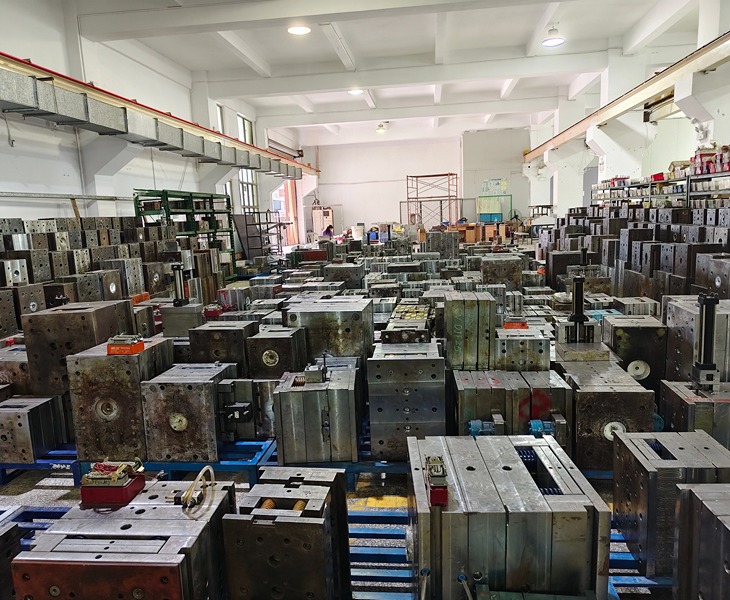
At TryCooler, mold design, mold manufacturing, and injection molding are handled within one manufacturing team. This allows us to coordinate tooling development and molding requirements from the start, helping you reduce communication gaps between suppliers and move your overmolding project from mold trials to production more smoothly.
Whether you’re developing a new multi-material component or refining an existing design, our team can support your project from tooling development to finished parts.
Engineering-Led Problem Solving
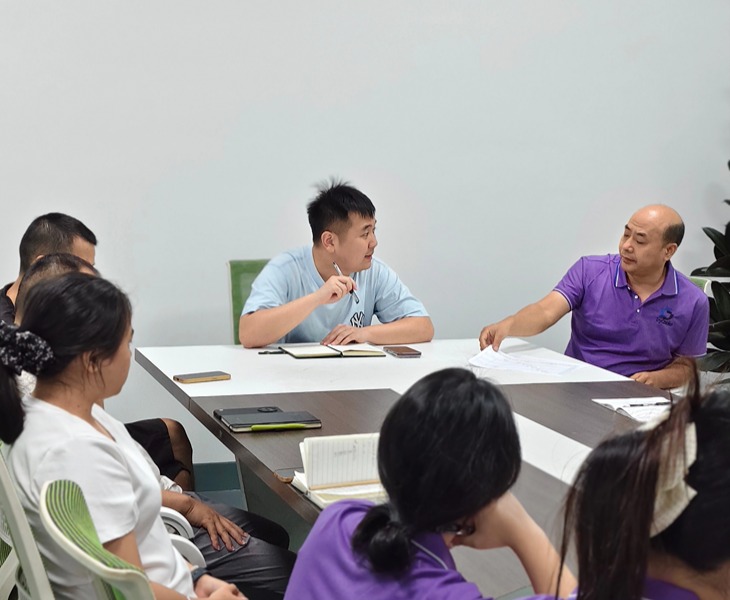
TryCooler’s founder has over 20 years of experience in mold design and manufacturing. Our engineers provide free DFM reviews to assess part design and molding feasibility before tooling begins, and analyze issues identified during mold trials. Our project team communicates these findings clearly in English and follows up on agreed action plans to keep your project moving forward.
Quality Control for Your Overmolded Parts
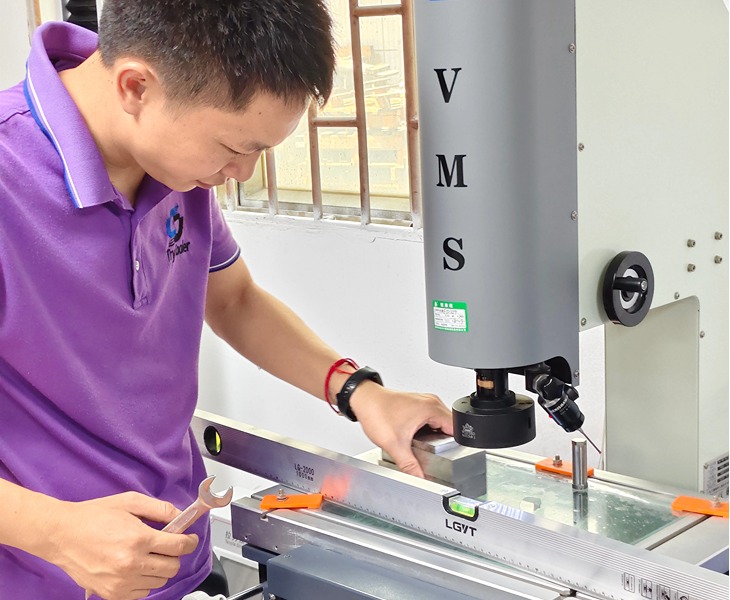
Our ISO 9001:2015 certified process helps ensure consistent quality in every production batch.From material inspection to final shipment, TryCooler checks bonding, dimensions, appearance, hardness, assembly fit, and packaging before delivery.
- Material Inspection
- First Article Approval
- Bonding and Edge Check
- Dimensional Inspection
- Appearance and Hardness Review
- Final Inspection and Packaging

Material Pairing for Reliable Overmolded Parts
Not every soft material bonds reliably with rigid substrates.
TryCooler reviews material fit, bonding design, and molding feasibility before tooling to reduce peeling, poor adhesion, and production risks.
- Common Overmolding Material Combinations
| Substrate | Overmold Material | Suitable Applications | Key Review Point |
| ABS / PC | TPE / TPU | Handles, electronic housings, consumer products, tool grips | Bonding performance, soft-touch feel, appearance, shrinkage |
| PP | Special TPE / TPV / TPO | Household products, daily-use parts, containers, plastic housings | PP has lower surface energy; special material grades or mechanical interlock may be required |
| PA / Nylon | TPE / TPU | Tools, automotive parts, industrial components, wear-resistant parts | Material drying, shrinkage difference, wear resistance, bonding structure |
| Metal Inserts | Plastic / TPE / TPU / Silicone | Connectors, threaded inserts, bushings, hardware parts, structural components | Encapsulation design, undercuts, grooves, mechanical locking |
| Rigid Plastic or Metal | Silicone / LSR | Sealing parts, waterproof parts, healthcare devices, wearable products, protective parts | Surface condition, sealing structure, bonding risk, use environment |
Your Overmolding Project, From DFM to Delivery
A clear workflow from design review to production-ready overmolded parts.
We review your drawings, material requirements, bonding areas and tooling feasibility before mold making.
We recommend suitable plastic, TPE, TPU, silicone or insert overmolding solutions based on your application.
T1 samples are provided for dimension, appearance, bonding and functional verification.
We support prototype validation, small batch trials and stable OEM mass production.
Finished parts are checked for dimensions, bonding, appearance, assembly fit and packaging before shipment.
What Our Customers Say About Working With TryCooler
The overmolded parts turned out great! The rubber grip feels just right, and the finish looks exactly as we expected. We’re very happy with the results.
 Alex MorganProduct Development Manager
We’ve worked with TryCooler on several custom plastic parts, and it’s been a pleasure. The team knows our requirements, keeps us updated, and makes the whole process much easier.
 Emily CarterOperations Manager
Great communication throughout the project. Whenever we had questions about the materials or tooling, Mandy and the engineering team were quick to respond and explain everything clearly.
 Daniel WilsonEngineering Manager
We’ve received the production parts, and everything looks good. The overmolded areas are consistent with the approved samples. Thanks to the team for another smooth order!
 Michael BennettPurchasing Manager
Common materials include ABS, PC, PP, PA, TPE, TPU, silicone, LSR, and metal inserts. The final material choice depends on bonding, hardness, product function, and application environment.
Yes. TryCooler can review your 3D files, material requirements, bonding areas, overmold thickness, and tooling feasibility before mold making.
We review material compatibility, bonding structure, mechanical interlock, overmolded edges, and molding feasibility before tooling to help reduce peeling and weak adhesion risks.
STEP or STP 3D files are preferred. We can also review 2D drawings, samples, product photos, material requirements, estimated quantity, and application details.
Yes. We support prototype samples, small batch trials, and OEM mass production based on your product structure and tooling requirements.
Our ISO 9001:2015 certified process helps ensure consistent quality in every production batch. We check material, bonding, dimensions, appearance, hardness, assembly fit, packaging, and final shipment requirements.
Yes. Your drawings, samples, and project information can be kept secure and confidential. NNN or NDA support is available for custom OEM and ODM projects.
Overmolding cost is mainly affected by material choice, mold complexity, part size, tolerance, bonding requirements, order quantity, surface finish, and secondary operations. TryCooler reviews your drawings and application needs to recommend a cost-effective and stable production solution.
Related Manufacturing Services

Integrate metal inserts into molded plastic parts for secure fastening and fewer assembly steps.
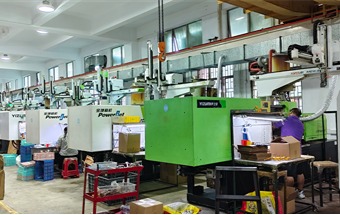
Combine two materials or colors in one molding cycle for integrated, repeatable production.

Develop custom tooling around your part design, material requirements, and production volume.

Produce your custom plastic components with support for finishing, assembly, and export packaging.

Review your part design before tooling to identify molding risks and practical improvements.
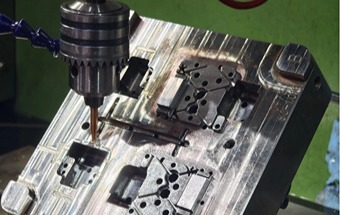
Produce different parts in one mold when materials and order quantities align, reducing tooling investment.