
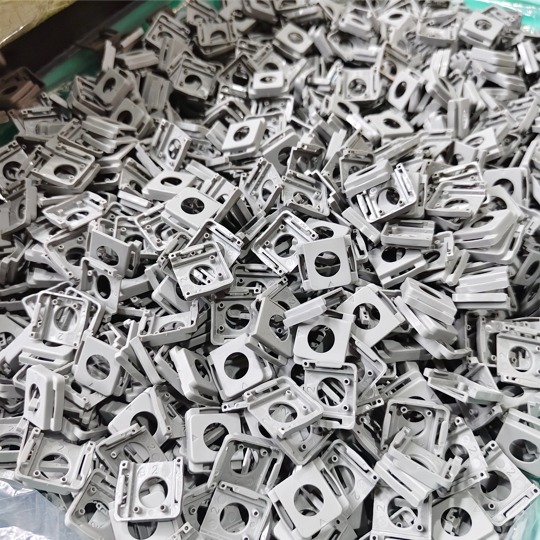
Scientific Injection Molding For Medical Plastic Parts
Tight Tolerances Down to ±0.02 mm for Complex Plastic Parts.
Decoupled Molding Techniques for maximum precision and repeatability.
End-To-End Support from DFM consultation to full-scale production.
Certified to ISO 9001 and IATF 16949.
Material expertise in ABS, TPE/TPU, and other polymers for medical device parts.
Custom Medical Device Injection Molding for Reliable Plastic Part Production
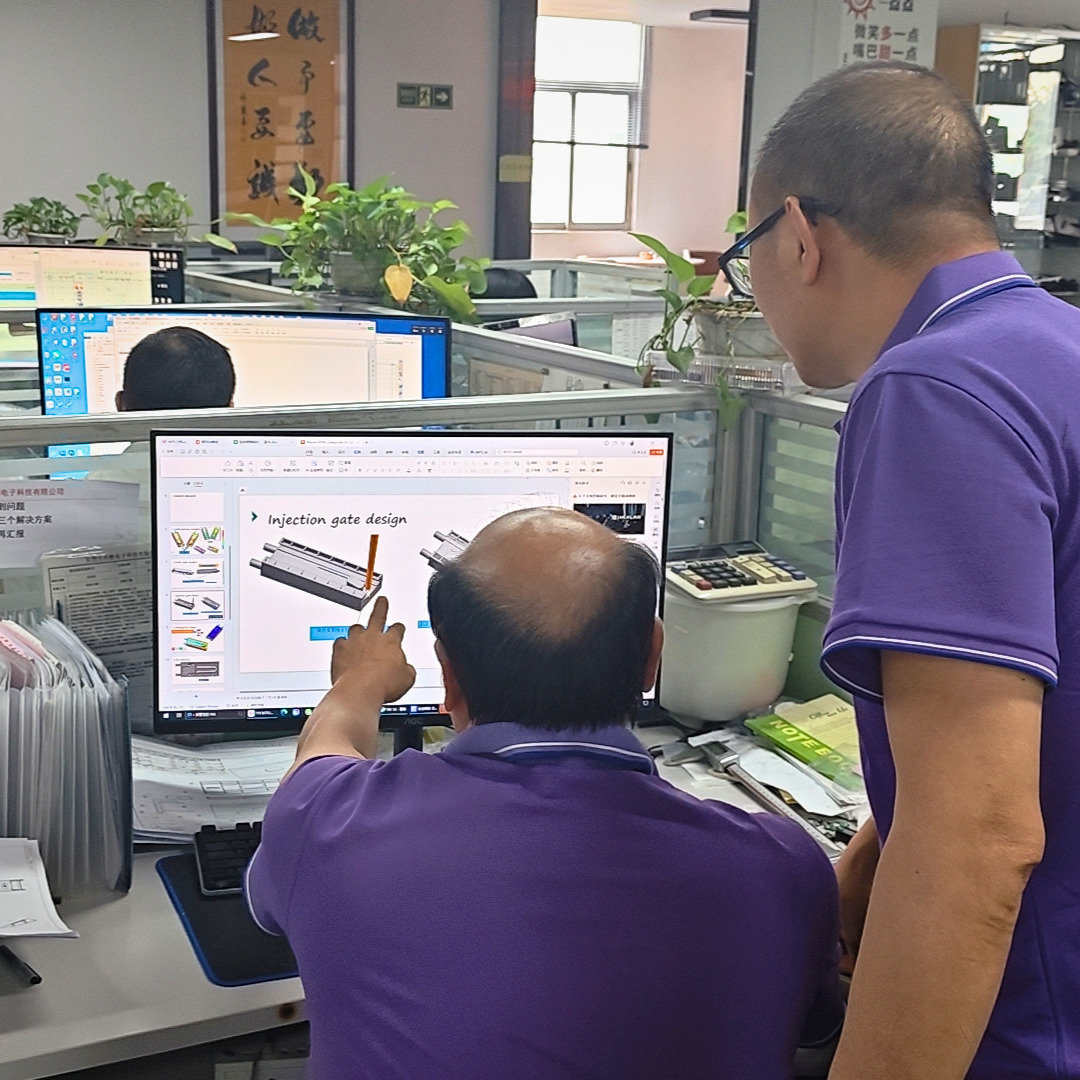
For each Medical Device Injection Molding project, TryCooler reviews your 3D drawings together with how the part will be used in the finished device. We look at where the part fits with other components, which dimensions affect assembly or function, which surfaces users can see or touch, and whether cleaning, heat, impact, or other use conditions affect the material choice.
The review helps us identify the dimensions, surfaces, and functional areas that need closer attention during molding. This means your medical plastic part is manufactured around its actual fit, appearance, use, and performance requirements—not simply treated as another plastic component.
Send your 3D drawings or samples for an engineering review.
Medical Device Injection Molding for Different Part Requirements
We provide customized medical device injection molding services tailored to your application needs, offering full support for your project from prototype validation and mold manufacturing to repeatable, large-scale production.
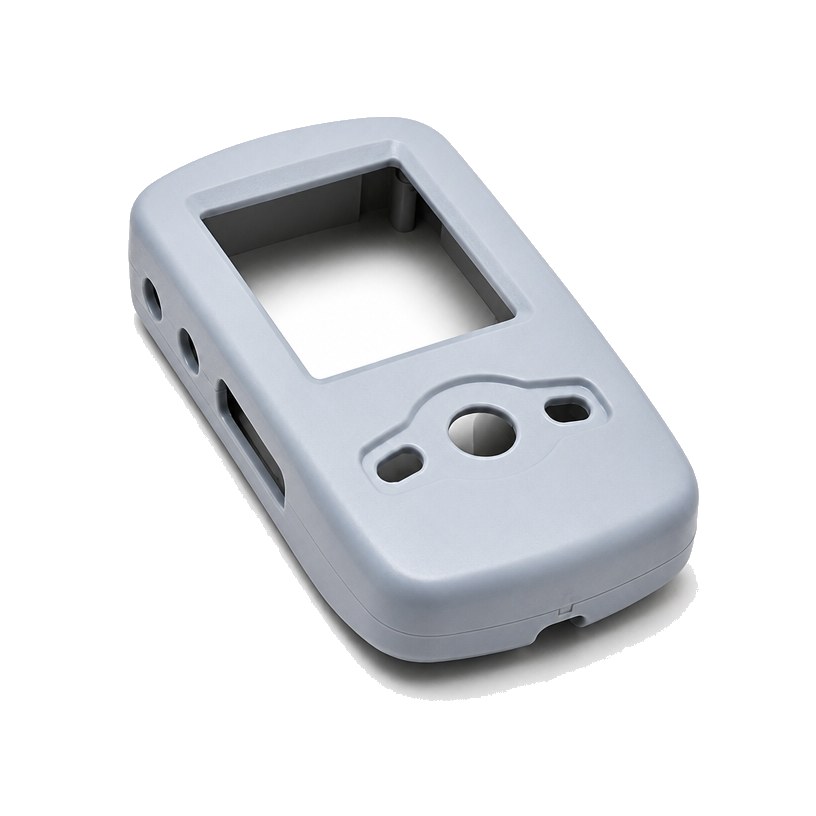
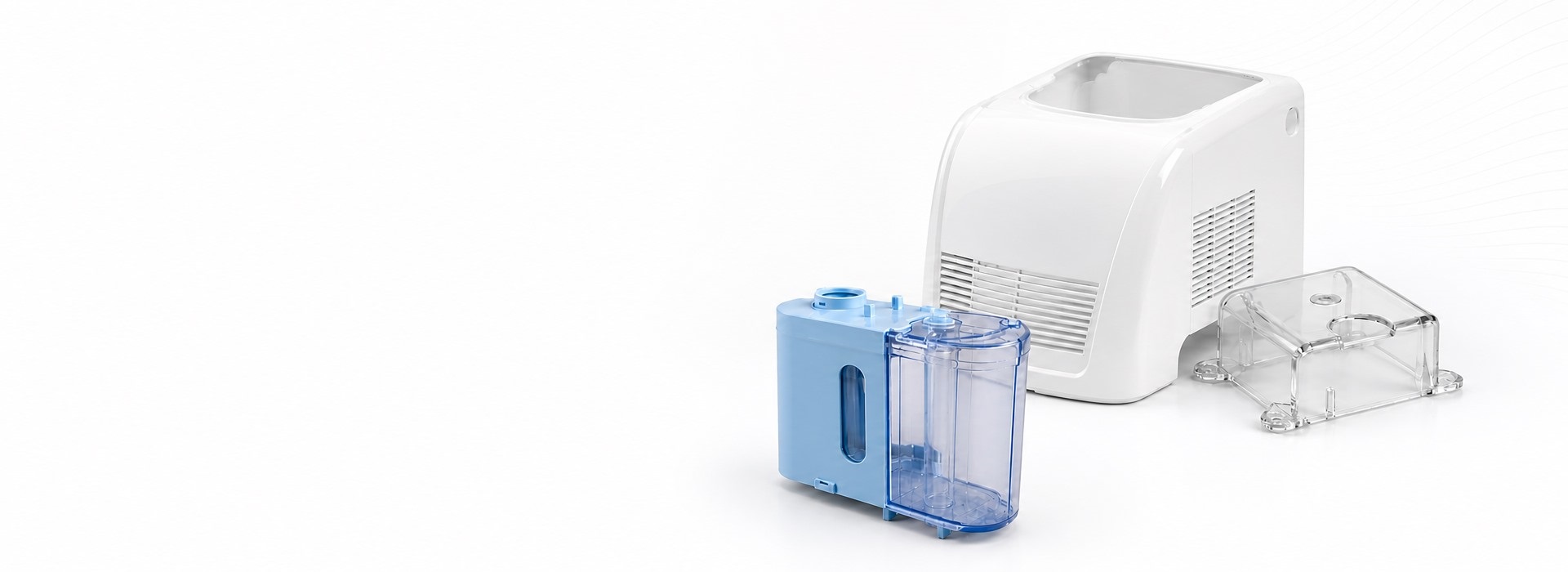
Custom medical device Housings for protection, assembly fit, and professional appearance.
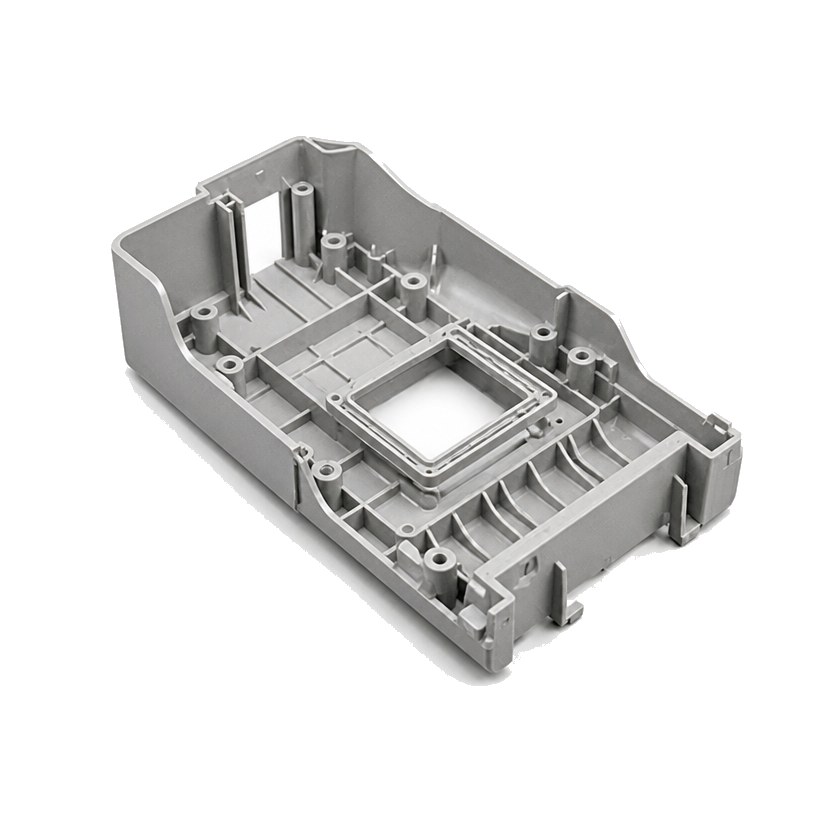
Medical plastic parts require dimensional accuracy, stable assembly, and consistent production quality.
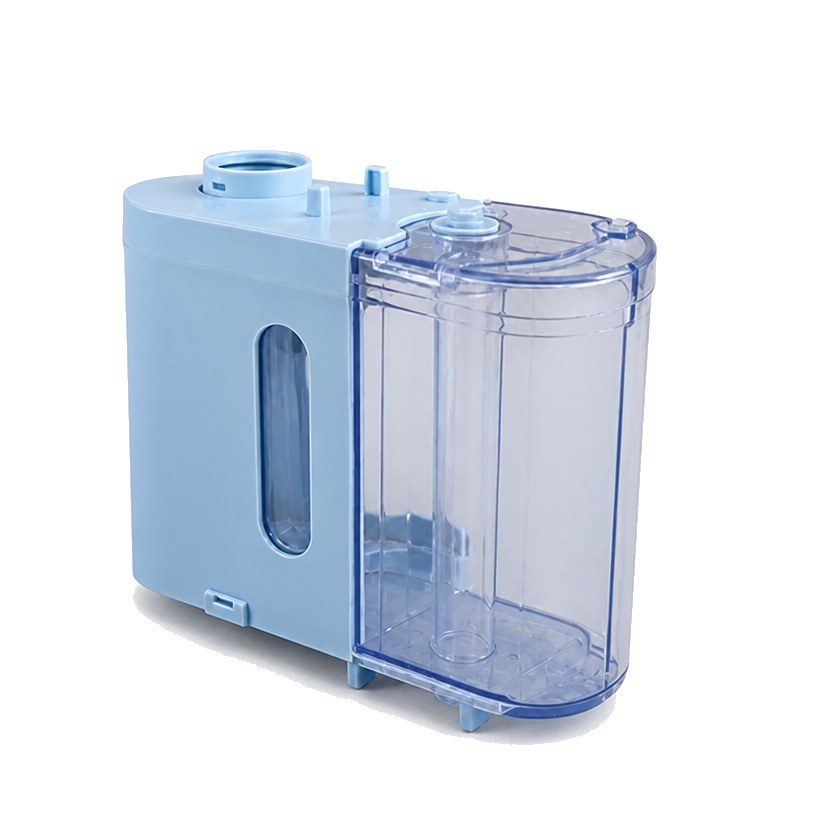
Custom plastic parts designed for equipment integration, durability, and repeated use.
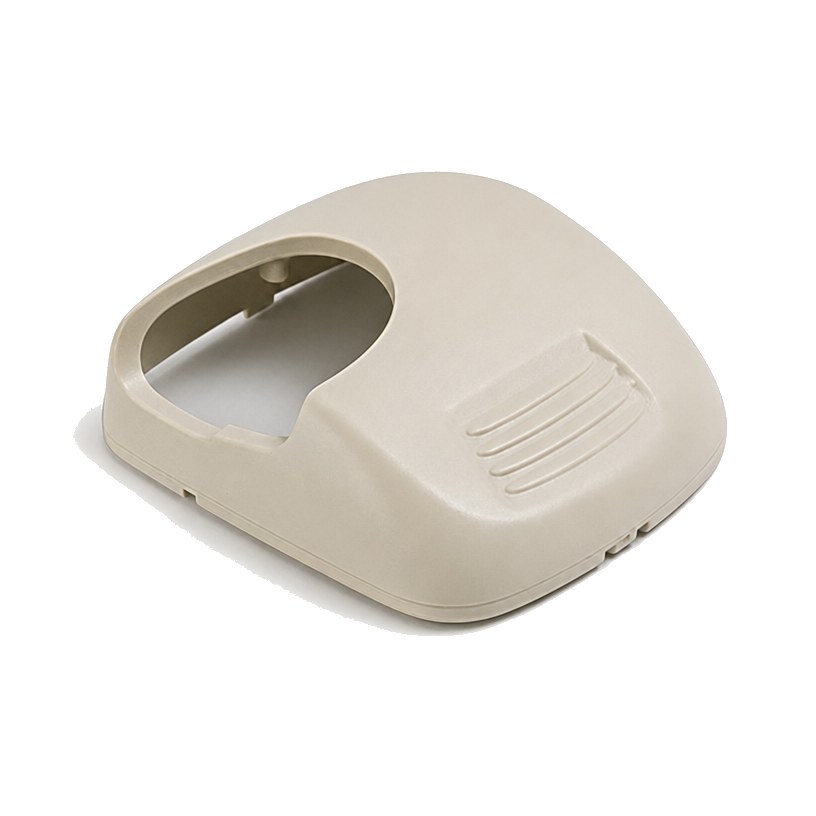
Medical device housings maintain consistent color and surface appearance throughout the manufacturing process.
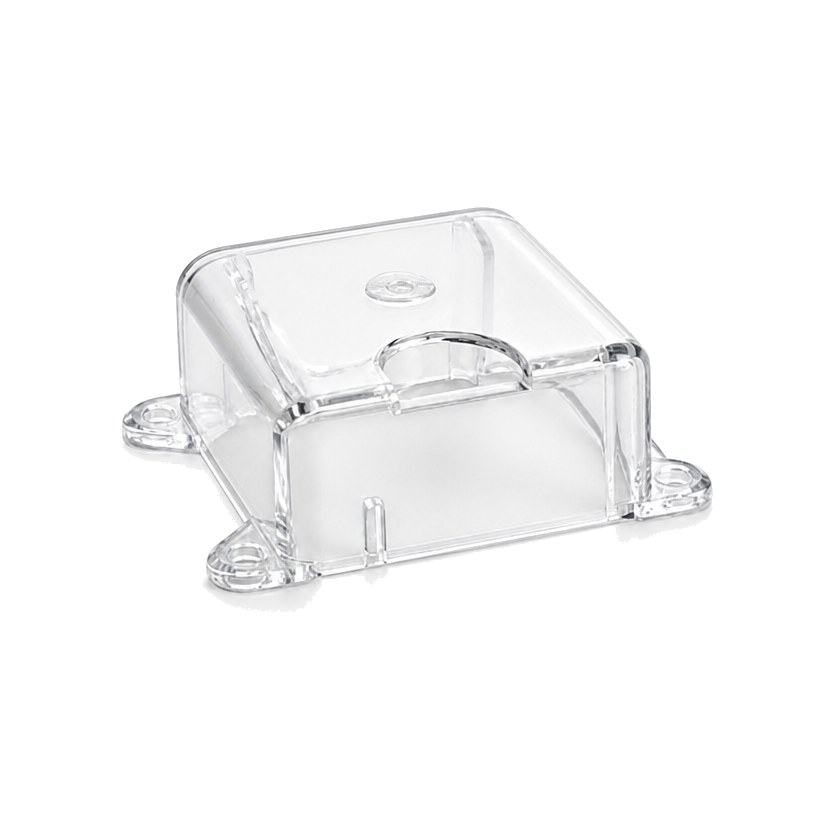
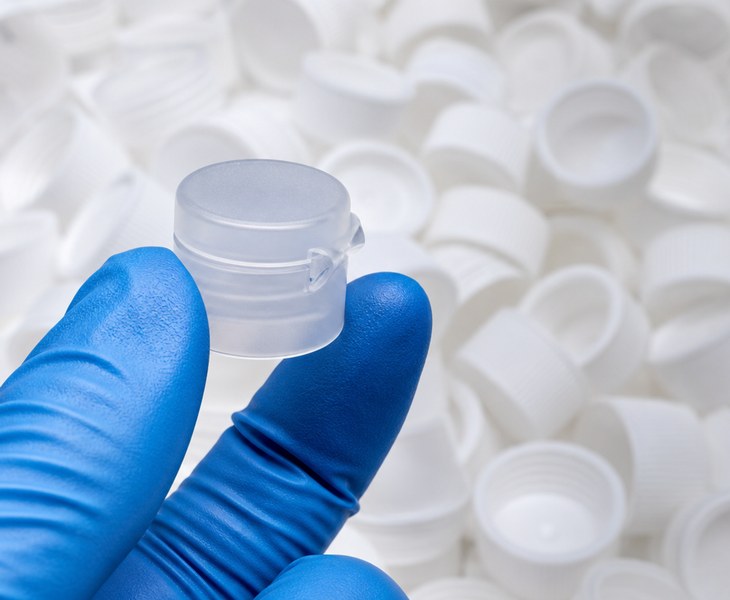
Clear injection molded parts requiring controlled appearance, transparency, and surface quality.
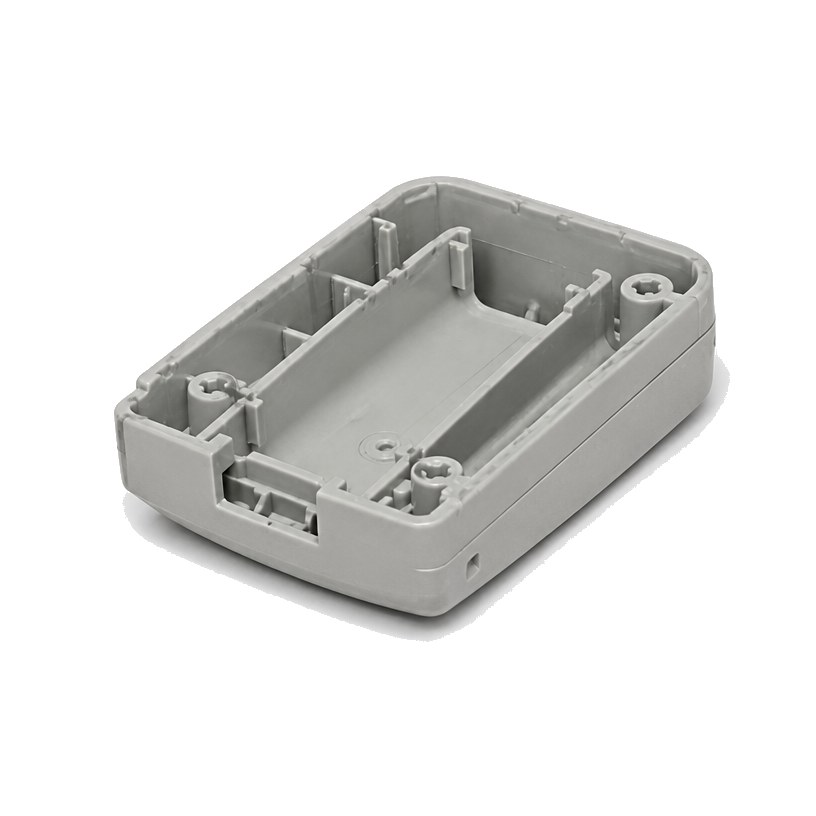
Your medical plastic parts fit properly with screws, circuit boards, screens, and covers to reduce assembly issues.
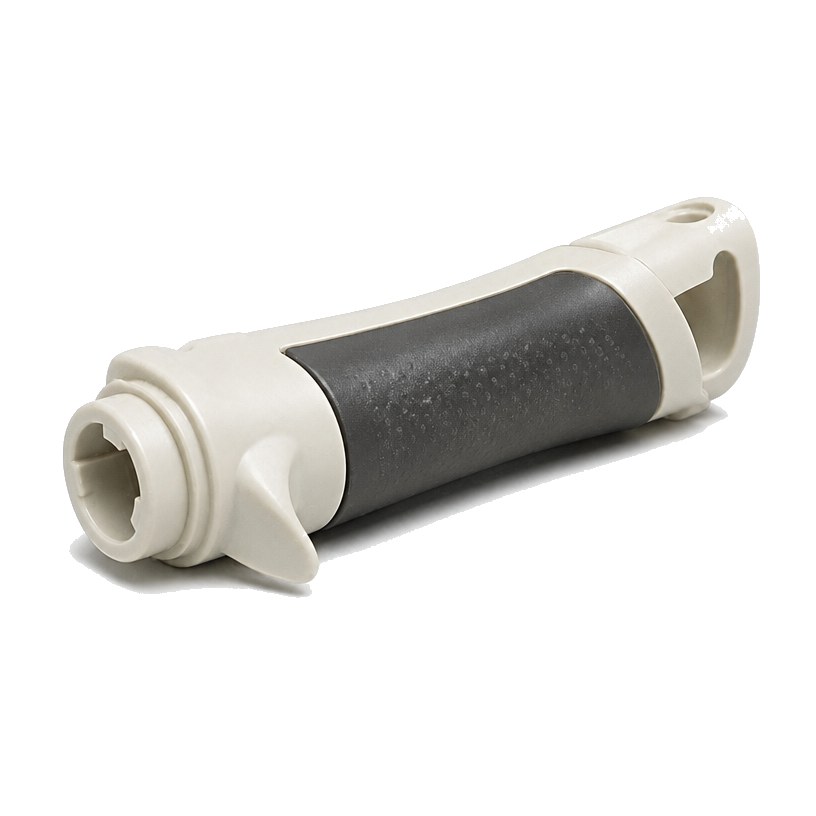
A combination of rigid plastics and soft materials for improved grip, sealing, and user experience.
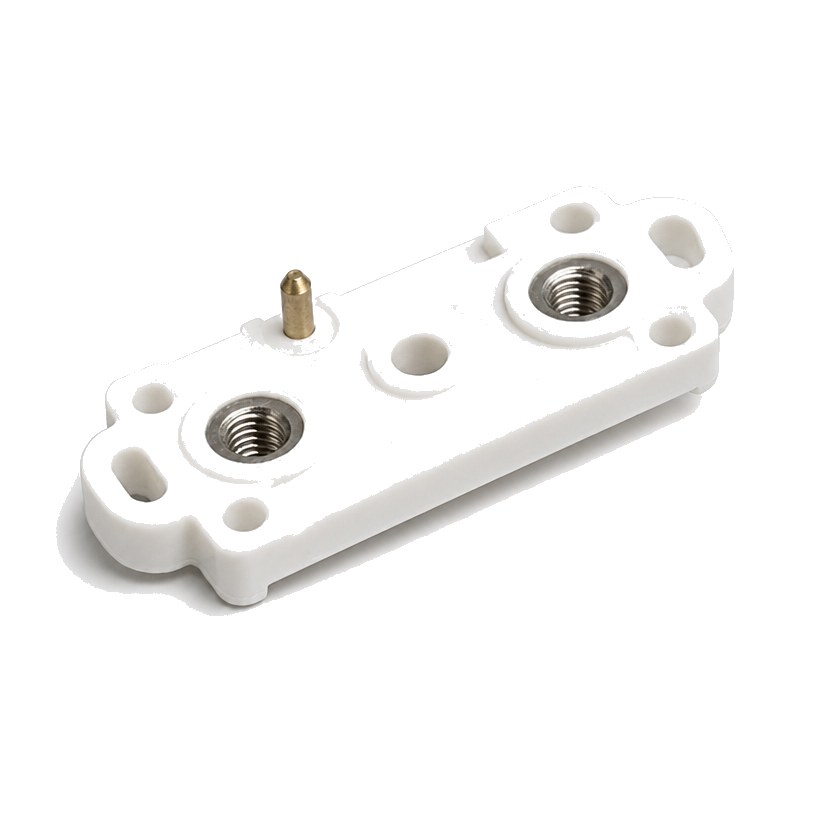
Plastic parts integrated with metal inserts for stronger connections and assembly performance.
What Matters Most in Medical Device Injection Molding?
Whether you’re scaling up your existing products or launching new ones, our injection molding solutions offer the flexibility to meet your needs.

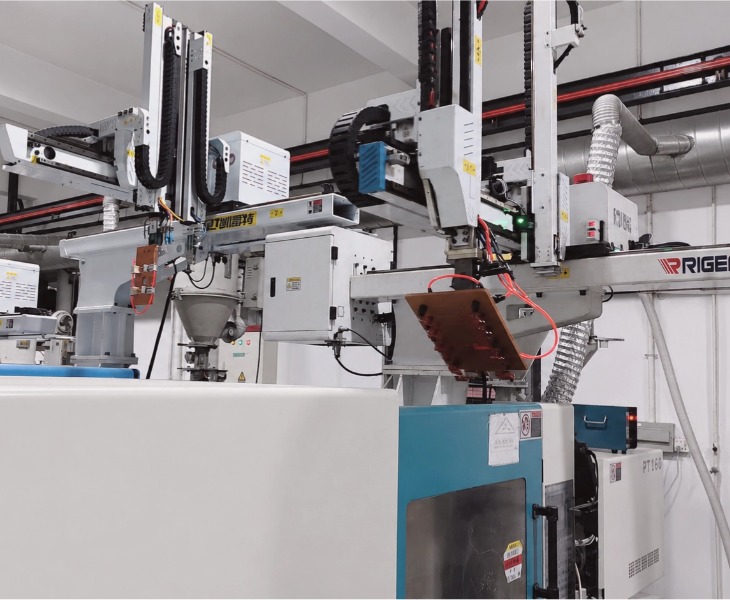
The injection molding process for medical plastic parts delivers precise, consistent parts with tight tolerances required for reliable fit and function.

One of the key advantages of medical device injection molding is its design flexibility. Complex geometries, internal features, and assembly details can be integrated into a single molded component to meet the specific structural and functional requirements of different medical devices.

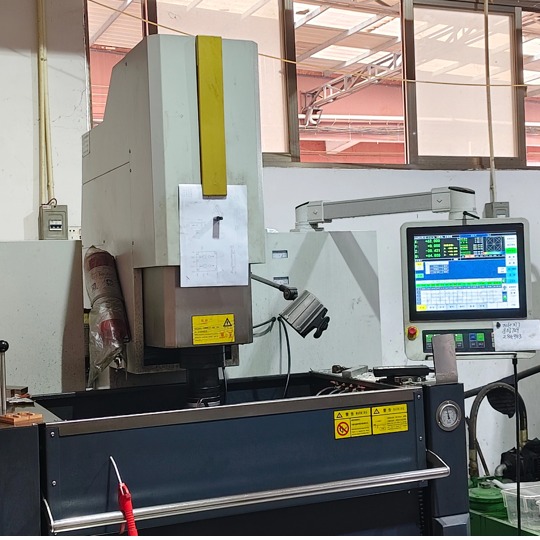
In the rapidly evolving medical device industry, TryCooler’s in-house mold development and injection molding can streamline the production process and help you significantly reduce time to market as product requirements and market demands change.

Medical device injection molding can scale with your production needs as demand grows. Production can move from initial runs to higher-volume manufacturing, giving you the capacity to support wider product deployment without changing manufacturing methods.

Injection molding gives medical device components the strength and structural stability needed for repeated use, helping them maintain reliable performance throughout the product lifecycle.

Injection-molded parts can undergo various post-processing operations, such as assembly, CNC machining, laser marking, pad printing, or surface treatment, to meet the specific requirements of medical devices.

Insert molding and overmolding can combine metal inserts, rigid plastics, and soft-touch materials into a single medical device component, improving assembly strength and part integration while reducing secondary assembly steps.

Injection molding is extremely cost-effective for high-volume production. Producing large quantities in a short period of time can significantly reduce unit costs, making it an ideal choice for mass production.
Application-Based Control for Medical Device Injection Molding
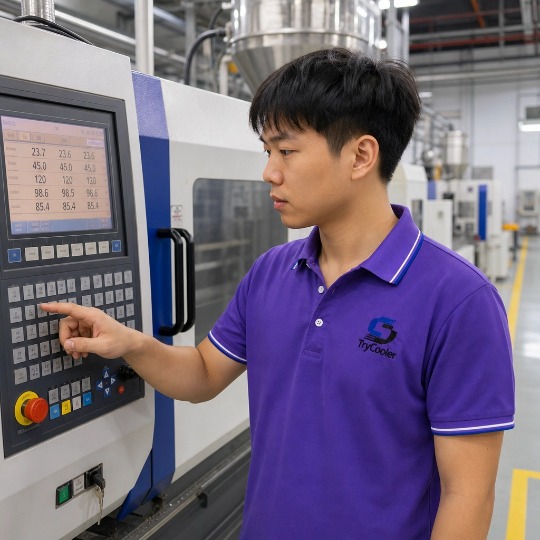
In Medical Device Injection Molding, production controls should reflect how the finished part is actually used. TryCooler reviews where your part is installed, how it is handled, and which areas affect assembly, function, or appearance. Parts exposed to repeated cleaning are reviewed for material resistance and surface durability; hand-held or load-bearing parts require closer control of fit and critical dimensions; transparent components need additional attention to clarity and visible surface defects.
After you approve the sample, these application-specific control points are carried into production and inspection. The approved sample and 3D drawings become the reference for first-piece inspection, critical dimensions, appearance, and assembly checks, while material lots, production dates, and inspection results are recorded for each batch. This helps later production remain consistent with the part you approved.
What Support Do You Get After Your Medical Device Part Enters Production?
For long-term Medical Device Injection Molding projects, our support continues beyond the first production order. TryCooler keeps your mold ready for repeat production, provides ongoing mold maintenance, and supports increasing order volumes as your project grows.
If your medical device part is updated later, our tooling team can review the existing mold and determine whether features such as openings, mounting points, or internal structures can be modified. Where possible, this helps you avoid unnecessary new tooling and continue production with less disruption.
Supporting Services for Medical Device Injection Molding

Our medical device injection molding services can meet the needs of both small-batch prototyping and large-scale production. Whether you need a few test parts or millions of products, we can efficiently meet your needs.

Before production resumes at our factory, we can inspect, test, repair, and adjust your existing molds, helping you minimize business disruptions when switching suppliers.

Our secondary processing operations include machining, bonding, and surface treatment. We also offer medical device plastic parts assembly and packaging services to ensure the highest standards of cleanliness and quality.
Medical Device Injection Molding Projects
See how we turn different medical plastic part requirements into tooling and repeat production.
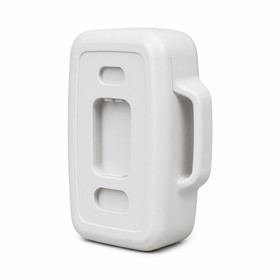
One of our Indian clients decided to upgrade its nurse call system with a more modern and aesthetically refined medical device enclosure. Based on the client’s existing printed circuit board and handle layout, TryCooler developed a brand-new, custom injection-molded enclosure that updated the front-panel design, internal structure, and overall surface finish. This project provided the client with a more refined medical device enclosure without requiring a complete redesign of the existing electronics, and we successfully achieved stable mass production through our injection molding process.
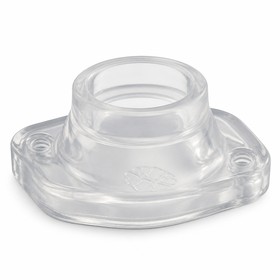
One of our U.S.-based bootstrapped startup clients needed a fully transparent, medical-grade silicone part for its initial production run of 1,000 units. The part required a raised logo on the bottom, cleanly trimmed edges, and individual packaging. TryCooler conducted a Design for Manufacturability (DFM) review, developed the mold, and provided samples for the client’s approval before mass production. Once approved, the project smoothly transitioned into stable mass production.
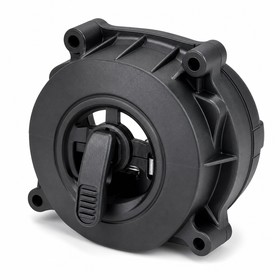
A U.S. electric wheelchair rental company required a custom locking cover for the manual clutch area of its existing wheelchair fleet. Based on the client’s 3D drawings, TryCooler reviewed the installation space, locking mechanism, mounting dimensions, maintenance access, and outdoor-use conditions, then optimized the structure for injection molding. Our in-house tooling team completed the mold design, mold manufacturing, machining, assembly, and trial molding, with adjustments made during testing to achieve the required fit and locking performance. After the mold was validated, we produced the first 350 parts for installation testing and then scaled the project to a 10,000+ piece production program for broader fleet deployment.
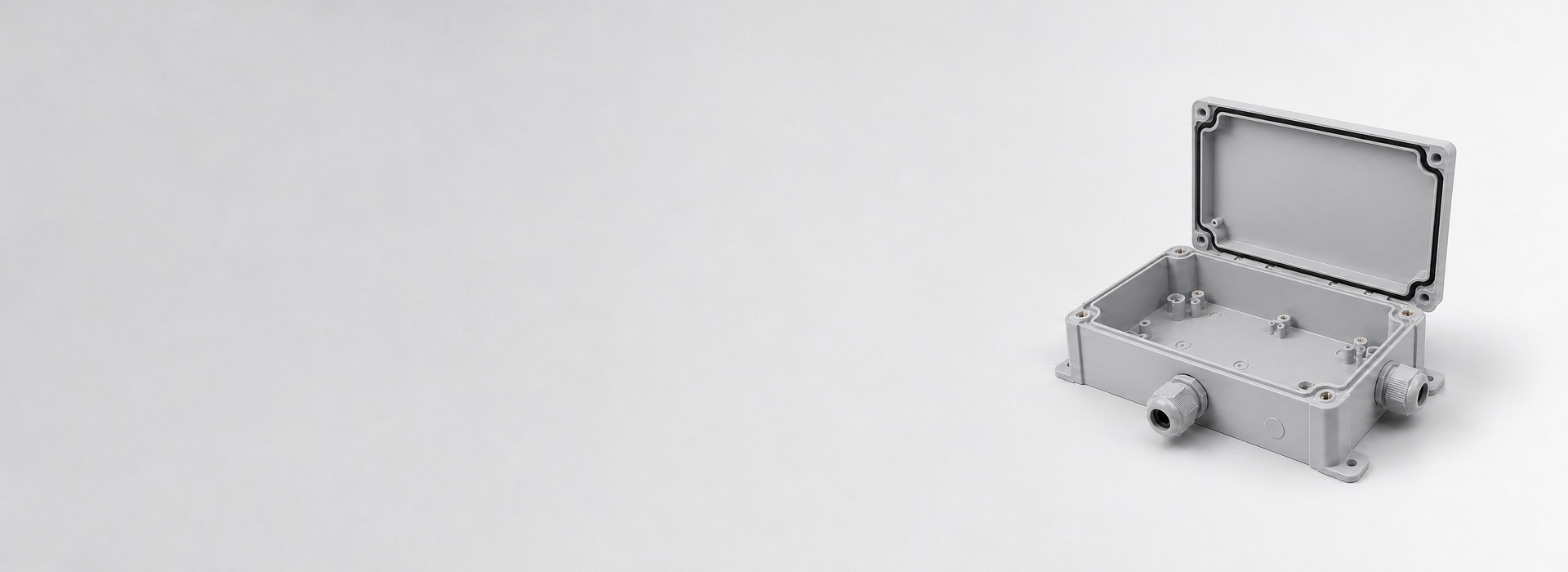
Medical Device Injection Molding Project Reference
Learn about common material options and the key information you need to evaluate your custom medical device plastic component project.
- Material Options
- Project Requirements
| Material | Why It May Be Used | What to Confirm | Available Options |
| ABS | Good appearance and impact resistance | Cleaning method and required strength | Color and texture options |
| PC | High impact strength and transparency | Chemical exposure and scratch requirements | Clear and flame-retardant grades |
| PC/ABS | Balances appearance, strength and dimensional stability | Heat, impact and flame requirements | Flame-retardant options |
| PP | Lightweight with good chemical resistance | Part stiffness and cleaning environment | Different stiffness grades |
| POM | Low friction and good wear resistance | Moving load and dimensional requirements | Low-friction grades |
| PA / PA-GF | High strength and stiffness | Moisture, load and dimensional stability | Glass-filled options |
| PMMA | High optical clarity | Impact and scratch requirements | Clear and tinted options |
| TPE / TPU | Soft touch, grip and cushioning | Hardness, bonding and cleaning environment | Multiple hardness options |
| Project Requirement | What to Provide | Why We Need It |
| 3D Design | STEP, STP, IGS or X_T file | Used to review the part and prepare the mold solution. |
| Part Use | Tell us how the part will be used in the medical device. | Helps us understand the actual production requirements. |
| Production Volume | Trial quantity and expected annual volume | Helps determine the right mold and production plan. |
| Key Dimensions | Mark the dimensions most important to fit or function. | These areas receive extra attention during production and inspection. |
| Surface Appearance | Color, texture, gloss, or approved sample | Used to match the appearance you expect. |
| Assembly Details | Related parts, assembly drawing or physical samples | Helps confirm how the molded parts need to fit together. |
| Cleaning Conditions | Alcohol, disinfectants or other cleaners used | Helps confirm whether the selected plastic suits actual use. |
| Special Requirements | Flame rating, packaging, reports or other project needs | Allows these requirements to be included before quotation and tooling. |
Testimonials
We wanted to give our nurse call system a more modern look without redesigning the electronics that were already working well. TryCooler understood this from the beginning and developed the new enclosure around our existing PCB and handle layout. The fit and finish were much better than our previous version, and the project moved smoothly into mass production. The whole upgrade was easier than we expected.
 Chinmay GhoshHealthcare Communication Equipment Supplier, India
This was our first production run for this medical silicone component, so having a clear and predictable process was very important to us. TryCooler gave us useful DFM feedback, sent samples for approval before production, and kept us informed throughout the project. The production parts matched the approved samples, and communication was smooth from start to finish. Having our mold ready and maintained for future production also makes repeat orders much easier for us.
 Brittany CharleryMedical Device Startup, USA
TryCooler focuses on custom injection-molded plastic parts and assemblies based on your product design. We do not sell standard medical devices.
Prototype parts typically take 3–7 days, depending on the process and part complexity. Custom injection molds usually take about 3–5 weeks from approved DFM and mold design to T1 sampling. After sample approval, mass production typically takes around 1–3 weeks, depending on order quantity, material availability, and secondary processing requirements. More complex molds or special production requirements may require additional time.
Yes. NDA or NNN agreement can be signed before you share drawings, samples, or other confidential project information with our team.
Tell us any required certifications, cleanliness conditions, testing, documentation, packaging, or other project-specific requirements before quotation. Our team will review them first and confirm whether the project matches our manufacturing capabilities.