
Trusted by Product Developers and Engineering Teams










Complete Engineering Support from Conversion to Production
Optimize existing metal components for injection molding while maintaining required functionality and performance requirements.
Identify potential molding risks through DFM analysis and improve part manufacturability before tooling begins.
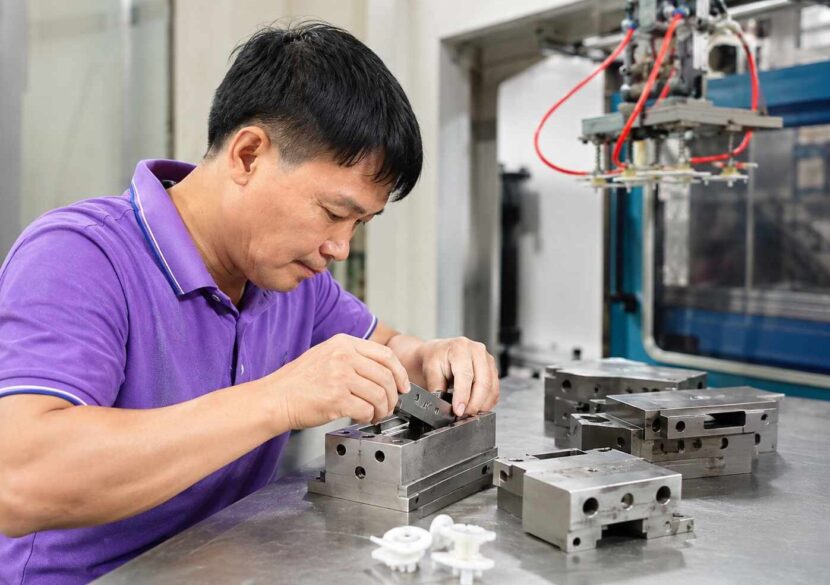
Develop precision injection molds in-house to shorten communication cycles, improve tooling control, and reduce risks during mass production.
Recommend suitable engineering plastics based on mechanical requirements, operating conditions, and application needs.
Integrate metal inserts and multiple materials through insert molding and overmolding for enhanced functionality.
Provide secondary processing and assembly services to reduce supplier coordination and simplify supply chain management.
Metal Components Commonly Converted into Injection Molded Parts
We help you replace CNC machined, stamped, and assembled metal components with optimized injection molded plastic parts designed for scalable production.
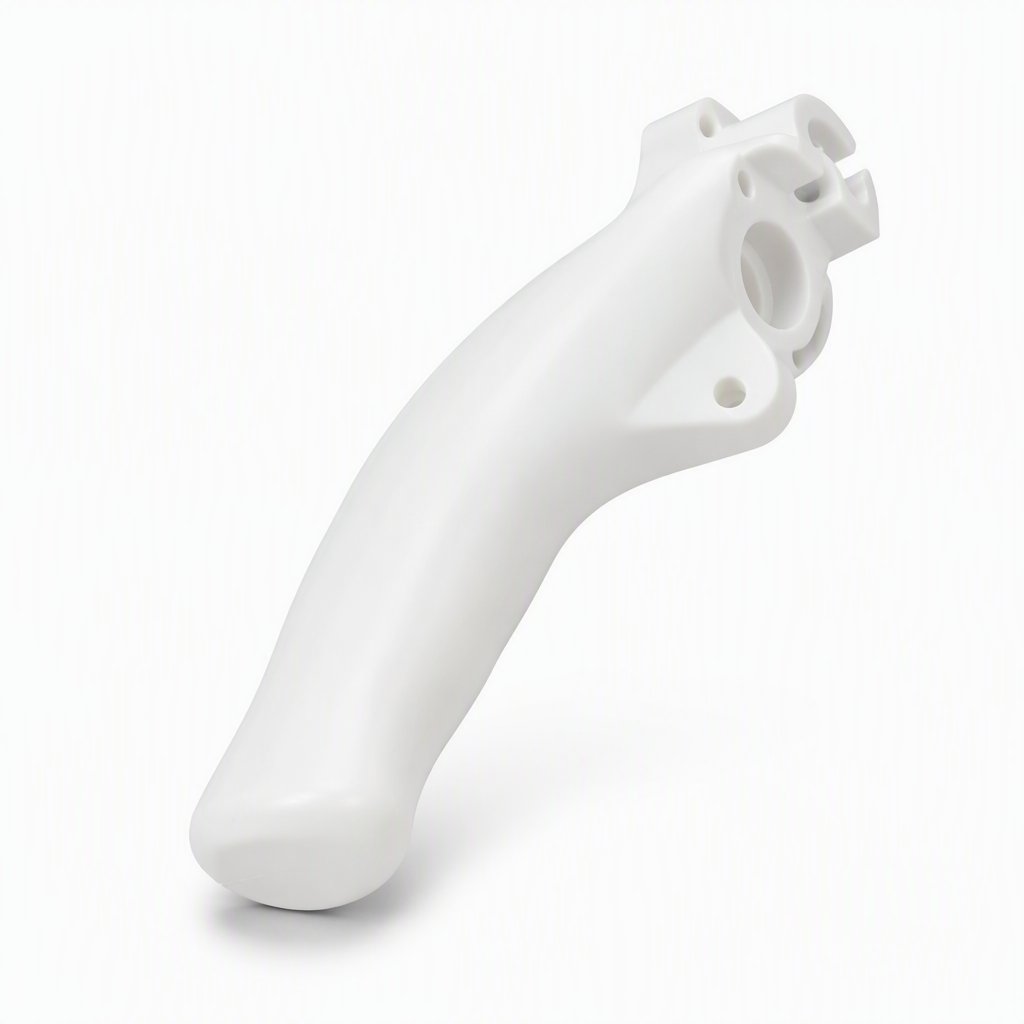
Convert CNC aluminum and metal components into injection molded plastic parts for scalable production and reduced manufacturing complexity.
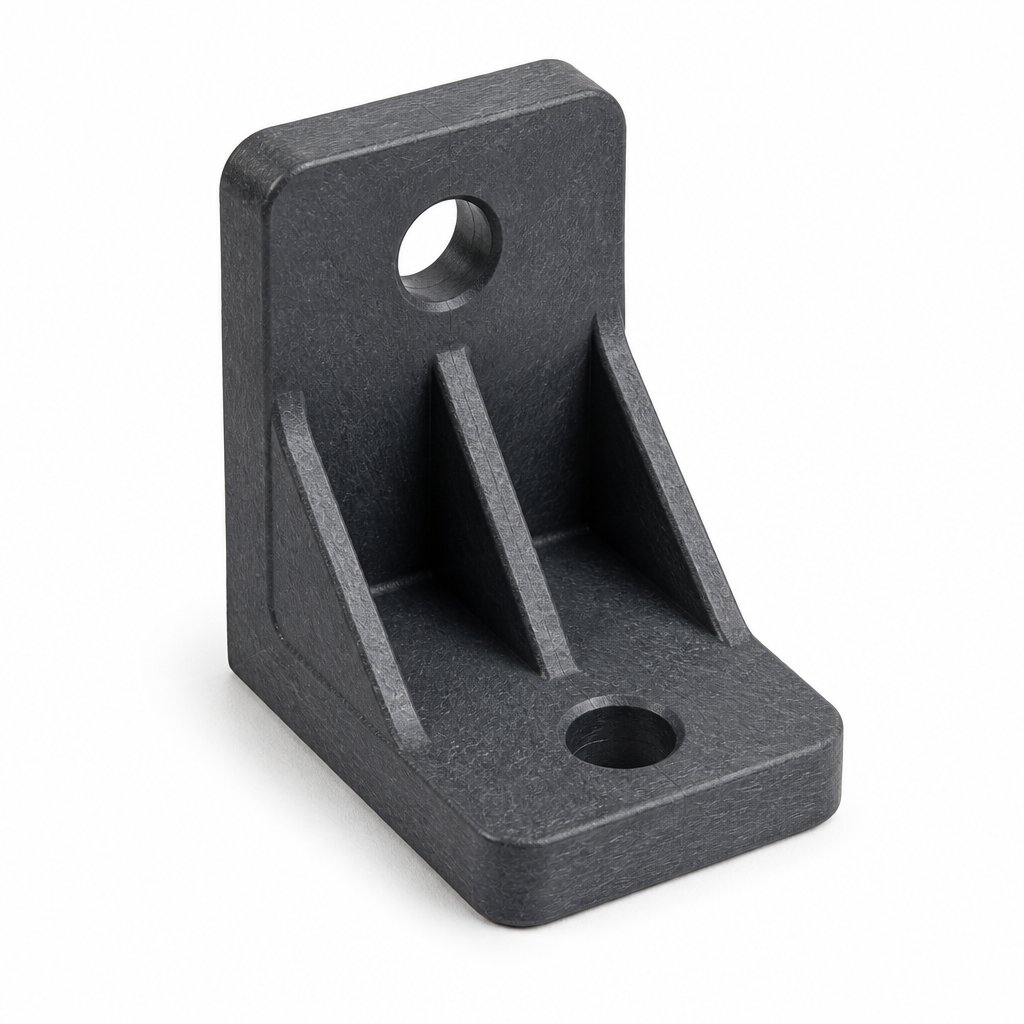
Replace stamped or machined metal brackets with reinforced plastic components using materials such as PA66 GF30 for lightweight and durable designs.
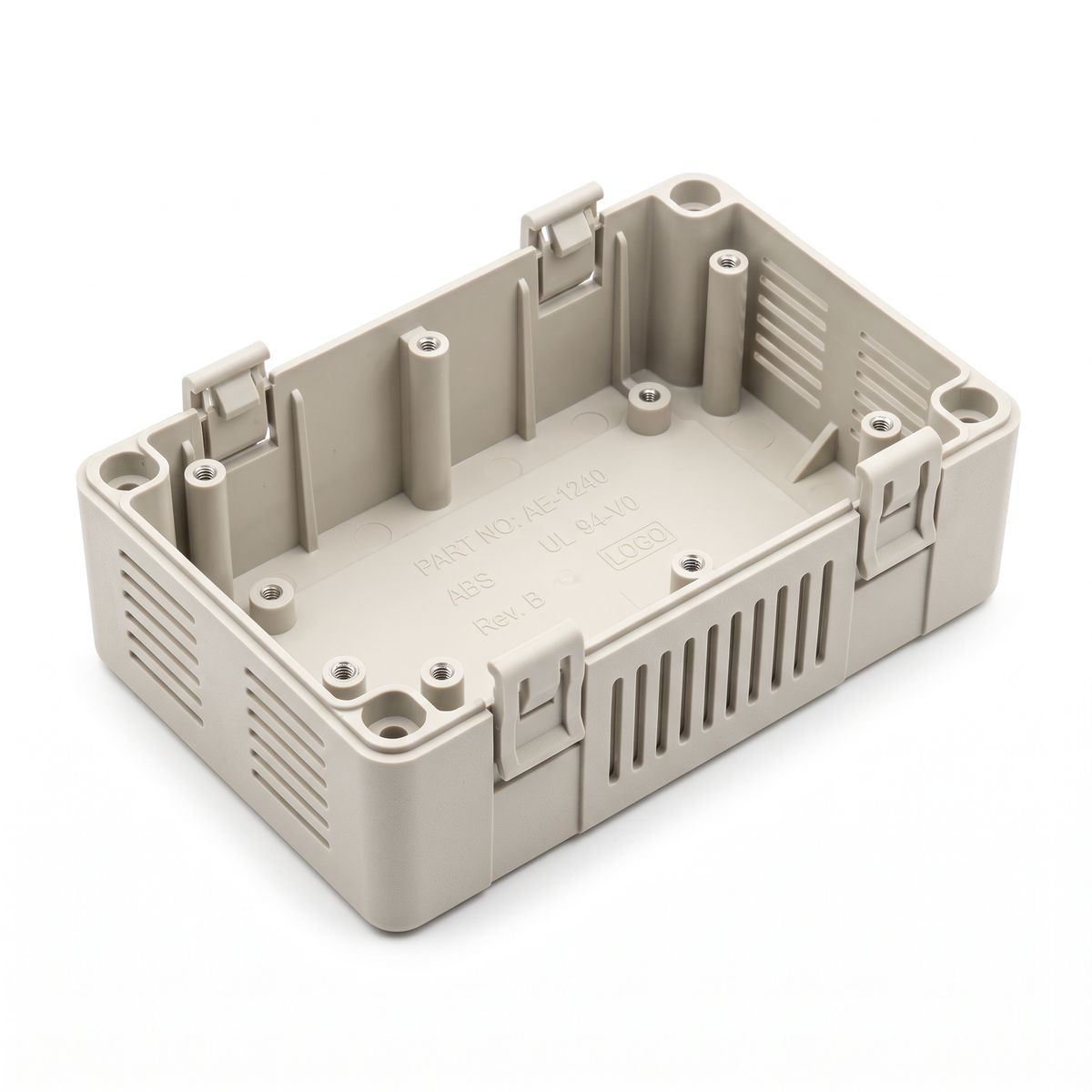
Transform aluminum and metal housings into PP, ABS, and PC plastic enclosures with integrated ribs, bosses, clips, and functional features.
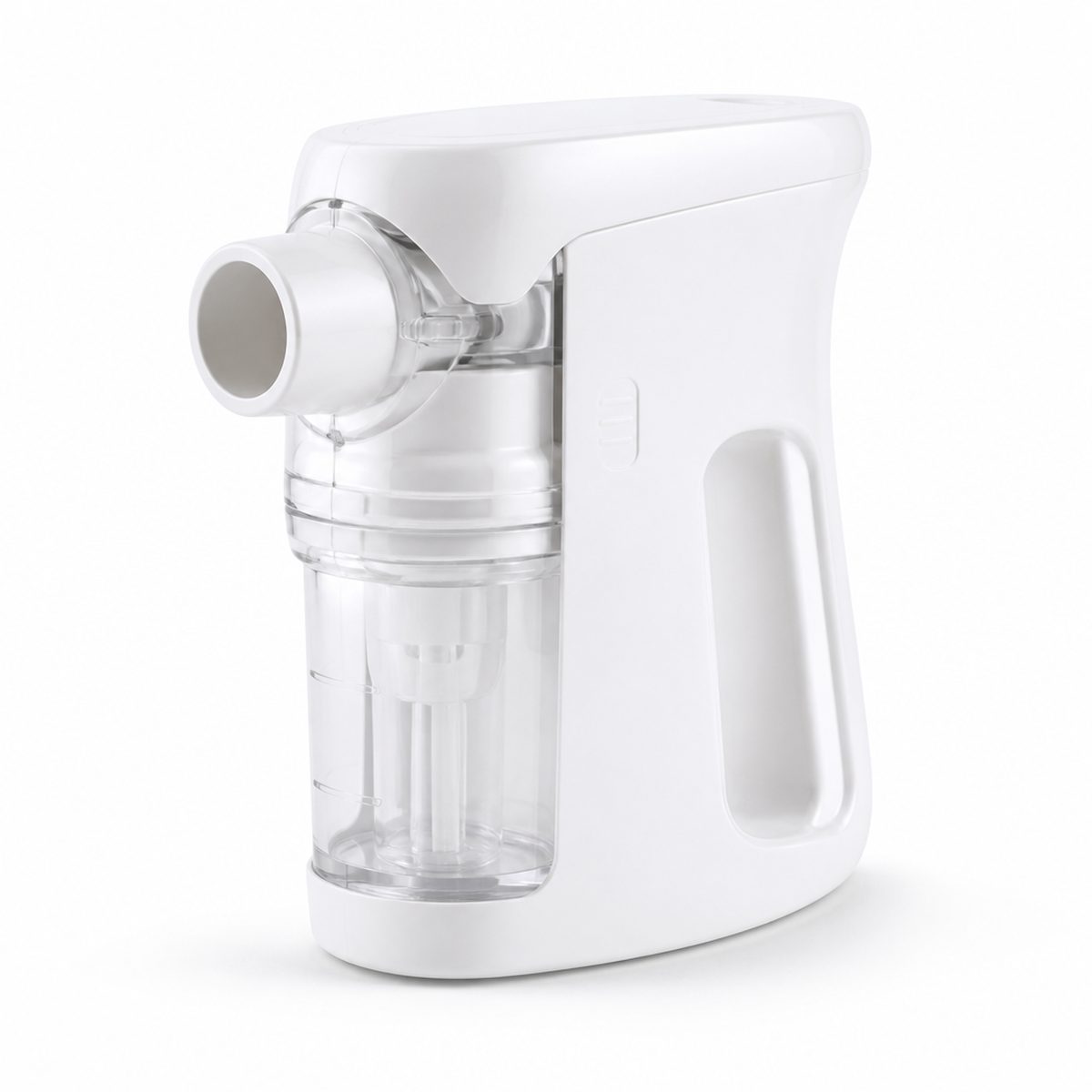
Convert structural metal components into reinforced engineering plastic parts using materials such as PA66 GF30 and PBT.
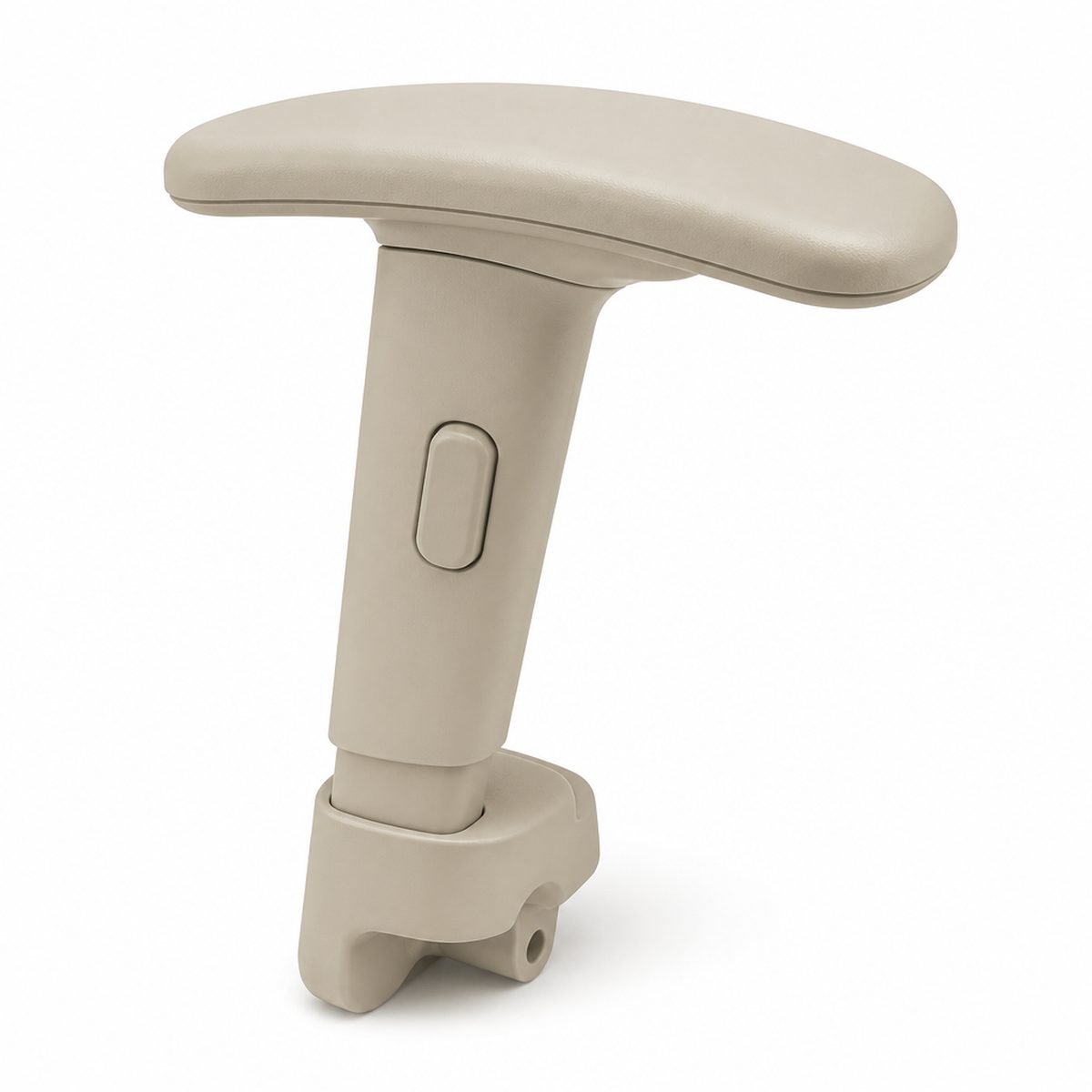
Consolidate multiple metal components into a single injection molded part to reduce assembly steps and simplify manufacturing.
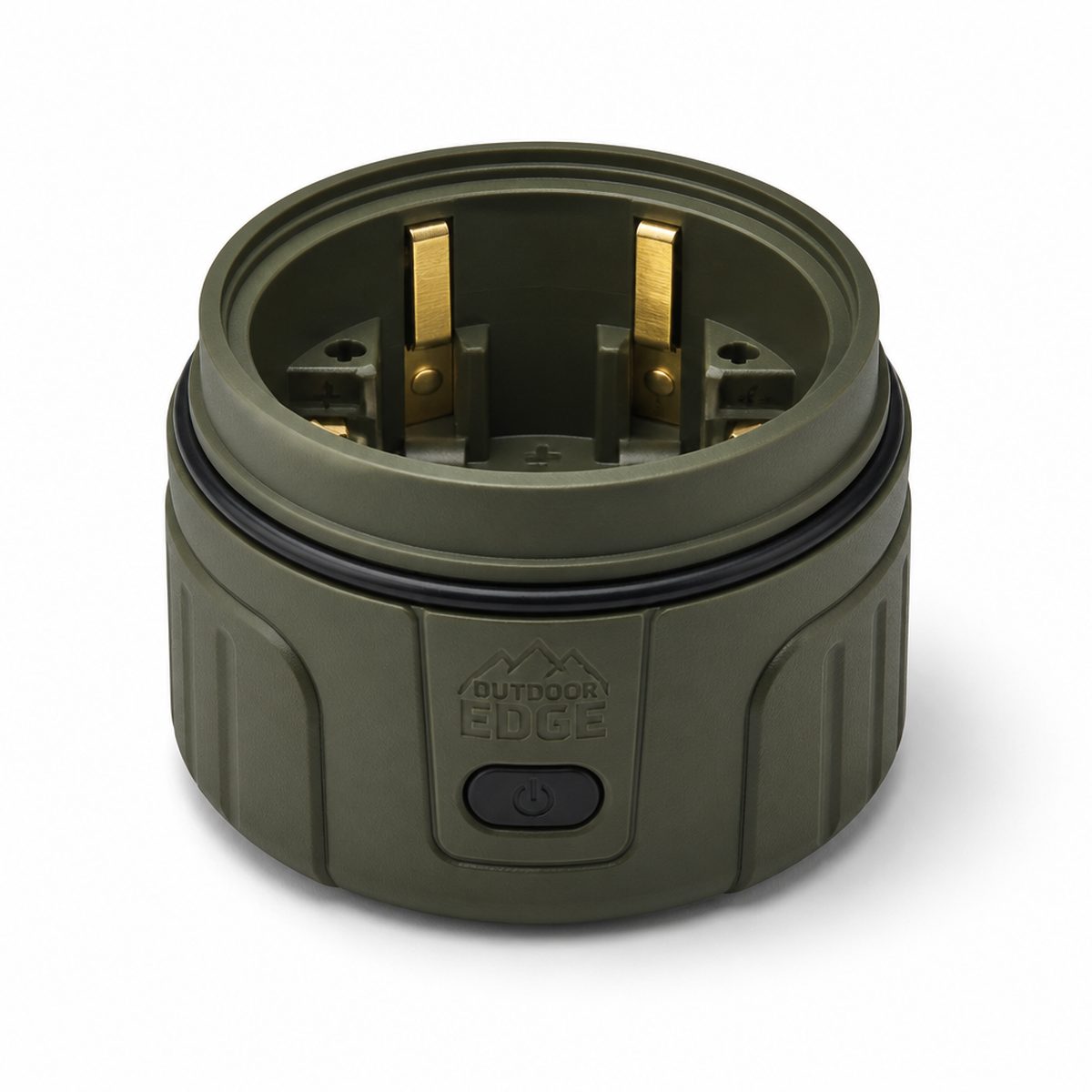
Replace suitable mechanical metal parts through insert molding and overmolding to combine strength, sealing, and multi-material functions.
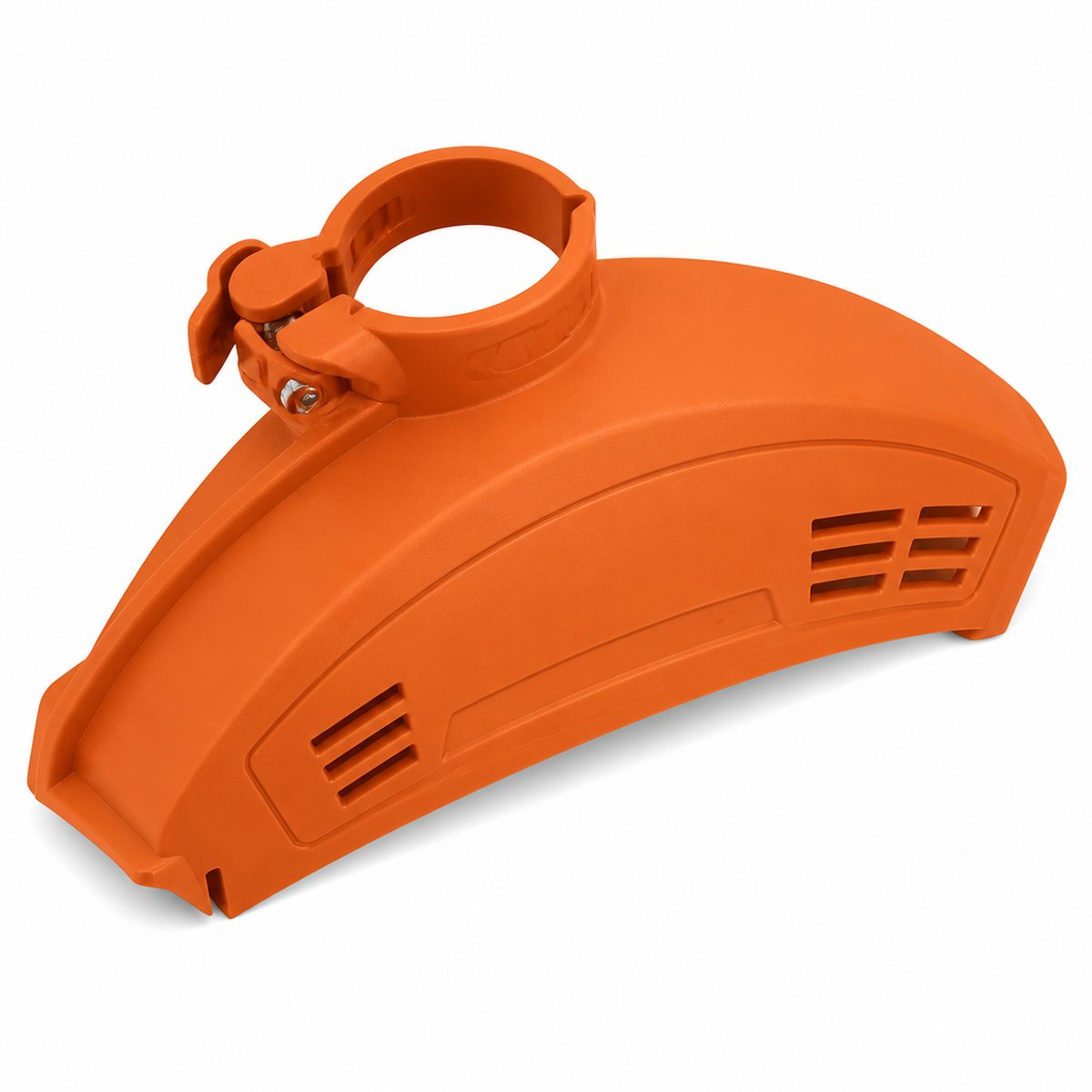
Convert metal covers, guards, and protective components into custom plastic parts with optimized designs for lightweight, durable, and cost-effective production.
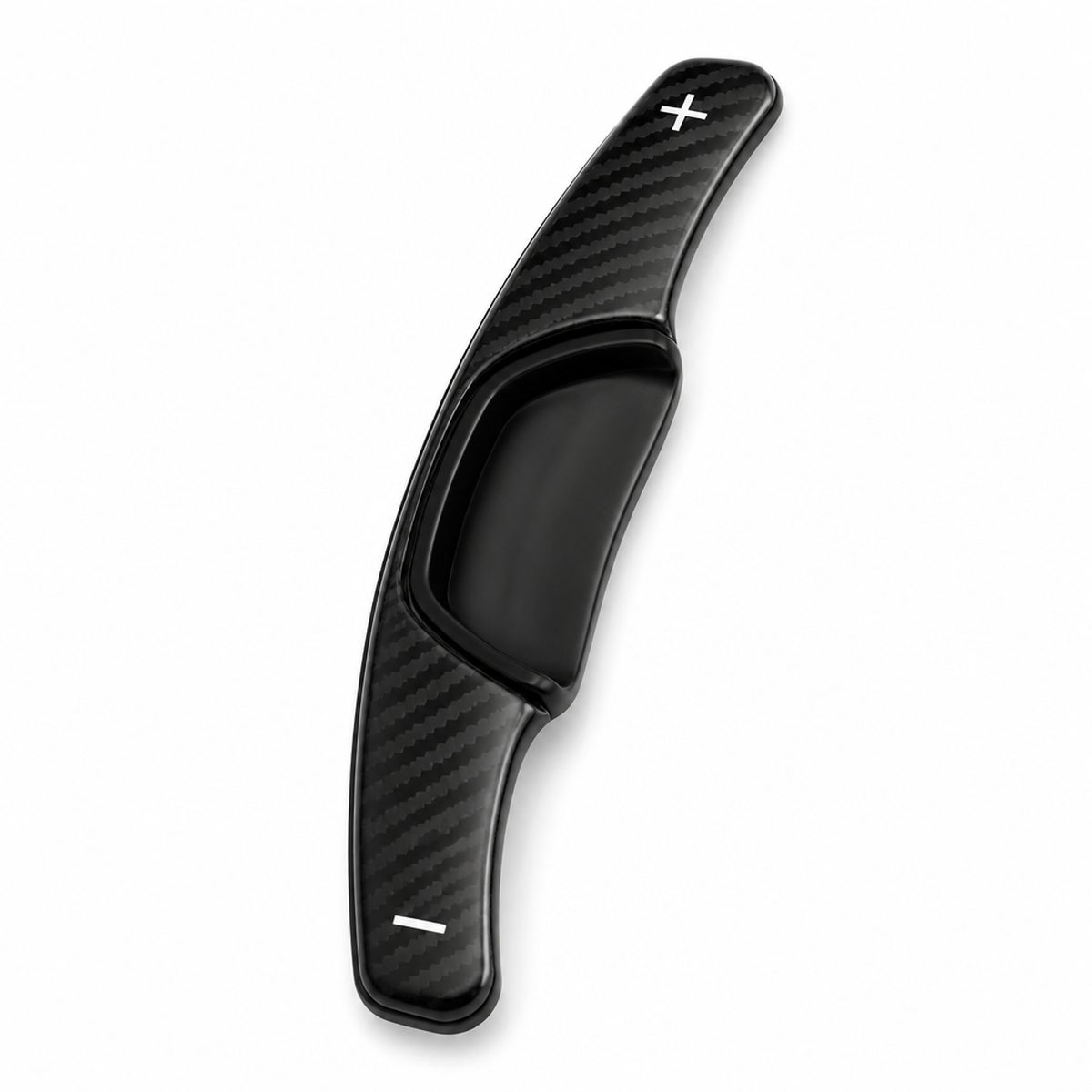
Replace metal automotive and industrial hardware components with injection molded plastic parts to reduce weight, improve corrosion resistance, and simplify high-volume production.
Why Convert Metal Components to Plastic?
Replace traditional metal manufacturing processes with optimized plastic solutions designed for lower cost, lighter weight, and improved product integration.

Reduce CNC machining, metal processing, and assembly operations through efficient injection molding production.

Replace heavy metal components with lightweight engineering plastics while maintaining required performance.
Combine multiple metal components into a single injection-molded part to simplify assembly and reduce manufacturing steps.

Achieve greater design flexibility with complex geometries and integrated features through injection molding.

Eliminate corrosion concerns by replacing metal components with engineering plastics such as PPS and PEEK for demanding chemical and environmental applications.

Add ribs, bosses, clips, and mounting features directly into molded parts to improve product integration.

Combine metal inserts with plastic components through insert molding to enhance strength and functional performance.

Integrate different materials through overmolding to create sealing, soft-touch, and improved user experiences.
Our Metal to Plastic Conversion Process
From Existing Metal Components to Production-Ready Injection Molded Plastic Solutions

We analyze your existing metal parts, drawings, application requirements, and production goals to assess the feasibility of conversion.

Our engineering teams evaluate structural requirements, performance targets, and manufacturing considerations to define the optimal conversion approach.

The original metal design is optimized for plastic injection molding manufacturing while maintaining required functionality.

Suitable engineering plastics are selected based on mechanical strength, temperature resistance, chemical exposure, and application requirements.

Injection molds are developed and tested through trial runs to verify dimensional accuracy, part quality, and production stability.

After validation, converted plastic components enter controlled injection molding production with consistent quality and repeatable performance.
Validating Converted Plastic Parts Before Mass Production
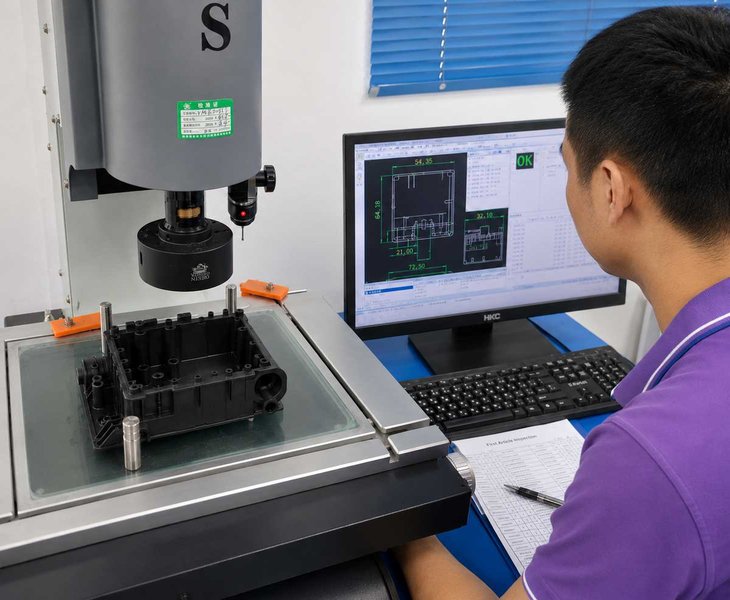
After conversion, we validate plastic components through CMM and dimensional inspection, material verification, assembly testing, and injection process monitoring. These steps ensure the redesigned parts meet required tolerances, functional performance, and production stability before mass manufacturing.
Common Applications of Metal to Plastic Conversion
Replace traditional metal components with optimized injection molded plastic solutions across industries requiring lightweight design, reduced manufacturing complexity, and scalable production.
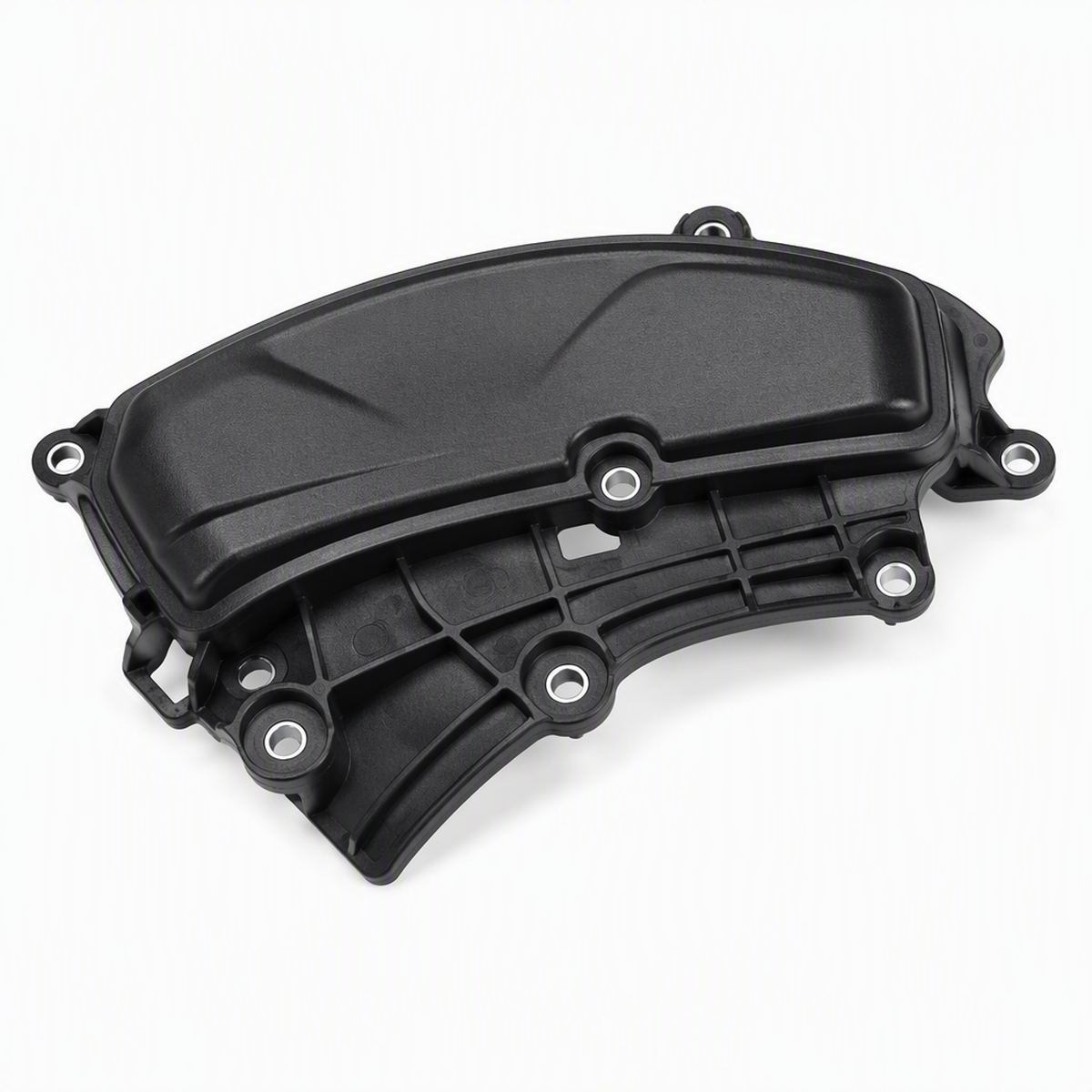
Replace machined brackets, housings, and structural components with lightweight injection molded plastic parts for weight reduction, corrosion resistance, and high-volume production.

Transform aluminum housings and metal frames into plastic enclosures with integrated features, reduced weight, and greater design flexibility.
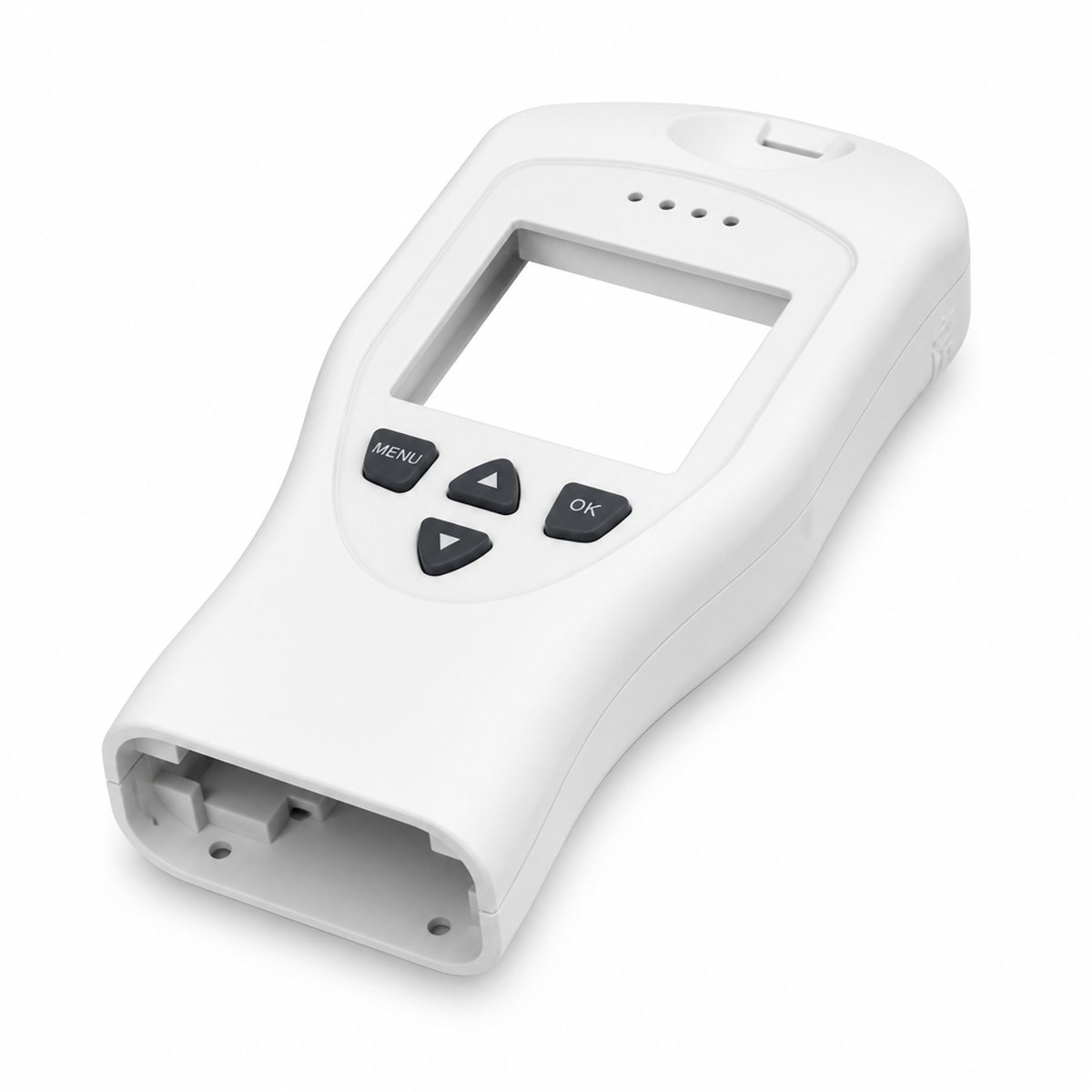
Replace machined metal housings and functional components with engineered plastics requiring dimensional stability, chemical resistance, and reliable production.
Complete In-House Manufacturing from Tooling to Production
From mold development to injection molding production, TryCooler provides integrated manufacturing capabilities to support your metal-to-plastic conversion projects.
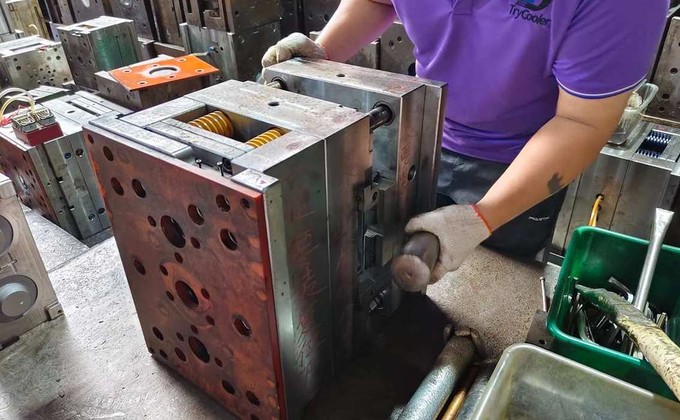
Our experienced tooling team handles mold design, fabrication, and optimization in-house, enabling better control over tooling quality, project communication, and production readiness.
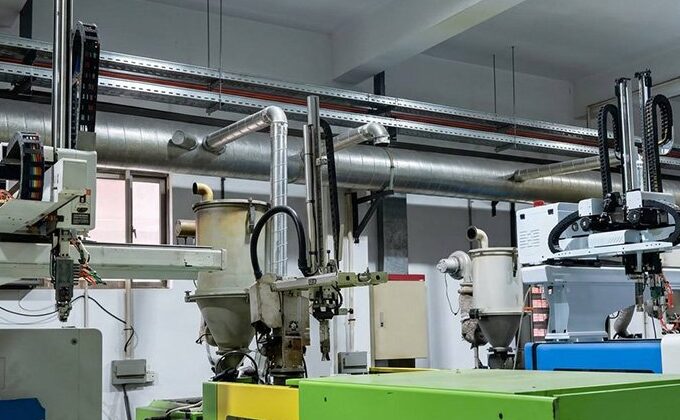
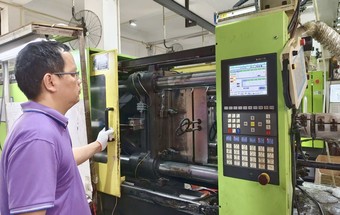
With advanced injection molding capabilities, we transform validated tooling into production-ready plastic components with stable processes and scalable manufacturing capacity.

Engineering Guide for Metal Replacement
Understand material selection, design optimization, and engineering requirements before converting metal components into injection molded plastic parts.
- Engineering Materials for Metal Replacement
- Conversion Design Considerations
- Metal vs Engineering Plastic Comparison
- Files Needed for Metal Conversion Evaluation
- Case Studies
| Material | Replacement Target | Applications |
| PA66 GF30 | Aluminum / Steel Structural Parts | Brackets, Supports |
| PBT GF | Metal Electrical Components | Connectors, Housings |
| PC+ABS | Aluminum Housings | Enclosures, Covers |
| POM | Metal Mechanical Parts | Gears, Bushings |
| PPS | High Temperature Metal Parts | Industrial Components |
| PEEK | Special Performance Metals | High Temperature Applications |
| Design Feature | Metal Design | Plastic Optimization |
| Wall Thickness | Machined solid sections | Uniform wall thickness |
| Corners | Sharp edges | Rounded corners |
| Strength | Metal thickness | Ribs and structural features |
| Assembly | Multiple components | Part consolidation |
| Fastening | Metal threads | Bosses and inserts |
| Factor | Metal Components | Engineering Plastic Solutions |
| Weight | Higher density | Lightweight |
| Production | CNC machining/casting | Injection molding |
| Design | Limited machining flexibility | Complex integrated features |
| Assembly | Multiple parts | Part consolidation |
| Corrosion | May require protection | Corrosion-resistant materials |
| Required Information | Examples |
| 3D CAD Files | STEP, STP, IGS |
| 2D Drawings | Dimensions, Tolerances |
| Current Material | Aluminum, Steel, Stainless Steel |
| Application Requirements | Load, Temperature, Environment |
| Production Volume | Prototype / Mass Production |
Real Metal to Plastic Conversion Solutions
Explore real conversion projects in which existing metal components were redesigned, optimized, and transformed into production-ready injection-molded plastic solutions.
1-Aluminum Bracket → PA66 GF30 Plastic Part
Industry: Industrial Equipment
| Item | Details |
| Original Part | CNC machined aluminum bracket |
| Customer Challenge | The original aluminum design required multiple machining operations, resulting in high manufacturing costs and limited production scalability. |
| Conversion Solution | The bracket was redesigned for injection molding with optimized wall thickness, reinforcing ribs, and draft angles, then produced using PA66 GF30 material for improved strength and dimensional stability. |
| Final Result | Reduced machining operations by 30%, simplified assembly, and enabled scalable production. |
2-Metal Assembly → One-Piece Plastic Part
Industry: Industrial Products
| Item | Details |
| Original Part | Multiple stamped and machined metal components assembled together |
| Customer Challenge | Multiple components required additional assembly steps, increased supplier coordination, and added manufacturing complexity. |
| Conversion Solution | Multiple metal components were consolidated into a single injection molded part by integrating mounting structures and functional features into the plastic design. |
| Final Result | Reduced part count and eliminated multiple assembly steps through one-piece injection molding. |
3-Aluminum Housing → PC+ABS Enclosure
Industry: Consumer Electronics
| Item | Details |
| Original Part | CNC machined aluminum housing with secondary finishing processes |
| Customer Challenge | The metal housing increased product weight and limited design flexibility for functional features and product updates. |
| Conversion Solution | The housing was redesigned for PC+ABS injection molding with integrated bosses, ribs, snap fits, and other molded features. |
| Final Result | Achieved a lighter design, improved functional integration, and simplified the manufacturing process. |
4-Metal Mechanical Part → POM Component
Industry: Automation Equipment
| Item | Details |
| Original Part | CNC machined metal mechanical component |
| Customer Challenge | Machining costs and processing requirements were high for a component where low friction and wear resistance were more important than metal strength. |
| Conversion Solution | The part was redesigned based on POM material characteristics and produced through precision injection molding to optimize moving performance. |
| Final Result | Reduced machining operations, improved production efficiency, and achieved ±0.01 mm critical dimensional control. |
5-Metal Insert → Insert Molded Part
Industry: Industrial Components
| Item | Details |
| Original Part | Separate metal and plastic components assembled together |
| Customer Challenge | Additional assembly processes increased labor requirements and created potential alignment issues between components. |
| Conversion Solution | Metal inserts were integrated directly into the plastic component through insert molding to create a combined structure. |
| Final Result | Reduced assembly steps, improved structural integration, and enhanced product reliability. |
Not every metal component is suitable for conversion. Through appropriate material selection and structural optimization, plastic components can meet a wide range of mechanical requirements. When selecting engineering plastics (such as PA66 GF, PPS, PEI, and PEEK), it is necessary to comprehensively consider their mechanical load, temperature requirements, environmental conditions, production volume, and design feasibility.
Your design information is treated as confidential throughout the project. We support NDA/NNN agreements and only use your drawings, CAD files, and technical information for project evaluation and manufacturing purposes.
For medium and high-volume production, injection molding is often more cost-effective than CNC machining because it replaces multiple machining operations with a highly repeatable molding process. After the initial tooling investment, injection molding can significantly reduce unit costs through shorter cycle times, lower labor requirements, reduced material waste, and simplified assembly processes.
If you are currently manufacturing metal parts through CNC machining, you can provide your part drawings, production volume, and requirements. Our engineering team can evaluate your current process and evaluate whether metal-to-plastic conversion can provide long-term manufacturing advantages for your project.
You can start by sharing your existing metal part information, including CAD files, drawings, material specifications, application requirements, and expected production volume.
Our engineers can assist in reviewing your design, evaluating molding feasibility, recommending suitable materials, and providing Design for Manufacturability (DFM) feedback before mold development begins.
Beyond Metal to Plastic Conversion
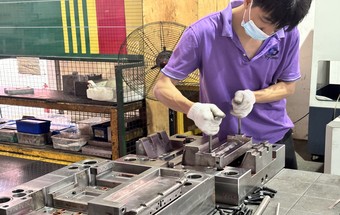
Develop in-house production tooling, including injection mold design, manufacturing, testing, and maintenance, for long-term, reliable plastic part production.
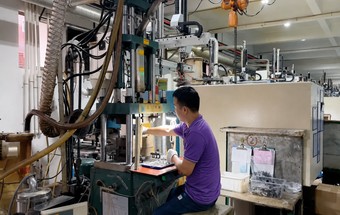
Integrate metal inserts into plastic parts through insert molding to improve structural strength, reliability, and functional performance.
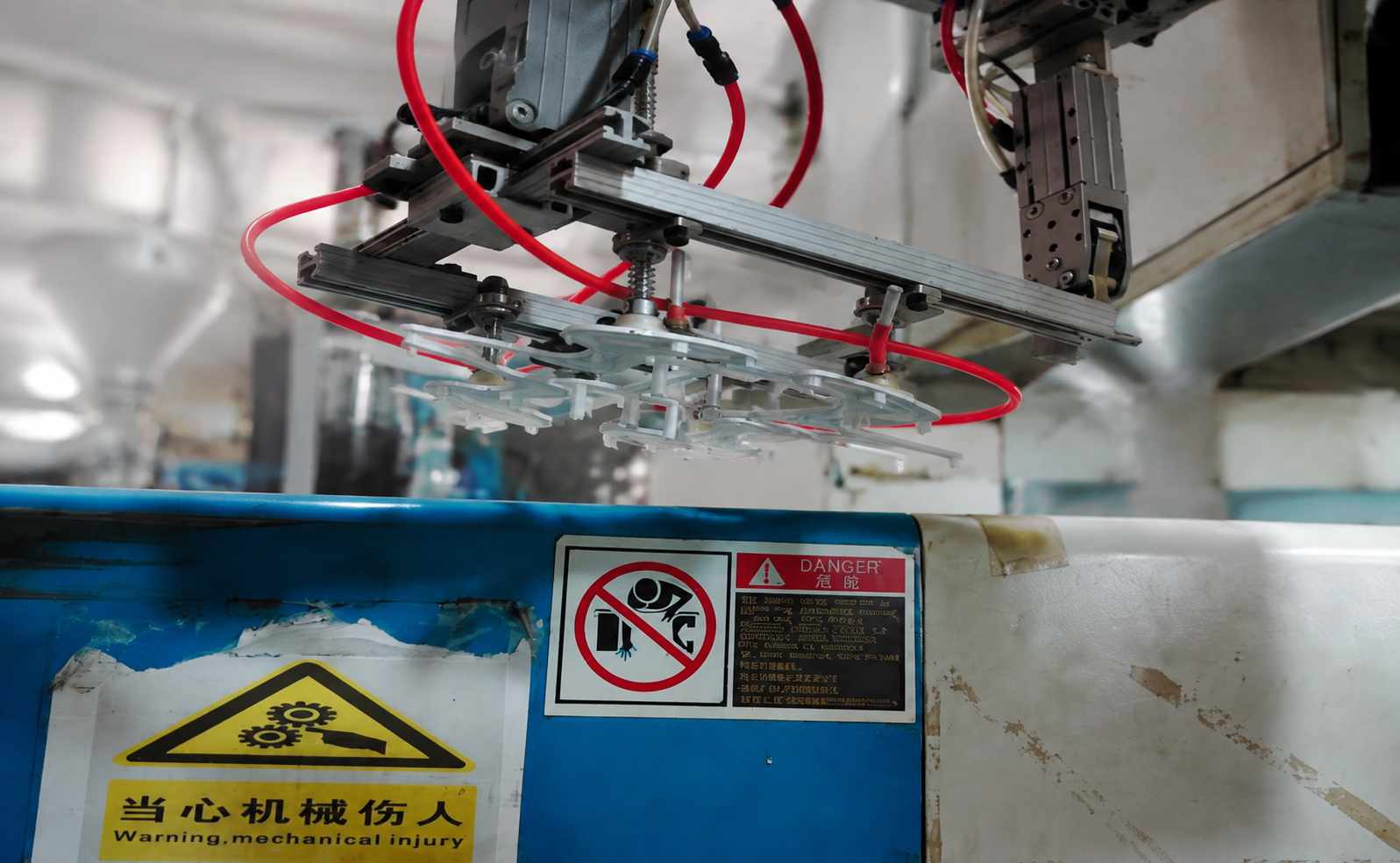
Combine multiple materials into a single component via plastic overmolding to improve grip, sealing performance, and product integration.
Create multi-material components through two-shot injection molding to reduce assembly steps and improve product integration.