
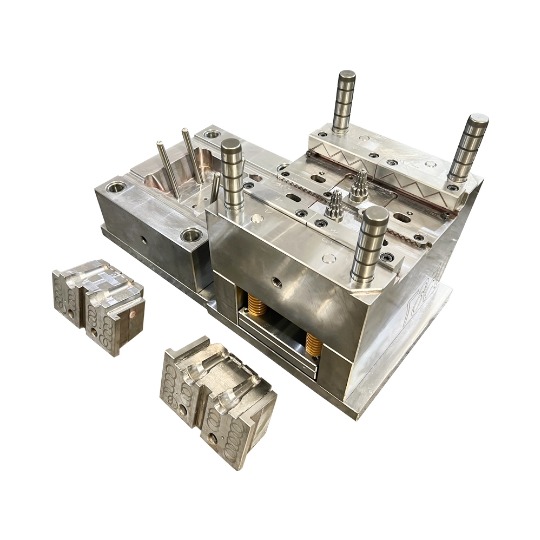
Make High-Volume Injection Molding More Efficient
✓ Increase Output per Cycle — Produce multiple identical parts in one molding cycle to increase overall production capacity.
✓ Reduce Unit Production Cost — Spread machine time and tooling investment across more parts as production volume increases.
✓ Maintain Cavity-to-Cavity Consistency — Control filling, cooling, and molding parameters to reduce dimensional and appearance variation between cavities.
✓ Match Cavity Count to Production Demand — Select the right cavity configuration based on part size, geometry, material, and target volume.
✓ Support Stable Repeat Production — Combine mold design, precision manufacturing, mold trials, validation, and maintenance to keep multi cavity tooling running reliably over time.
Customize Your Multi Cavity Mold
When your product design is stable and demand increases, a multi cavity mold can produce multiple identical parts per cycle, improving output and unit cost efficiency. TryCooler evaluates your part size, geometry, material, and target volume to define a practical cavity strategy for production.
Ready to scale production? Send us your drawings and requirements for review.
Multi Cavity Mold Solutions for Different Industries
Whether you need custom injection molds for industry-specific housings or high-volume multi cavity molds for precision parts, TryCooler develops tooling solutions around your part design, material, production volume, and molding requirements to help you scale production efficiently.
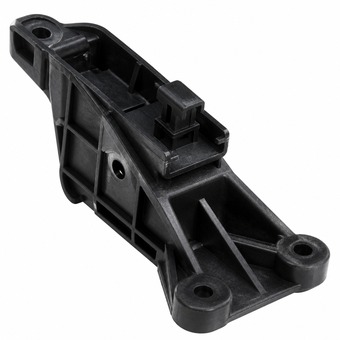
Suitable for structural brackets, interior clips, and other automotive plastic parts. Multi cavity tooling helps control dimensional consistency between cavities, reduce assembly variation, and support stable repeat production.
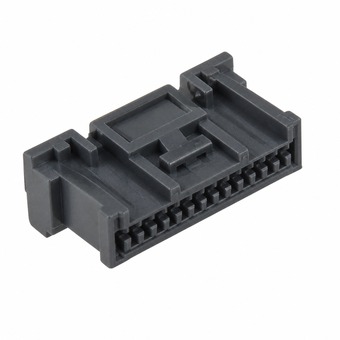
Suitable for connectors, small structural components, and precision electronic plastic parts. Optimized core and cavity design helps reduce geometric variation between cavities and maintain consistent positioning and assembly fit.
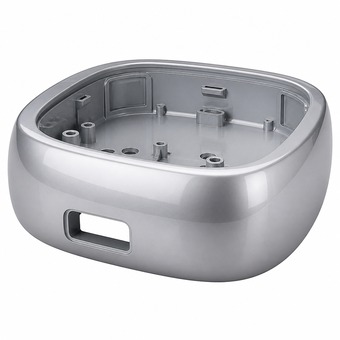
Suitable for smart device housings, consumer electronics enclosures, and other appearance-sensitive plastic parts. Multi cavity hot runner systems and optimized gate design can improve production efficiency while maintaining consistent surface appearance across cavities.
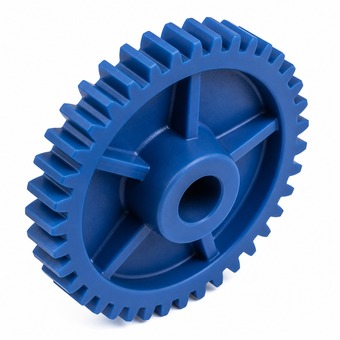
Suitable for gears, brackets, and other functional industrial plastic components. Stable mold structures and balanced multi cavity molding help increase production output while maintaining dimensional consistency and functional performance.
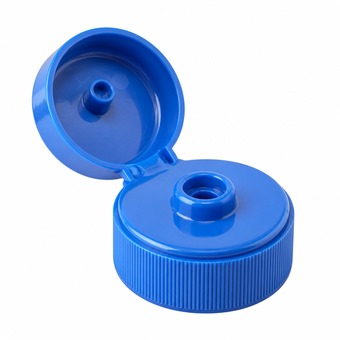
Suitable for caps, closures, lids, and other high-volume packaging components. Balanced runner and gate design helps distribute melt evenly across cavities, reducing short shots and improving consistency between molded parts.
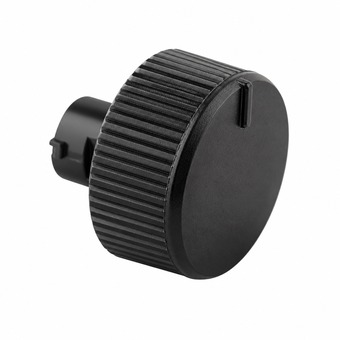
Suitable for control panels, knobs, housings, covers, and internal appliance components. Compared with single cavity tooling, multi cavity molds can produce more parts per cycle, helping increase production output and reduce unit manufacturing cost.
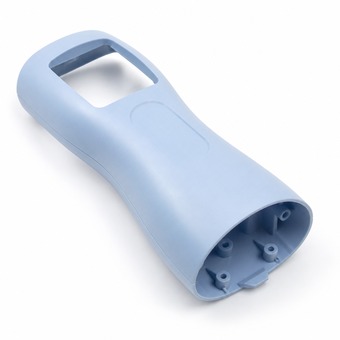
Suitable for medical device housings, equipment components, protective parts, and disposable plastic components. Multi cavity mold design focuses on balanced filling, dimensional consistency, flash control, and repeatable part quality to support standardized production requirements.
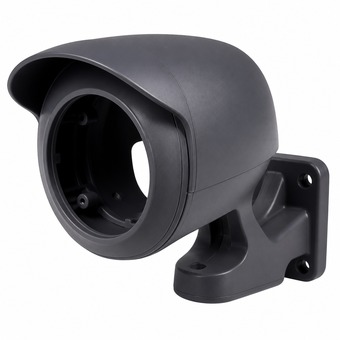
Suitable for surveillance camera housings, equipment covers, alarm components, access-control parts, and other security plastic components. Multi cavity mold engineering helps maintain consistent curved surfaces, openings, mounting features, and assembly interfaces across cavities for repeat production.
Multiple Mold Cavity Options for Your Custom Needs
Not sure how many cavities your project needs? TryCooler offers flexible multi cavity injection mold solutions for different production requirements. Choose from 2, 4, 8, 10, 12, or 16 cavities, or customize the exact cavity count for your project. We also support multi-part molding solutions to streamline production processes and optimize overall manufacturing costs.
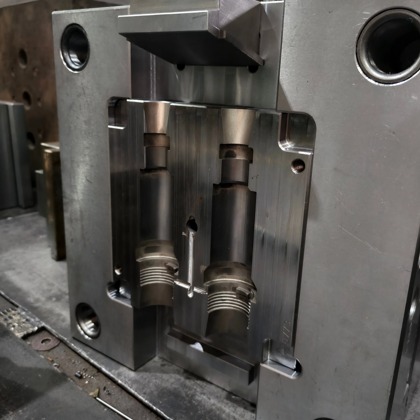 2 Cavity Molds
Ideal for medium-to-large housings and structural parts. A 2 cavity mold provides a practical balance between tooling investment and production efficiency while maintaining stable molding performance for larger plastic parts.
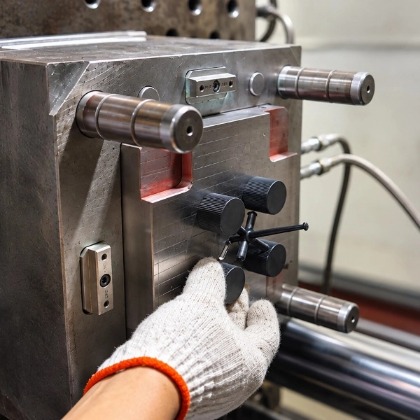 4 Cavity Molds
Suitable for projects moving into stable volume production. TryCooler controls cavity dimensions and molding consistency to increase output while keeping tooling complexity and investment manageable.
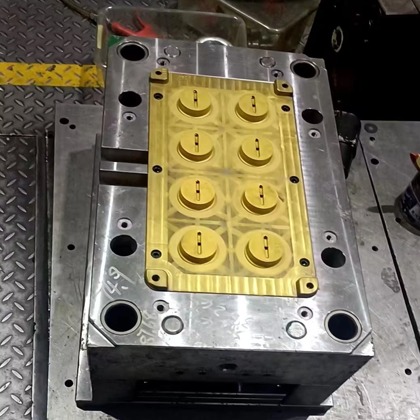 8 Cavity Molds
Designed for higher-volume production where reducing unit cost becomes increasingly important. Hot runner systems can be applied when suitable to reduce runner waste, improve material utilization, and increase production efficiency.
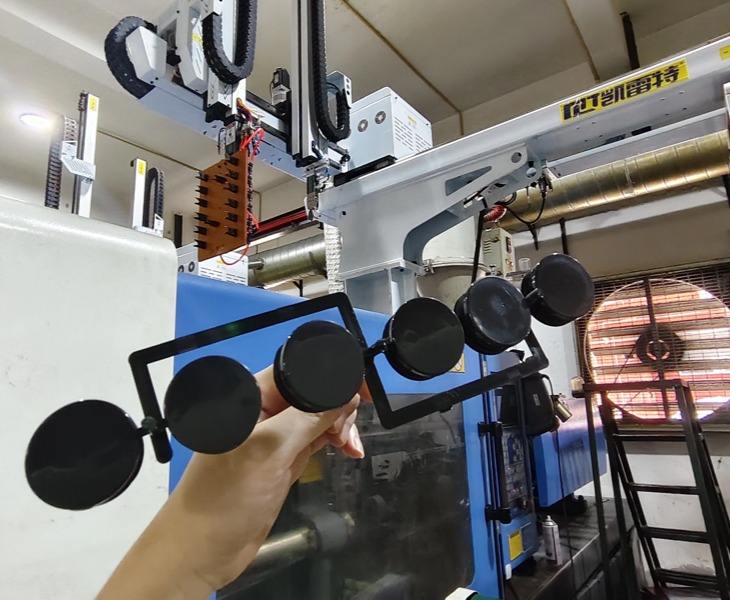
 16 Cavity Molds
Suitable for small precision plastic components with high production demand. TryCooler focuses on balanced filling and cavity-to-cavity consistency to support stable, repeatable production across all cavities.
Custom High-Efficiency Multi-Cavity Molds for Your Projects
Backed by extensive multi cavity mold experience, a standardized development process, and in-house manufacturing capabilities, TryCooler delivers tailored tooling solutions that help you improve production efficiency, move into volume production faster, and accelerate time to market.

Multi cavity molds can produce multiple parts in a single molding cycle. TryCooler offers 2–32 cavity configurations based on your part specifications and production volume, helping you match capacity without under- or over-engineering the mold.

Uneven filling can cause variation between cavities. TryCooler uses mold flow analysis to optimize runners, gates, and cooling systems, improving filling balance and molding consistency across all cavities.Before production, cavity-to-cavity weight balance is validated to Cpk ≥ 1.33

For irregular parts, precision components, and appearance-sensitive products, TryCooler can integrate hot or cold runners, sliders, lifters, and inserts to meet different demolding, assembly, and surface requirements.

Different projects demand different levels of wear, corrosion, and heat resistance. TryCooler selects mold steels such as P20, 718H, H13, and S136 based on your material, production frequency, and working conditions, with precision machining to maintain dimensional stability and mold performance. Tool life: 300,000 to 1,000,000+ shots depending on steel grade, with wear parts replaced to keep the tool running.

Long-term production can lead to contamination, wear, and reduced venting performance. TryCooler provides routine inspection, cleaning, maintenance, and replacement of wear parts to reduce the impact of mold condition changes on dimensions, yield, and production stability.

The main value of multi cavity tooling is higher output with better production economics. TryCooler optimizes cavity layout, molding parameters, and material utilization to reduce production loss and improve unit manufacturing cost in volume production.
Tool Steel for Multi Cavity Molds
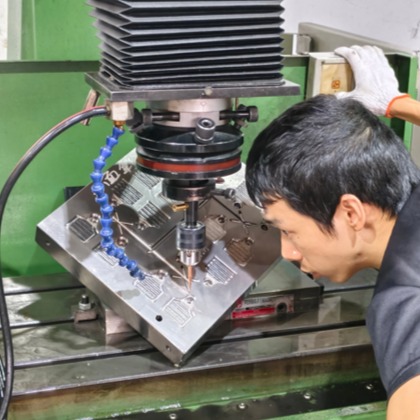
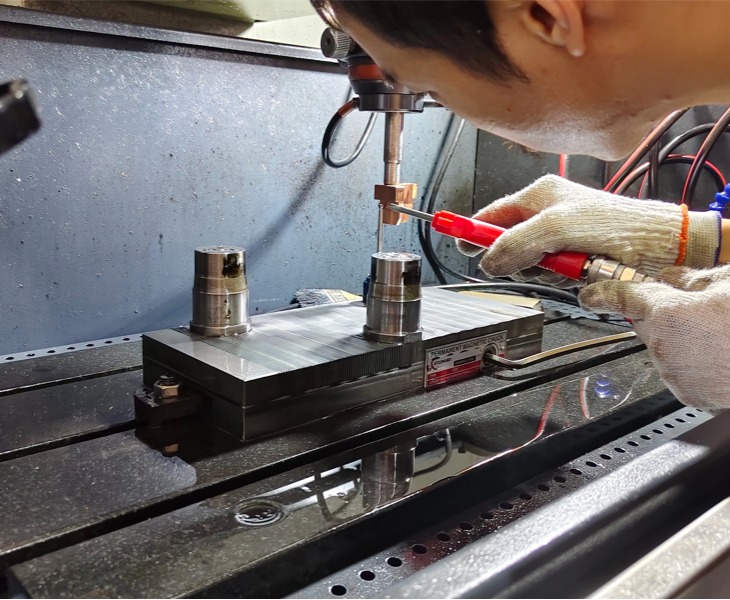
TryCooler selects suitable mold steels such as P20 and 718H based on your material, cavity count, appearance requirements, and production needs. We then use CNC, EDM, grinding, polishing, and precision mold fitting to manufacture cores, cavities, and inserts. By matching steel performance with the appropriate machining process, we can better control dimensional variation, assembly fit, and surface consistency between cavities, helping molded parts maintain repeatable dimensions, fit, and appearance throughout production.
Stainless Steel for Corrosion-Sensitive Tooling
For medical, food-contact, high-humidity, high-gloss, or appearance-sensitive applications, TryCooler can use corrosion-resistant mold steels such as S136, combined with precision polishing, cooling, venting, and mold maintenance. This helps reduce rust, corrosion marks, and cavity surface degradation while maintaining consistent high-gloss, transparent, or fine-textured finishes across multiple cavities. It is well suited for projects requiring cleanliness, surface consistency, and stable long-term production.
Choose the Right Multi Cavity Mold for Your Production
Compare cavity counts, mold types, and validation requirements. TryCooler helps you select a mold solution that fits your part design and production needs.
- Cavity Configuration Guide
- Injection Mold Type Comparison
- Multi Cavity Mold Validation
- Multi Cavity Mold Technical Reference
| Cavity Configuration | Suitable For | Main Consideration |
| 2 Cavity | Larger parts or moderate production demand | Balance tooling complexity and production output |
| 4 Cavity | Medium-size parts with repeat production | Runner balance, cooling, and cavity consistency |
| 8 Cavity | Smaller parts with higher production demand | Filling balance and stable process control |
| 12 Cavity | Small parts requiring increased output | Runner layout, mold size, and machine capacity |
| 16+ Cavity | Small, repeatable parts for high-volume production | Thermal balance, filling consistency, and mold maintenance |
| Mold Type | Parts Per Cycle | Best For | Main Consideration |
| Single Cavity Mold | 1 identical part | Product validation, lower production demand, larger parts | Lower tooling complexity but lower output per cycle |
| Multi Cavity Mold | Multiple identical parts | Stable designs with repeat or high-volume production | Cavity balance, cooling, consistency, and machine capacity |
| Family Mold | Multiple different parts | Related components used in the same assembly | Different part geometries can make filling and cooling harder to balance |
| Stack Mold | Multiple sets of cavities on different mold levels | High-output applications where press space is limited | More complex tooling, cooling, hot runner, and mold movement |
| Validation Item | What TryCooler Checks | Purpose |
| Filling Balance | Filling condition across individual cavities | Identify short shots, over-packing, or uneven filling |
| Part Weight | Weight comparison between cavities | Detect differences in material filling |
| Critical Dimensions | Cavity-by-cavity dimensional inspection | Control cavity-to-cavity variation |
| Warpage & Shrinkage | Part deformation and shrinkage behavior | Verify dimensional stability |
| Surface Appearance | Sink marks, weld lines, flash, gate condition | Maintain consistent appearance across cavities |
| Ejection | Part release and ejector condition | Prevent deformation and ejection damage |
| Assembly Fit | Mating and functional interfaces | Confirm parts from different cavities assemble correctly |
| T1 Sample Review | Samples identified and compared by cavity | Locate cavity-specific issues before approval |
| Technical Item | TryCooler Capability |
| Mold Machining Tolerance | Typically ±0.02 mm; critical features up to ±0.01 mm |
| Molded Part Tolerance | Evaluated based on part size, geometry, material shrinkage, and drawing requirements |
| Cavity Consistency | Critical dimensions, part weight, and appearance compared cavity by cavity |
| Cavity Configuration | Defined by production volume, part size, and mold structure |
| Machine Matching | Evaluated by projected area, shot size, clamp force, and mold dimensions |
| Mold Life | Defined by mold steel, structure, resin, and production requirements |
| Inspection Support | CMM / FAI / Cavity-by-Cavity Inspection |
| Quality Documentation | Dimensional Report / FAI Report / Material Certificate |
A single cavity mold produces one part per cycle, while a multi cavity mold produces several identical parts simultaneously. Multi cavity tooling normally requires a higher initial tooling investment but can increase output and reduce molding cost per part as production volume increases.
Multi cavity tooling is generally suitable when your product design is stable, demand is repeatable, and increasing output per molding cycle provides a clear production benefit. For products still undergoing frequent design changes, validating the design before investing in higher-cavitation tooling may reduce modification risk.
TryCooler reviews cavity layout, runner length, runner dimensions, gate size, gate location, pressure loss, and material flow. For suitable projects, mold flow analysis can also be used to evaluate filling behavior before mold manufacturing.
Uneven mold temperatures can create different shrinkage, warpage, dimensions, and cycle behavior between cavities. Cooling channels are therefore designed around cavity arrangement, wall thickness, deep cores, inserts, and areas where heat can accumulate.