

Small Part Injection Molding for Precision and Scale
- Keep small parts accurate from sample to mass production.
- Mold small holes, thin walls, clips, and fine details.
- Choose the plastic grade that fits your product requirements.
- Use multi-cavity molds for faster, lower-cost volume production.
- In-house mold manufacturing to ensure better control over the entire production process.

Custom Small Part Injection Molding From Your Drawings
TryCooler manufactures custom small injection molded parts from your 3D drawings or samples. We develop the mold around your specified material, critical dimensions, assembly fit, appearance, and production volume.
For parts with small holes, thin walls, ribs, slots, bosses, clips, and other fine features, we review molding feasibility before tooling. We evaluate gate location, parting lines, and ejection against your critical dimensions, appearance, and assembly requirements. We can mold POM, PA, PBT, PC, ABS, PP, TPU/TPE, and other specified plastic grades based on your part’s mechanical, electrical, appearance, and operating requirements.
For repeat production, mold structure and cavity count are matched to your expected volume. T1 samples are checked for dimensions, appearance, and assembly before approved requirements are carried into repeat production.
Small Part Injection Molding
Get custom small plastic parts that fit properly, perform reliably, and stay consistent from sample to production.
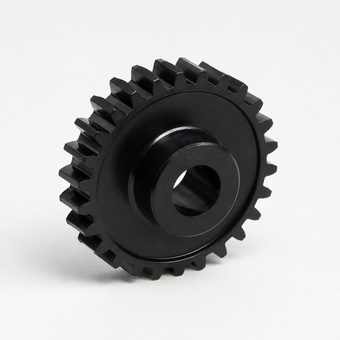
Smooth-running gears designed to reduce wear and keep moving parts working reliably over repeated use.

Small connectors that securely hold electrical components while providing the insulation your product requires.
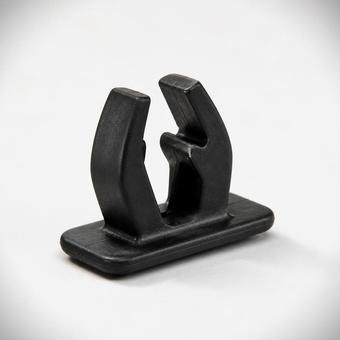
Strong, lightweight clips that stay securely in place where you need greater strength and stiffness.

Tough small housings that help protect internal components from impacts, drops, and everyday handling.
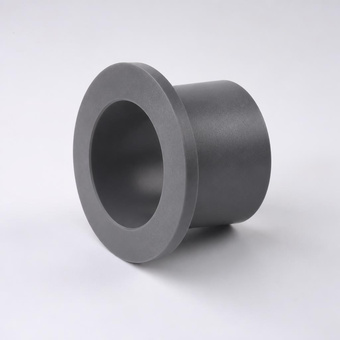
Smooth-running bushings that reduce friction and wear between moving parts for longer-lasting operation.
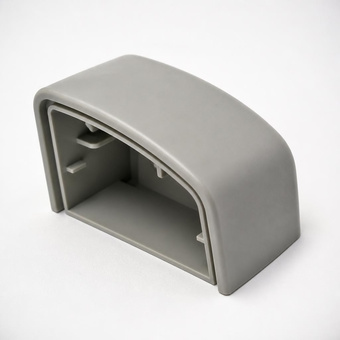
Protective covers made for electrical products and other applications that require flame-retardant materials.
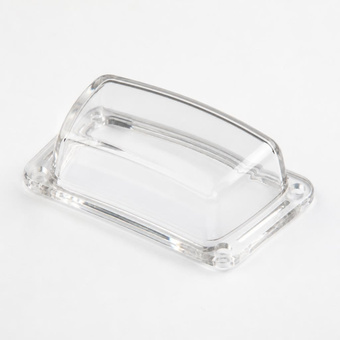
Clear plastic parts that provide visibility or light transmission while maintaining the shape and function your product requires.

Durable plastic parts made to better withstand sunlight and outdoor use without degrading too quickly.
Small Part Injection Molding Applications
Custom small plastic parts made to work reliably inside your product and stay consistent throughout repeat production.
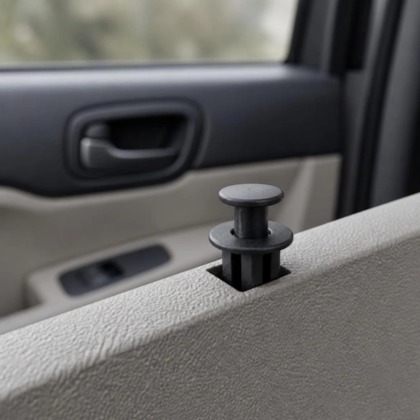 Automotive
Durable small plastic parts made to fit securely and keep working reliably throughout vehicle use.
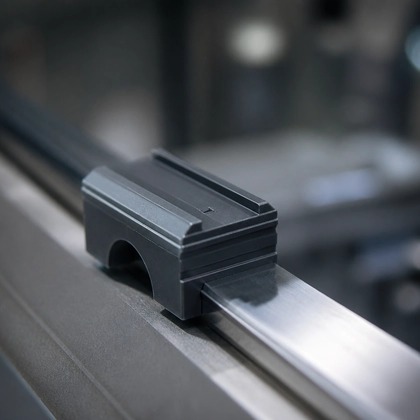 Industrial Equipment
Functional plastic parts built to withstand repeated use and keep equipment operating as intended.
 Electronics
Small plastic parts that fit securely into electronic products and support reliable everyday operation.
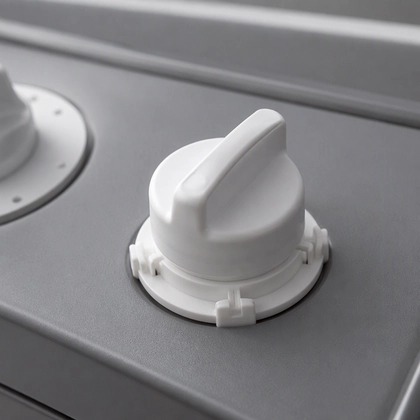 Home Appliances
Custom small plastic parts designed to fit neatly into appliances and perform reliably through repeated use.
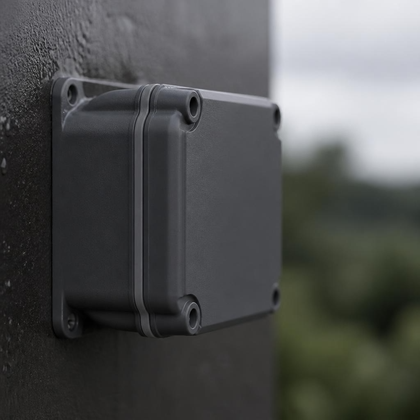 Outdoor Plastic Enclosures
Durable plastic parts made to protect enclosed components and maintain reliable performance in outdoor use.
Advantages of Small Part Injection Molding
Small part injection molding helps you turn compact and detailed designs into consistent plastic parts that are practical to produce at scale.

Control critical dimensions to tolerances as tight as ±0.01 mm where part geometry, material, and molding conditions allow.

Produce detailed shapes and small features in one molded part without making assembly harder.

Choose the plastic that gives your finished part the performance it needs for its actual use.

Produce larger quantities efficiently while reducing the cost of each part as volume increases.

Produce several parts in each molding cycle when your project needs higher output.

Combine multiple functions into one molded part to reduce separate components and assembly steps.

Keep approved part requirements consistent when you move into future production runs.

Increase production as your order volume grows without changing to a completely different manufacturing process.
Surface Finishes for Small Plastic Parts
Your custom small plastic parts can be molded with polished, matte, textured, or specified surface finishes to match the appearance and touch requirements of your finished product. We review visible and functional surfaces before mold manufacturing so the mold finish is developed around the areas that matter to your product.
For appearance-sensitive plastic parts, you can review the molded surface during sampling before the approved finish is carried into production.
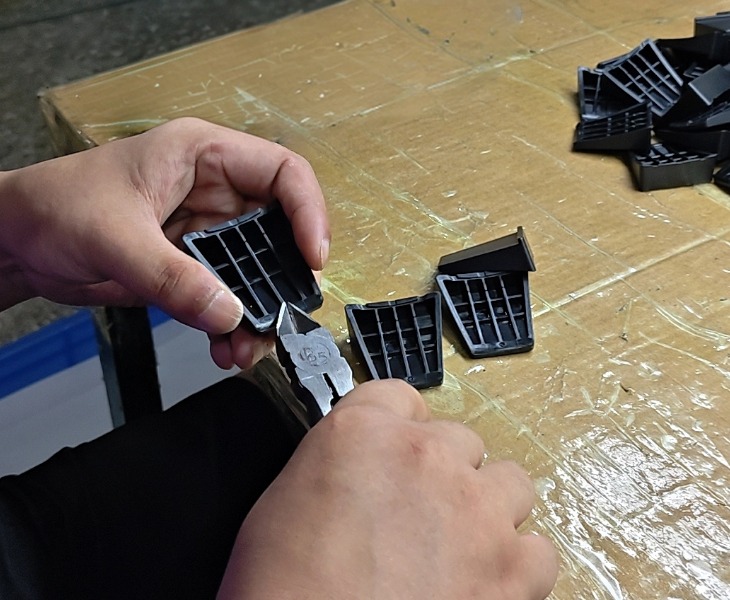

Custom Mold Making for Small Part Injection Molding
We develop your injection mold around the specific requirements of your small plastic part. We can customize the cavity count, gate and runner system, mold steel, inserts, ejection, cooling, and mold surface based on your part geometry, specified plastic material, expected production volume, and appearance requirements.
For higher-volume small part injection molding, we can also evaluate multi-cavity mold and runner options to increase production efficiency and reduce unit cost as quantities grow.
Engineering Plastics for Small Part Injection Molding
Choose the right material for how your small plastic part will actually be used. TryCooler offers PP, PC, ABS, Nylon, POM, PBT, TPU/TPE, and other injection molding materials, with options for wear and impact resistance, electrical insulation, flame retardancy, flexibility, transparency, and outdoor UV resistance.
Our engineers help you select a suitable material based on your part’s function, operating environment, assembly requirements, and production needs.

Small Part Injection Molding Under One Roof

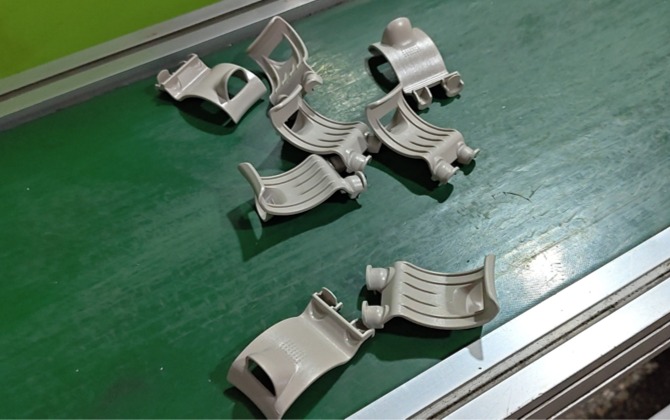
Your small plastic part project stays within TryCooler from in-house mold manufacturing through injection molding production. If a tooling issue appears during sampling or production, our mold and molding teams can review and correct it directly without sending the project between separate suppliers.
The requirements confirmed during tooling stay connected to sampling and production, reducing information gaps when the mold is adjusted or the part moves into repeat orders.
Small Part Injection Molding Projects
See how different customers used our small part injection molding services to solve product, assembly, material, and production challenges.
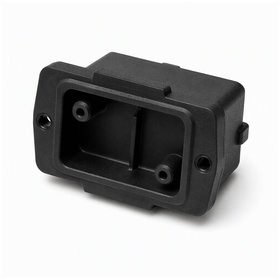
A U.S. automotive supplier came to us after struggling to get a small sensor housing to fit consistently with an existing assembly. Instead of changing the surrounding components, our engineers worked from the mating structure and adjusted the housing around the actual fit required. We built the mold in-house and used molded samples to verify the assembly before production. The revised housing passed the customer’s fit test and helped shorten the overall validation process by approximately 50%.
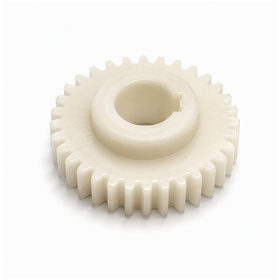
The customer had been machining a small POM gear for an industrial mechanism, but the cost became difficult to justify as order quantities increased. TryCooler helped convert the validated gear design to injection molding while keeping its original mating relationship with the existing mechanism. A wear-resistant POM grade was used for the moving application, and molded parts were tested in the customer’s assembly before the production version was finalized. Moving from machining to repeat molding reduced the customer’s part cost by approximately 35%.

Changing the specified resin was not an option for this U.S. electronics customer. Its small connector had to use a flame-retardant plastic and still fit an already approved electrical assembly. We therefore developed the tooling around the required material and existing part design rather than asking the customer to simplify the specification for easier molding. After the first molded parts were checked in the assembly, only minor tooling corrections were needed before approval. This approach helped the customer avoid a larger redesign and cut expected tooling rework costs by around 30%.
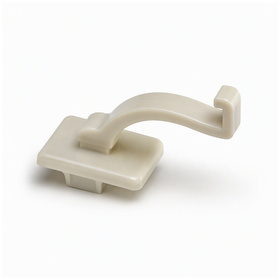
The problem only became obvious on the assembly line. A European home appliance brand had designed a small snap-fit component that could be molded successfully, but operators needed too much time to install it into the mating part. After reviewing how the two components engaged, TryCooler proposed a small change to the snap-fit area while keeping the original product function. The updated geometry was incorporated into the mold and verified with molded samples. Final assembly became easier, reducing installation time by approximately 40% and removing an additional fastening step.
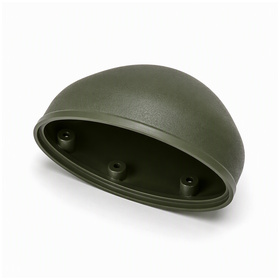
An Australian outdoor equipment company initially needed a small UV-resistant plastic cover in moderate quantities, but growing orders soon made production capacity and unit cost more important. TryCooler developed the mold around the approved outdoor material and part requirements, then moved the project to a multi-cavity solution as demand increased. The customer was able to keep the same approved part while increasing production capacity by approximately 60%, giving the project more room to scale without changing suppliers or restarting the tooling process.

Small Part Injection Molding Guide
Use these references to make better decisions before tooling and production for your small plastic part project.
- Materials for Small Plastic Parts
- Plastic Performance Options
- Mold Options for Small Part Injection Molding
| Material | Suitable For | What It Brings to Your Part |
| POM | Gears and moving parts | Low friction and good wear resistance for repeated movement |
| PA | Functional mechanical parts | Good strength and toughness for parts under repeated loads |
| PA-GF | Load-bearing small parts | Higher strength and stiffness than unfilled nylon |
| PBT | Electrical components | Good dimensional stability and electrical insulation |
| PC | Protective and functional parts | High impact resistance for parts exposed to knocks or drops |
| ABS | Housings and appearance parts | Good rigidity with a clean molded surface |
| PP | Lightweight functional parts | Good chemical resistance with low part weight |
| TPU/TPE | Flexible contact parts | Adds flexibility, grip, sealing, or cushioning where needed |
| If Your Part Needs | What We Consider | Typical Use |
| Heat Resistance | A heat resistant plastic grade matched to the actual operating temperature | Parts used near heat sources or in warm operating environments |
| Impact Resistance | Tough materials that can better withstand knocks and repeated impact | Protective covers and functional housings |
| Wear Resistance | Low-friction or wear resistant plastic for repeated movement | Gears, bushings and sliding parts |
| Flame Retardancy | Flame retardant plastic grades that meet the specified project requirement | Electrical and electronic parts |
| Outdoor Durability | UV resistant plastic selected for expected outdoor exposure | Outdoor covers and enclosures |
| Electrical Insulation | Insulating plastics selected around the electrical application | Connectors and insulating components |
| Static Control | ESD plastic where controlled static dissipation is required | Parts around static-sensitive electronics |
| Transparency | Transparent plastic selected around clarity and functional requirements | Clear covers and viewing parts |
| Mold Option | When It Makes Sense | What You Gain |
| Single-Cavity Mold | Initial or lower-volume production | Lower tooling investment with a simpler mold structure |
| Multi-Cavity Mold | Larger repeat orders of the same part | More parts produced per cycle and a lower unit cost at volume |
| Family Mold | Several related parts are needed together | Multiple different parts can be produced from one mold |
| Hot Runner Mold | Production volume or material cost justifies it | Less runner waste and better material efficiency |
| Replaceable Inserts | Small features may require future maintenance | Local mold areas can be serviced without rebuilding the complete mold |
WHAT OUR CUSTOMERS SAY
We needed a supplier for several small plastic parts, but our main concern was whether the fine features would come out consistently in production. TryCooler reviewed the design with us before tooling and pointed out a few areas worth adjusting. The first molded samples were very close to what we expected, and communication with the engineering team made the approval process much easier.
 Michael TurnerProduct Development Manager, Industrial Equipment Company
Our part is small, but the fit is critical because it goes directly into an existing assembly. We had problems with dimensional variation from a previous supplier. TryCooler understood which dimensions actually mattered to us and worked around those requirements during mold development. The production parts now fit consistently, which has reduced the amount of checking and adjustment on our side.
 Daniel WeberMechanical Engineer, Automation Equipment Manufacturer
We started with relatively modest quantities, but demand increased faster than expected. TryCooler helped us move to a multi-cavity mold rather than simply continuing with the original production setup. That gave us the additional capacity we needed and brought our unit cost down by about 30%. We have since placed several repeat orders without needing to change suppliers.
 James MillerSourcing Manager, Consumer Product Company
We were previously machining this small POM gear, which worked well for prototypes but became too expensive as our quantities increased. TryCooler helped us move the part into injection molding without changing how it worked in our mechanism. The molded gears ran smoothly in our tests, and the change reduced our part cost by roughly 35%.
 Thomas BeckerEngineering Manager, Industrial Equipment Manufacturer
One thing we appreciated was that TryCooler did not immediately ask us to change the specified material just to make molding easier. Our connector had to meet the requirements of an existing electrical product, and the team worked around those constraints. The samples fit correctly, the material requirement was maintained, and we were able to move forward without redesigning the surrounding assembly.
 Robert HayesNPI Engineer, Electronics Company
Getting a good sample was only part of what we cared about. We also needed the same part quality when we started ordering in larger quantities. The production parts have remained consistent with what we approved during sampling, and when we have a new order or drawing update, the team already understands the project. That has made repeat purchasing much easier for us.
 Sophie MartinPurchasing Manager, Home Appliance Brand
Send us your 3D drawing, material requirement, expected order quantity, and any critical assembly or appearance requirements. STEP, STP, IGS, and X_T files are preferred. If available, you can also provide a 2D drawing for critical dimensions and tolerances.
Yes. You can send us a physical sample for evaluation. If production-ready 3D data is not available, we can first discuss what information needs to be prepared before mold development begins.
Our typical MOQ is around 1,000–5,000 pieces, depending on the part, material, mold configuration, and production requirements. Tell us your expected quantity and repeat demand so we can evaluate a suitable production approach.
Yes. We can sign an NDA or NNN before you share your drawings or other confidential project information with us.
Yes. We can produce a 3D-printed or CNC-machined prototype for you to check the design, fit, and function before committing to tooling. Once you approve the prototype and final design, we can move forward with mold manufacturing.