
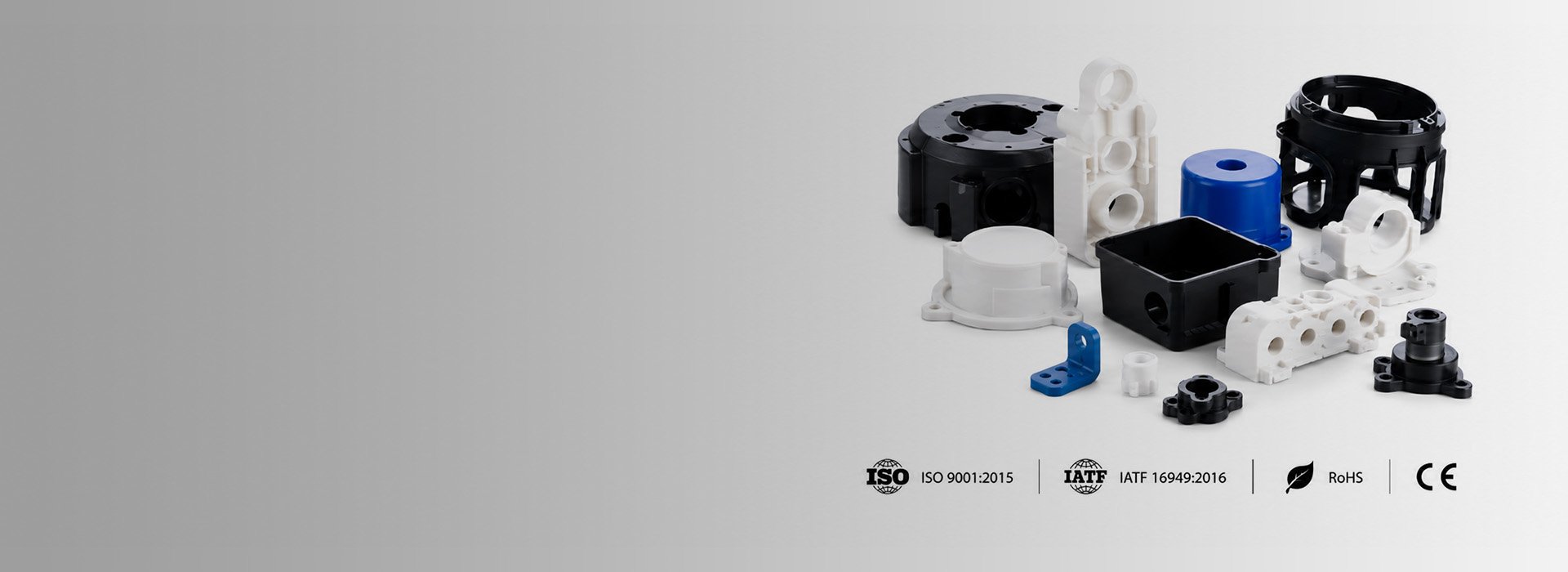
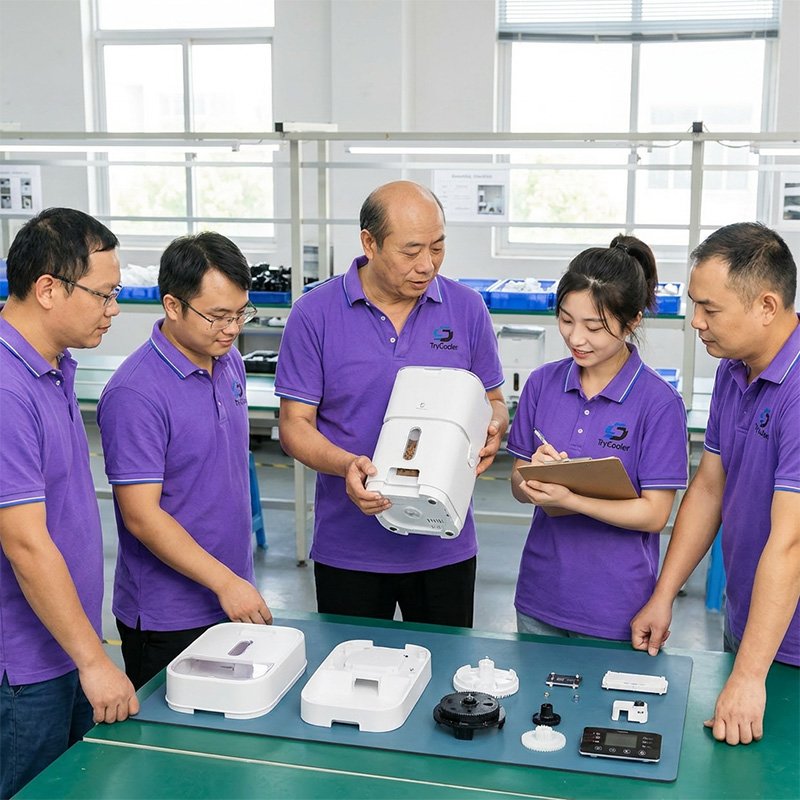
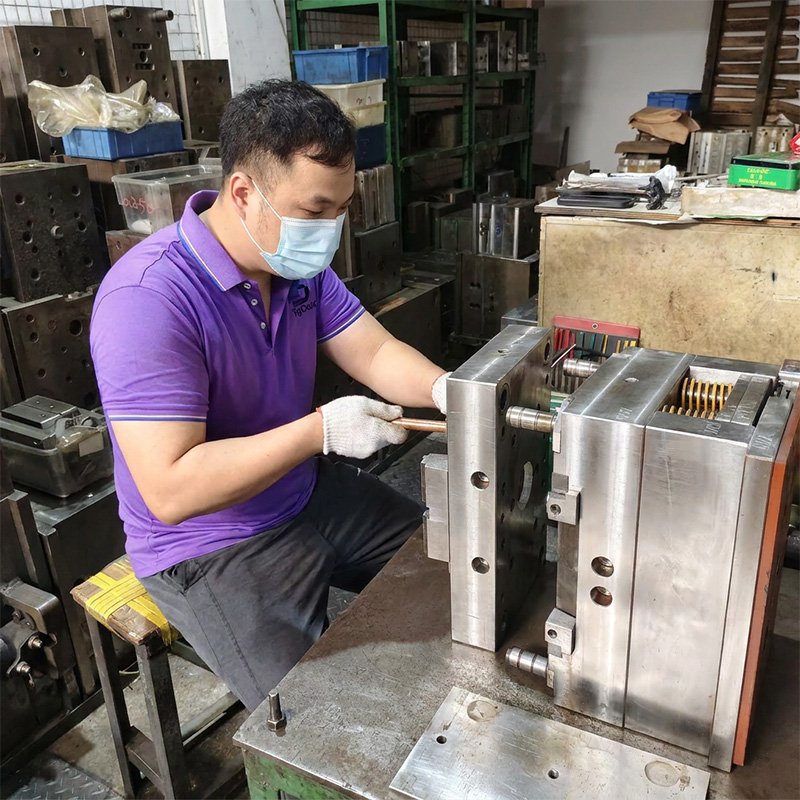
Designed Around Your Product Requirements
- Built around real use and assembly needs
- ISO 9001 & IATF 16949 systems
- Color and molded surface texture tailored to your product
- Start from drawings, samples, or product concepts
- T1 samples for fit and function confirmation
- Mold care for repeat orders
Why Engineering Review Matters for HDPE Parts
- Unsure if HDPE is the right material for your application
- Shrinkage and dimensional variation after molding
- Warpage risk in large, flat, or uneven-wall parts
- Unclear UV, food-contact, chemical, or color grade requirements
- Tight assembly areas that may affect final product fit
- Sample approved, but mass production becomes unstable
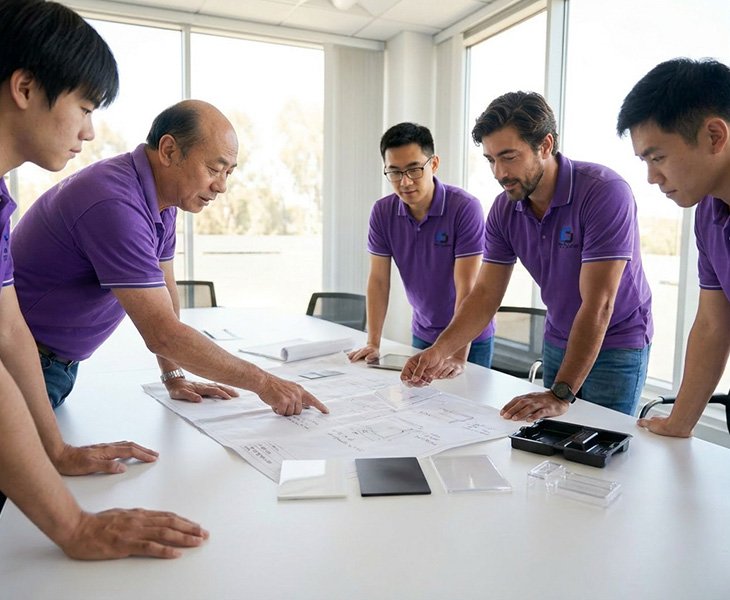
What Are Custom HDPE Injection Molded Parts?
HDPE is a high-density polyethylene material often used for plastic parts that need moisture resistance, chemical resistance, impact resistance, and cost-effective production. For injection molded HDPE parts, the key is not only material selection, but also part design, mold shrinkage allowance, cooling, and production control.
Custom HDPE Parts for Different Applications
Explore custom molded HDPE parts for demanding industrial, outdoor, and wet-environment applications.
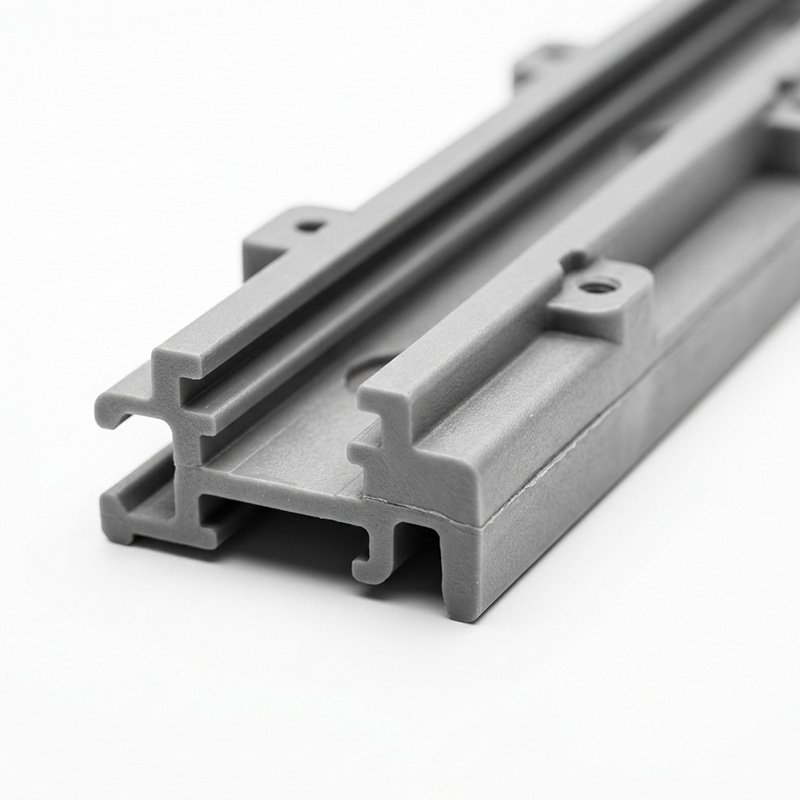
Covers, brackets, spacers, guides, and protective components for machinery and equipment.
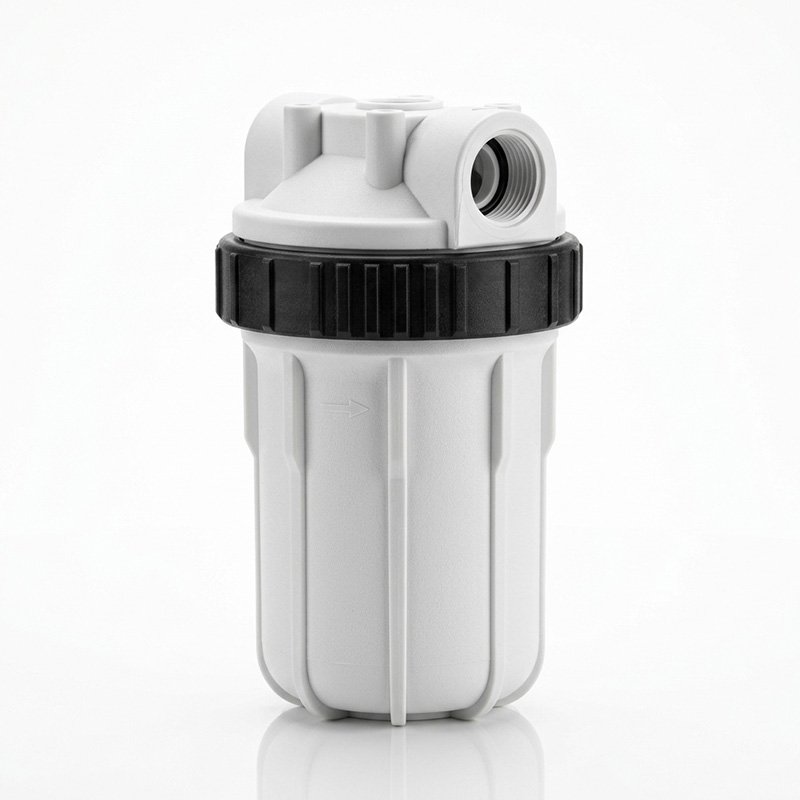
Water-contact covers, filter housings, support parts, and sealing-related components.
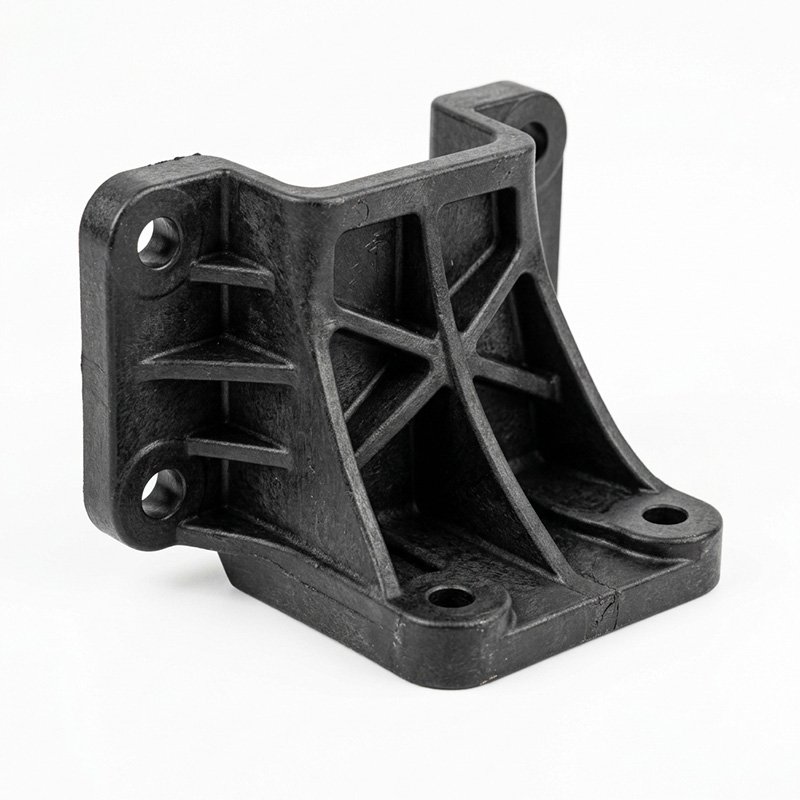
Liquid-contact parts, protective covers, brackets, and chemical-resistant HDPE components.
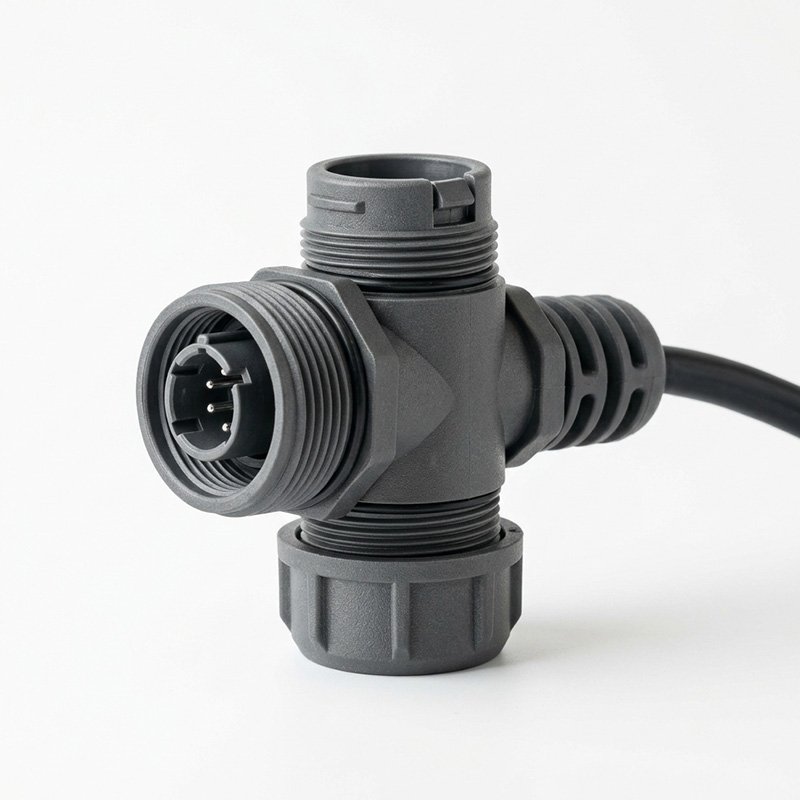
Connectors, clips, pads, covers, and moisture-resistant parts for outdoor and wet environments.
Engineering Support
We do not only quote your HDPE part. We review whether it can be molded, ejected, assembled, and produced consistently before mold making.

Confirm whether HDPE fits your application, environment, and performance needs.

Reduce sink marks, filling issues, shrinkage variation, and warpage risk.

Support smoother ejection and reduce dragging, scratches, or deformation.

Improve filling balance, weld line control, and part stability.

Consider HDPE shrinkage during mold design and trial molding.

Reduce sink marks, stress concentration, cracking, and local shrinkage.

Improve cooling balance, dimensional stability, and warpage control.

Focus on key assembly dimensions instead of over-tightening all tolerances.
Reducing Shrinkage and Warpage Risk
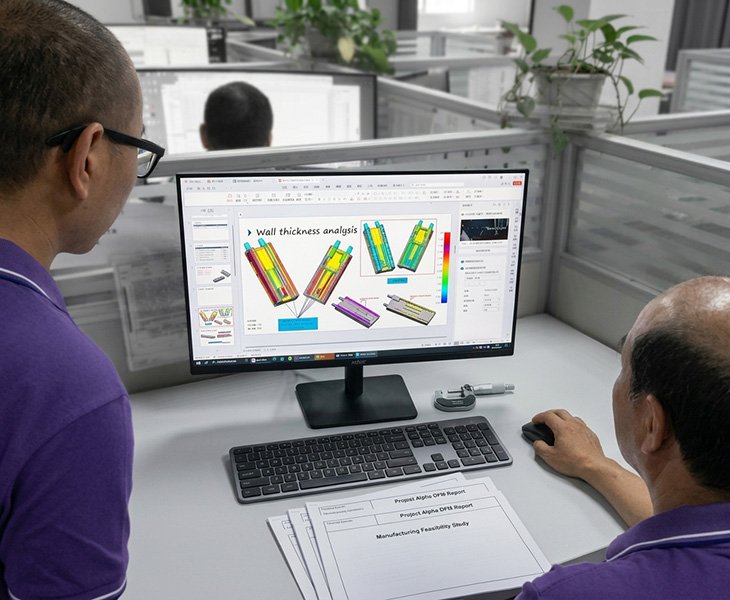
HDPE parts may face shrinkage and warpage risks if wall thickness, gate location, cooling, or assembly dimensions are not reviewed before tooling.
We check these details during DFM, mold design, and trial molding to reduce deformation risk and support more stable mass production.
HDPE Material Options

Suitable for general industrial parts, consumer products, covers, brackets, spacers, and custom-molded components. Colors can be customized based on your project requirements.

Recommended for outdoor parts exposed to sunlight, moisture, or changing temperatures. The material grade should be reviewed based on exposure conditions and expected service life.

For food-contact or higher consistency requirements, material grade and documentation should be confirmed according to your target market and application.
One-Stop HDPE Parts Manufacturing
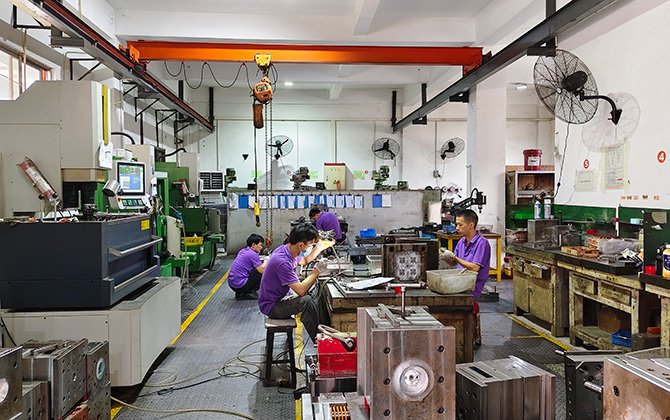
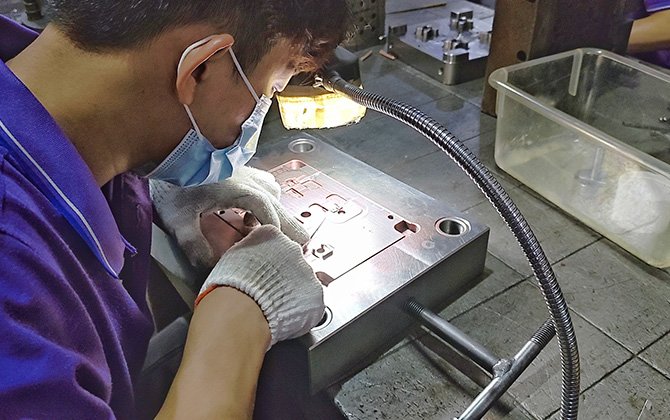
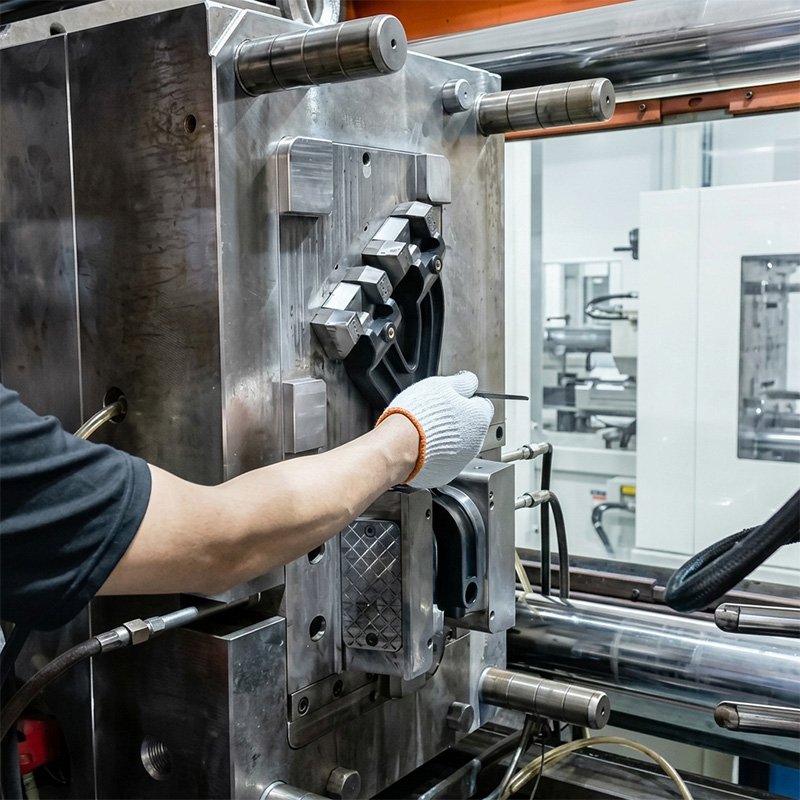
With in-house tooling and injection molding, we support your HDPE parts project from DFM review to mass production, helping reduce communication gaps and improve control over shrinkage, cooling, and key dimensions.
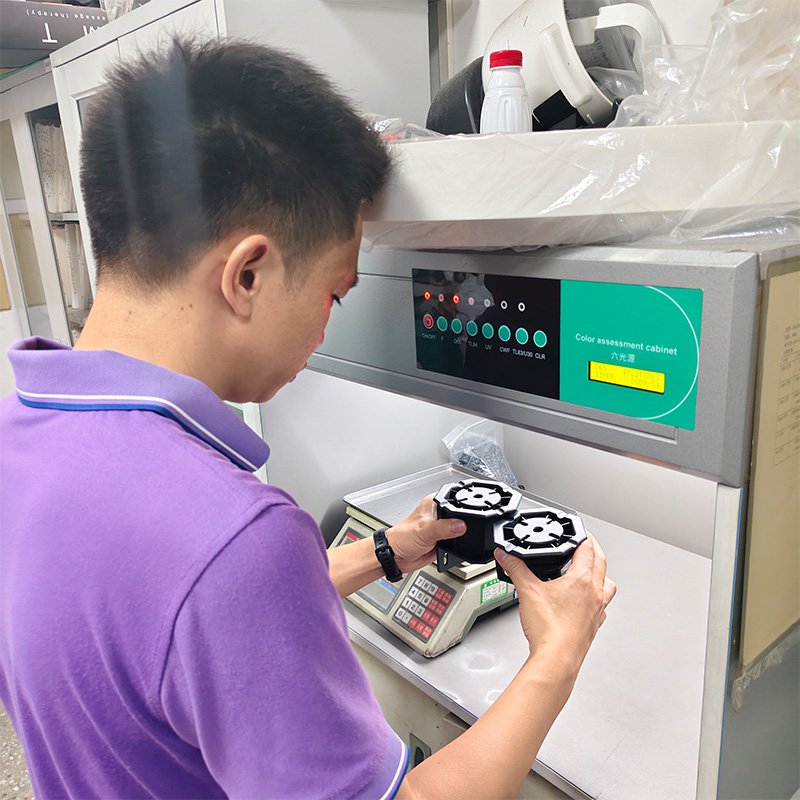
Before shipment, we check material consistency, warpage, assembly fit, surface quality, and packaging protection to reduce sample-to-production risks.
HDPE Parts Development Guide
A practical reference for assembly needs, quality checks, and project requirements before tooling.
- Assembly Fit
- Quality Checks
- Start a Project
| Project Requirement | Information to Share | What We Can Review |
| Mating Parts | CAD files, drawings, samples, or assembly photos | Clearance, locating features, interference risks, and fit |
| Sealing Areas | Sealing location, mating surface, leakage requirement | Parting line, gate position, surface condition, and fit |
| Fastening Method | Screw type, insert, clip, snap fit, or mounting details | Boss design, mounting structure, and load distribution |
| Functional Load | Pull force, vibration, impact, or repeated use conditions | Material suitability, structure strength, and support features |
| Surface Requirements | Color, texture, logo, marking, or appearance standard | Mold texture, marking feasibility, and finishing options |
| Production Stage | Main Checks | Customer Value |
| Incoming Material Check | Material grade, color, batch consistency, and documentation | Helps maintain material consistency before production |
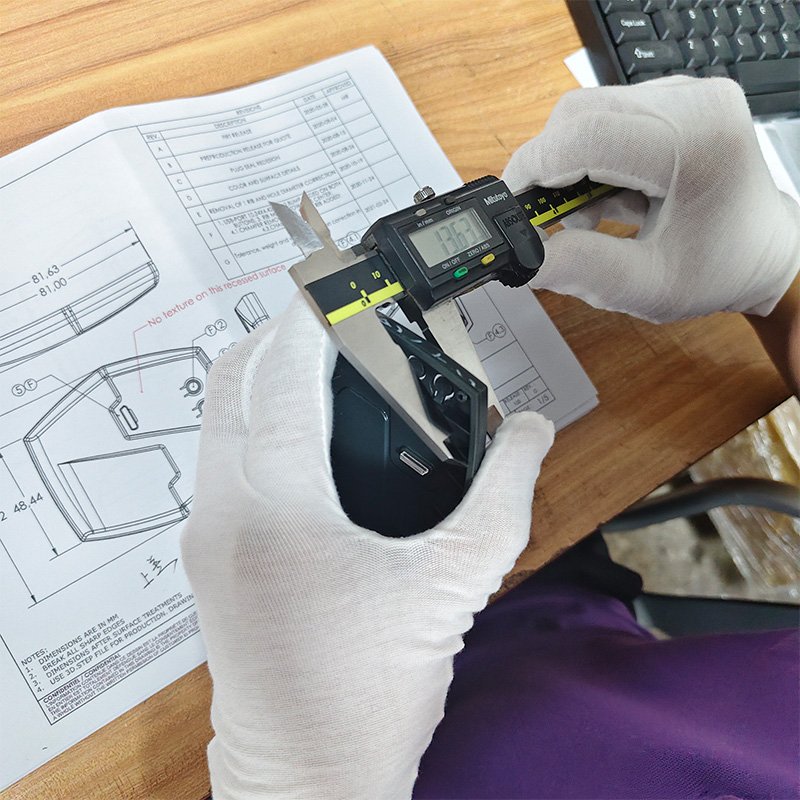
| T1 Sample Review | Dimensions, appearance, warpage, and assembly fit | Confirms key requirements before mass production |
| In-Process Inspection | Molding parameters, critical dimensions, and surface quality | Helps control consistency during production |
| Final Inspection | Quantity, appearance, key dimensions, and functional requirements | Reduces shipment and acceptance risks |
| Packaging Check | Part protection, nesting, labels, and shipping condition | Helps reduce scratches, deformation, and mixed parts during transport |
| Information Needed | Why It Helps |
| 3D Drawing, 2D Drawing, Sample, or Product Photo | Helps us understand part geometry and manufacturing feasibility |
| Application Environment | Supports material and performance review for moisture, chemicals, outdoor exposure, or load |
| Expected Quantity | Helps evaluate tooling approach, cavity layout, and unit cost |
| Material Requirement | Confirms standard, UV-stabilized, food-contact, colored, or virgin HDPE options |
| Assembly and Tolerance Requirements | Helps identify critical dimensions and fit-related risks |
| Surface, Packaging, and Shipping Requirements | Helps prepare suitable finishing, protection, and export packaging |
Yes. We can manufacture custom HDPE parts based on 3D drawings, 2D drawings, samples, or product ideas. Before mold making, our team can review the design and provide DFM suggestions to improve molding feasibility.
HDPE can be suitable for many outdoor applications because of its moisture resistance and impact strength. For long-term sunlight exposure, we suggest reviewing UV-stabilized HDPE grades based on the expected service environment.
Yes, HDPE is often used for water-contact, cleaning, and chemical-resistant parts. However, the actual chemical type, concentration, temperature, and contact time should be reviewed before confirming the material grade.
Food-contact HDPE grades can be reviewed according to your application and target market requirements. The final material choice should be confirmed together with the required documentation before production.
We review wall thickness, rib design, gate location, cooling layout, shrinkage allowance, and critical dimensions before tooling. During trial molding, we check part shape, deformation, and assembly fit before mass production.
For an accurate quotation, please send us your 3D drawing, 2D drawing, sample, or product idea, together with material requirements, quantity, application environment, color, tolerance, surface finish, and packaging requirements.