
Trusted by Product Developers and Engineering Teams










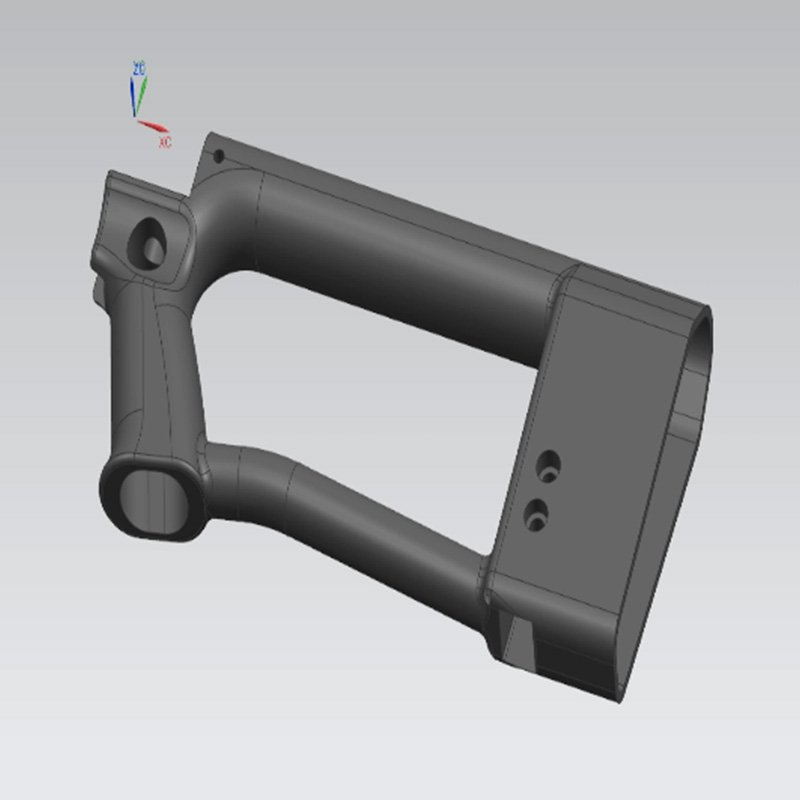
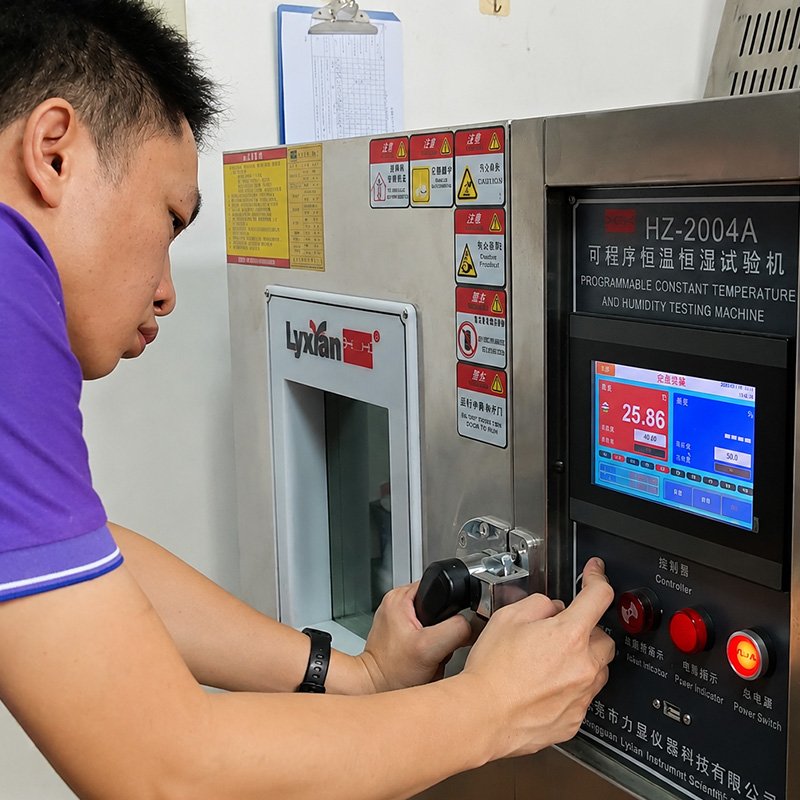
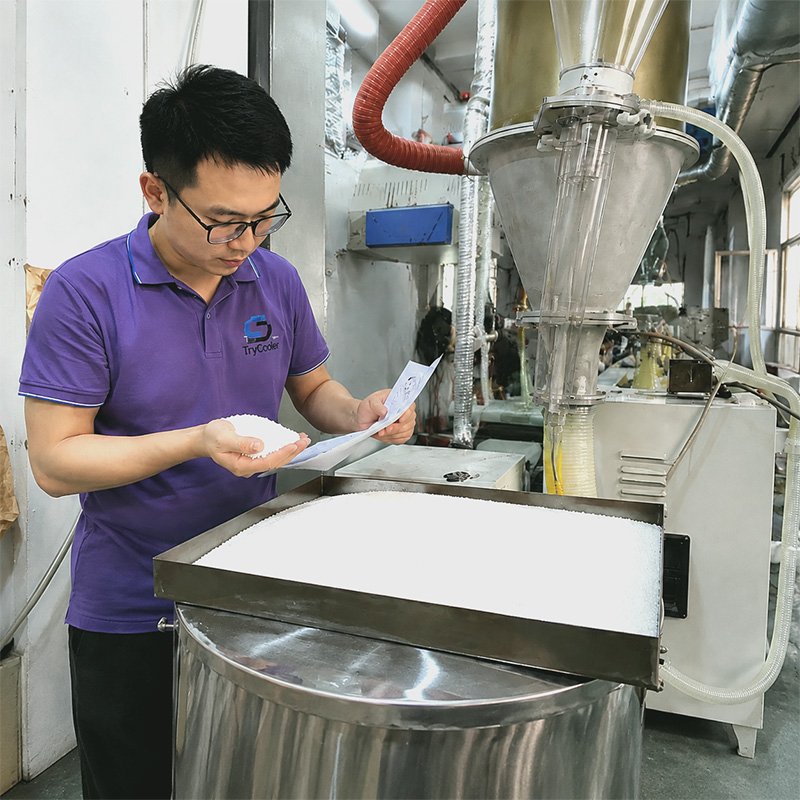
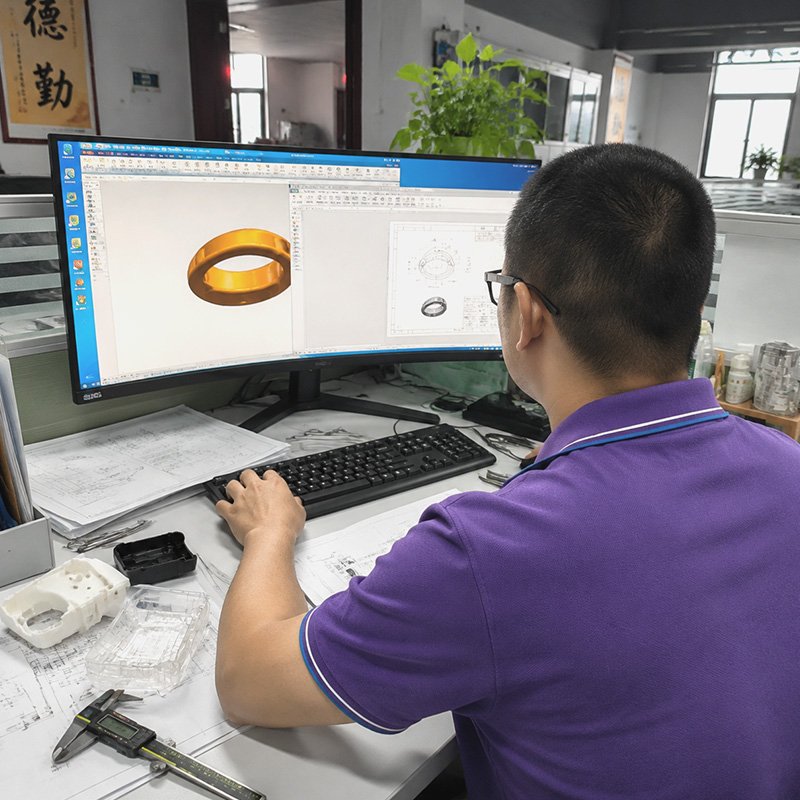
What Can Our Rapid Prototyping Service Help You Evaluate?
- Part Fit & Assembly Validation
- Wall Thickness & Structure Optimization
- Functional Feature Testing
- Material Compatibility Evaluation
- Injection Molding Design Feasibility
Why Choose TryCooler for Rapid Prototyping?
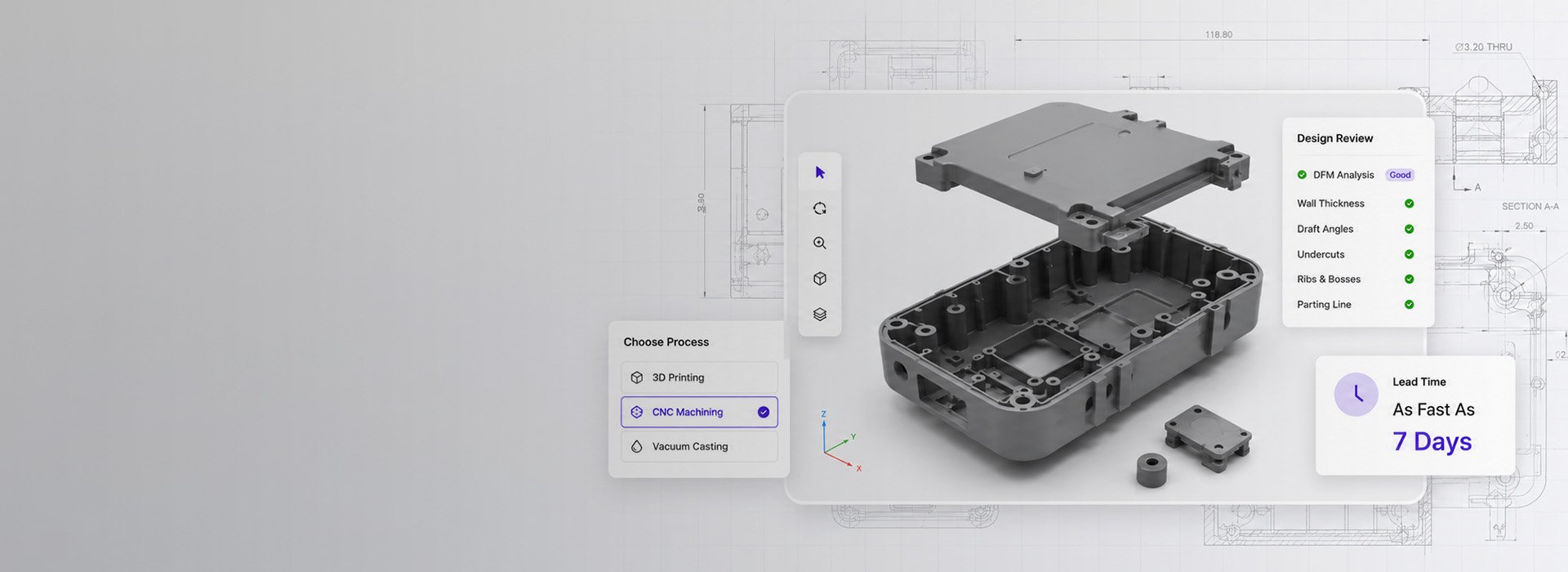
A prototype is valuable only when it helps you make smarter production decisions. Unlike suppliers that merely provide samples, TryCooler combines rapid prototyping with injection molding expertise to help you validate your design, address manufacturing challenges, and prepare for successful production.
Selecting Rapid Prototyping Processes
Different projects require different prototype solutions. Choose the right process based on your testing goals, material requirements, appearance needs, and production plans.
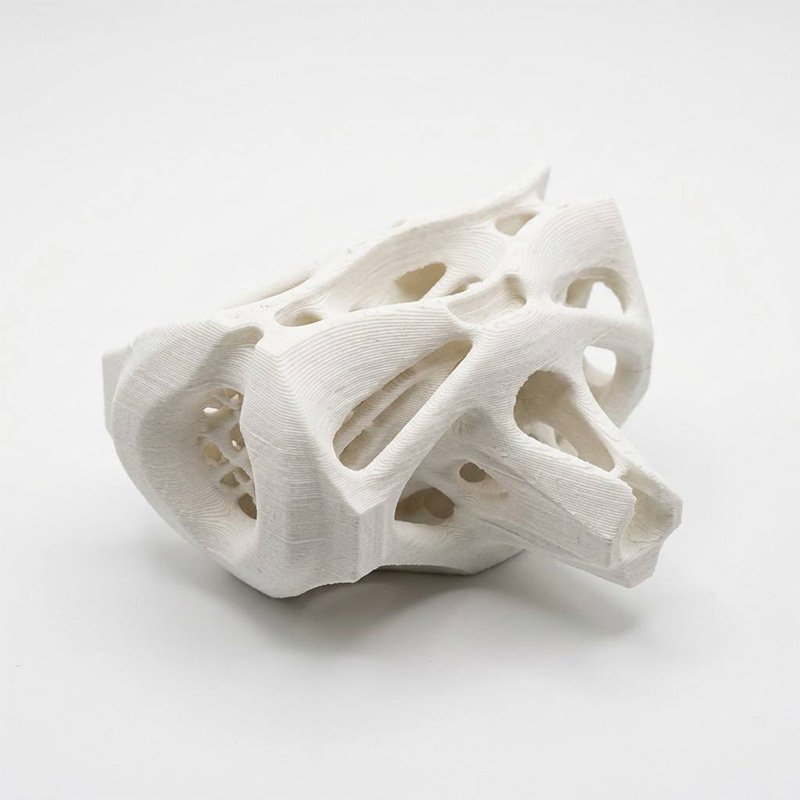 3D Printing
3D printing offers low costs for small batches and fast production speeds, making it ideal for startups or concept development.
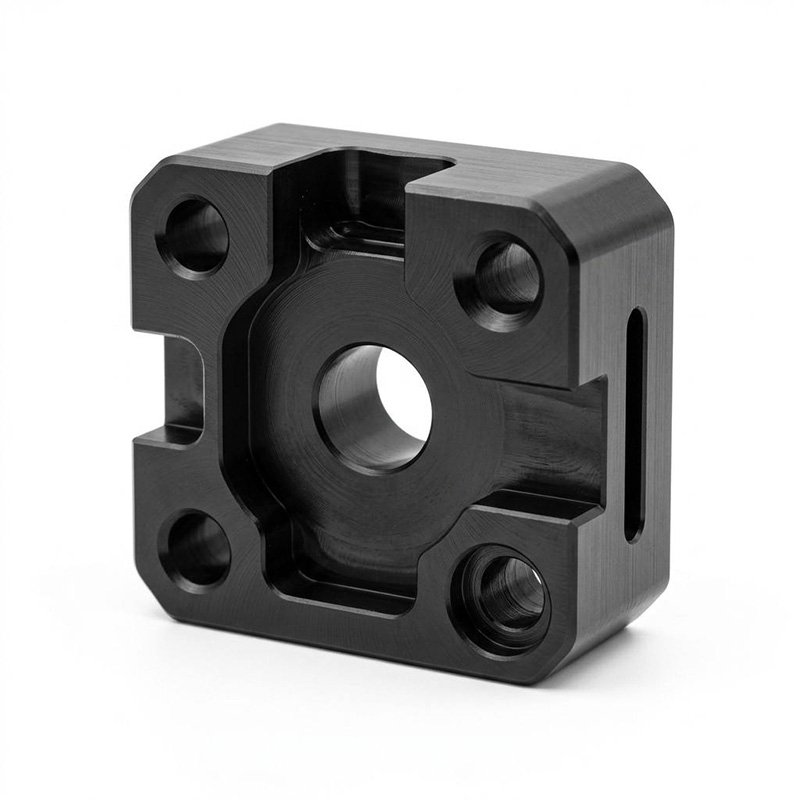 CNC Plastic Machining
CNC machining of high-precision engineering plastics such as ABS, PC, POM, nylon, and PMMA is typically used for industrial parts and electronic products.
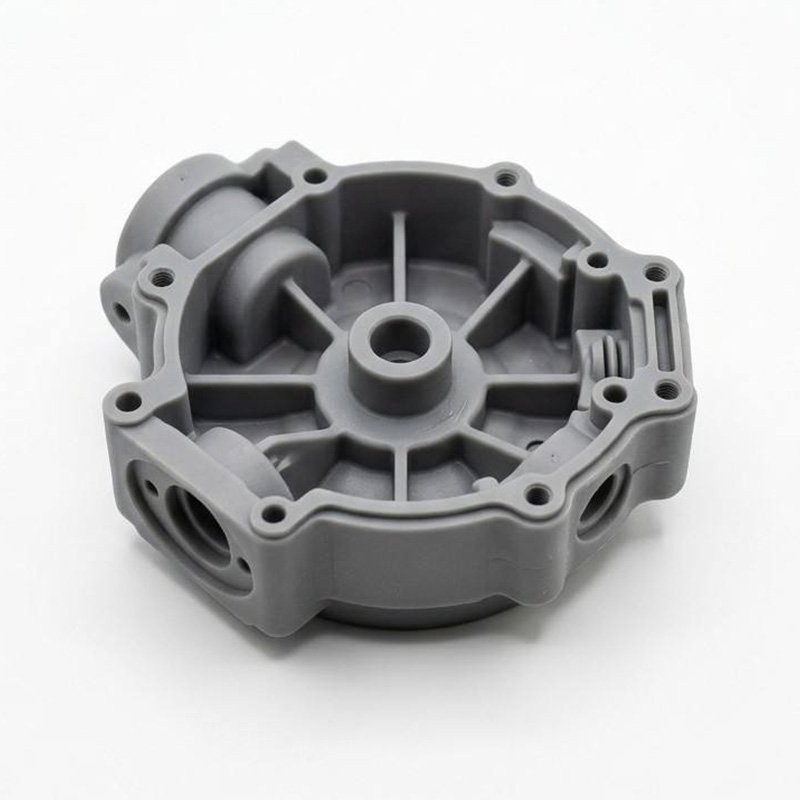 Vacuum Casting
Smooth surface, high quality. Suitable for the consumer electronics and medical sectors.
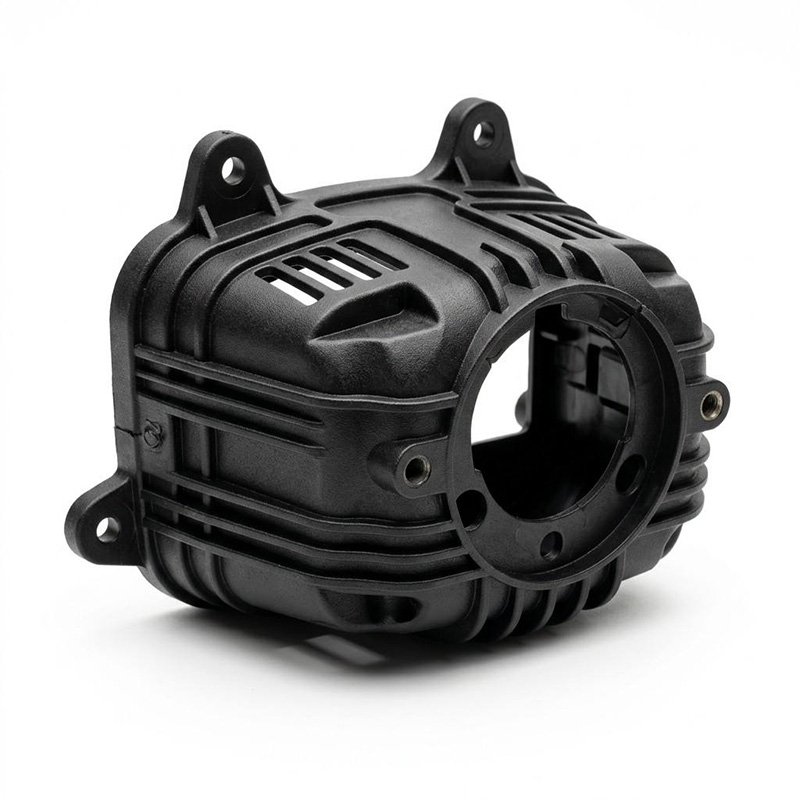 Rapid Tooling
Rapid Tooling makes full use of mass production processes to create 1:1-scale replicas, making it suitable for complex parts.
How We Turn Your Design into Production-Ready Parts
Our engineering team supports every stage—from design review and prototyping to tooling and mass production.

Send us your 3D CAD file, 2D drawing, or sample photos. We review your project requirements before recommending the best prototyping solution.

Our engineers evaluate wall thickness, draft angles, materials, tolerances, assembly, and moldability to identify potential risks before prototyping begins.

Based on your project goals, we recommend the most suitable process, including 3D printing, CNC machining, vacuum casting, rapid tooling, or low-volume injection molding.

Once the process is confirmed, we prepare your quotation and begin prototype production using the selected material, finish, and manufacturing method.

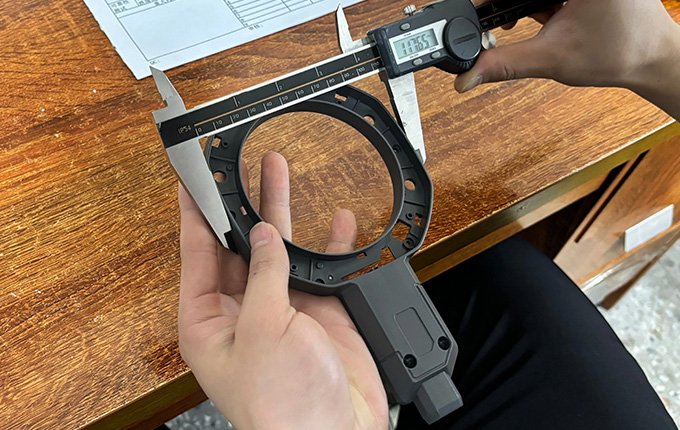
Every prototype is inspected for critical dimensions, appearance, fit, and functional features before shipment. Inspection reports are available when required.

After testing, we support design revisions, rapid tooling, pilot production, and full injection molding to help you move smoothly into mass production.
Rapid Prototyping Case Studies
Examples of plastic prototype development, design validation, and production preparation for different industries.
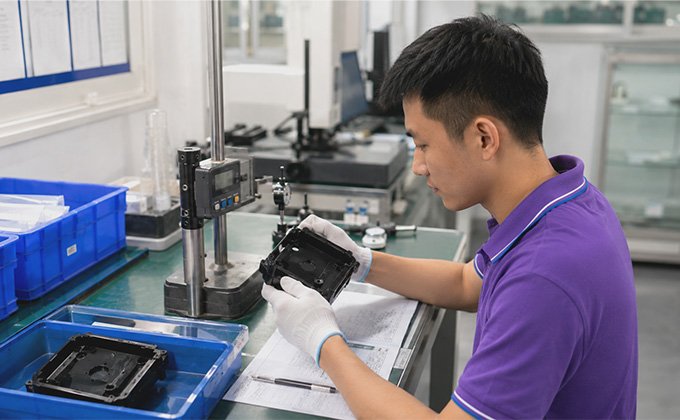
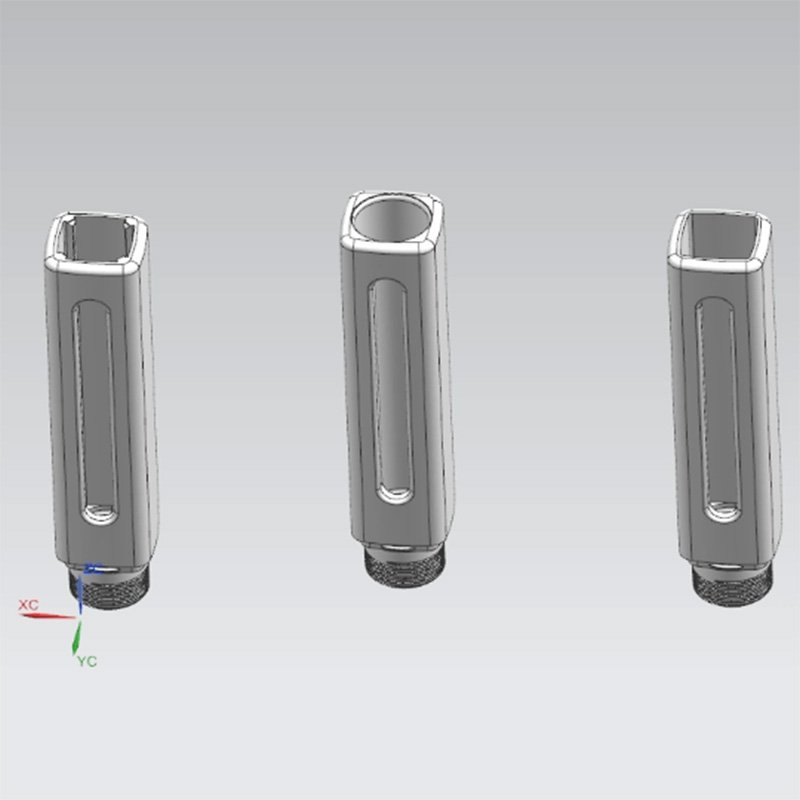
A customer needed to verify a complex plastic housing design before tooling. Our engineering team provided DFM feedback and prototype support to confirm structure, fit, and production feasibility.
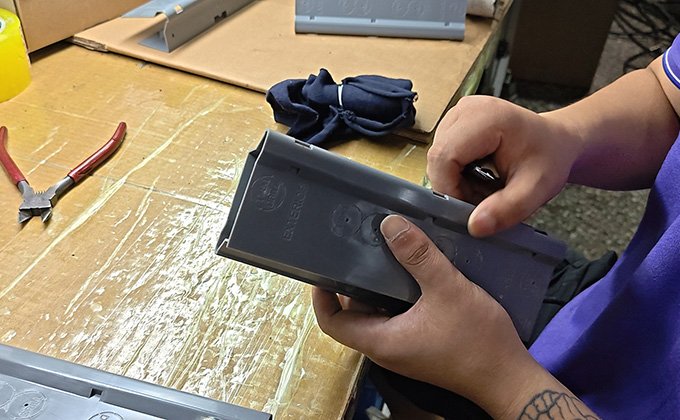
The customer required functional samples to test assembly and performance before mass production. We supported material selection, prototype production, and design optimization before tooling.
- Prototype Process Comparison
- Still Not Sure Which Process Fits Your Project?
Compare different prototyping methods and choose the right process for your project.
| Performance | 3D Printing | CNC Machining | Vacuum Casting | Rapid Injection Molding |
| Mechanical Properties | Layer-based construction with weaker Z-axis strength. Not suitable for accurate structural testing. | Uses production-grade engineering plastics with properties identical to the final material. | Delivers approximately 80–95% of production performance. Suitable for most functional evaluations. | 100% production-equivalent material properties and molding behavior. |
| Thermal Performance | Resin heat resistance differs from molded thermoplastics. Not suitable for high-temperature validation. | Same thermal performance as the selected production material. | Lower heat resistance than injection-molded thermoplastics. | Same thermal performance as the final production part. |
| Chemical Resistance | Most resins have limited resistance to oils, solvents, and chemicals. | Matches the chemical resistance of the production material. | Moderate chemical resistance. PU materials differ from thermoplastics. | Identical chemical resistance to production parts. |
| Surface Finish | Visible layer lines unless post-processed. | Fine machining marks that can be polished. | Smooth, mold-quality appearance with excellent cosmetic finish. | True production-grade molded surface finish. |
| Dimensional Accuracy | Typical tolerance: ±0.10–0.30 mm | High precision: ±0.02 mm | Typical tolerance: ±0.20 mm (silicone mold shrinkage) | Typical molding tolerance: ±0.05 mm |
| Cost Efficiency | Lowest cost for 1–10 prototypes. | Moderate cost for 1–10 functional parts. | Most economical for 5–50 appearance samples. | Higher tooling cost, but the lowest cost per part for larger quantities. |
| Your Project Need | Recommended Process |
| Your design is still changing and you need quick concept validation | 3D Printing |
| You need accurate dimensions and functional testing with real materials | CNC Plastic Machining |
| You need multiple samples to review appearance, color, and finish | Vacuum Casting |
| You need production-like parts before final tooling | Rapid Tooling |
Send us your CAD file for a free recommendation.
Trusted By Product Teams Worldwide
Trycooler is a tremendous ally because they enable us to develop and iterate at a faster pace.
 FounderConsumer Product Startup
During the product development stage, we used their rapid prototyping service many times, and the results were simply astonishing. I am very satisfied with their service and will definitely continue to cooperate with them in the future.
 Caleb RiveraSenior Procurement Manager
What we appreciate most is their engineering support. They don’t just make samples; they help us think through manufacturing challenges.
 Product Development EngineerElectronics Brand
Yes, depending on the selected process. CNC plastic machining and rapid tooling are better when engineering plastic behavior needs to be tested.
Yes. After prototype approval, the project can continue into mold development, T1 sampling, low-volume runs, injection molding production, finishing, assembly, inspection, and delivery.
Design changes can be reviewed before tooling starts. The revised file can be checked again for structure, material, assembly, and moldability to reduce expensive mold modification later.
Lead time depends on the process. Simple 3D printed parts may take 3–5 working days, CNC prototypes 5–7 days, vacuum casting 7–12 days, and rapid tooling 2–4 weeks.
3D files such as STEP, STP, IGS, X_T, or STL are preferred. 2D drawings, sample photos, or physical samples can also be reviewed.
Related Manufacturing Services
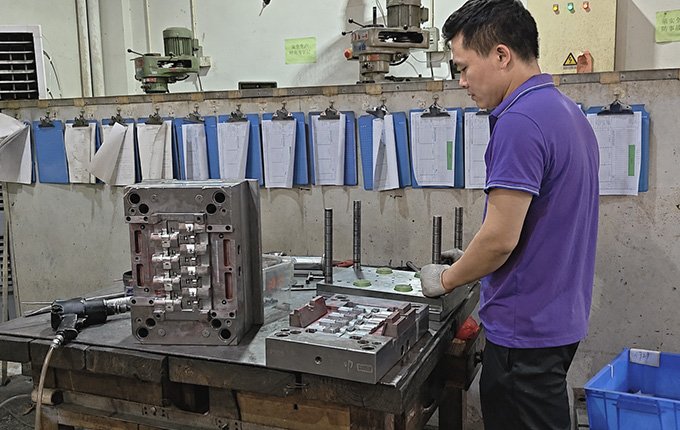
Leveraging in-house mold design and manufacturing support to ensure a smoother transition from prototype to production.
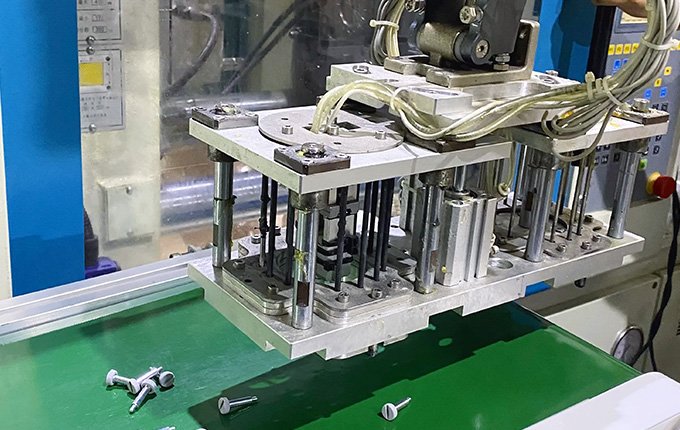
Create integrated plastic parts with embedded metal components for improved strength, functionality, and assembly efficiency.
Combine multiple materials in a single part using overmolding solutions to improve grip, protection, and product performance.