
Build a Better Outdoor Enclosure for Your Product
- UV-stabilized ASA, PC, PC/ASA and flame-retardant material options
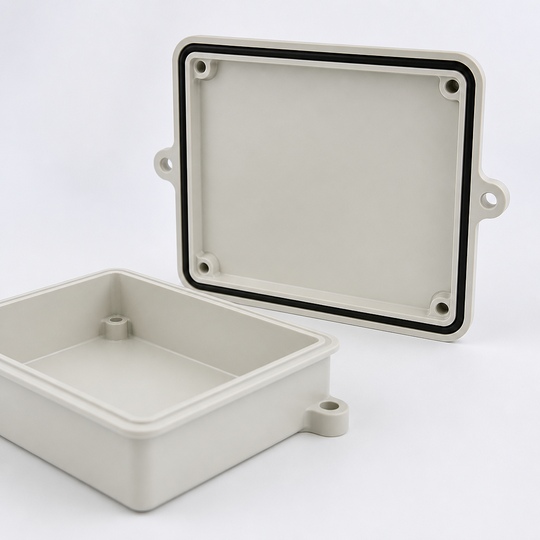
- Gasket compression and sealing surfaces designed for target IP requirements
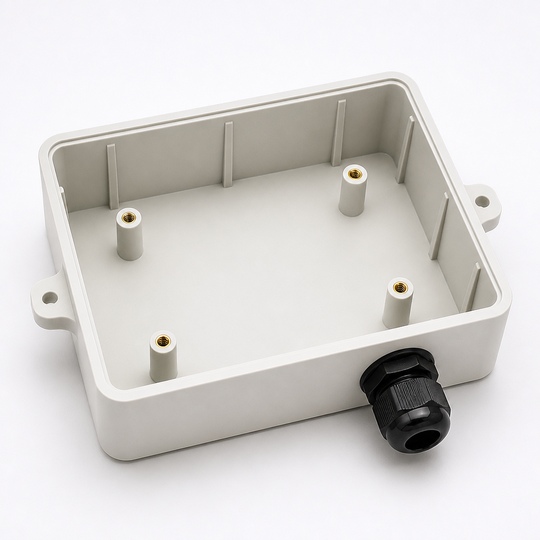
- Molded PCB bosses, threaded inserts, mounting points and cable entries
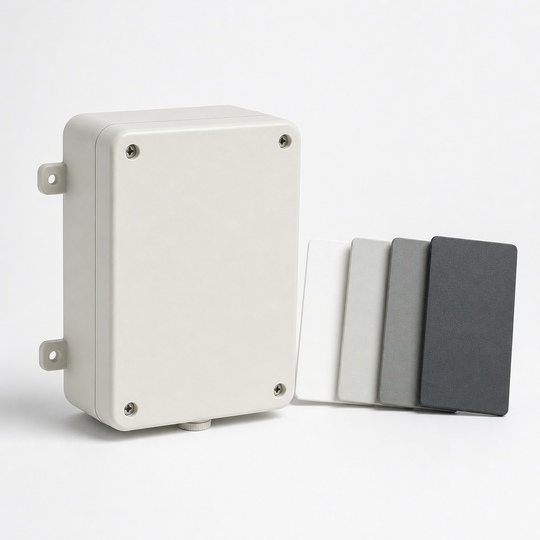
- Custom colors, textures, logos and transparent window components
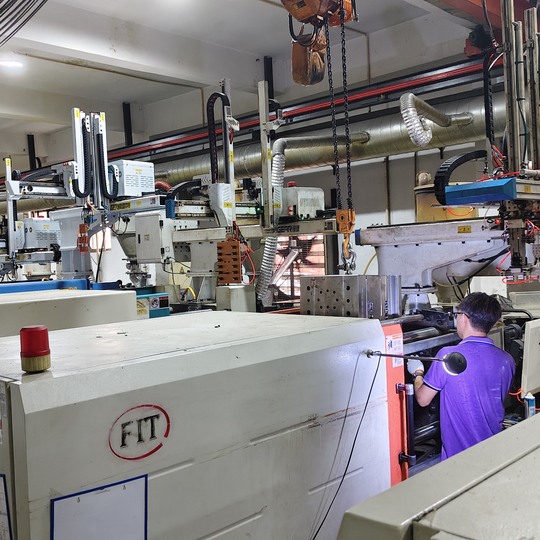
- In-house mold design, mold making and trial production
- Dimensional control for consistent fit throughout volume production
Custom Prototype Manufacturing for Your Outdoor Plastic Enclosure
Would you like to validate your custom outdoor plastic enclosure before tooling? We can produce a small batch of prototypes within a few working days, allowing you to check dimensions, assembly fit, appearance, and functionality before committing to the production mold. For waterproof plastic enclosure projects, prototypes can also be used to verify cover fit, gasket layout, and opening locations.
- Fused Deposition Modeling (FDM)
- Vacuum casting
- Selektive Laser Sintering (SLS)
- Stereolithography (SLA)
- HP Multi-Jet Fusion
Can Your Outdoor Plastic Enclosure Cost Less to Produce?
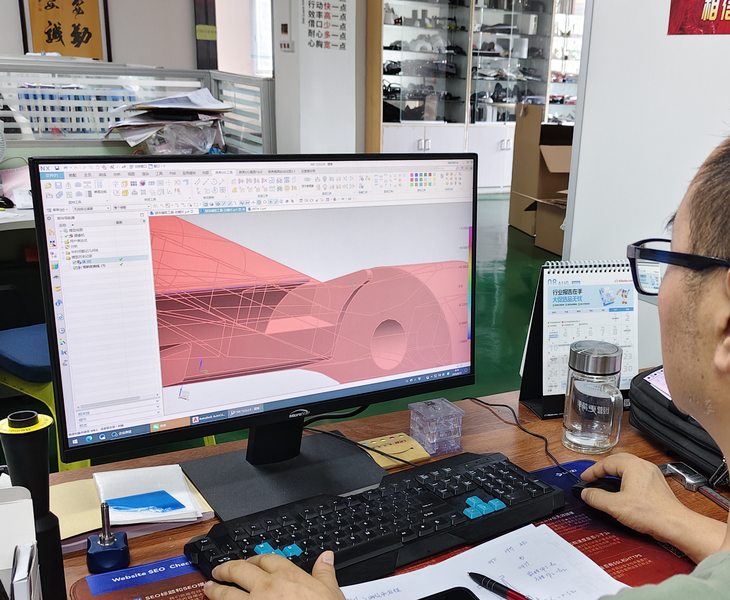
TryCooler reviews part consolidation, resin usage, mold cavity count, cooling time, inserts, fasteners, and assembly steps against your annual volume.
Planning your next production order? Send us your 3D drawings and annual volume to identify practical savings before tooling begins.
Outdoor Plastic Enclosures for Your Application
From compact sensor housings to large control and power enclosures, TryCooler manufactures custom plastic housings for IoT, renewable energy, telecommunications, security, industrial automation, and water-management equipment, matched to each product’s structure, installation method, and production requirements.
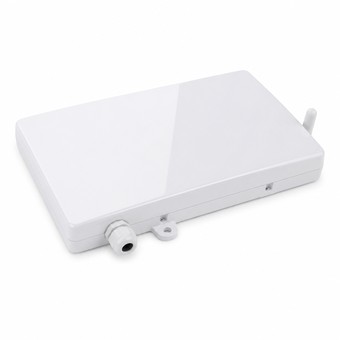
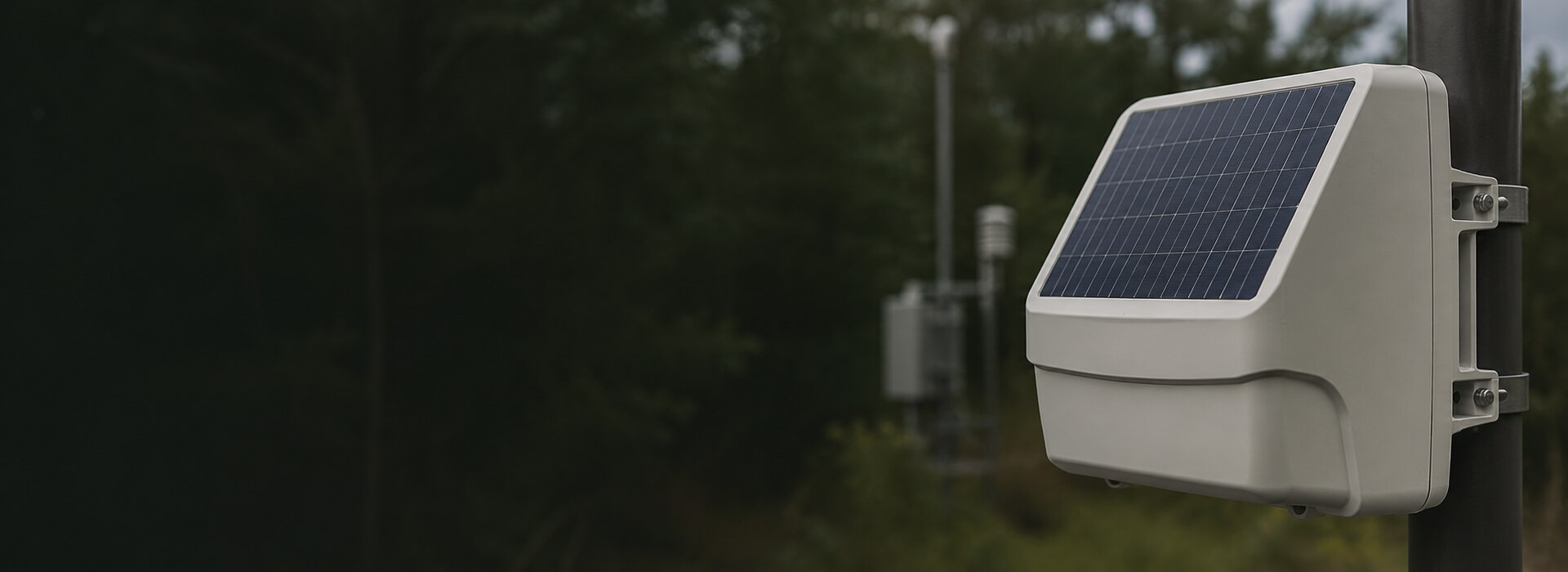
TryCooler customizes outdoor plastic enclosures with PCB bosses, antenna openings, sealed cable entries, and mounting features for gateways and remote monitoring devices.
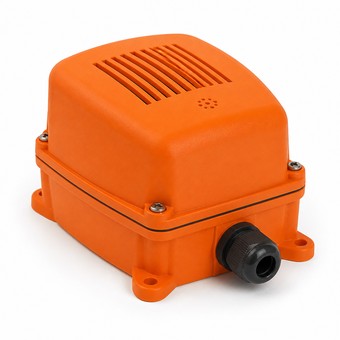
For waterproof plastic enclosure projects, we control gasket channels, sealing surfaces, vent locations, and sensor openings around the specified protection target.
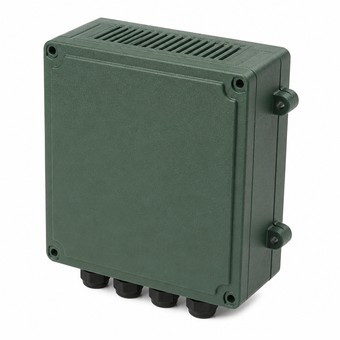
UV-stabilized ASA, PC, and PC/ASA options support molded enclosures for solar controllers, battery monitors, and outdoor energy-management devices.
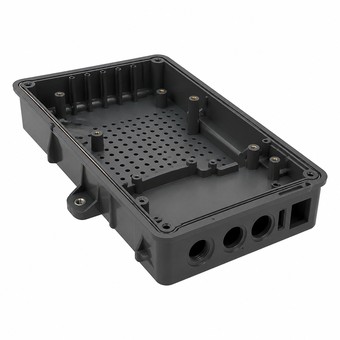
Antenna ports, connector openings, threaded inserts, and PCB supports can be molded directly into outdoor electronic enclosures for telecom equipment.
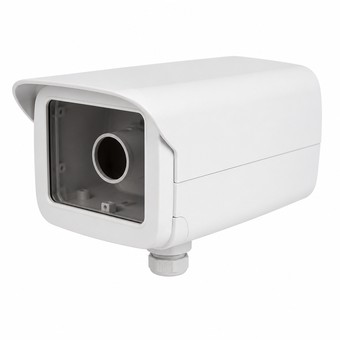
Transparent windows, concealed fasteners, gasket grooves, and sealed cable entries can be integrated into housings for cameras and access-control systems.
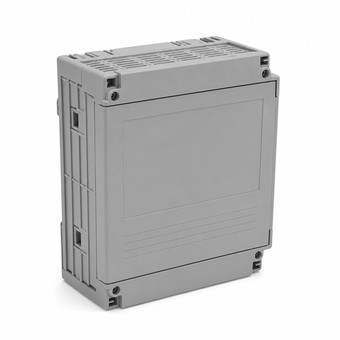
TryCooler develops plastic electrical enclosures with service access, internal mounting, labeling, and dimensional control for controllers and remote I/O equipment.
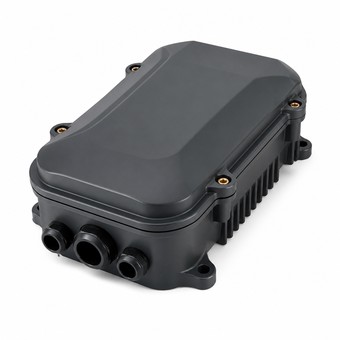
Flame-retardant grades, threaded inserts, cable interfaces, and gasketed joints are available for custom charging-control and outdoor power-equipment enclosures.
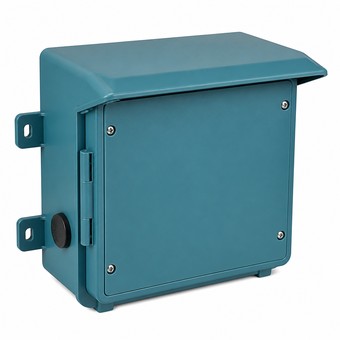
Weather-resistant materials, venting, sealing, and field-mounting features support enclosures for irrigation controllers, water-quality instruments, and agricultural sensors.
Reliable Custom Outdoor Plastic Enclosures
Before tooling, TryCooler reviews your outdoor plastic enclosure against its operating environment, target IP requirements, sealing, component layout, mounting, maintenance, and display needs.

UV exposure and temperature cycling can cause outdoor plastic enclosures to fade, embrittle, or deform. We evaluate material grades for UV resistance, service temperature, impact, and flame rating, then review wall thickness and reinforcement.

Uneven gasket compression, housing warpage, or poorly planned openings can cause water ingress and condensation inside an outdoor plastic enclosure. Our engineers review sealing-surface flatness, gasket compression, and venting options for target IP validation.

Cable entries and connectors are common sealing weak points in an outdoor plastic enclosure. DFM checks hole sizes, threads, wall thickness, and sealing surfaces against the specified hardware.

Vent openings may affect IP protection, while a fully sealed enclosure can trap heat. TryCooler assesses heat-transfer features, thermal pads, and waterproof vents based on heat sources, antenna zones, and internal metal parts.

An outdoor enclosure may require both service access and tamper resistance. We review access space, disassembly paths, and screw locations before assessing serviceable fasteners, concealed fastening, or ultrasonic welding.

Mounting points on an outdoor plastic enclosure may loosen or crack under sustained loads, while display windows can create glare in direct sunlight. Mounting locations, window material, surface finish, and display position are reviewed for outdoor use.
Reducing Risk in Outdoor Plastic Projects
Before tooling begins, outdoor exposure, sealing requirements, mating-part tolerances, and appearance expectations all shape material selection and structural decisions. The following cases show how TryCooler evaluated these factors together to reduce molding and assembly risks.
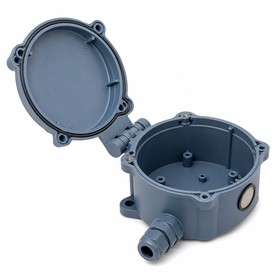
In an outdoor sensor enclosure project, several PCB bosses were positioned too close to the gasket path. The PCB could be mounted, but the cover could not maintain even compression, increasing the risk of leakage and costly mold changes after T1.
TryCooler repositioned the bosses, revised the gasket groove and compression stops, and checked the sensor and cable openings as part of the complete sealing system. A prototype confirmed the assembly before the design entered in-house tooling.
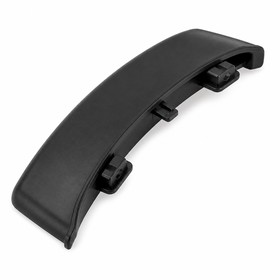
In a frame-mounted bike plastic part project, the plastic cover was designed around the nominal tube size, but the actual fit changed after allowing for tube tolerances and powder-coating thickness. Too little clearance could scratch the finish or crack the mounting tabs, while too much could cause movement and noise.
TryCooler reviewed the mating metal part, coating allowance, fastening method, and tolerance range, then adjusted the contact surfaces and mounting features in the 3D model. Prototype assembly was checked before tooling to reduce loose, tight, or misaligned parts in production.
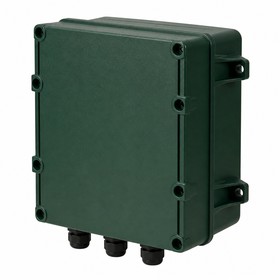
The original drawing specified general-purpose ABS. Long-term sunlight exposure and temperature cycling increased the risk of fading, embrittlement, and cracking around fastening points.
Based on the project’s impact strength, operating temperature, color, and flame-retardancy requirements, TryCooler selected a UV-stabilized ASA grade with a UL 94 V-0 rating. Before tooling, the wall transitions, ribs, and screw bosses were reviewed as part of the DFM process.
Choose the Right Configuration for Your Outdoor Plastic Enclosure
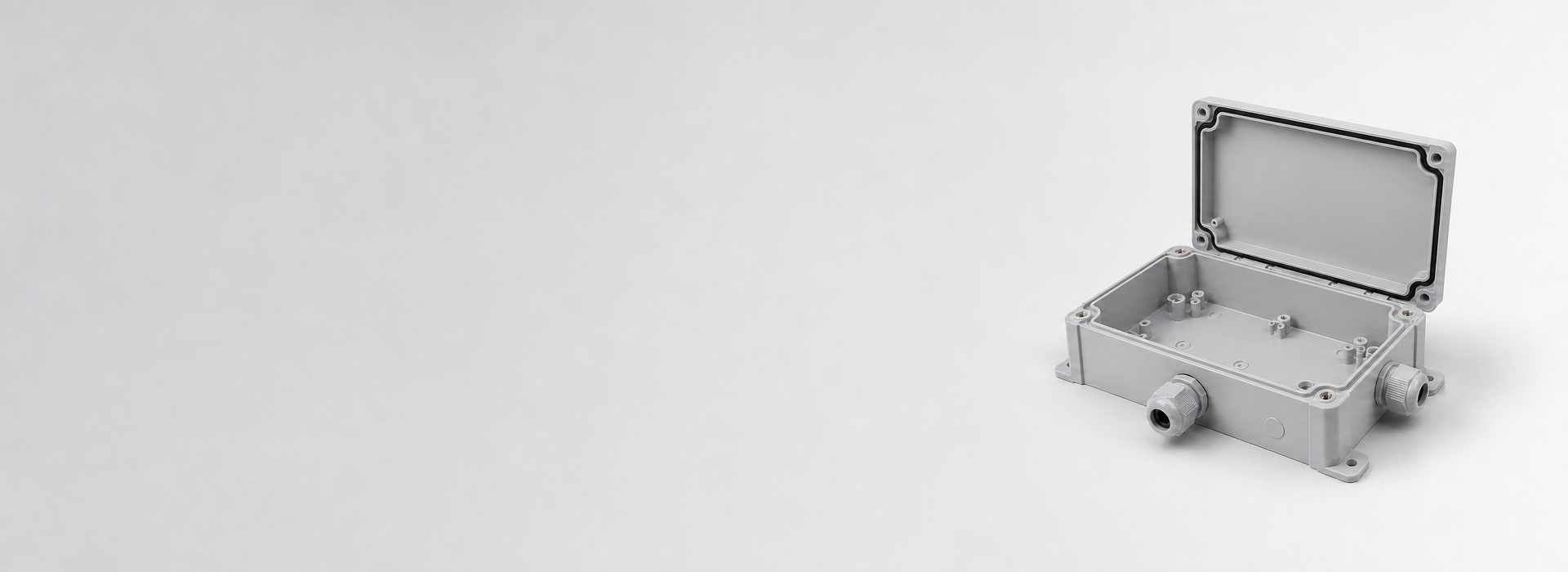
Material grades, sealing structures, colors, and finishes must match the enclosure’s exposure to sunlight, rain, and temperature changes, as well as its target IP rating. We review your drawings and operating environment to define a configuration suitable for tooling and volume production.
- MATERIAL OPTIONS
- SEALING & IP DESIGN
- COLORS & FINISHES
| Material | Available Options | Key Properties | Typical Applications |
| ASA | UV-stabilized and custom-color grades | Outdoor weather resistance and color retention | Exposed outdoor housings and covers |
| PC | UV-stabilized, flame-retardant, transparent or opaque grades | Impact and heat resistance | Control boxes, windows and protective covers |
| PC/ASA | UV-stabilized and flame-retardant grades | Weather resistance, impact strength and dimensional stability | IoT, telecom and energy enclosures |
| PC/ABS | Flame-retardant and custom-color grades | Balanced impact strength, appearance and moldability | Sheltered electrical equipment housings |
| PA6/PA66 | Unfilled or glass-fiber-reinforced grades | Strength, stiffness and temperature resistance | Mounting and structural components |
| TPE/TPU/Silicone | Molded or assembled sealing options | Flexible sealing and cushioning | Gaskets, seals and overmolded areas |
| Design Area | Available Options | Engineering Focus | Verification |
| Enclosure Joint | Tongue-and-groove, overlap or labyrinth structures | Water path, flatness and assembly clearance | Prototype fit and leak testing |
| Gasket | Silicone, EPDM, TPE or TPU | Cross-section, compression and material recovery | Compression and assembly testing |
| Sealing Surface | Continuous molded sealing land | Flatness, parting line, gate and ejector placement | Dimensional inspection |
| Fastening | Screws, threaded inserts or latches | Even gasket compression and controlled fastening | Assembly and torque checks |
| Cable Entry | Cable glands, grommets or molded openings | Entry sealing and strain relief | Assembled enclosure testing |
| Target IP Requirement | Designed around the specified protection target | Complete enclosure, including seals, ports and fasteners | Customer-specified or third-party testing |
| Option | Available Methods | Key Control | Customer Confirmation |
| Custom Color | Pantone, RAL or customer-supplied color sample | Resin compatibility and batch consistency | Approved color sample |
| Mold Texture | SPI, VDI or custom etched texture | Draft angle, release and cosmetic zones | Texture plaque or T1 sample |
| Logo and Marking | Molded logo, laser marking, pad printing or screen printing | Position, contrast and outdoor exposure | Artwork and sample approval |
| Transparent Components | Clear or tinted PC and PMMA | Optical surface, fit and sealing | Prototype or T1 assembly |
| Functional Coating | Painting, UV coating or project-specified coating | Adhesion and material compatibility | Coated sample approval |
| Component Assembly | Gaskets, inserts, windows, cable glands and labels | Assembly sequence and inspection criteria | Approved assembly sample |
Testimonials
We came to TryCooler with a CAD file for an outdoor sensor housing that needed careful sealing and PCB alignment. Their DFM review caught gasket compression and boss positioning issues before tooling, which saved us rework later. The in-house mold team kept T1 samples and production parts consistent.
 Ethan CarterEngineering Manager
Our enclosure sits outside in direct sunlight, so material choice was critical. TryCooler walked us through ASA, PC, and PC/ASA options against our UV and flame requirements, and recommended a grade that matched our operating temperature range. Prototype validation before tooling helped us confirm fit and vent placement.
 Lucas ZhangSenior R&D Engineer
We needed a tamper-resistant enclosure with a display window and cable entries. TryCooler handled the transparent window, threaded inserts, and gasket assembly in-house, and the NDA was in place before we shared files. Communication on drawing revisions and T1 sample approval was straightforward.
 Amanda WilsonProduct Development Manager
We design sealing structures, gasket grooves, fastener spacing and cable entries to support your target IP rating. Final ingress protection depends on the complete assembled product and is confirmed through agreed testing.
Yes. Gasket grooves and compression are reviewed during DFM. Brass threaded inserts are installed via insert molding or post-mold pressing. Transparent windows can be molded in clear PC or assembled as separate components with sealing review.
Yes. 3D printing, CNC machining, or vacuum casting prototypes can verify dimensions, PCB fit, connector alignment, appearance, hand feel, and internal space before mold manufacturing. Prototypes are a design verification step, not a replacement for molded production parts.
Material certificates, first article inspection reports, CMM dimensional data, batch traceability records, and agreed functional test reports can be provided based on project requirements. Specific documentation needs should be confirmed during quotation.