
Make Small Batch Production More Predictable
- Reduce Inventory Mismatch —Produce in batches based on actual demand, reducing excess stock and tied-up working capital.
- Limit Upfront Investment Risk — Avoid committing to unnecessary tooling capacity and large inventories before demand is proven.
- Support Spare Parts & Long-Tail Demand — Maintain small batch injection molding supply for replacement parts, legacy models, and products with low annual demand.
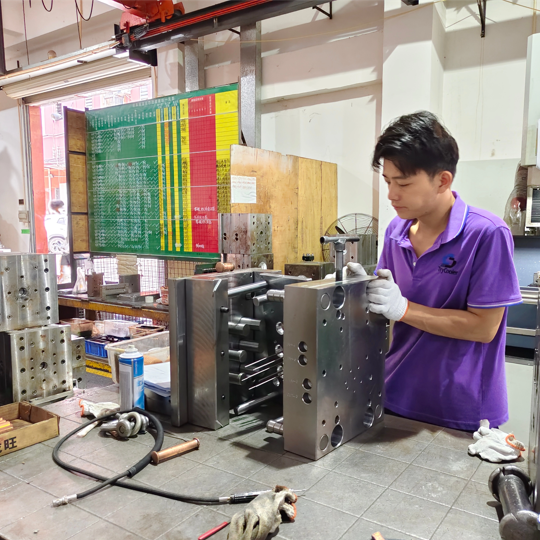
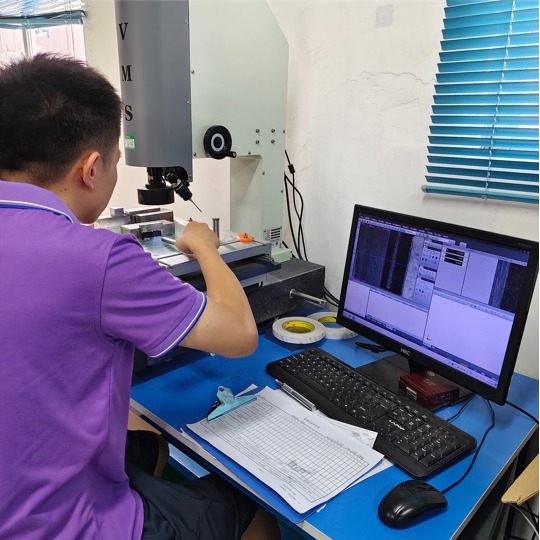
- Maintain Consistent Part Quality — Use controlled molding parameters and inspection standards to reduce variation between production batches.
- Bridge Prototypes and Production — Validate your product using actual injection-molded materials and processes before moving into commercial production.
Your Partner for Small Batch Production
TryCooler provides low volume injection molding services for your custom plastic parts, from initial production runs to ongoing small batch orders. Share your drawings or samples with us, and let’s discuss how we can support your project.
Small Batch Injection Molding for Real Production Needs
TryCooler manufactures custom plastic parts for projects that need production-grade components without committing to large initial quantities. Whether you are launching a new product or supporting a specialized product line, we can assess the right manufacturing approach for your expected demand.
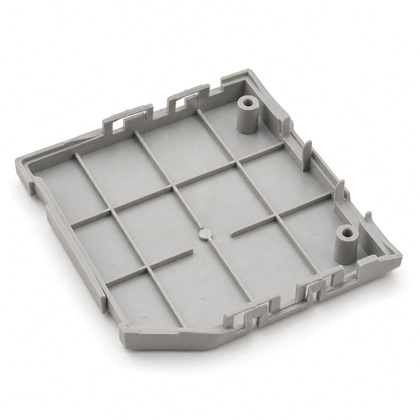 Pilot Production Runs
Produce molded parts for functional, assembly, and end-use validation before a wider product release.
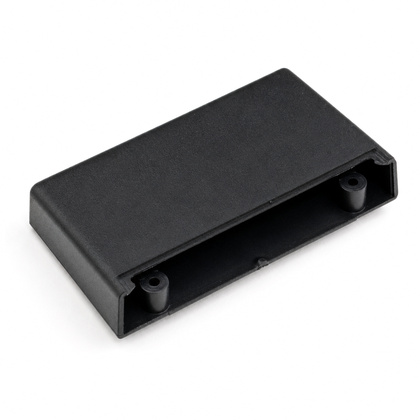 First Commercial Orders
Manufacture your initial sales quantities using the specified plastic material, molded features, and approved product design.
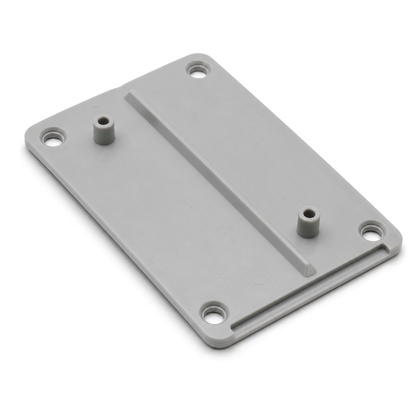 Specialized Equipment Parts
Support industrial instruments, electronic devices, and other products with naturally limited annual production volumes.
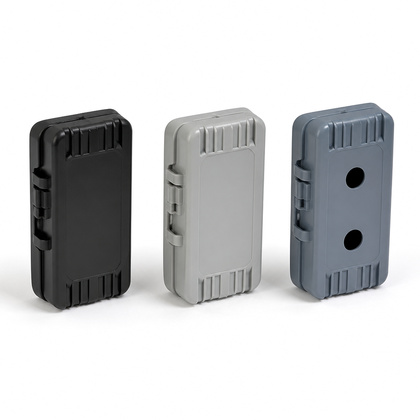 Multiple Product Variants
Manufacture smaller quantities of different enclosure or component versions for specific markets, configurations, or customers.
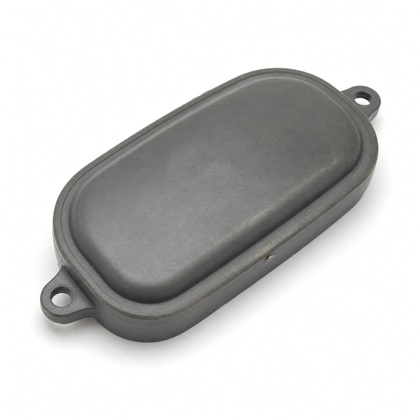 Replacement & Legacy Parts
Reproduce custom plastic components for existing equipment when replacement demand does not justify large production runs.
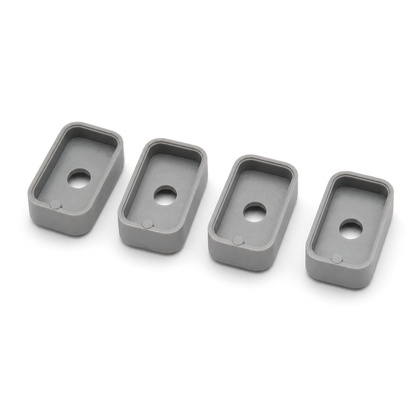 Recurring Small Batch Orders
Supply production parts in planned batches to support ongoing product demand without requiring a large one-time purchase.
More Flexibility for Your Production Plans
TryCooler helps you move from product validation to small batch production with tooling and manufacturing plans matched to your current demand and future requirements.

Move from validated prototypes to production-grade plastic parts. Low-volume injection molding lets you test actual materials, molded features, and assembly performance before a larger launch.

Avoid paying for production capacity you do not yet need. We plan mold construction, cavity count, and tool life around your expected volume and part requirements.

Keep room for product improvements during early production. Where practical, replaceable inserts can accommodate changes to connectors, mounting points, or other features without rebuilding the entire mold.

Produce different versions of a common plastic enclosure in smaller quantities. We assess family molds, interchangeable inserts, or separate tooling to suit your part designs and production mix.

Support specialized equipment and products with naturally lower annual demand. Small batch injection molding enables recurring production without purchasing several years of inventory at once.

Look beyond the molding price. We review inserts, fastening methods, secondary operations, and assembly to identify opportunities to simplify the finished component and reduce downstream costs.
From Initial Production to Long-Term Small Batch Supply
TryCooler plans tooling and production schedules around different project stages, helping customers control upfront costs and inventory while maintaining a reliable supply of custom injection-molded parts.
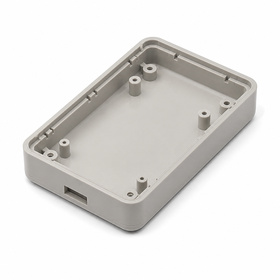
A U.S. electronics brand had completed prototype validation for an NFC smart hardware enclosure, but initial market demand was still uncertain. The customer planned to produce 500–1,000 injection-molded parts and wanted to control tooling investment and inventory risk.
TryCooler developed a rapid tooling solution based on the part design and future sales plan, completing mold design, manufacturing, and trial molding. T1 samples were provided for approval in approximately 20 working days. After sample approval, small batch production was arranged, helping the customer launch its initial order while retaining the option to upgrade to higher-volume tooling as demand grows.
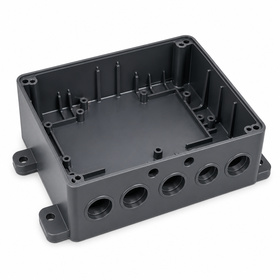
A German industrial equipment manufacturer required regular supplies of equipment housings and internal functional components. With annual demand of approximately 3,000 parts and a long product lifecycle, the customer wanted to avoid purchasing several years of inventory while maintaining reliable lead times and consistent quality.
TryCooler planned the mold life and production approach around the annual demand, completed mold manufacturing, and established approved molding parameters and inspection requirements. Subsequent orders were scheduled in smaller batches, supporting long-term supply while reducing inventory pressure and maintaining the consistency required for assembly.

Plan Your Low-Volume Molding Project
Review the key production and tooling factors that affect your low volume injection molding project. Based on your part design, material, and expected demand, TryCooler recommends a suitable tooling and production approach for your needs.
- Production Planning
- Tooling Configuration Options
| Planning Factor | What to Consider | Why It Matters |
| Initial Order Quantity | Quantity required for your first production run | Determines the production setup and unit cost |
| Estimated Annual Demand | Expected repeat orders over the next 12 months | Helps plan material purchasing and production capacity |
| Lifetime Production Volume | Total quantity expected over the product’s lifecycle | Guides tooling investment and expected tool life |
| Number of Part Variants | Different colors, configurations, or product versions | Affects mold configuration and production changeovers |
| Material Requirements | Specified resin grade, color, and special properties | May affect material availability and purchasing minimums |
| Target Delivery Schedule | Required sample approval and production delivery dates | Helps establish a realistic project timeline |
| Tooling Option | Typical Application | Key Consideration |
| Single-Cavity Mold | Lower production quantities or larger components | Lower tooling complexity, but fewer parts per cycle |
| Multi-Cavity Mold | Repeated production of the same component | Higher output, with additional tooling investment |
| Family Mold | Different parts produced within one mold | Parts must have compatible materials and balanced molding requirements |
| Interchangeable Inserts | Product variants with selected geometry changes | Feasibility depends on the location and complexity of the changing features |
| Dedicated Production Mold | Higher lifetime demand or demanding part requirements | Tool life, cooling, automation, and production efficiency are evaluated against the project |
Low volume injection molding is suitable for pilot production, initial product launches, specialized equipment, replacement parts, and products with limited annual demand. It is particularly useful when you need production-grade plastic parts without committing to large initial quantities.
Once the T1 samples are approved, production can be scheduled according to your order quantity, material availability, and machine capacity. The exact lead time depends on the project, and TryCooler will confirm the production schedule before you place your order.
The main advantage is producing the quantity your project actually needs without committing to excessive tooling capacity or inventory. It allows you to use real injection-molded parts while managing upfront investment and responding more flexibly to demand.
TryCooler establishes production requirements from your approved samples, drawings, and critical dimensions. During molding, we control process parameters and carry out first-article, in-process, and final inspections to help maintain consistent dimensions, appearance, and assembly performance.