
Produce Multiple Related Parts in One Mold
- Different part cavities in one mold
- Compatible materials and molding conditions
- Cavity ratios matched to your assembly BOM
- Balanced runner and gate design
- Cooling and Ejection Reviewed for Each Component
- Injection molding, assembly, and packaging
What Is Family Molding?
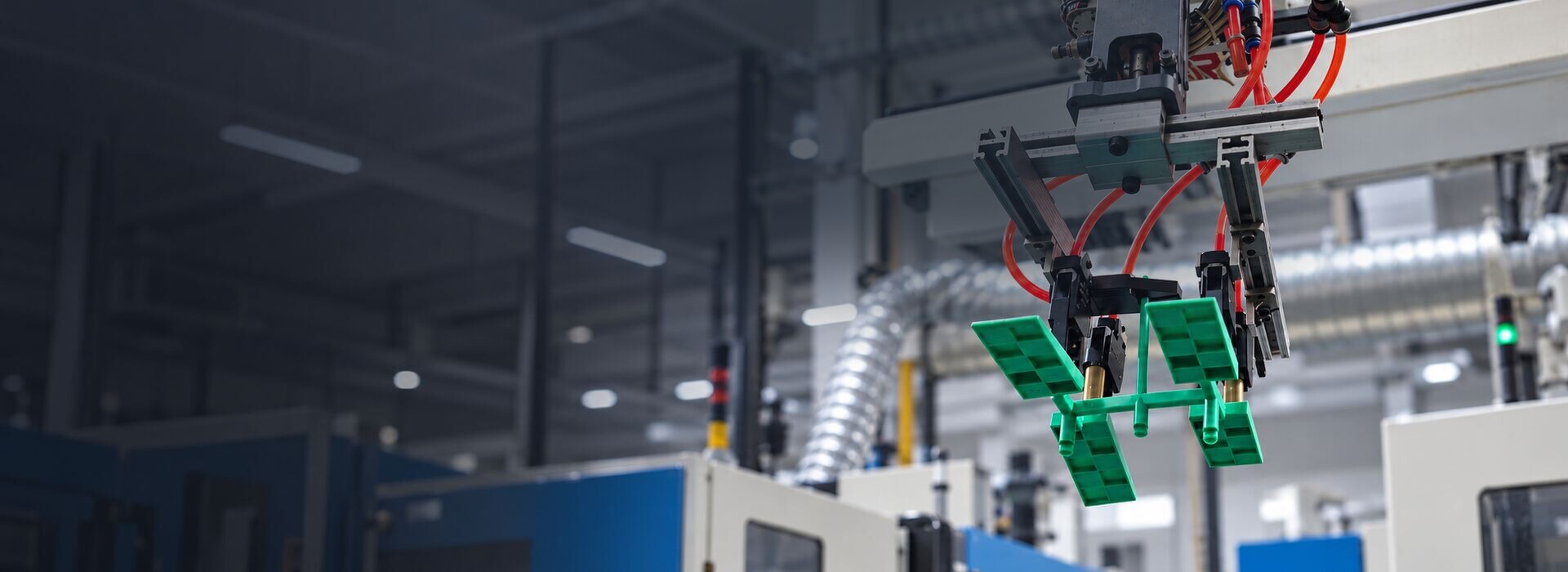
Family molding is an injection molding method that produces multiple different but related plastic parts in one mold during the same molding cycle. Unlike a multi-cavity mold that produces several identical parts, a family mold contains separate cavities for different components, such as an upper housing, lower housing, cover, button, or internal bracket. These parts generally need compatible materials, colors, wall thicknesses, molding conditions, and production ratios. Before tooling, TryCooler reviews the complete part set, assembly BOM, cavity layout, filling behavior, cooling requirements, and future replenishment needs. When the parts are suitable for family molding, this approach can reduce the number of separate molds, lower the initial tooling investment, and produce matched components together.
Family Mold Solutions for Your Part Set
Choose a family mold configuration based on your part geometry, assembly ratio, production demand, and future design requirements.
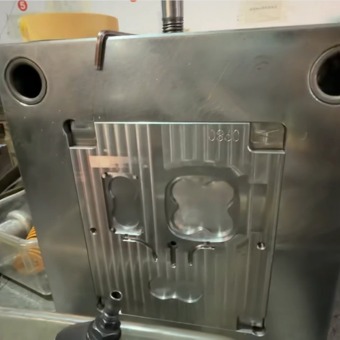
Produces related parts in a fixed 1:1 ratio, such as upper and lower housings or left and right components.
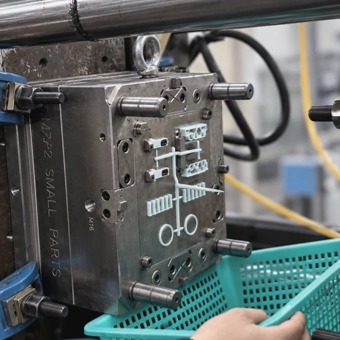
Arranges different cavity quantities to match your assembly BOM, such as one housing with multiple buttons or clips.
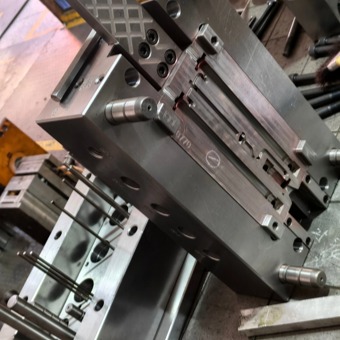
Changeable cavity inserts help isolate future revisions or product variants without rebuilding the entire mold.
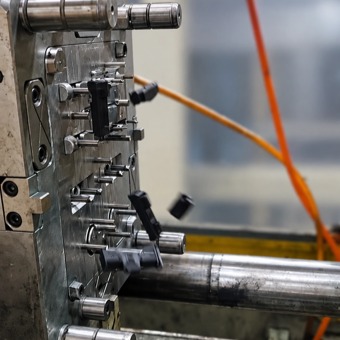
Allows selected cavities to be closed when only certain parts are required, subject to mold structure and filling conditions.
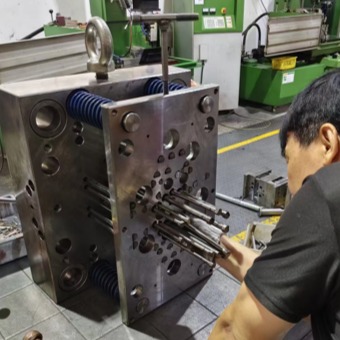
Produces mirrored or paired components together to maintain matched quantities for assembly.
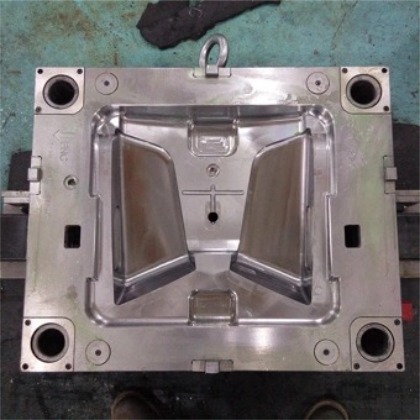
Produces related enclosure parts such as front housings, rear housings, battery covers, and internal brackets.
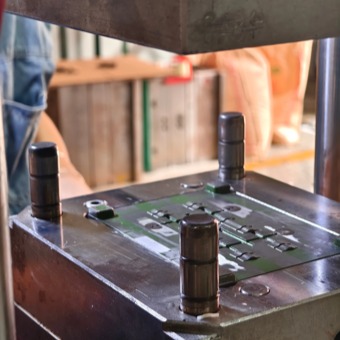
Combines buttons, clips, caps, spacers, and other small components with compatible molding requirements.
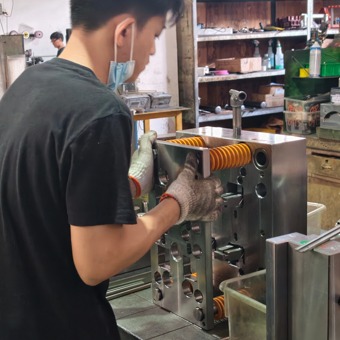
Combines compatible structural and functional parts for subsequent inspection, assembly, and set-based packaging.
Benefits of Family Molding
When your parts have compatible materials, molding conditions, and production ratios, a family mold can reduce tooling investment and simplify the production of complete plastic part sets.

Combining different parts in one mold can reduce the number of mold bases and separate tools required.

Different related components are produced during the same injection molding cycle.

Cavity ratios can be planned around your BOM to produce the required number of each component.

One family mold can simplify tooling records, storage, maintenance, and repeat production management.

Related parts can be molded together without arranging separate production runs for every component.

Producing compatible parts with the same resin and color helps maintain consistency across the product set.

Using one mold can reduce repeated mold changes, machine setups, and production coordination between related parts.

Matched components can move directly into inspection, assembly, and set-based packaging after molding.
Should Your Parts Share One Family Mold?
Putting several parts into one mold does not automatically create a lower-cost solution. TryCooler first compares each part’s resin, color, weight, wall thickness, flow length, cooling time, dimensional requirements, and expected order ratio. Parts with compatible molding conditions and stable 1:1 or mixed assembly ratios may be combined. Components with very different filling behavior, frequent design changes, or independent replenishment demand may be better placed in separate molds. Our recommendation is based on the total cost and production risk of your complete part set—not simply on reducing the number of molds.
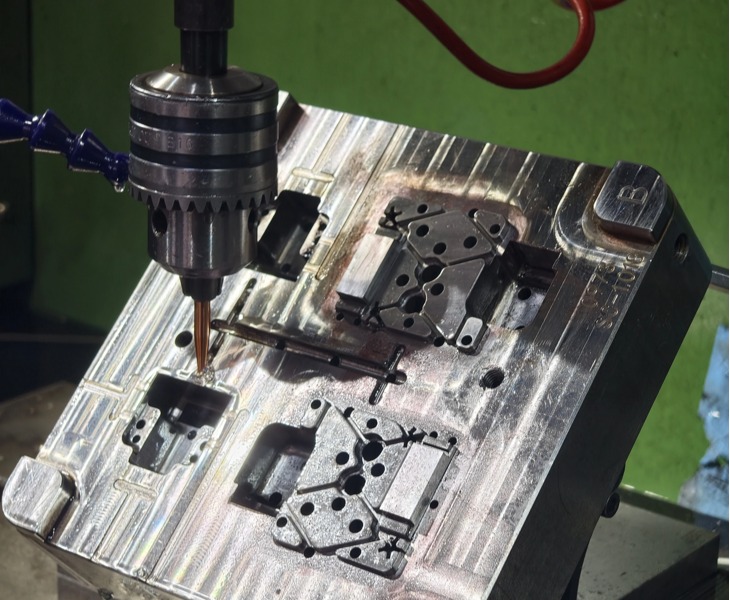
Family Mold or Separate Molds?
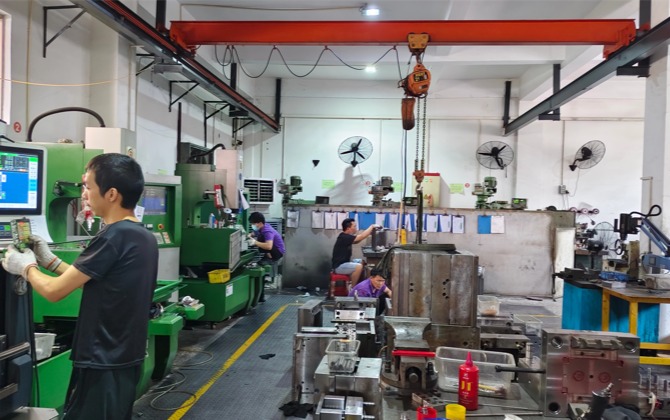
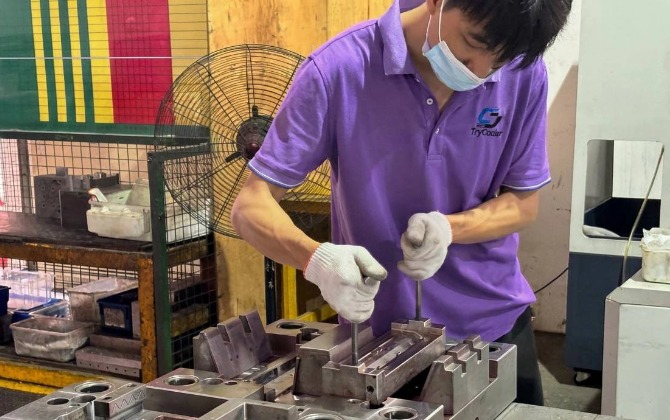
A family mold can reduce the initial tooling investment by combining compatible components into one tool. It is generally suitable when your parts use the same resin and color, have similar molding and cooling requirements, and are consumed in a stable assembly ratio. However, the parts are usually produced together, so changes in demand, design, or quality requirements for one component may affect the complete mold.
Separate molds require a higher initial investment but provide greater flexibility for production scheduling, individual part replenishment, material changes, and future design revisions. TryCooler compares your part geometry, assembly BOM, expected quantities, molding conditions, and long-term production needs before recommending whether the parts should share one family mold or use separate tooling.
Family Molding Applications and Project Cases
Upload your complete part set and BOM. Our engineers will review whether the components are suitable for a family mold and recommend an appropriate tooling configuration.
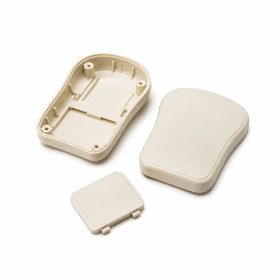
For a handheld electronic product, the upper housing, lower housing, and battery cover were required in equal quantities. Their material, color, wall thickness, and molding conditions were evaluated together before we developed a 1:1:1 cavity layout. Separate gate and ejection arrangements for each component enabled one matched housing set to be molded and verified per cycle.
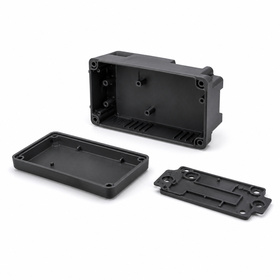
Three differently sized parts—the controller housing, terminal cover, and internal bracket—had to share one mold without creating short shots or overpacking. Our engineering team adjusted the cavity positions, runner dimensions, and gate sizes to manage their different flow requirements. Trial results confirmed controlled filling and the required fit between the components.
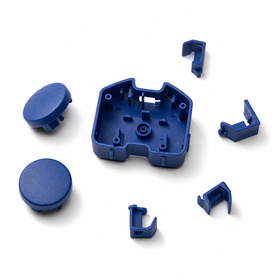
The challenge in this project was quantity matching. Each product assembly used one main housing, two buttons, and four retaining clips. Based on this BOM, the family mold was configured at a 1:2:4 cavity ratio, allowing the related parts to leave molding in quantities better aligned with subsequent assembly and set-based packaging.
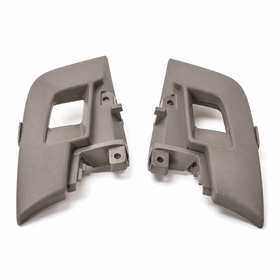
An automotive customer required matched left- and right-hand interior components. TryCooler evaluated the mirrored geometries, mounting points, appearance requirements, and deformation risks before developing a 1:1 family mold. Each side was inspected separately and then checked together to confirm consistent positioning during assembly.
Family Mold Design and Production Reference
Trycooler evaluates part compatibility, cavity ratios, mold design requirements, and quality validation before starting a family molding project.
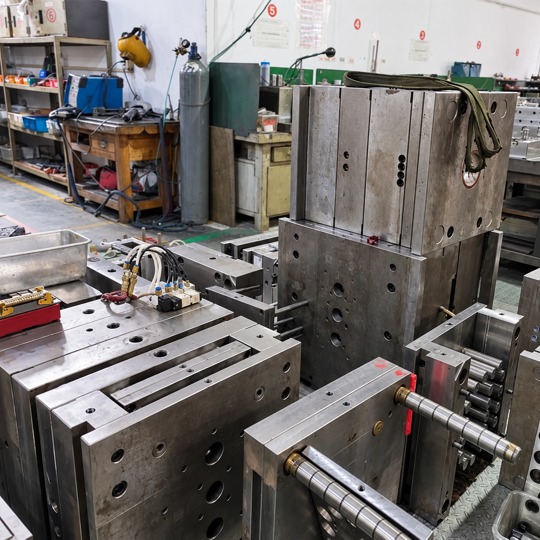
- Part Compatibility
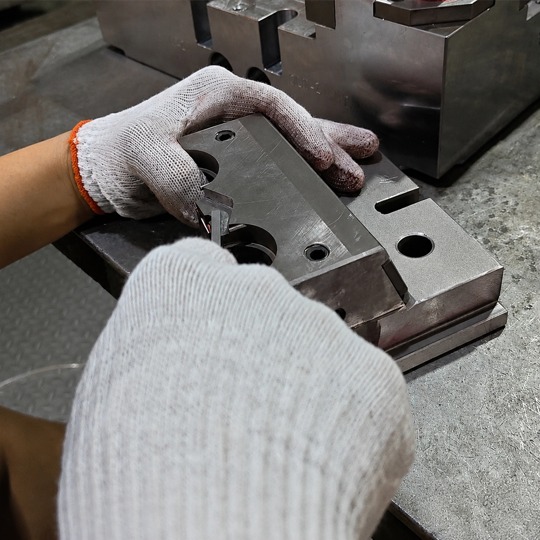
- Cavity Ratio Planning
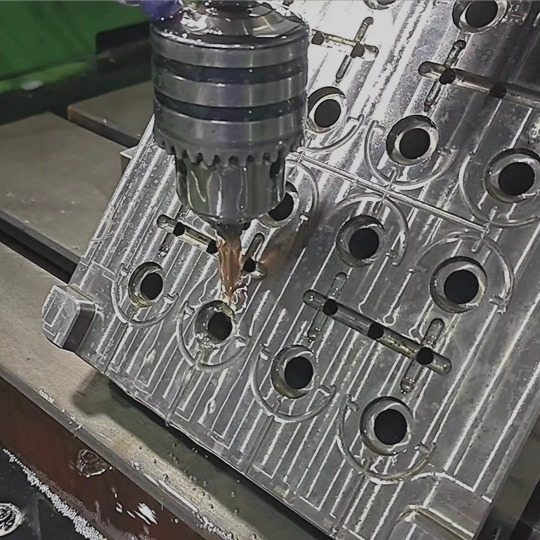
- Runner, Gate and Cooling
- Quality Validation
| Review Item | Suitable for Family Molding | Separate Tooling May Be Better |
| Material | Same resin or compatible grade | Different resins or processing temperatures |
| Color | Same color | Different or frequently changing colors |
| Part Size | Similar size and projected area | Large differences in size or weight |
| Wall Thickness | Similar thickness range | Significantly different cooling requirements |
| Molding Conditions | Compatible temperature and pressure | Very different molding windows |
| Design Status | Stable and approved designs | One part is still being revised |
| Production Demand | Parts ordered together | Individual replenishment is frequently required |
| Quality Requirements | Similar inspection level | One part requires substantially tighter control |
| Part Combination | Typical Cavity Ratio | Suitable Application | Key Consideration |
| Upper and Lower Housing | 1:1 | Matched enclosure sets | Assembly quantity and cooling balance |
| Housing and Two Buttons | 1:2 | Control devices | Button usage per assembly |
| Housing, Buttons and Clips | 1:2:4 | Multi-part consumer products | BOM and expected molding loss |
| Left and Right Parts | 1:1 | Paired components | Mirrored geometry and equal output |
| Main Part and Spare Component | Custom | Products requiring spare parts | Replenishment and inventory demand |
| Multiple Small Components | Custom | Caps, clips and brackets | Filling balance and part separation |
| Design Area | What We Review | Purpose |
| Cavity Layout | Part size, projected area and cavity position | Support balanced filling and mold structure |
| Runner Dimensions | Runner length, diameter and pressure loss | Control material delivery to each cavity |
| Gate Design | Gate type, size and location | Manage fill sequence and gate appearance |
| Filling Behavior | Flow length, part volume and resistance | Reduce short shots and overpacking |
| Cooling Layout | Wall thickness, cores and heat concentration | Control shrinkage, warpage and cycle time |
| Ejection System | Draft, ejector location and release force | Protect different part geometries during release |
| Replaceable Inserts | Revision-prone features or product variants | Limit the impact of future design changes |
| Mold Flow Analysis | Filling, pressure, weld lines and air traps | Evaluate molding risks before tooling |
| Validation Item | Inspection Method | What It Confirms |
| Cavity Identification | Part and cavity marking | Traceability of each molded component |
| First Article Inspection | Dimensional report | Compliance with drawing requirements |
| Critical Dimensions | CMM or specified gauges | Fit at mounting and assembly positions |
| Part Weight | Cavity-specific weight monitoring | Filling and process consistency |
| Appearance | Visual standard and approved sample | Color, texture, gate and surface quality |
| Assembly Fit | Complete part-set assembly | Clearance, alignment and fastening |
| Molding Parameters | Recorded process settings | Repeatable production conditions |
| Batch Inspection | IPQC and OQC | Consistency during mass production |
Testimonials
We contacted TryCooler for a family molding service involving four related plastic components. Instead of combining every part simply to reduce the quotation, their team recommended placing three compatible components in one mold and keeping the frequently reordered part separate. This gave us a better balance between tooling cost and production flexibility.
 Michael AndersonProduct Development Manager
We chose TryCooler’s family molding service for several parts with considerable size differences. Their engineers explained the runner and gate changes clearly and inspected each component during the mold trial. The samples fitted together correctly, and the molding risks were clear before approval.
 Daniel CarterMechanical Engineer
The engineering review was one of the most valuable parts of TryCooler’s family molding service. Each DFM recommendation identified the affected component, explained the molding risk, and showed whether the proposed change would influence appearance or assembly. This helped our design team approve the family mold layout with confidence.
 Sarah MitchellProduct Development Company
TryCooler’s family molding service included more than checking a general sample set. Each component and cavity received separate dimensional and appearance inspections, followed by a complete assembly test. This gave us greater confidence when moving from approved samples into repeat production.
 Robert KleinQuality Manager
One component was still likely to change, while the other housing parts were already stable. As part of the family molding service, TryCooler proposed a replaceable insert for the revision-prone area, allowing future updates without rebuilding the entire mold core.
 James WilsonR&D Manager
A multi-cavity mold produces several identical parts per cycle, while a family mold produces different parts. Family molds require more detailed evaluation of part size, filling behavior, cooling time and production ratios.
Parts are better suited to family molding when they use compatible materials, colors and processing conditions and are required in stable quantities. TryCooler reviews the complete part set before recommending a shared mold.
Yes, provided the differences in part weight, wall thickness and flow length can be controlled. Large differences may cause uneven filling or cooling, so some parts may be better placed in separate molds.
In most family molds, all cavities should use the same material and color because they are filled in one injection cycle. Parts requiring different materials, colors or molding temperatures normally need separate tooling.
TryCooler evaluates runner length, runner diameter, gate size, cavity position and part volume. Mold flow analysis and trial molding are used when required to establish a stable processing window for every cavity.
Yes. Cavity quantities can be arranged in ratios such as 1:1, 1:2 or 1:4 according to your assembly BOM and expected demand. The required ratio should be confirmed before mold design because it determines the output of every molding cycle.
A change to one component may affect the shared mold structure or nearby cavities. For parts likely to be revised, TryCooler can evaluate replaceable cavity inserts or recommend separate tooling to limit the impact of future modifications.
A family mold can reduce the initial tooling investment by combining several parts into one tool. However, production flexibility, cavity balance, maintenance and future design changes must also be considered before confirming the most economical solution.