
ABS vs. PC (Polycarbonate): Which Is Better for Injection Molding?
Choosing between ABS and polycarbonate (PC) is an important decision when developing custom plastic parts. Both are widely used engineering thermoplastics, but they offer different advantages in impact resistance, heat resistance, appearance, processability, and cost.
The right choice depends on what your product needs to withstand, how it will be used, and how it will be manufactured. This guide compares ABS and PC from both material selection and injection molding perspectives to help you make a more informed decision before tooling.
What Is ABS Material?
ABS (Acrylonitrile Butadiene Styrene) is a thermoplastic engineering plastic made from three monomers: acrylonitrile, butadiene, and styrene. Their combination gives ABS a balance of rigidity, toughness, and processability. These characteristics make ABS a practical choice for many custom plastic components. It can be processed through injection molding and extrusion, while CNC machining and 3D printing are commonly used for prototype development.
What Is Polycarbonate (PC) Material?
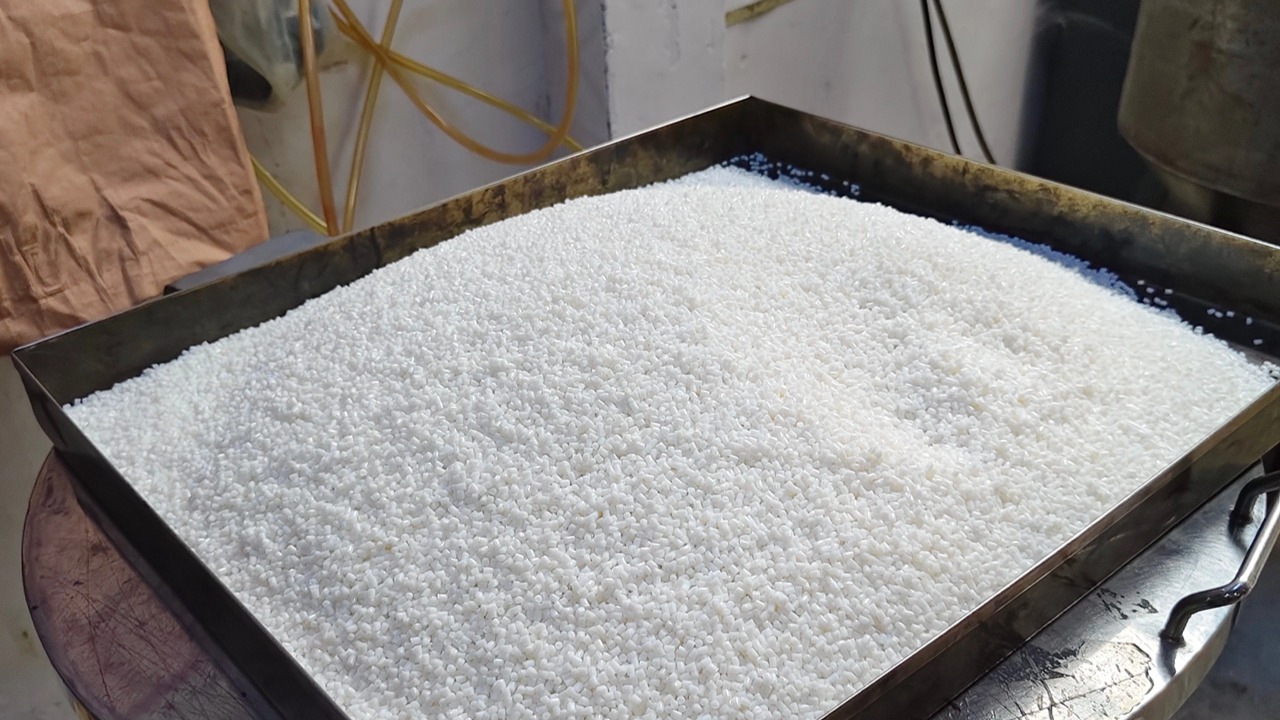
Polycarbonate (PC) is an engineering thermoplastic known for its high impact resistance, toughness, transparency, and heat resistance. Unlike opaque ABS, PC is available in transparent grades, making it suitable for components that require both visibility and mechanical protection. Its higher performance comes with additional considerations, however, including more demanding moisture control and processing requirements during injection molding.
ABS vs PC: What Are the Key Differences?
ABS and PC offer different combinations of mechanical performance, heat resistance, appearance, and processability, making them suitable for different applications. PC is often selected for its higher impact and heat resistance, but these advantages do not automatically make it the better material for every product. The important question is whether your application actually requires those additional properties and whether the performance justifies the extra cost.
Impact Resistance
PC typically offers higher impact resistance and toughness than standard ABS, making it more suitable for plastic parts that may be subject to drops, collisions, or sudden impacts. However, standard ABS may already provide sufficient impact resistance for many electronic device enclosures and industrial equipment housings. Therefore, when selecting materials, one should consider the product’s structure and actual usage requirements to determine whether ABS is adequate or if it is necessary to choose the more expensive PC material.
Heat Resistance
PC typically has higher heat resistance than standard ABS, but this does not mean that PC’s heat deflection temperature (HDT) is the maximum temperature at which the product can operate for an extended period.
For example, plastic enclosures installed near motors or power supplies may gradually deform over time—even if they can withstand high temperatures for short periods—when exposed to prolonged heat and subjected to certain mechanical loads, which can affect screw bosses, snap-fit connections, and product assembly. Therefore, when selecting materials, one should not merely compare the heat resistance data of ABS and PC; it is also necessary to consider the product’s actual operating temperature, duration of heat exposure, and long-term stress conditions to determine whether ABS meets the requirements or if PC, with its higher heat resistance, is indeed the better choice.
Chemical Resistance
ABS and PC have different levels of resistance to various chemicals. ABS can be attacked by certain organic solvents, while PC may gradually develop cracks when exposed to certain incompatible chemicals—even in the absence of visible external damage—especially when the product itself contains stress-prone structures such as screw bosses or snap-fit features. For example, the casings of electronic devices that are frequently wiped down with cleaning agents may suffer surface damage or even cracking after prolonged exposure if the material is incompatible with the cleaning agent. Therefore, if a product will come into contact with cleaning agents, oils, or solvents during use, the specific chemicals should be identified before selecting a material. Based on the frequency of contact, temperature, and operating environment, a determination should then be made as to whether ABS or PC is more suitable.
Mechanical Strength and Rigidity
ABS offers good strength and rigidity, while PC has better toughness; however, this does not necessarily mean that PC is more rigid than ABS. If a product needs to be secured to other components with screws or must bear a certain weight over the long term, it is important to consider whether the material is prone to deformation. For example, if the screw studs on a device’s housing lack sufficient strength or rigidity, they may deform or even crack over time; similarly, plastic brackets may gradually bend if subjected to a load for an extended period. Therefore, when selecting materials, you should not focus solely on impact resistance but also consider the product’s mounting method and the actual stress conditions it will face.
Dimensional Stability
When precision assembly of plastic parts with other components is required, the dimensional stability of the materials is critical. ABS and PC have different shrinkage characteristics, and selecting the wrong material can lead to dimensional deviations that affect the assembly. Therefore, you should fully consider these differences before manufacturing the mold, especially for parts with tight tolerances and high precision requirements at connection points such as snap-fit joints and screw holes.
Appearance and Surface Finish
ABS offers good colorability and supports a wide range of surface finishes, including high-gloss, matte, and textured effects. This makes it suitable for appearance parts that require different colors and surface finishes.
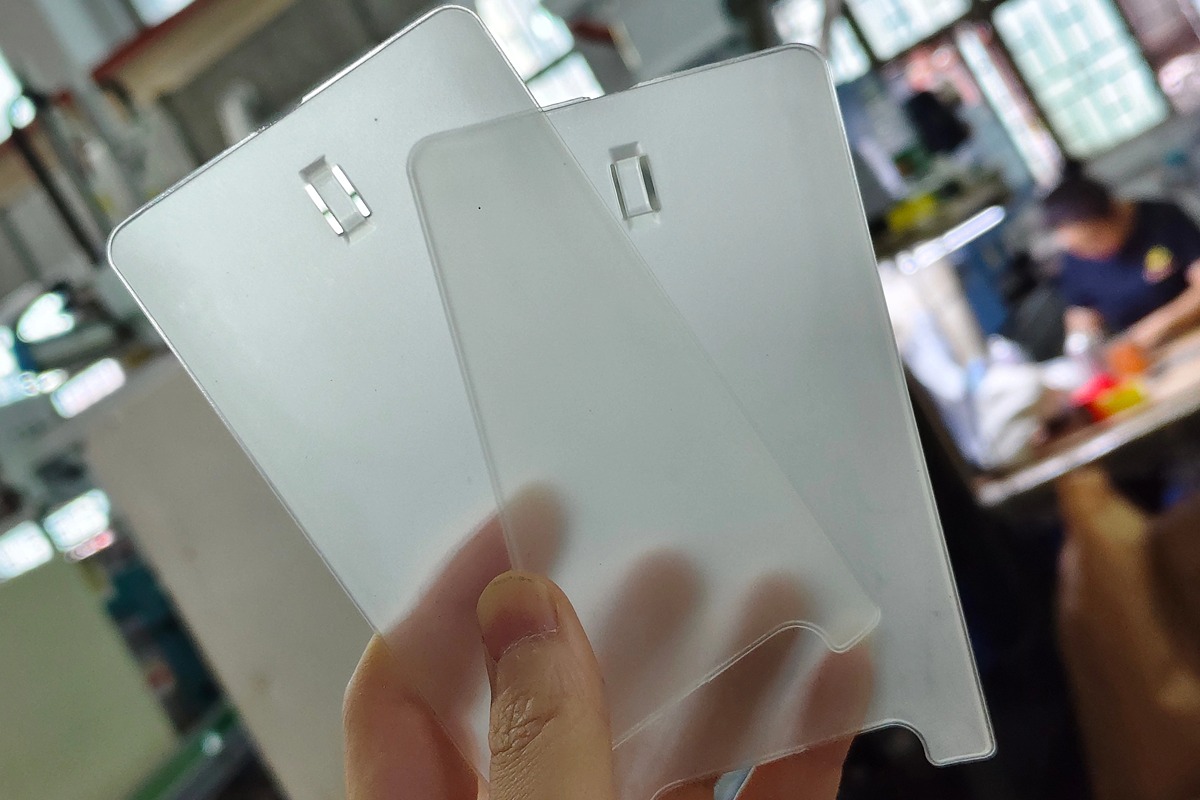
PC is a better choice for products requiring transparency, but transparency alone does not guarantee good optical quality. For parts such as viewing windows and transparent covers, haze, light transmittance, color consistency, and surface defects should also be considered. Scratch resistance is another important factor. For products that are frequently handled or cleaned, surface coatings may be necessary to improve scratch resistance.
Electrical Properties
Both ABS and PC have material grades suitable for electrical insulation applications, which can be used in products such as electronic device housings, electrical control equipment, and connector housings. If your product has specific requirements for electrical insulation or CTI (Comparative Tracking Index), you must verify during material selection whether the specific material grade meets the relevant standards. You cannot assume that a material will necessarily meet your product’s electrical safety requirements simply because it is ABS or PC.
UV Resistance
Prolonged exposure to sunlight can cause plastics to yellow, fade, lose their luster, and even experience a decline in mechanical properties—all signs of aging. Just because PC has better impact resistance than ABS does not mean it is more suitable for all outdoor products. What you really need to focus on is whether the material can withstand long-term aging caused by UV radiation and outdoor environments.
For example, the housings of outdoor smart devices may be continuously exposed to sunlight, rain, and temperature fluctuations. Even if PC is selected, this does not guarantee that the product will meet the requirements for long-term outdoor use. For such products, based on the actual operating environment and expected service life, consideration should be given to selecting material grades that have undergone UV-stabilizing modification or applying a protective surface coating. If the product requires a high level of outdoor weather resistance, other weather-resistant materials better suited for outdoor use may also be considered.
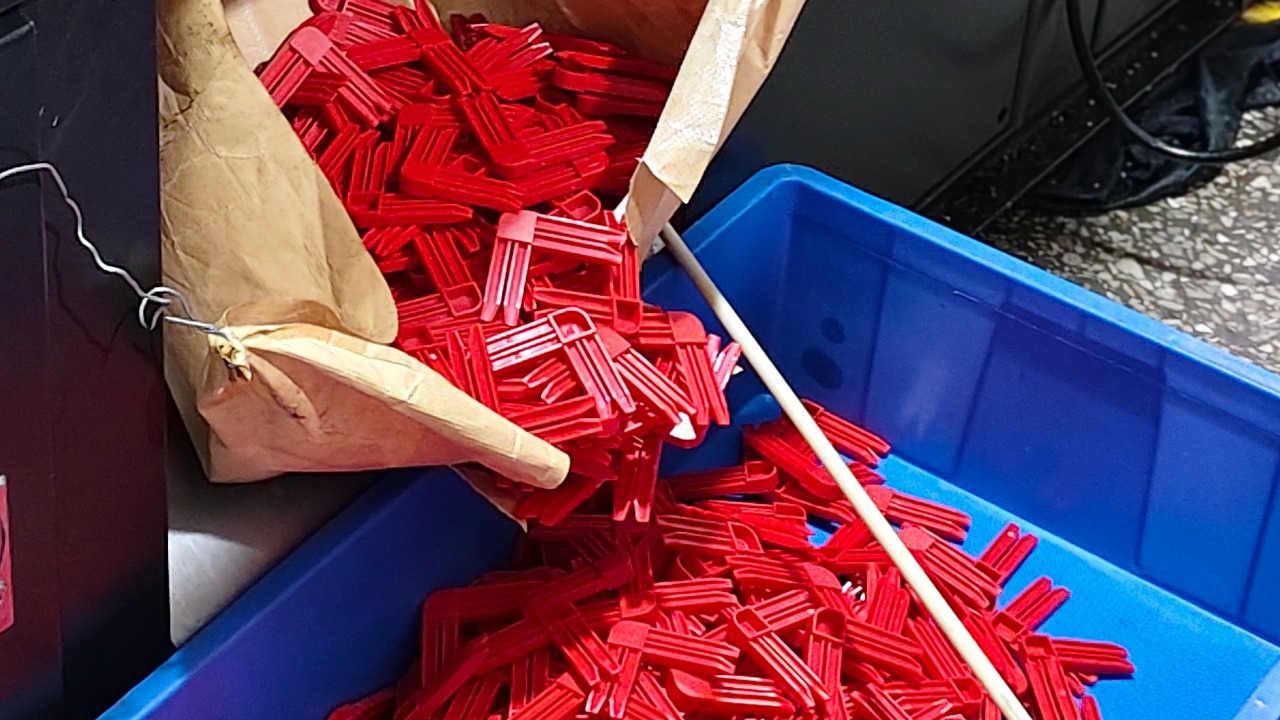
Flame Retardancy
Both ABS and PC are available in flame-retardant grades for electronic, electrical, and industrial equipment housings. However, ordinary grades should never be assumed to meet a specified flame-retardant classification.
UL 94 is commonly used to evaluate plastic material flammability, with classifications including HB, V-2, V-1, and V-0. The required classification must be considered together with the test specimen thickness. A material achieving V-0 at 1.5 mm cannot automatically be assumed to achieve the same rating at 0.8 mm.
For thin-wall electronic housings, verify the specific resin grade, its UL recognition, and the tested thickness. Also distinguish material flammability classifications from the safety certification requirements of the finished electrical product. Flame-retardant formulations can affect impact strength and processing performance, so the selected grade needs to meet both safety and product requirements.
ABS vs PC: Key Differences at a Glance
| Comparison | ABS | Polycarbonate (PC) |
| Impact Resistance | Good impact resistance for many general-purpose applications | Generally higher impact strength and toughness |
| Rigidity | Good stiffness and structural performance | Good stiffness, but varies by grade |
| Heat Resistance | Generally lower than PC | Generally higher than standard ABS |
| Transparency | Usually opaque; available in various colors | Available in transparent, translucent, and opaque grades |
| Chemical Resistance | Vulnerable to certain organic solvents | Sensitive to certain chemicals, particularly under stress |
| Processing | Generally easier to process | Requires careful moisture and processing control |
| Material Cost | Generally more economical | Generally more expensive |
Note: These are general material characteristics. Actual performance varies with resin grade, formulation, testing conditions, and product design.
ABS vs PC: Which Material Is Better for Different Applications?
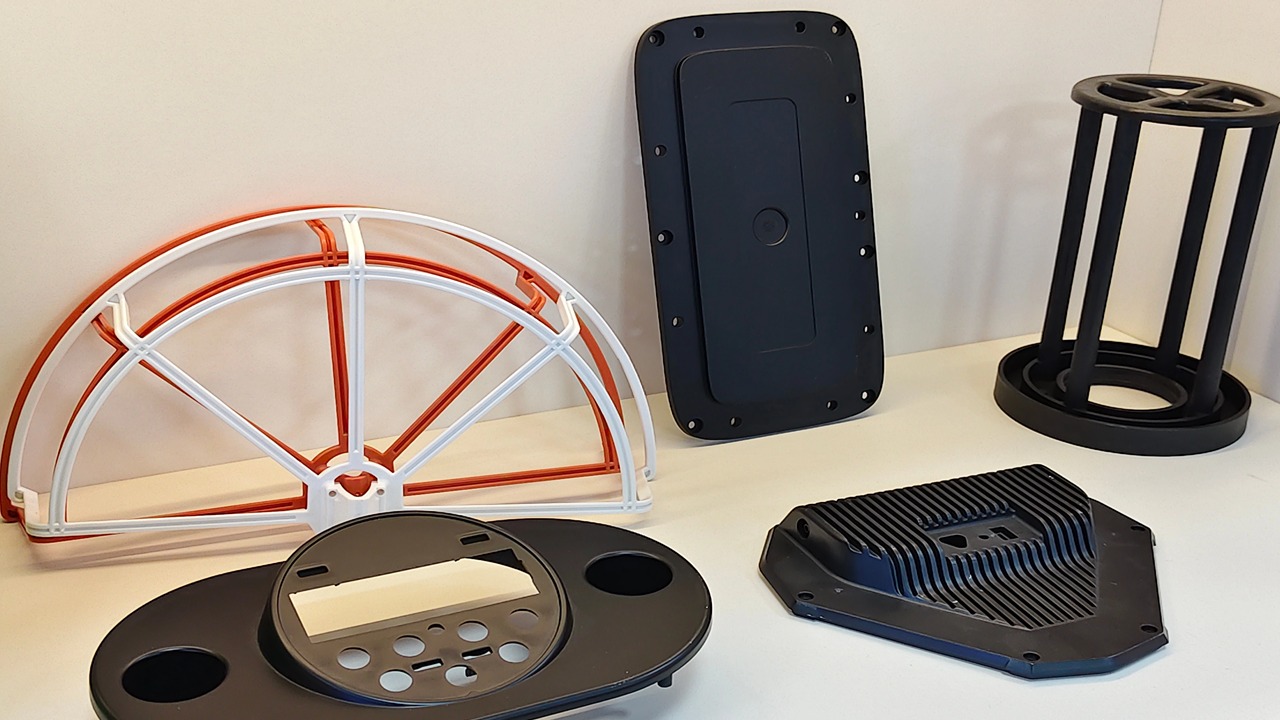
ABS and PC are widely used across electronics, smart home devices, automotive components, industrial equipment, and protective enclosures. Both materials can be used to manufacture a wide range of custom plastic parts. The difference is in which properties each product needs most.
The following examples illustrate common applications and the factors that influence material selection.
| Indoor Electronic Housings | Surface finish, color consistency, dimensional stability, and cost | ABS | Provides a good balance of rigidity, appearance, processability, and cost. |
| Smart Home Device Housings | Appearance, assembly accuracy, and impact resistance | ABS / PC | ABS suits many conventional housings; PC is worth considering for greater impact or heat resistance. |
| Transparent Covers and Viewing Windows | Transparency, light transmission, and impact resistance | PC | Transparent PC grades offer optical clarity and good impact performance. |
| Protective Enclosures for Equipment | High impact resistance and structural reliability | PC | Generally provides better impact performance than standard ABS. |
| Automotive Interior Components | Surface appearance, dimensional stability, and impact resistance | ABS / PC-ABS | Both are potential options, depending on interior location and performance requirements. |
| Outdoor Equipment Housings | UV resistance, weatherability, and long-term durability | Weather-Resistant ABS / UV-Stabilized PC | The selected grade must be suitable for the expected outdoor exposure. |
| Electrical and Industrial Enclosures | Electrical insulation, flame retardancy, and heat resistance | Flame-Retardant ABS / PC | Both offer flame-retardant grades that can meet specified UL 94 requirements. |
These are representative applications, not fixed material recommendations. The same product category may use different materials depending on its design, operating environment, and required performance.
How to Choose Between ABS, PC, and PC/ABS?
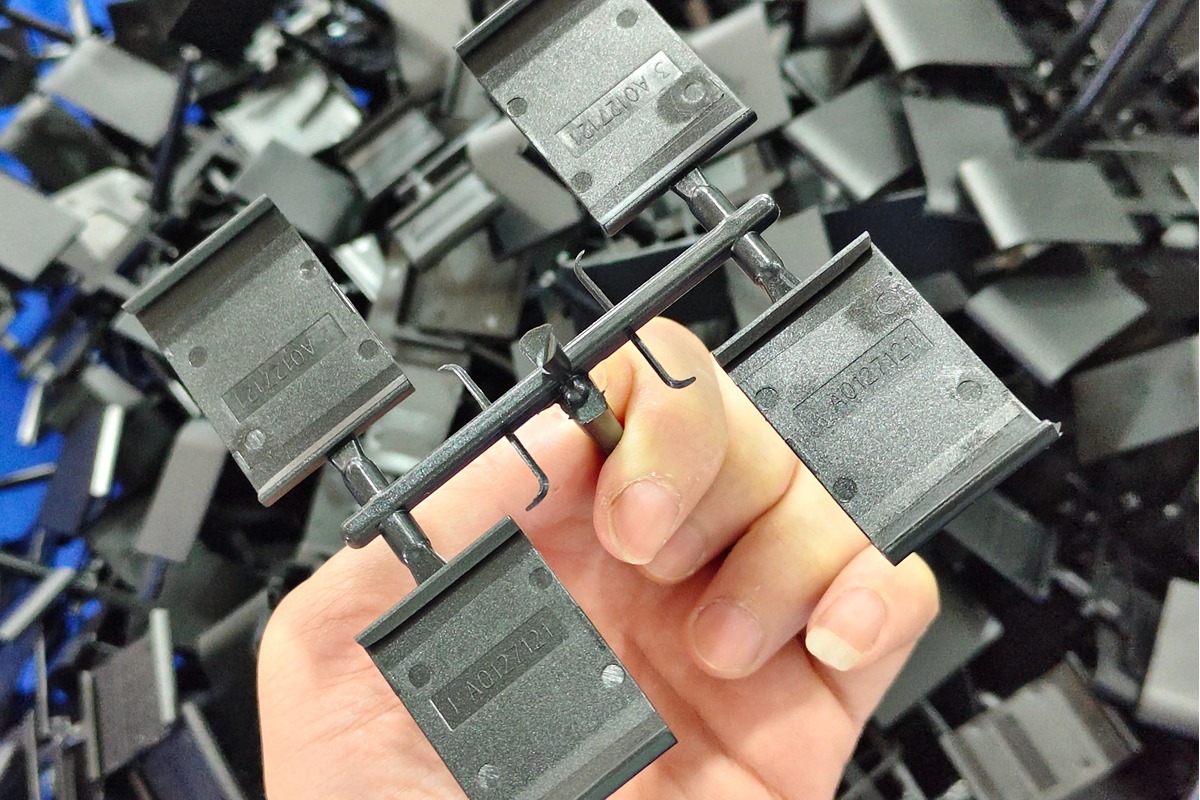
The right choice depends on which performance requirements are essential to your product. Rather than selecting the material with the highest overall performance, focus on what your part actually needs.
When Should You Choose ABS?
ABS is a practical choice for products requiring a balance of rigidity, appearance, processability, and cost. For conventional indoor plastic housings without demanding heat resistance, severe impact requirements, or transparency, a suitable ABS grade is often sufficient. There is little reason to pay more for PC if ABS already meets your product specifications.
When Should You Choose PC?
If a product has high requirements for impact resistance, heat resistance, or transparency—and standard ABS cannot meet these needs—then PC is a viable option to consider. For example, protective components that must withstand significant impact, or products that require both transparency and mechanical protection, PC should be considered as a primary candidate. However, the material cost of PC is typically higher; therefore, its higher cost is justified only when these additional performance advantages are truly necessary.
When Should You Consider PC/ABS?
If a product requires a balance between impact resistance, heat resistance, appearance, and processability—and standard ABS or PC cannot meet all these requirements simultaneously—then PC/ABS is worth considering. However, its performance may vary depending on the blend ratio and the specific resin grade. The final choice should be based on whether the selected grade meets the product’s actual requirements.
Key Questions Before Finalizing Your Material
Before confirming ABS, PC, or PC/ABS, consider:
- Does the product require higher impact resistance or heat resistance than standard ABS can provide?
- Is transparency an essential functional requirement?
- Will the part be exposed to chemicals, UV radiation, or high temperatures?
- Are there specific electrical insulation or flame-retardant requirements?
- Does the selected grade support the required appearance, dimensions, and assembly performance?
- Is the additional material cost justified by a measurable product benefit?
How Material Selection Affects Injection Molding
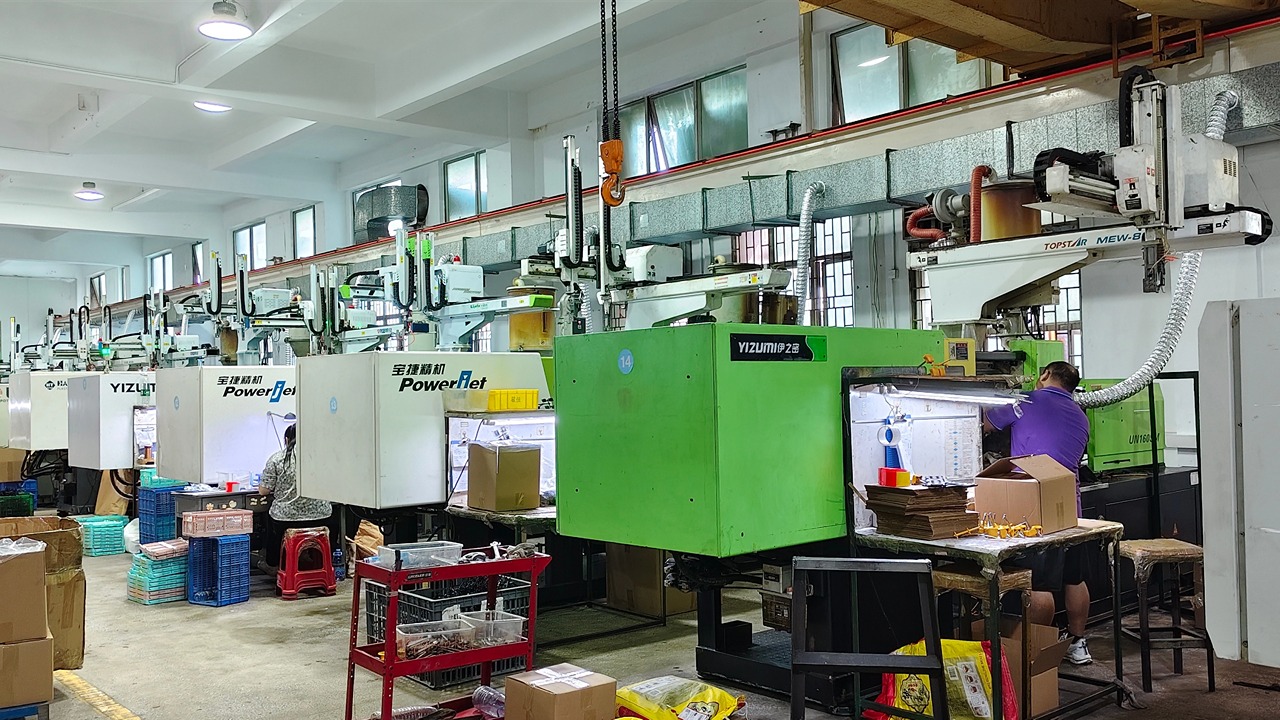
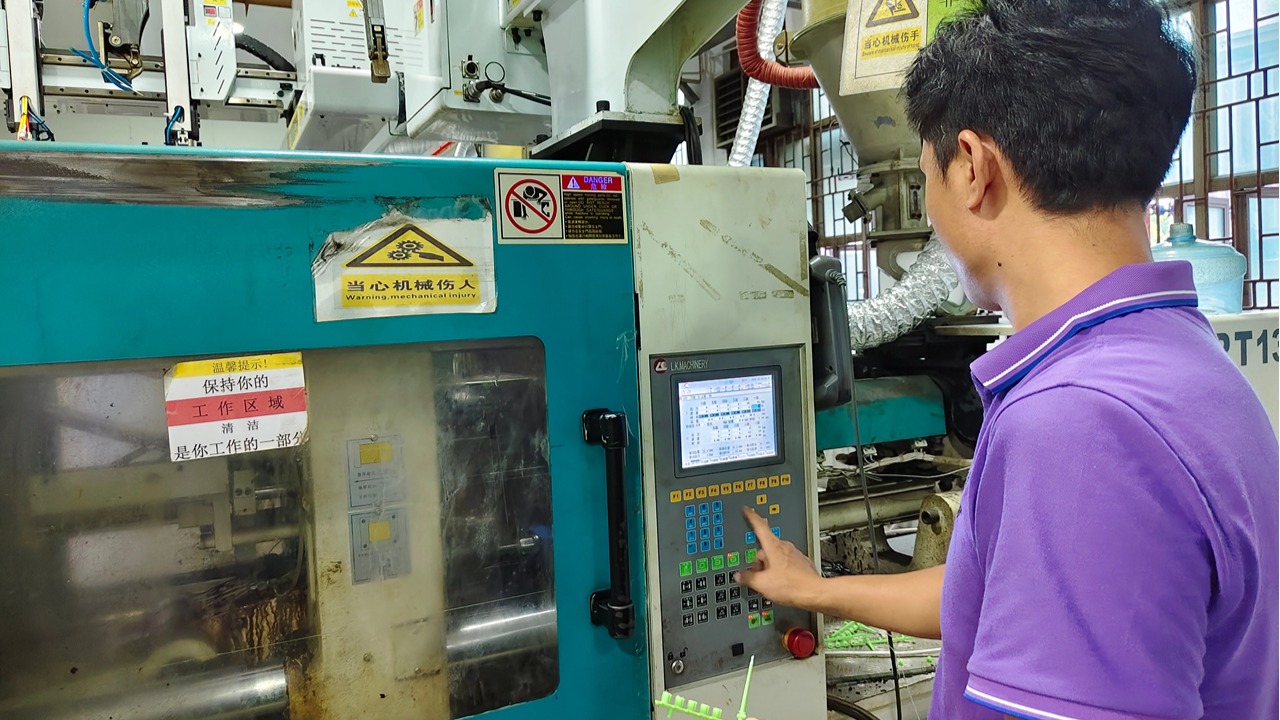
Choosing ABS or PC affects not only the finished part’s performance but also how it is manufactured. Switching from ABS to PC may require adjustments to material preparation, molding conditions, and mold design. These differences should be considered before tooling begins.
Processing Requirements and Moldability
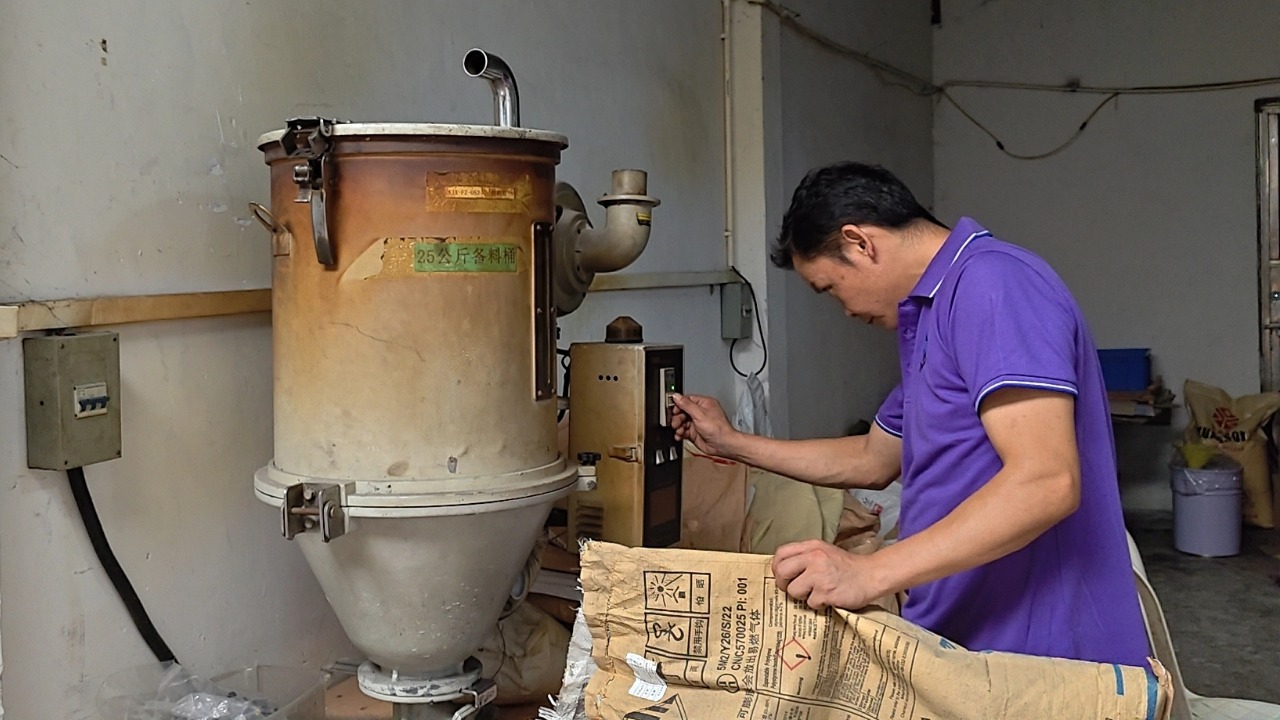
ABS is generally easier to process, while PC requires more careful control of material drying and processing temperatures. Inadequate drying can cause silver streaks and material degradation, while unsuitable processing conditions may affect filling and surface quality.
PC’s flow characteristics also vary by grade. Thin walls, long flow paths, and complex geometries may require closer attention to gate location, filling behavior, and mold temperature. These factors should be evaluated during design review rather than discovered after tooling is completed.
Shrinkage and Dimensional Accuracy
Changing an existing part from ABS to PC does not guarantee that the original mold dimensions will remain suitable. Different resin grades have different shrinkage characteristics, which can affect screw positions, assembly clearances, and snap-fit connections.
For tight-tolerance components, the material change should be reviewed before assuming the existing mold can be reused without modification. Critical dimensions and assembly features should be checked using molded samples made from the intended production material.
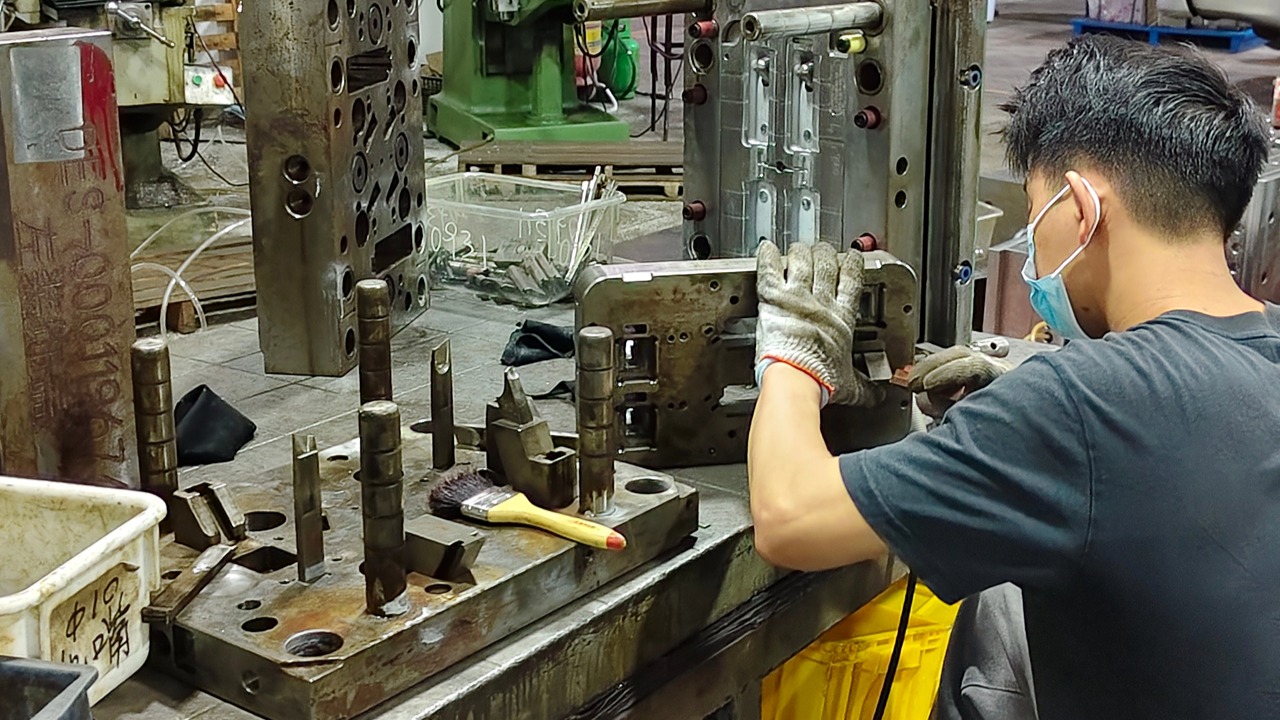
Material selection can influence gate location, runner dimensions, venting, and ejection requirements. For PC parts, appropriate mold temperature, gate design, and venting help control filling, residual stress, and surface defects. Uneven ejection can also cause stress marks, whitening, or damage, particularly in parts with complex geometries.
Transparent PC components require additional attention to mold surface quality, gate marks, and ejection locations because defects that might be less noticeable on opaque ABS can be much more visible.
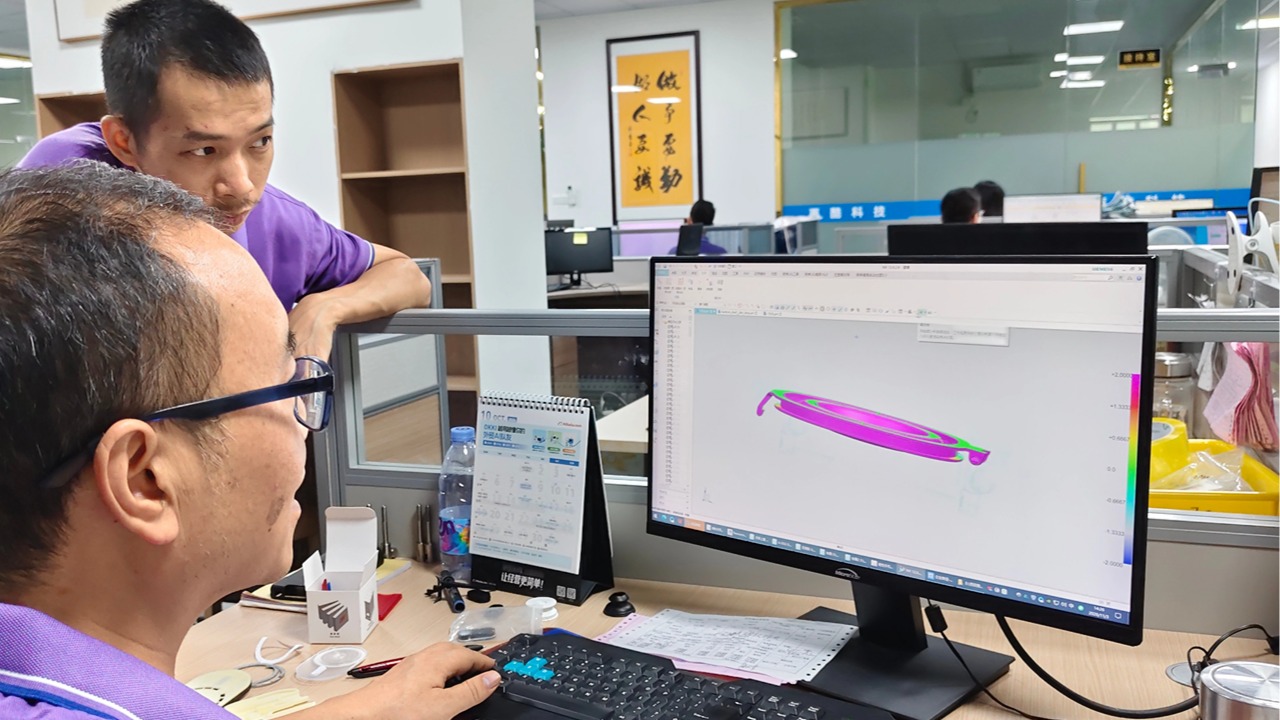
A DFM review before tooling helps identify potential issues with material suitability, mold design, and part manufacturability. T0/T1 trials then provide an opportunity to check dimensions and appearance using the selected production material before mass production.
ABS vs PC: Comparing Total Manufacturing Costs
ABS generally costs less than PC, but material price alone does not determine the final unit cost. Resin grade, part weight, molding cycle, scrap rate, tooling adjustments, and product performance requirements all affect manufacturing costs. The real question is whether the additional cost of PC delivers performance and reliability your product actually needs.
Material Grade and Part Weight
Different grades of ABS, PC, and PC/ABS have different prices. High-impact, transparent, and flame-retardant grades generally cost more than standard grades. Part weight also directly affects material consumption and unit cost. When comparing quotations, make sure they are based on the same resin grade, part weight, and production volume.
Molding Cycle and Production Yield
PC requires more careful drying than ABS, while actual molding cycle time depends on the material grade, part geometry, wall thickness, and cooling requirements. Scrap and rework caused by warpage, dimensional deviations, or surface defects can further increase manufacturing costs.
Tooling modifications, additional sampling, surface finishing, and assembly requirements may also affect the total project cost. These factors should be considered alongside raw material prices when comparing production quotations.
Is the Higher Material Cost Worth It?
If ABS already meets your product’s impact resistance, heat resistance, and appearance requirements, choosing PC may add unnecessary cost. However, if PC is necessary to achieve the required performance or reliability, the additional investment may be worthwhile. The best choice is not necessarily the cheapest material, but the one that delivers the required performance at a competitive cost per qualified part.
What Should You Verify Before Choosing ABS or PC?
Before finalizing ABS, PC, or PC/ABS, make sure the selected material meets your product requirements and is suitable for injection molding. A few checks before tooling can help avoid unnecessary mold modifications and production problems.
Confirm Product Requirements and Operating Conditions
Consider how the product will actually be used, including operating temperature, impact exposure, chemical contact, outdoor exposure, and expected service life. Also clarify appearance, dimensional accuracy, and any special safety requirements.
Select and Verify the Material Grade
ABS, PC, and PC/ABS are material families rather than single specifications. Different grades offer different levels of impact resistance, heat resistance, chemical compatibility, and processing performance. The selected grade should match your actual product requirements, not just the general properties associated with the material name.
Review Manufacturability and Validate Samples
Before tooling, review the part structure, wall thickness, tolerances, and assembly features to identify potential manufacturing risks. Where necessary, prototypes made through CNC machining or 3D printing can help check dimensions and assembly. Injection molded samples made with the selected production resin provide a more representative basis for evaluating final dimensions, appearance, and functional performance.
Pre-Tooling Material Selection Checklist
Before finalizing your material choice, check the following:
- Is the operating environment clearly defined?
- Are the mechanical and heat resistance requirements clear?
- Are there any special flame-retardant or regulatory requirements?
- Has the specific material grade been selected?
- Has the part design and manufacturing feasibility been evaluated?
- Are prototypes or functional tests needed before tooling approval?
Choose the Right Material for Your Custom Injection Molding Project
Choosing the right material requires more than comparing ABS and PC on paper. Product performance, design requirements, manufacturing feasibility, and total cost all need to work together. At TryCooler, material evaluation, DFM review, and injection molding engineering support help turn customer-supplied CAD files or samples into practical manufacturing solutions. Contact TryCooler to discuss your custom plastic part project and material requirements.
Frequently Asked Questions
Does ABS or PC Have a Longer Injection Molding Lead Time?
Neither ABS nor PC necessarily results in a longer project lead time. PC requires more careful material preparation and may involve different processing conditions, but mold complexity, product design, sampling requirements, and production scheduling usually have a greater influence on the total project lead time.
Can You Use an Existing ABS Mold for PC Injection Molding?
Sometimes, yes, but it depends on the mold design and product requirements. ABS and PC have different shrinkage characteristics and processing requirements, which may affect product dimensions, filling performance, and surface quality. Therefore, the existing mold should first be evaluated for PC compatibility and modified if necessary, followed by trial molding to verify the results.
Can I Get Injection-Molded Samples Before Mass Production?
Yes. Before starting mass production, we can produce injection-molded samples during T0/T1 mold trials for you to inspect the product’s dimensions, appearance, assembly, and functionality. Once you confirm that the samples meet your requirements, we will proceed to mass production. This approach allows us to identify and resolve potential issues before mass production begins, thereby reducing risks in subsequent production.
What Information Is Needed for an ABS or PC Injection Molding Quote?
To accurately evaluate your project and provide a quote, we recommend that you provide 3D CAD files (STEP/IGS) or physical samples of the product, along with the preferred material, if known, or the required product performance, product dimensions, appearance, and performance requirements, as well as the estimated purchase quantity. If the product has specific requirements regarding heat resistance, impact resistance, flame retardancy, or electrical properties, please specify these in advance so that we can conduct a material evaluation and assess manufacturing feasibility.
Can Material Selection Be Changed During Product Development?
Yes, but a material change requires further evaluation. ABS, PC, and PC/ABS have different shrinkage characteristics and processing requirements, which may affect product dimensions, assembly, and molding results. If the material is changed before tooling begins, the design and manufacturing plan can be reviewed accordingly. If the mold has already been completed, its suitability for the new material must be assessed, and mold modifications may be necessary. Trial molding is then required to verify the results.