
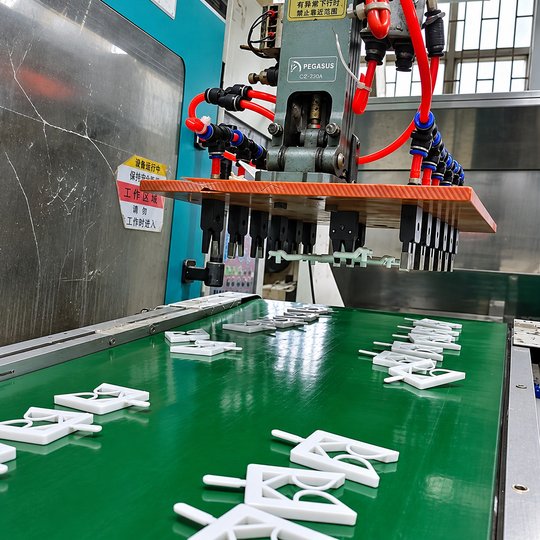
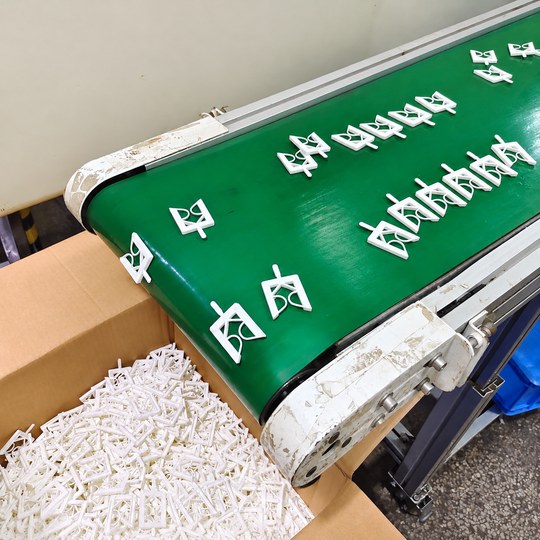
Built for Stable and Cost-Controlled Repeat Production
- Tooling Planned Around Your Annual Demand
- Multi-Cavity Options for Higher Production Output
- Balanced Filling Across Every Mold Cavity
- Cooling Reviewed for a Stable Molding Cycle
- Process Inspection for Batch-to-Batch Consistency
- Mold Maintenance for Ongoing Repeat Orders
High-Volume Injection Molding for Ongoing OEM Production
High-volume injection molding is not defined by one fixed order quantity. TryCooler plans each production program around your part design, selected resin, order frequency, annual demand, quality requirements and expected product lifecycle.
Before tooling, our engineers review the appropriate cavity count, runner system, filling balance, cooling layout, mold structure and machine requirements. After sample approval, we control the confirmed material, drawing version, molding conditions and inspection requirements throughout production. This helps you balance tooling investment, production output and unit cost while maintaining consistent parts across repeat orders.
Send us your drawings and estimated annual volume. We’ll recommend the right high-volume injection molding solution and provide a competitive quote.
High-Volume Injection Molding Solutions
Select the molding, tooling and production setup that fits your part structure, material, annual demand and downstream assembly requirements.
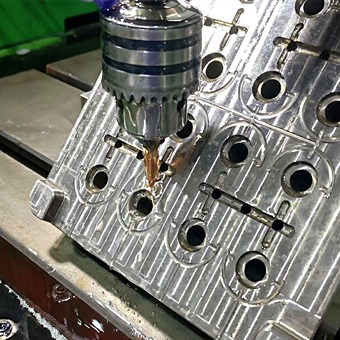
Produce multiple identical parts in each cycle while controlling filling, cooling and cavity-to-cavity consistency.
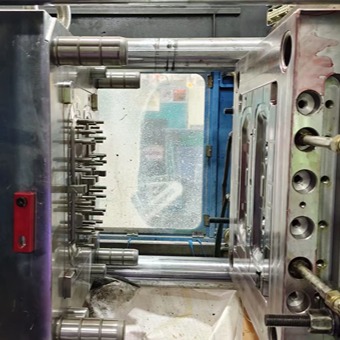
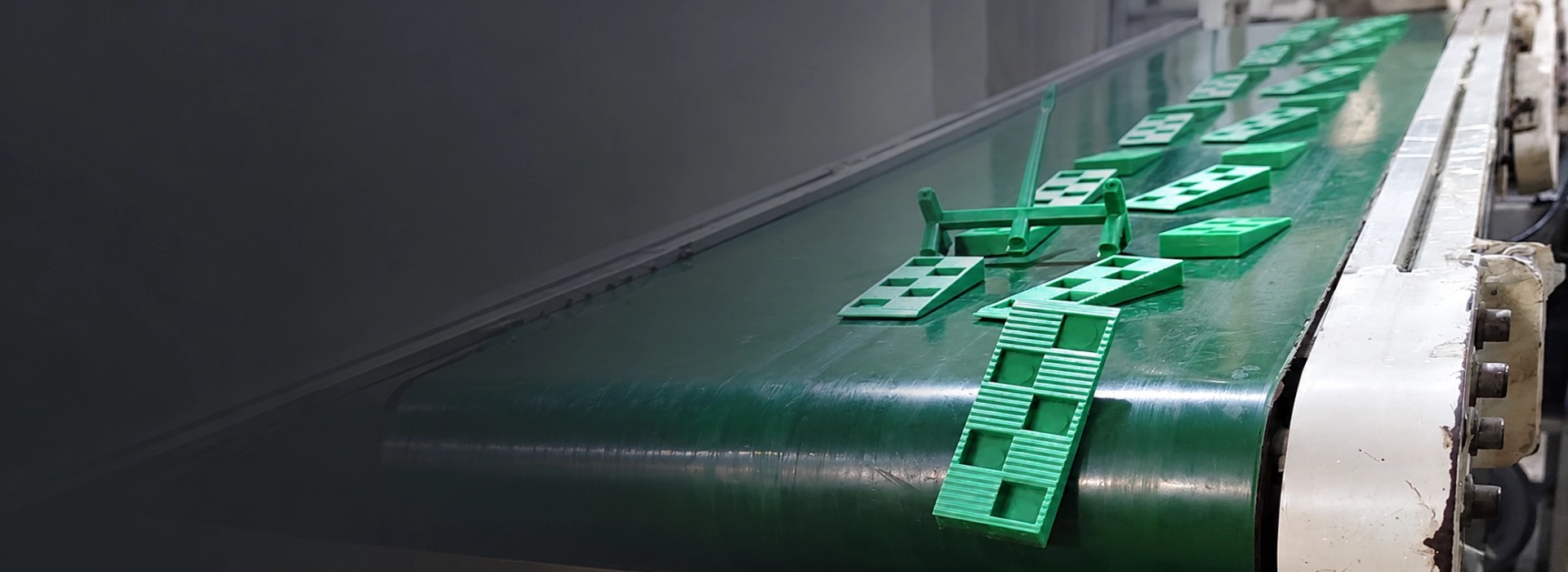
Reduce cold-runner waste and support automated production where the resin, part design and order volume make it practical.
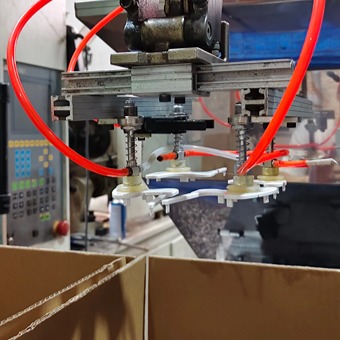
Integrate part removal, cavity sorting, inspection or downstream handling to maintain a stable production cycle.
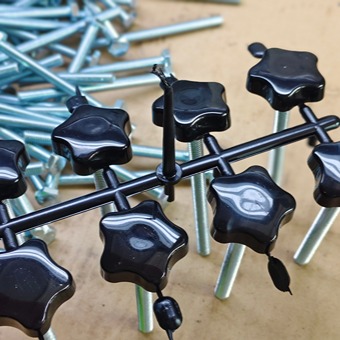
Mold plastic around metal threads, terminals, pins or other inserts to reduce separate installation and assembly steps.
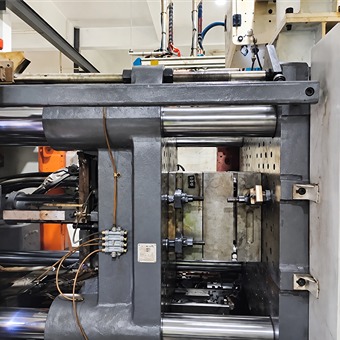
Combine rigid plastic with TPE, TPU or another compatible material to add sealing, grip, cushioning or surface protection.
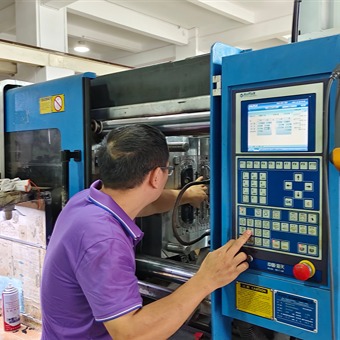
Form two colors or compatible materials within a planned molding sequence for integrated functional and cosmetic features.
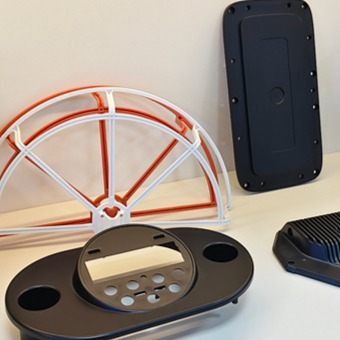
Produce custom parts in ABS, PC, PP, POM, Nylon, PBT and reinforced or performance-modified resin grades.
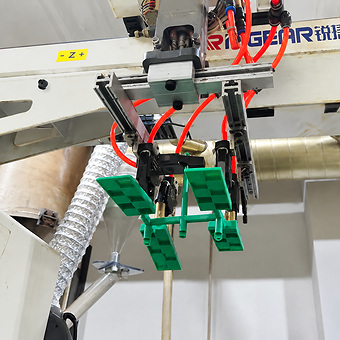
Increase your production output through optimized cooling, balanced filling and automated part removal while maintaining consistent part quality.
Built for Stable, Repeatable Production
From mold design and process validation to automated molding and quality control, each stage is planned to support your consistent parts, controlled costs, and reliable repeat orders.

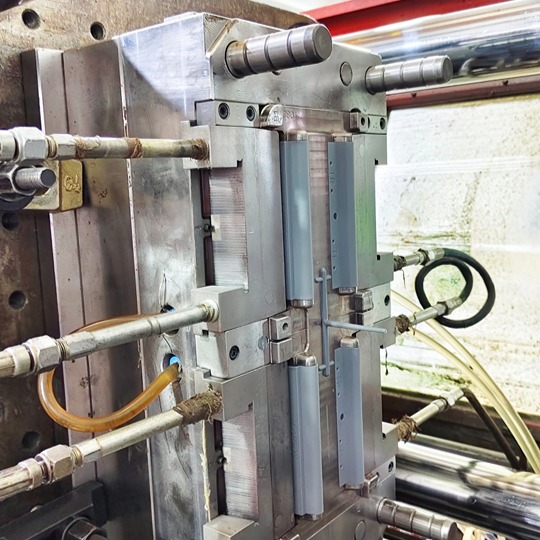
Your mold structure, steel, cooling and cavity count are selected around your expected production volume and part requirements.

You can use multi-cavity molding to increase output while maintaining balanced filling and consistency between cavities.

Your approved molding parameters are documented to help each production batch remain close to the validated samples.

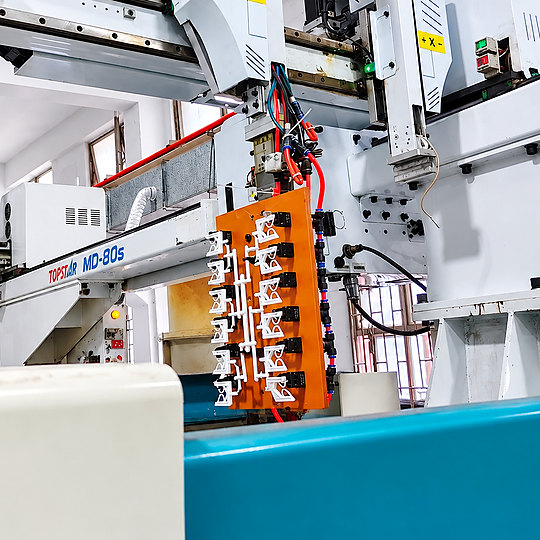
Automated feeding, part removal and inspection help you maintain stable cycle times and reduce operator-dependent variation.

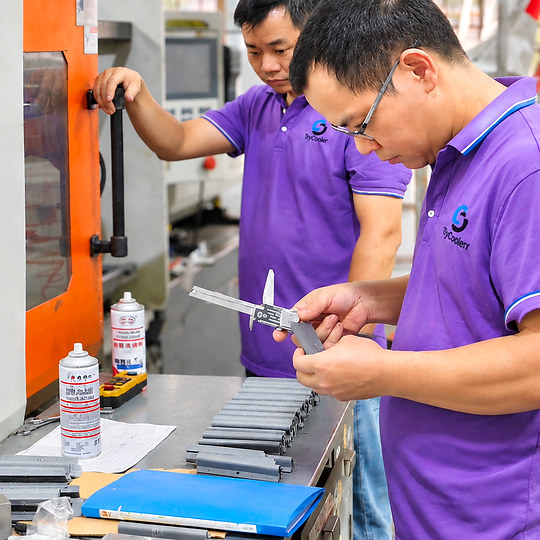
Your critical dimensions, appearance standards and assembly requirements are monitored throughout production.

You receive controlled resin grades, color batches and production records for easier quality tracking.

Your production schedule can be adjusted around demand forecasts, repeat orders and changes in required quantities.

Your mold receives scheduled inspection and preventive maintenance to reduce unexpected downtime during long production runs.
Shorten Your Cycle Without Sacrificing Part Quality
In high-volume injection molding, a few extra seconds in every cycle can significantly affect your total production time and unit cost. We evaluate your part thickness, resin, shrinkage behavior and critical areas when planning the mold’s cooling layout, rather than relying on a standard water-line arrangement.
More balanced cooling helps your parts reach a suitable ejection temperature with less variation across the mold. This allows you to pursue a practical cycle time while reducing the risk of warpage, sink marks, dimensional drift and unstable production as your order volume increases.
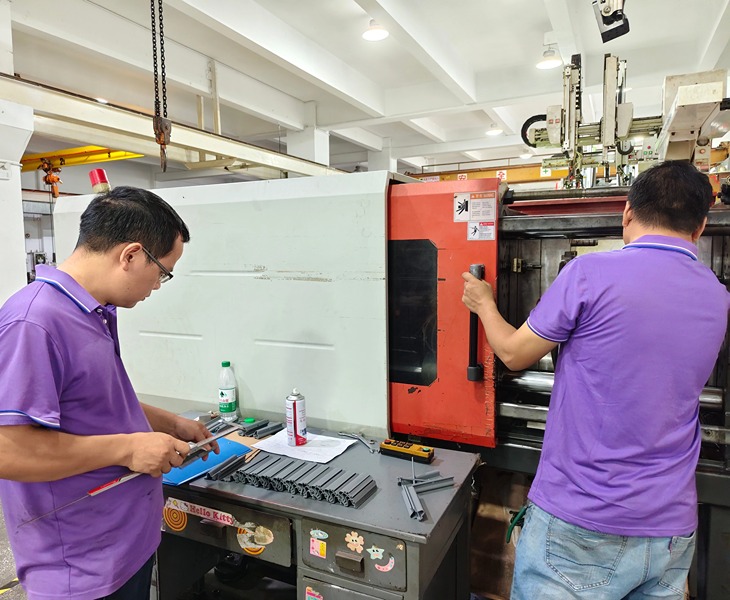
High-Volume Injection Molding Projects
Whether you are launching a new product, increasing an existing order or looking for a more reliable production partner, we build the tooling and molding plan around how many parts you need, how often you reorder and how your demand may grow.
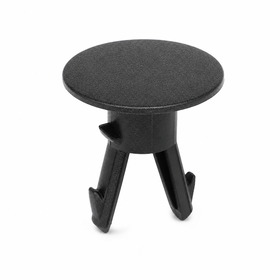
The customer’s initial mold could support product validation but could not meet the required production volume efficiently. We redesigned the project around multi-cavity molding, balanced filling and automated part removal. This gave the customer a more practical route to higher output without relying on multiple low-output molds.
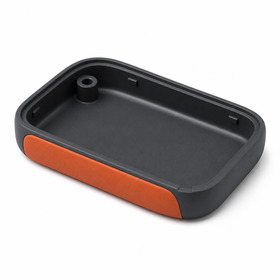
Your lowest mold quotation does not always produce your lowest long-term part cost. For this housing project, we compared cavity count, cycle time, runner consumption and expected order volume before confirming the tooling approach. The final high-volume injection molding plan reduced unnecessary material and labor costs across repeat orders.
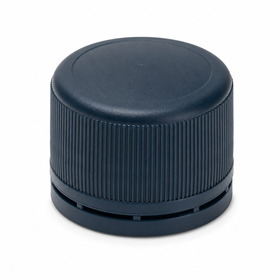
High-volume caps must leave every cavity at the same pace. We planned the runner, cooling and ejection around the complete cavity layout, then reviewed samples by cavity during trial molding. The customer could increase output while keeping each cavity identifiable for production monitoring and maintenance.
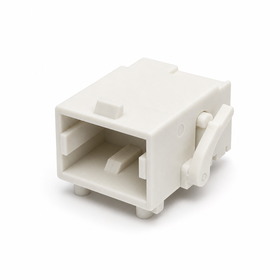
For a component ordered continuously throughout the year, manual handling created an unnecessary limit on production capacity. We integrated automatic part removal and organized the downstream handling around the molding cycle. You receive a production setup designed for repeat orders, predictable output and less dependence on manual operation.
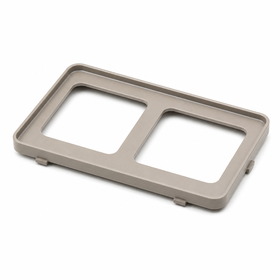
This appliance program required more than one large shipment—it needed parts supplied across multiple scheduled orders. We reserved production around the customer’s forecast, controlled material by batch and retained the approved molding setup. When demand changed, the customer could adjust order quantities without restarting the project from the beginning.

Plan Your High-Volume Injection Molding Project
Your required volume affects much more than the molding machine. We use your demand forecast, part design, material and repeat-order plan to determine how your mold should be built, how production should be controlled and how future supply should be arranged.
- Volume Planning
- High-Volume Mold Strategy
- Production Control
- Repeat Supply Planning
| Your Production Situation | What We Evaluate | Possible Approach | What It Means for You |
| New product entering production | Initial demand and future growth | Tooling prepared for planned volume increases | You avoid replacing the mold too early |
| Stable repeat orders | Order quantity and reorder frequency | Dedicated production setup and retained parameters | Your repeat orders are easier to schedule |
| Rapidly increasing demand | Required output and available cycle time | Higher cavity count or additional production capacity | You can scale without relying on excessive overtime |
| Seasonal demand | Forecast, peak period and inventory plan | Production scheduled before demand peaks | You reduce the risk of stock shortages |
| Multiple related parts | Part size, material and order ratio | Separate molds or a family-mold evaluation | You receive a plan based on actual usage |
| Cost-sensitive production | Tooling investment and lifetime quantity | Comparison of cavities, runners and automation | You can evaluate total cost rather than mold price alone |
| Mold Decision | How We Plan It | High-Volume Consideration | Your Benefit |
| Cavity Count | Based on demand, cycle and machine capacity | More cavities require reliable filling balance | Higher output without uncontrolled cavity variation |
| Mold Steel | Selected around resin, surface and expected use | Abrasive or reinforced materials increase wear | Longer service intervals and more predictable production |
| Runner System | Cold and hot runner options are compared | Material use and maintenance affect long-term cost | A runner solution suited to your production economics |
| Cooling Layout | Planned around geometry and heat concentration | Cooling often controls the total cycle time | More practical cycles with lower deformation risk |
| Replaceable Inserts | Added to high-wear or vulnerable areas where suitable | Local wear should not require rebuilding the entire mold | Faster maintenance and less production interruption |
| Ejection System | Designed around part shape and automated handling | Repeated ejection must remain stable during long runs | More reliable release and easier automated removal |
| Production Stage | What We Control | Record or Inspection | What You Receive |
| Material Preparation | Resin grade, batch, drying and color | Material and batch records | Better traceability for your molded parts |
| Production Start-Up | Approved machine and process settings | Start-up verification | Production begins against an established standard |
| In-Process Molding | Cycle, filling, pressure and cooling conditions | Patrol inspection and process records | Earlier detection of production changes |
| Cavity Monitoring | Output and condition of individual cavities | Cavity identification where required | Problems can be traced to a specific cavity |
| Part Inspection | Appearance, critical features and functional requirements | IPQC and sampling records | Parts checked against your approved requirements |
| Final Release | Quantity, packaging and shipment information | OQC and shipment records | A controlled release before your order ships |
| Your Requirement | How We Support It | Information You Provide | Result for Your Project |
| Regular Repeat Orders | We plan production around your reorder pattern | Typical quantity and order frequency | More predictable production scheduling |
| Demand Forecasting | We review expected monthly or annual volume | Forecast and peak-demand periods | Capacity can be prepared before demand increases |
| Material Continuity | We manage specified resin and color requirements | Material grade and approved color | Better continuity between production batches |
| Mold Maintenance | We inspect and maintain the mold between runs | Future order plan | Reduced risk of preventable mold downtime |
| Engineering Changes | We review revisions before modifying tooling | Updated drawings and change details | Changes are assessed before affecting production |
| Packaging and Delivery | We arrange packing around shipping and handling needs | Packing method and delivery schedule | Orders arrive better prepared for your next operation |
Testimonials
We needed to move an automotive plastic component from initial production into high-volume injection molding. TryCooler reviewed our forecast, adjusted the cavity plan and explained how the tooling investment would affect long-term part cost. Their team communicated clearly from mold design through repeat production, and we now have a much more dependable supply arrangement.
 Michael Reynolds
Our previous supplier could produce the part, but struggled whenever our order volume increased. TryCooler approached the project as a complete high-volume plastic injection molding program, not just another molding order. They helped us plan multi-cavity tooling, material control and scheduled production around our purchasing forecast. That made repeat ordering much easier for our team.
 Laura Thompson
What stood out was how closely their engineers looked at the production details before quoting. They asked about annual demand, reorder frequency, material requirements and future growth instead of focusing only on mold price. We needed a custom injection molding manufacturer that could support ongoing production, and their team gave us a clear plan from tooling to final shipment.
 James Anderson
Our custom plastic parts are ordered throughout the year, so production continuity is especially important. TryCooler retains the approved molding setup, manages repeat orders against our forecast and maintains the mold between production runs. They have become a reliable injection molding supplier for our ongoing volume requirements.
 Sophie Laurent
Your cost is affected by mold structure, cavity count, resin, cycle time, inspection, secondary processing and packaging. We review both the initial tooling investment and long-term part cost so you can compare production options more accurately.
We consider your required output, part size, material flow, molding cycle and available machine capacity. More cavities can increase production, but the filling balance, cooling and ejection system must also support stable operation.
Yes. Please provide the resin manufacturer, grade, color and any required performance or compliance information. We can also help you evaluate common materials such as PP, ABS, PC, Nylon, POM, PBT, TPU and TPE based on the part’s application.
We control material batches, approved molding parameters, cavity output and inspection requirements during production. IQC, IPQC and OQC records help us identify changes and keep your parts aligned with the approved requirements.
Yes. Depending on your project, you can use 3D printing, CNC machining or other prototype methods to review the design, assembly and appearance before production tooling begins. We also provide DFM feedback before mold manufacturing.
Lead time depends on your part design, mold complexity, cavity count and testing requirements. After sample approval, we schedule production around your order quantity and required delivery date.